How to repair a damaged skin barrier?
Learn how to restore your skin’s natural defense with the best skin barrier repair products.
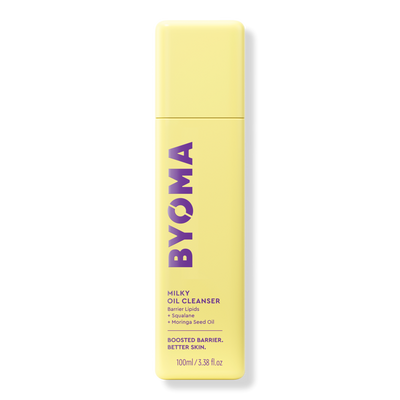
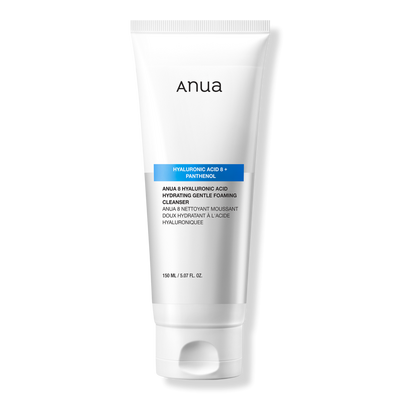
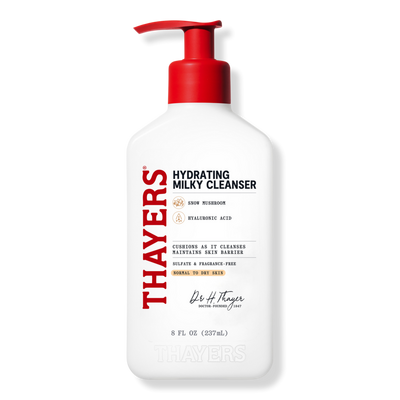
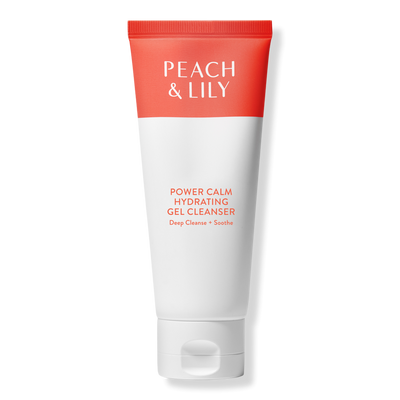
Best cleansers for skin barrier repair
Gentle cleansers that clean without stripping your skin’s protective barrier.
12 items
Use previous and next buttons to navigate the slides of the Best cleansers for skin barrier repair Product Carousel
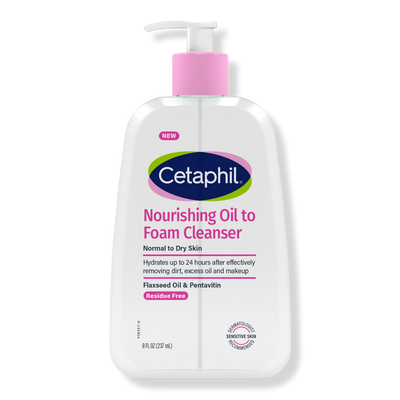
Cetaphil
Nourishing Oil to Foam Cleanser Face Wash for Sensitive Skin
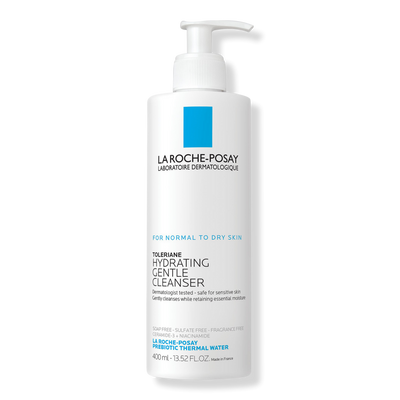
La Roche-Posay
Toleriane Hydrating Gentle Face Cleanser for Dry Skin
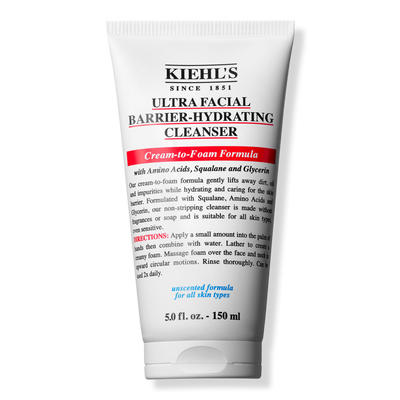
Kiehl's Since 1851
Ultra Facial Barrier-Hydrating Cleanser
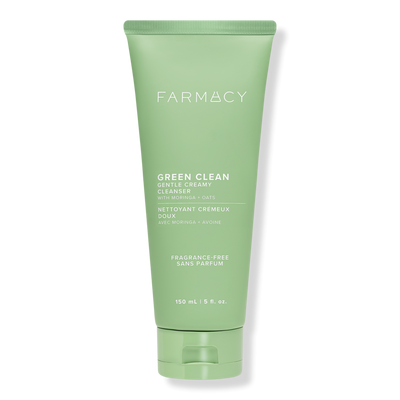
FARMACY
Green Clean Gentle Creamy Cleanser
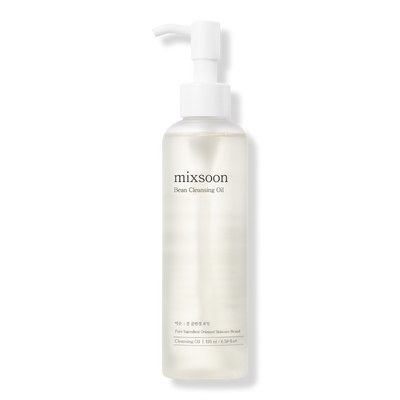
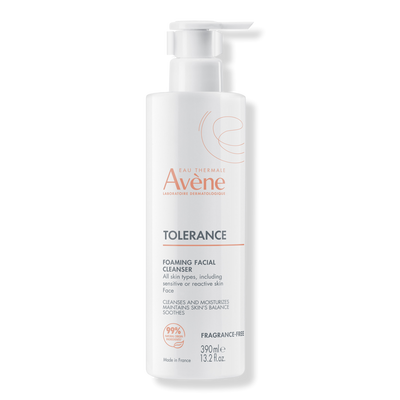
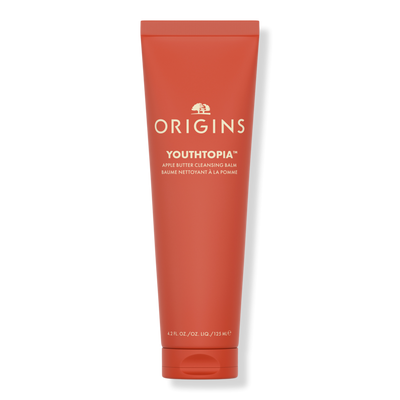
Best treatments for skin barrier repair
Targeted treatments to help heal, strengthen and rejuvenate your skin barrier.
12 items
Use previous and next buttons to navigate the slides of the Best treatments for skin barrier repair Product Carousel
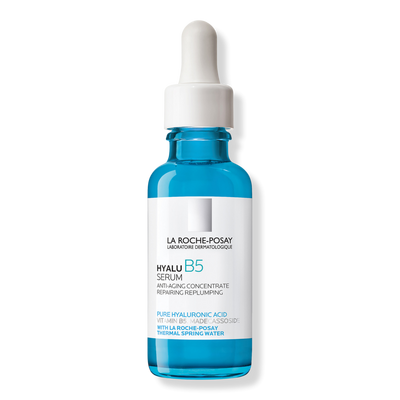
La Roche-Posay
Hyalu B5 Pure Hyaluronic Acid Face Serum
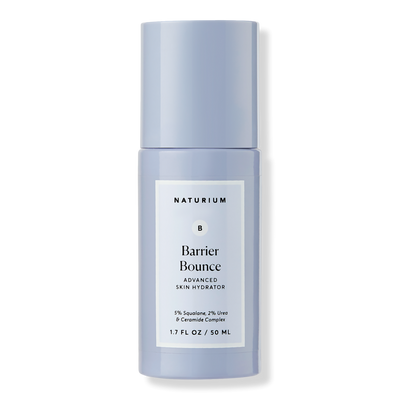
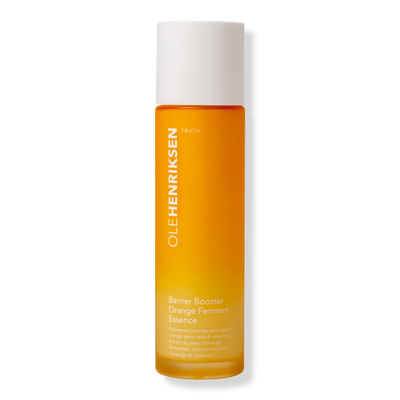
OLEHENRIKSEN
Barrier Booster Vitamin C Milky Toner Essence with Niacinamide
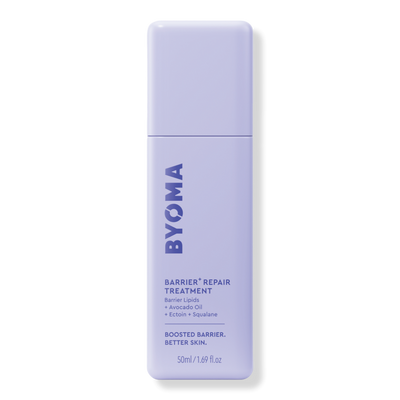
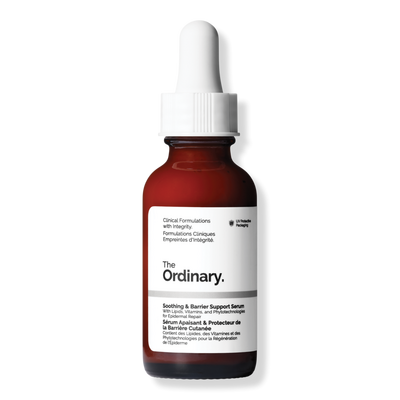
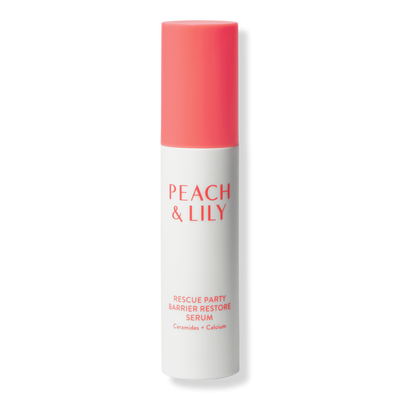
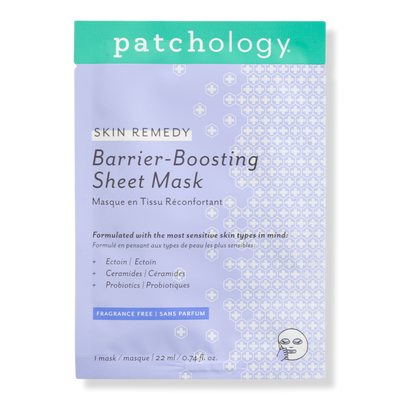
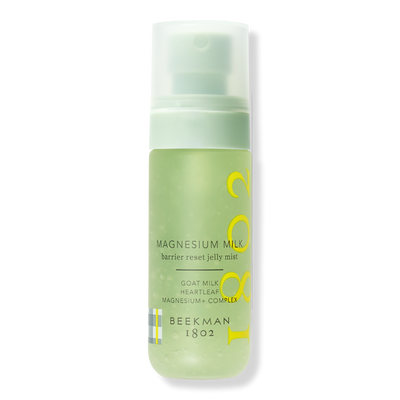
Best moisturizers and creams for skin barrier repair
Hydrating formulas designed to lock in moisture and repair your skin’s barrier.
12 items
Use previous and next buttons to navigate the slides of the Best moisturizers and creams for skin barrier repair Product Carousel
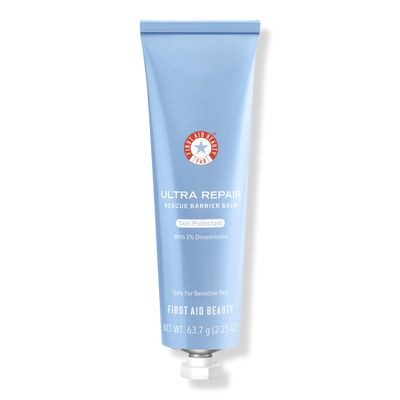
First Aid Beauty
Ultra Repair Rescue Barrier Balm with 1% Dimethicone
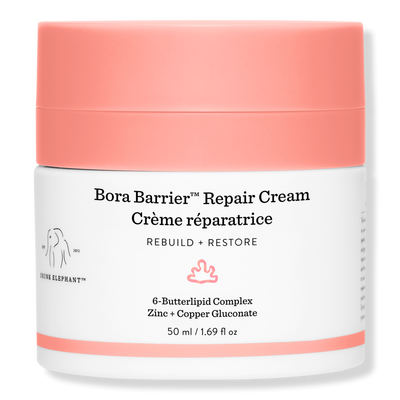
Drunk Elephant
Bora Barrier Repair Cream
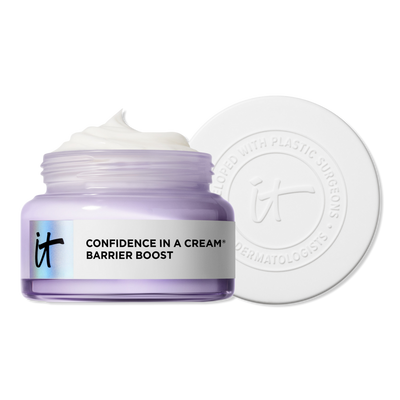
IT Cosmetics
Confidence in a Cream Barrier Boost Skin Barrier Repair Daily Moisturizer
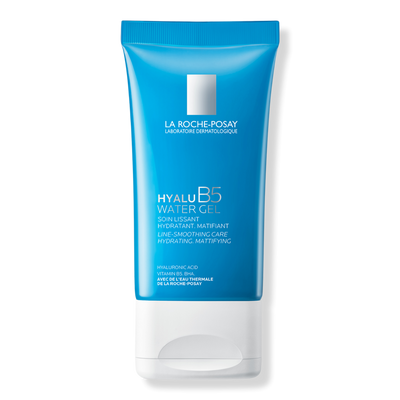
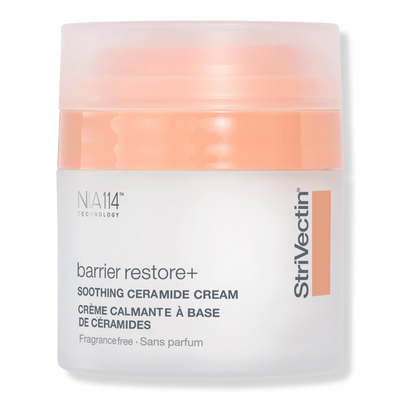
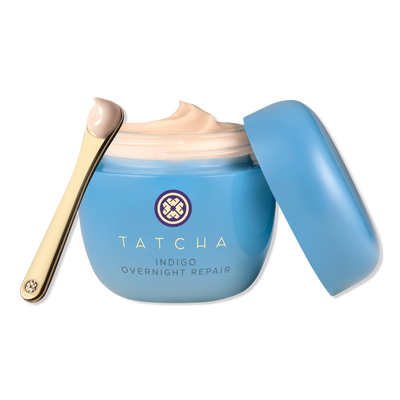
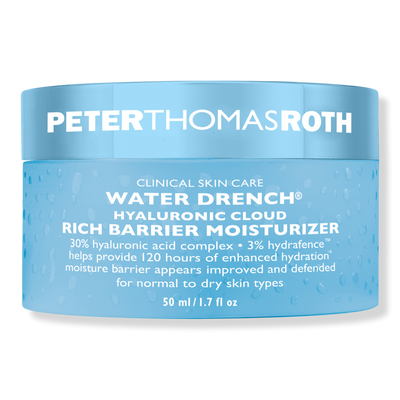
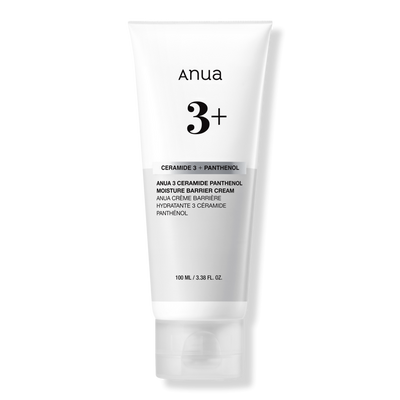
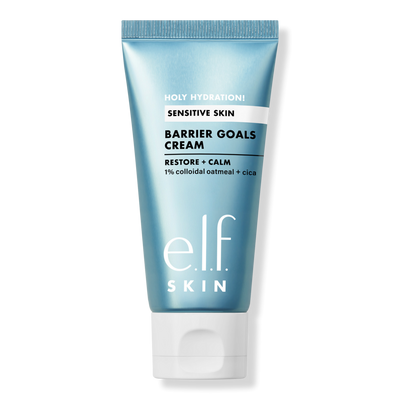
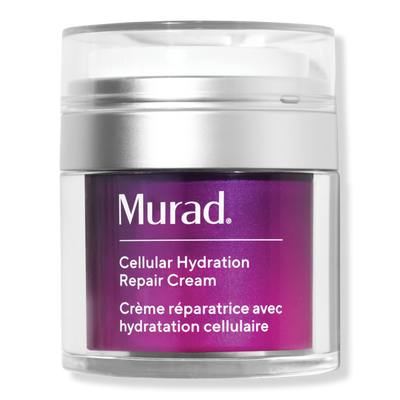
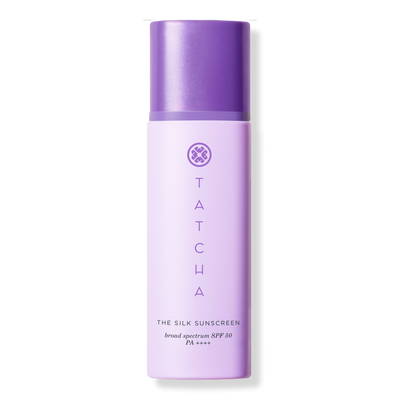
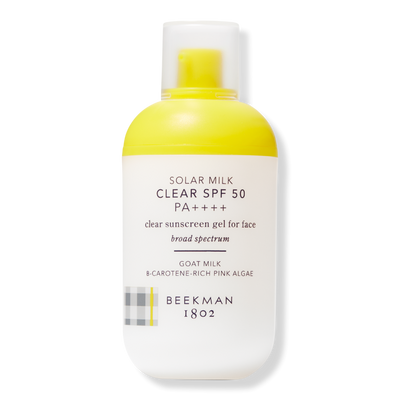
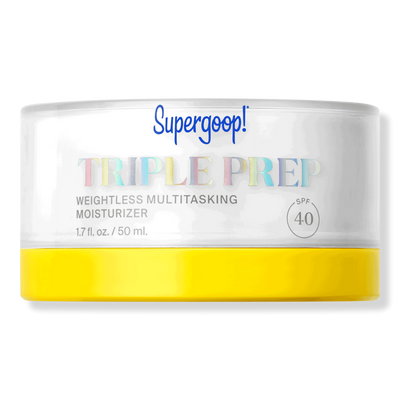
Best sunscreens for skin barrier repair
Protect your skin barrier with sunscreens that shield without irritation.
9 items
Use previous and next buttons to navigate the slides of the Best sunscreens for skin barrier repair Product Carousel
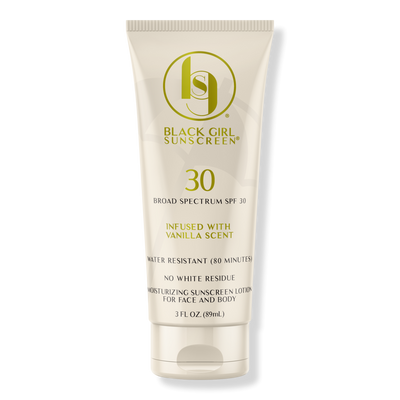
Black Girl Sunscreen
Moisturizing Sunscreen Lotion SPF 30
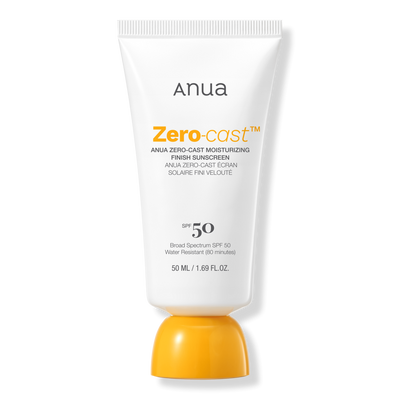
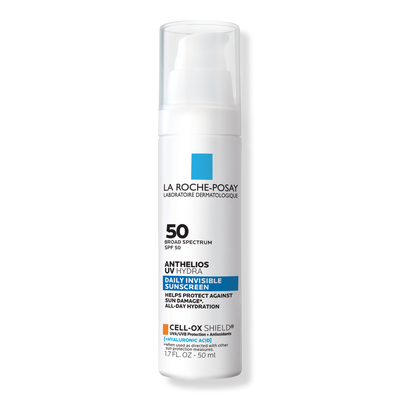
La Roche-Posay
Anthelios UV Hydra Sunscreen SPF 50 with Hyaluronic Acid
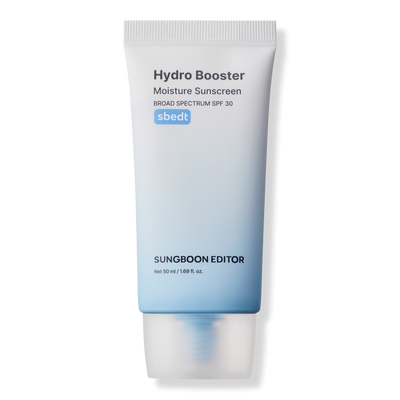
SUNGBOON EDITOR
Hydro Booster Moisture Sunscreen Broad Spectrum SPF 30
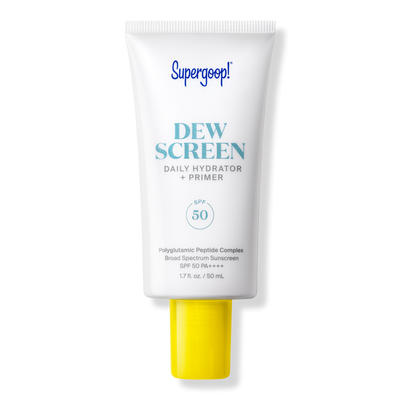
Frequently asked questions
By Ulta Beauty Advisors · Published January 2026 · Updated September 2026
Information provided is for educational purposes only and is not intended as medical advice or a guarantee of results.
What's the fastest way to repair a damaged skin barrier?
Simplify your routine, that's step one. Pause actives like retinoids, AHAs, BHAs and vitamin C for a few days while your skin does its thing.
Stick to a gentle pH-balanced cleanser, apply an occlusive moisturizer on damp skin to seal in hydration and never skip SPF 30 or higher. Less product, more patience. Your skin will thank you.
What's the best product for skin barrier repair?
The best pick is a rich, occlusive moisturizer packed with ceramides, fatty acids and cholesterol, the same lipids your skin barrier is made of. Think of it as a top-up, not a trend.
Look for supporting players too:
- Niacinamide to calm and strengthen
- Hyaluronic acid and glycerin to pull in moisture
- Squalane to lock it all in
Patch-test any new product before adding it to your routine and stop use if you notice irritation.
How long does it take for a skin barrier to fully repair?
Full restoration typically takes four weeks or more, though you'll likely feel some relief within days.
Here's the general timeline:
- Days one through three: initial comfort as dryness and tightness start to ease
- Week one to two: visible improvement in texture and tone
- Week four and beyond: full barrier restoration with consistent care
Timelines vary based on how compromised your barrier is and how consistent your routine stays.
What ingredients should I look for in skin barrier repair products?
Ceramides, fatty acids and cholesterol are the holy grail trio, they mimic your skin's natural lipid layer and help rebuild it from the outside in.
Round out your routine with:
- Niacinamide for soothing and strengthening
- Hyaluronic acid and glycerin for lightweight hydration
- Squalane for a barrier-safe seal
Skip the actives (retinoids, AHAs, BHAs, vitamin C) until your barrier bounces back.
Can a damaged skin barrier heal on its own?
Yes, mild damage often heals on its own with time and a simplified routine. Your skin is built to repair itself when you stop throwing obstacles in its way.
That said, more compromised barriers heal faster with support: gentle cleansing, occlusive moisturizers and daily SPF give your skin what it needs to rebuild without added stress.
What are the signs of a damaged skin barrier?
The telltale signs are dryness, redness and sensitivity that show up out of nowhere, especially if your usual products suddenly feel like too much.
Other clues to watch for:
- Rough or flaky texture
- Unexpected breakouts
- Persistent itchiness
If these signs stick around for more than a couple weeks even with a gentle routine, it might be time to check in with a dermatologist.
Related Content: Best Skin Care for Oily Skin, Best Face Masks, Best Skin Care for Sensitive Skin, Best Skin Care for Dry Skin, Best Facial Toners, Best Clean Skin Care, Best BHA/PHA Exfoliants, Best Skin Care for Combination Skin, Best Acne Treatments, Best Affordable Skin Care
Explore more Skin Care Buying Guides and Beauty Education Articles