The best hair care and treatments for damaged hair
Learn how to fix damaged hair with products that repair, strengthen and rejuvenate.
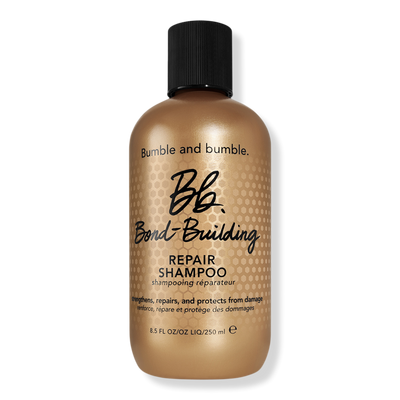
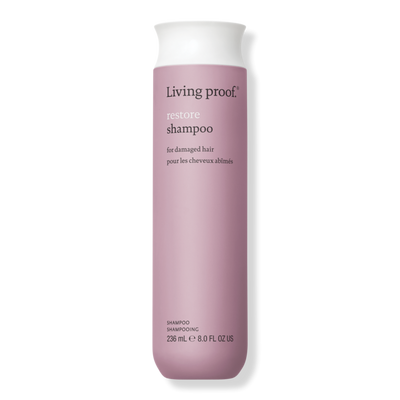
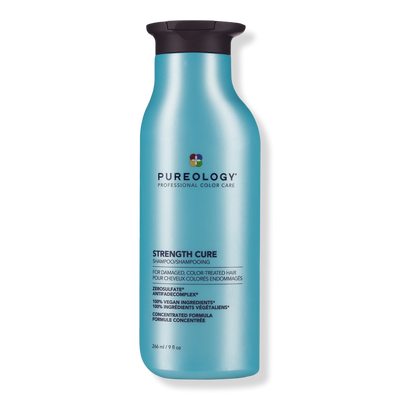
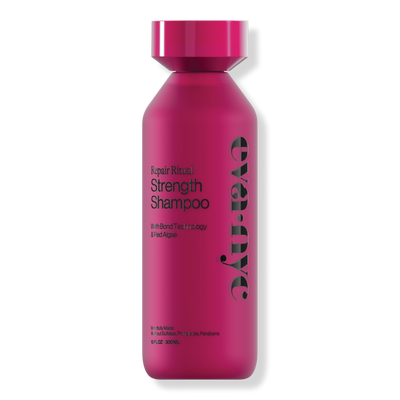
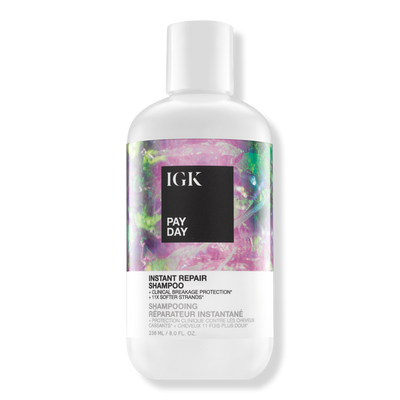
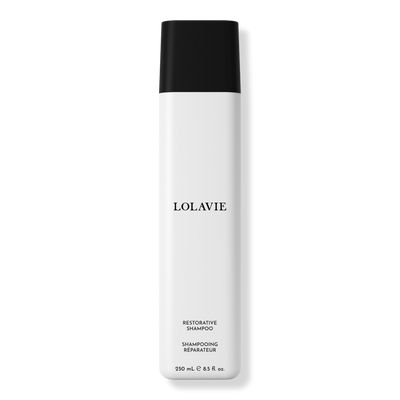
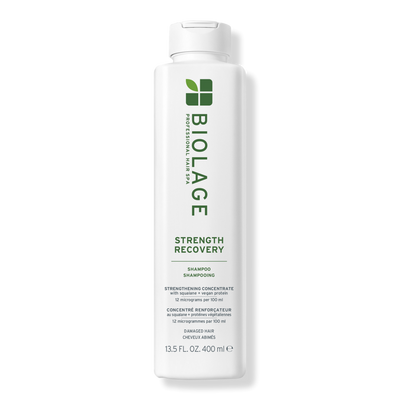
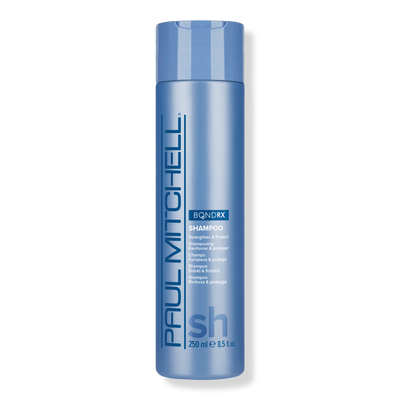
Best shampoos for damaged hair
Fortifying cleansers that repair and nourish damaged strands.
12 items
Use previous and next buttons to navigate the slides of the Best shampoos for damaged hair Product Carousel
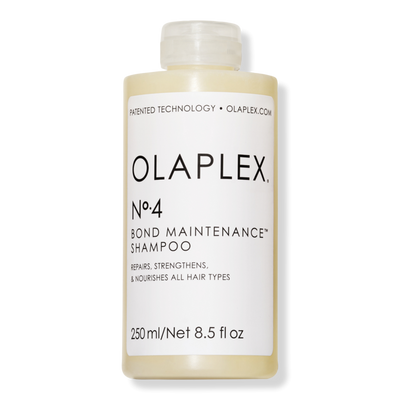
OLAPLEX
No.4 Bond Maintenance Strengthening, Hydrating Hair Repair Shampoo
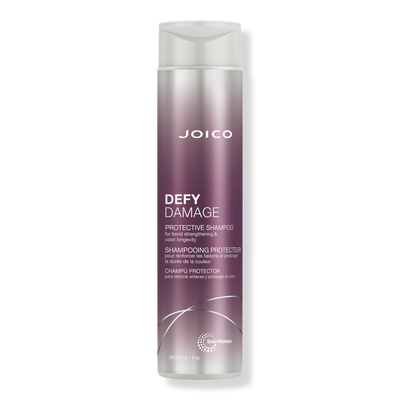
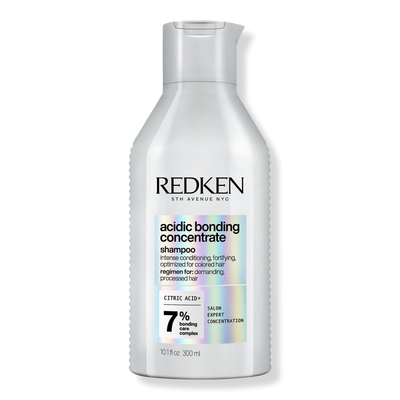
Redken
Acidic Bonding Concentrate Shampoo
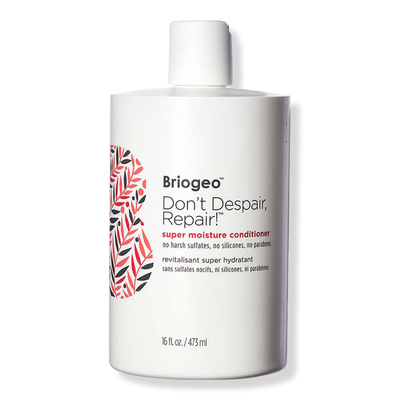
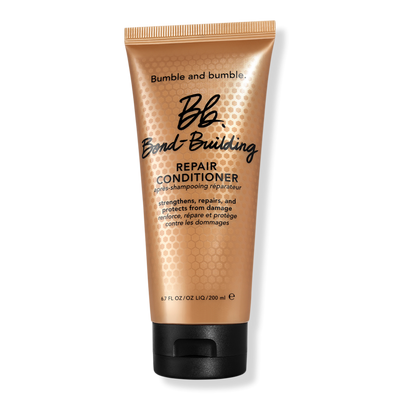
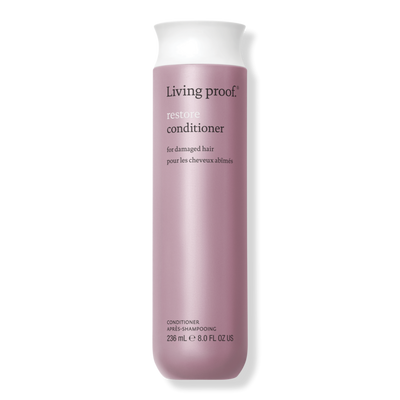
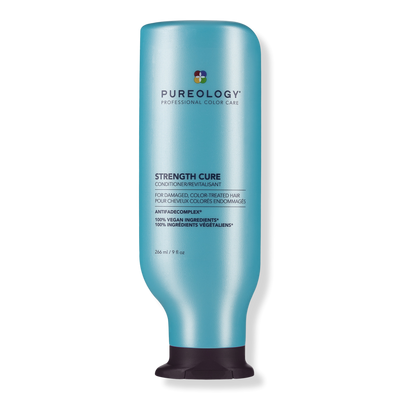
Best conditioners for damaged hair
Moisturizing formulas to restore softness and strength.
12 items
Use previous and next buttons to navigate the slides of the Best conditioners for damaged hair Product Carousel
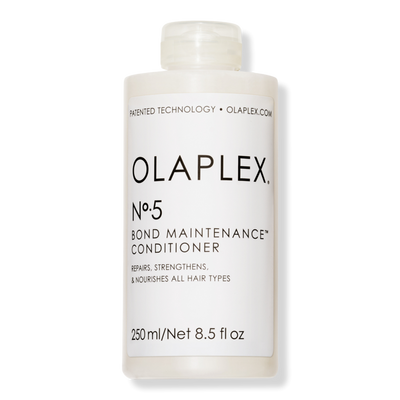
OLAPLEX
No.5 Bond Maintenance Strengthening, Moisturizing Hair Repair Conditioner
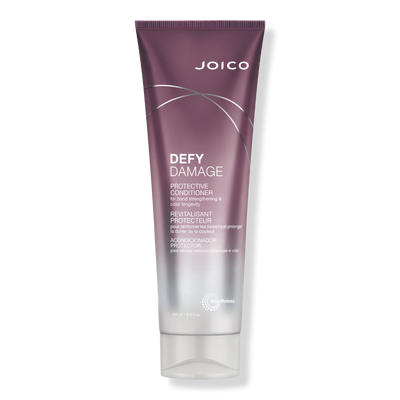
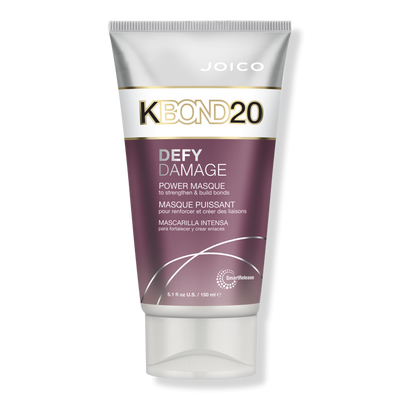
Joico
Defy Damage Protective Conditioner
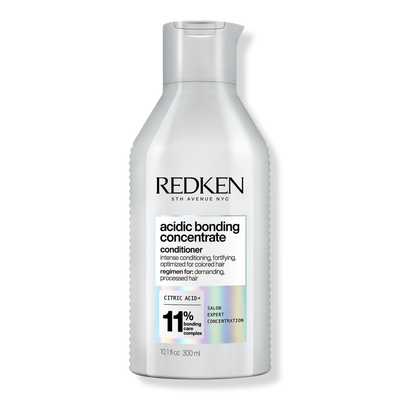
Redken
Acidic Bonding Concentrate Conditioner
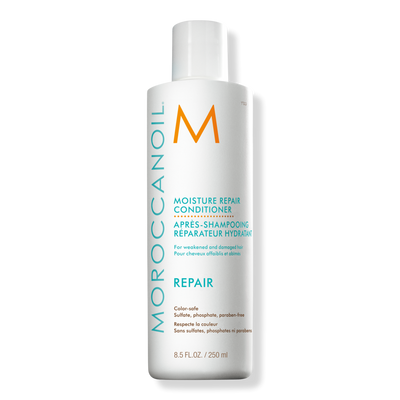
Best treatments for damaged hair
Targeted solutions to address damage, rebuild hair structure and improve resilience.
12 items
Use previous and next buttons to navigate the slides of the Best treatments for damaged hair Product Carousel
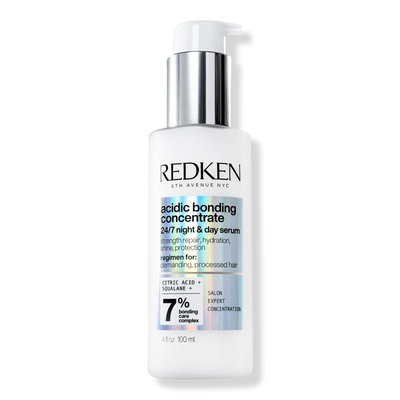
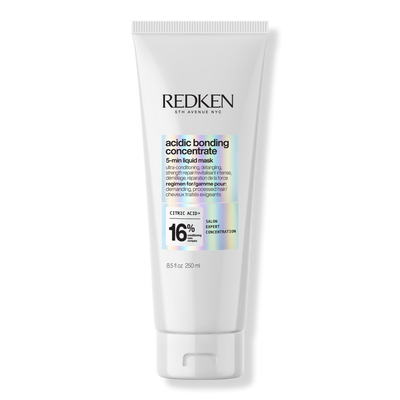
Redken
Acidic Bonding Concentrate 24/7 Night & Day Hair Repair Serum
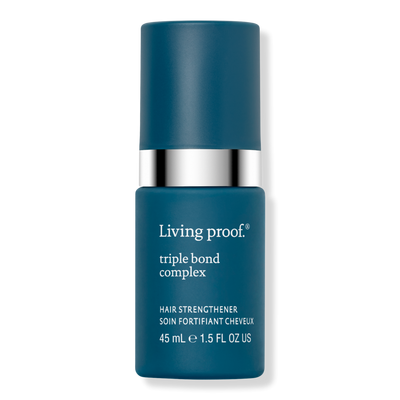
Living Proof
Triple Bond Complex Leave-In Hair Treatment
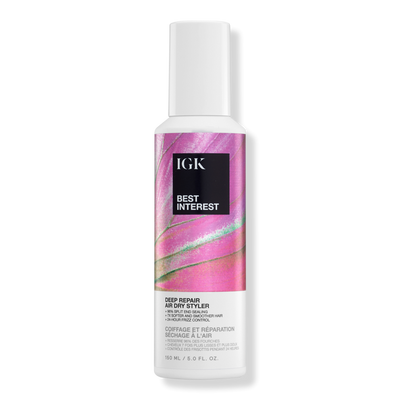
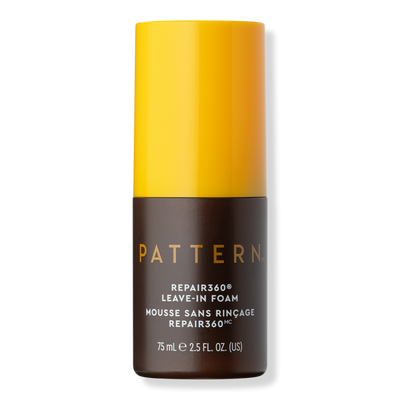
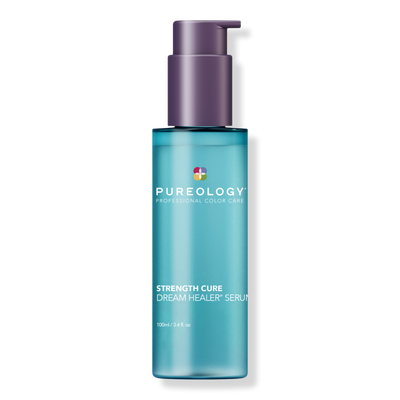
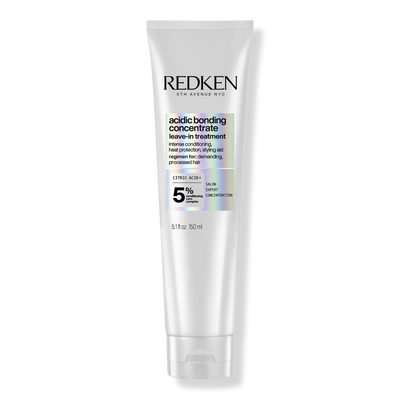
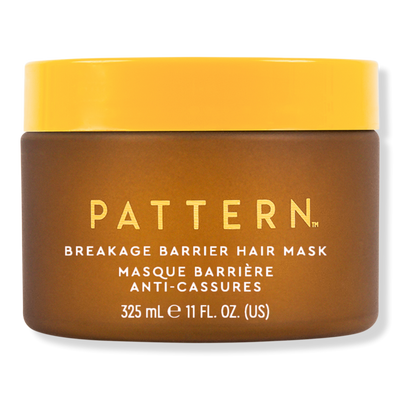
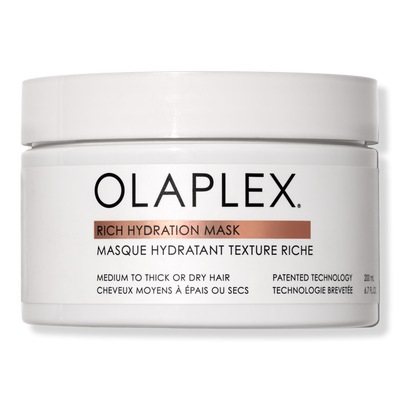
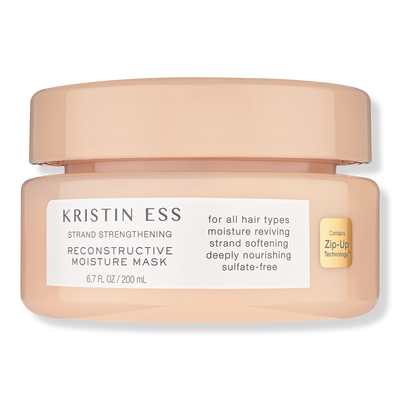
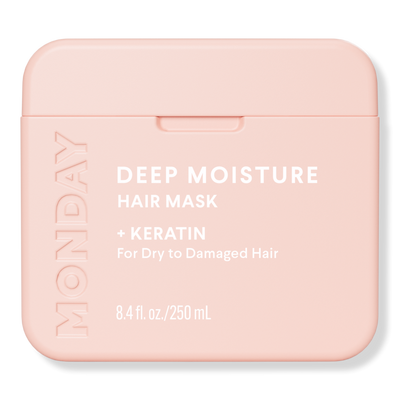
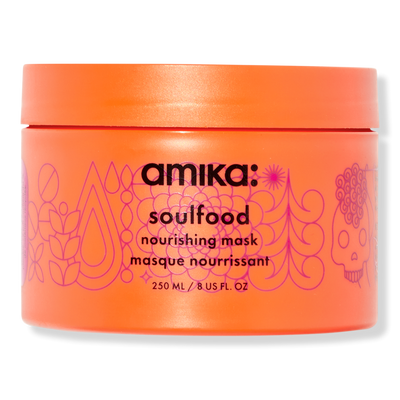
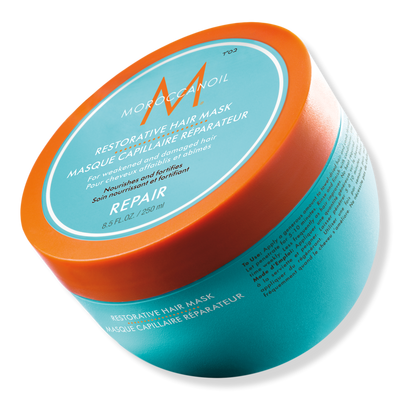
Best masks for damaged hair
Deep hydration to repair and smooth damaged hair.
12 items
Use previous and next buttons to navigate the slides of the Best masks for damaged hair Product Carousel
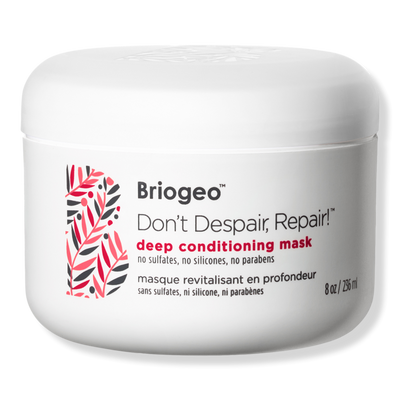
Briogeo
Don't Despair, Repair! Deep Conditioning Hair Mask
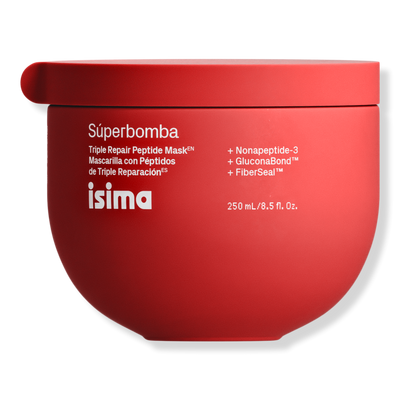
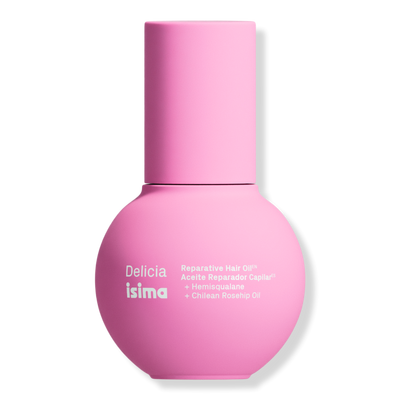
isima
Súperbomba Triple Repair Peptide Hair Mask
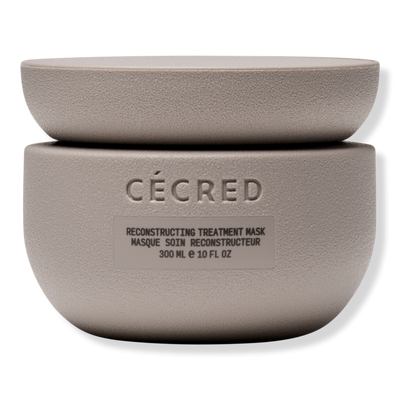
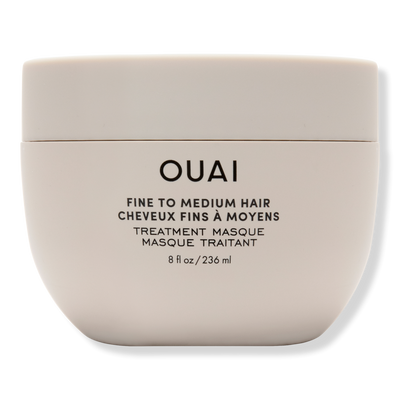
OUAI
Treatment Mask for Fine to Medium Hair
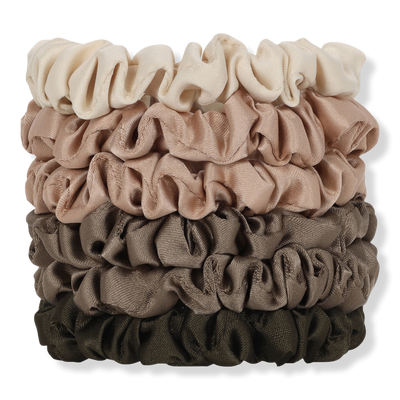
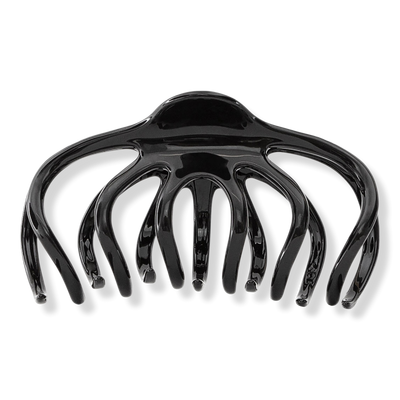
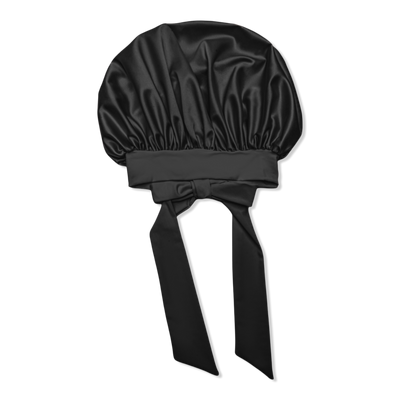
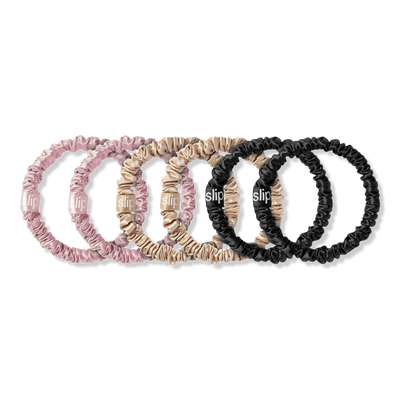
Best tools and accessories for damaged hair
Damage-minimizing tools and accessories that protect and support your hair’s recovery.
12 items
Use previous and next buttons to navigate the slides of the Best tools and accessories for damaged hair Product Carousel
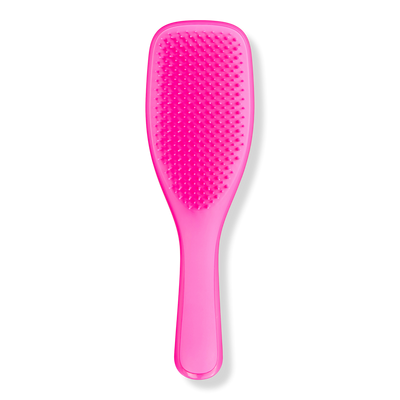
Tangle Teezer
The Ultimate Detangler for Fine & Fragile Hair
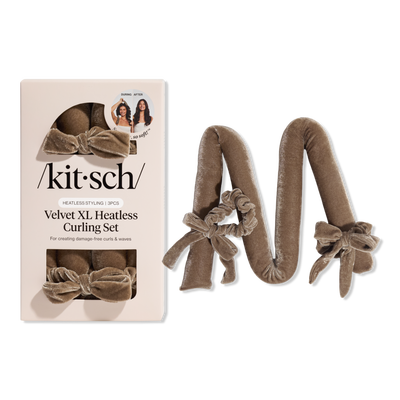
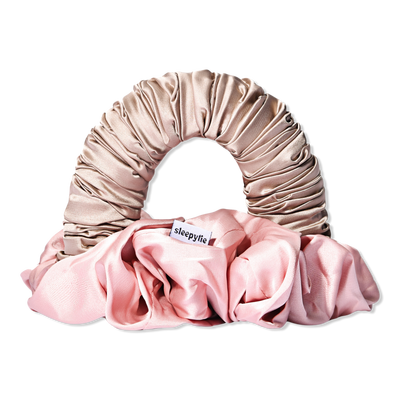
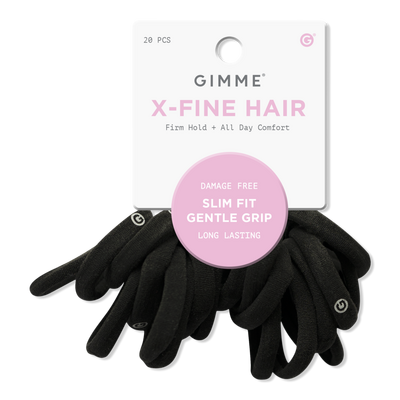
Best Hair Care & Treatments for Damaged Hair FAQs
The information provided here should not replace professional advice. Always consult with a licensed hair care professional or dermatologist for personalized recommendations.
How do you fix damaged hair?
Fixing damaged hair involves a combination of care, the right products, and lifestyle changes. Here’s how:
- Stop the damage: Avoid heat styling, harsh chemical treatments, and over-washing.
- Use the right shampoo and conditioner: Look for products labeled for damaged hair with ingredients like keratin, biotin or natural oils to repair and strengthen.
- Deep condition weekly: Use hair masks or hair treatments to restore moisture and elasticity.
- Trim regularly: Remove split ends to prevent further breakage.
- Protect your hair: Use heat protectants, avoid tight hairstyles, and switch to silk pillowcases to reduce friction. Discover our Hair Protection Products buying guide for more expert recommendations.
- Eat for healthy hair: A diet rich in vitamins (like biotin and vitamin E) and proteins can help support hair recovery from the inside out.
How to repair broken hair?
Broken hair is fragile and needs extra care. Here’s what you can do:
- Rebuild with protein treatments: Products with keratin or collagen can strengthen and repair the hair’s structure.
- Hydrate deeply: Follow protein treatments with moisturizing masks to prevent brittleness.
- Be gentle: Avoid tight hairstyles, harsh brushing, and towel-drying. Instead, use a microfiber towel or air-dry your hair.
- Protect from heat: Always use a heat protectant spray before styling and try to limit the use of hot tools.
- Switch to silk or satin: Pillowcases and hair ties made of silk or satin reduce friction and prevent breakage.
What is the best product or treatment to fix damaged hair?
The best products depend on the type of damage. Here are some recommendations:
For dryness: Look for hydrating products with argan oil, shea butter, or hyaluronic acid.
- Best-selling options available at Ulta Beauty:
- For breakage: Use protein-rich treatments like keratin or bond-repair products (e.g., Olaplex).
- Best-selling options available at Ulta Beauty:
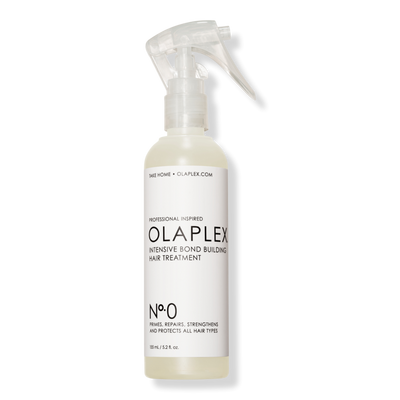
- OLAPLEX No.0 Intensive Bond Building Treatment
- Redken Extreme Anti-Snap Leave-In Conditioner
- tgin Honey Miracle Hair Mask
- Best-selling options available at Ulta Beauty:
- For daily care: Leave-in conditioners and serums with heat protection can prevent further damage.
- Best-selling options available at Ulta Beauty:
- It’s A 10 Miracle Leave-In Product
- Kenra Professional Platinum Blow-Dry Spray
- OUAI Leave-In Conditioner
- Best-selling options available at Ulta Beauty:
Professional treatments: Salon services like keratin treatments, deep-conditioning treatments, or bond-repair systems can provide intensive repair for severely damaged hair.
- Schedule an appointment for Beauty Services Hair Treatments at The Salon at Ulta Beauty.
Pro tip: Look for sulfate-free and paraben-free products for gentler care.
What does damaged hair look like?
Damaged hair has several telltale signs:
- Dryness: Hair feels rough and looks dull or frizzy.
- Split ends: The ends of your hair may appear frayed or uneven.
- Breakage: You may notice shorter, broken strands or thinning areas.
- Lack of elasticity: Damaged hair stretches less and snaps more easily.
- Tangles: Hair becomes harder to detangle and more prone to knots. If your hair feels brittle or doesn’t respond well to styling, it’s likely damaged and needs extra care.
Can damaged hair be repaired?
Yes, but with limitations. Here’s what you need to know:
- Hair can’t regenerate: Once hair is damaged, it can’t fully “heal” because it’s made of keratin, a non-living protein.
- You can improve its appearance: Regular trims, nourishing products, and protective habits can make your hair look and feel healthier.
- Prevent further damage: Use heat protectants, avoid harsh treatments, and keep your hair hydrated.
- For severe damage: Consult a professional stylist for tailored solutions like restorative haircuts or salon treatments.
Related Content: Best Hair Products for Dry Hair, Best Hair Toners, Best Leave in Conditioners, Hair Products for Healthy Hair, Best Products for Fine Hair, Best Styling Products, How to Get Rid of Split Ends, What is Co-Wash?, Titanium vs Ceramic Flat Irons, What is Hair Porosity?
Explore more Hair Care Buying Guides and Beauty Education Articles