The best scalp treatments
Find the right products to create a nourished and happy scalp.
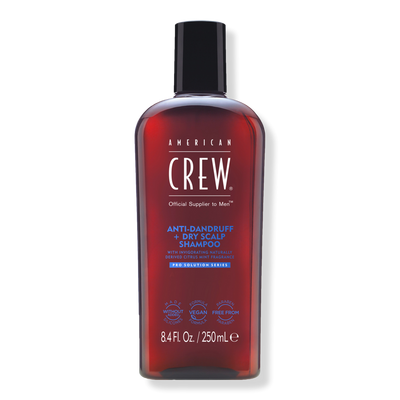
Best scalp treatments for dandruff
Gentle yet effective picks to ease flakes and calm irritation.
12 items
Use previous and next buttons to navigate the slides of the Best scalp treatments for dandruff Product Carousel
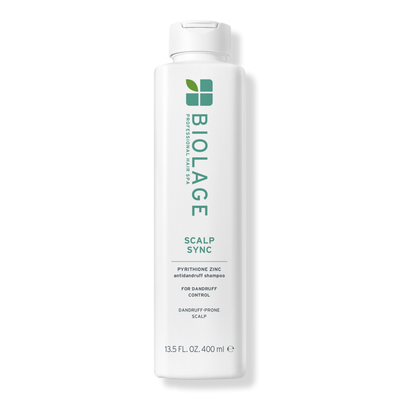
Biolage
Scalp Sync Anti-Dandruff Shampoo
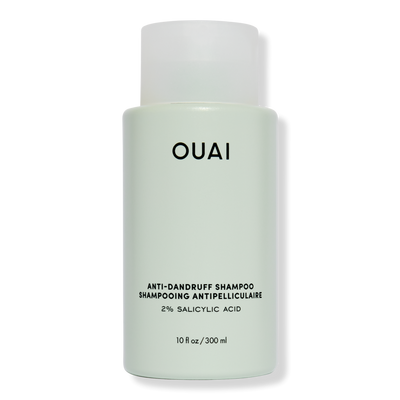
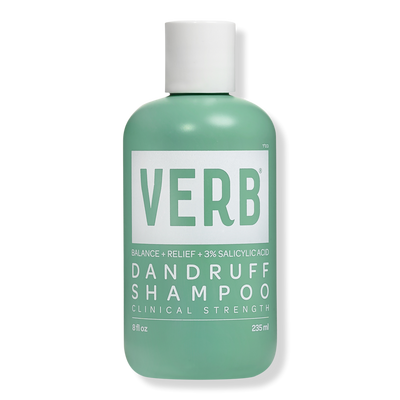
Verb
Dandruff Shampoo with Salicylic Acid for Dry and Flaky Scalp
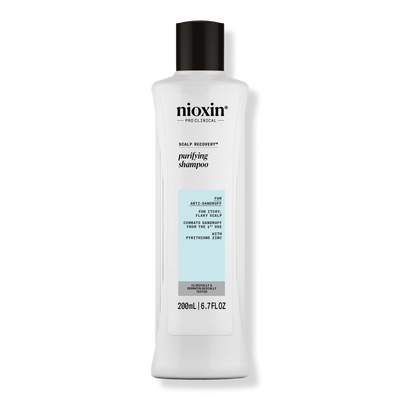
Nioxin
Scalp Recovery System Purifying Shampoo
Best treatments for dry scalp
Soothe and hydrate with moisture-packed treatments.
12 items
Use previous and next buttons to navigate the slides of the Best treatments for dry scalp Product Carousel
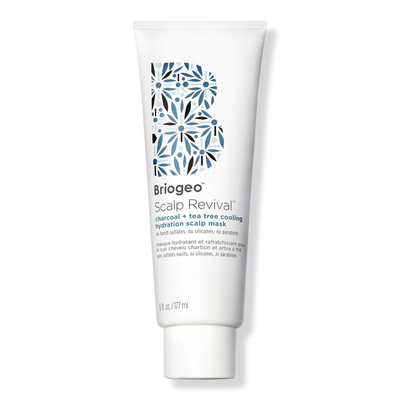
Briogeo
Scalp Revival Charcoal + Tea Tree Cooling Hydration Mask
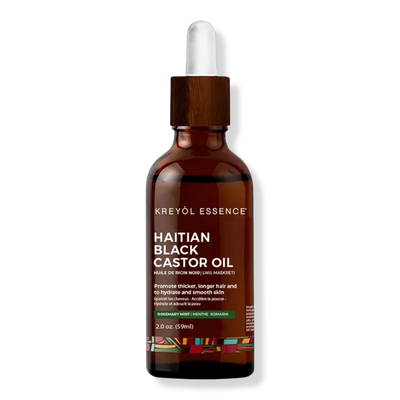
Kreyòl Essence
Haitian Black Castor Oil - Rosemary Mint
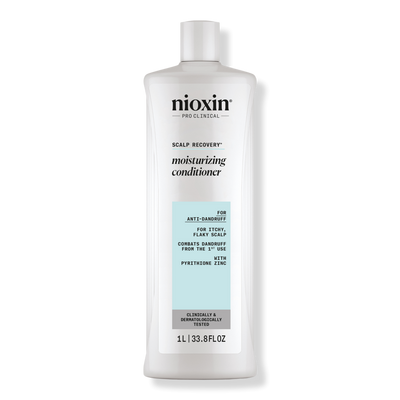
Nioxin
Scalp Recovery System Moisturizing Conditioner
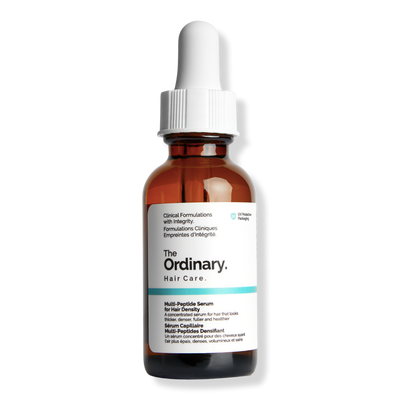
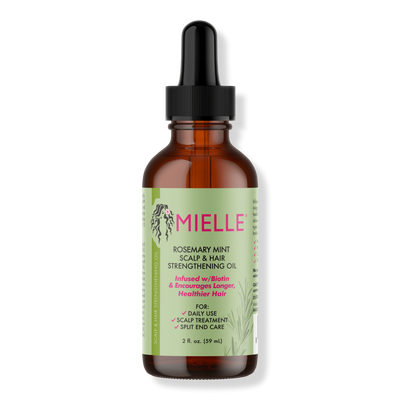
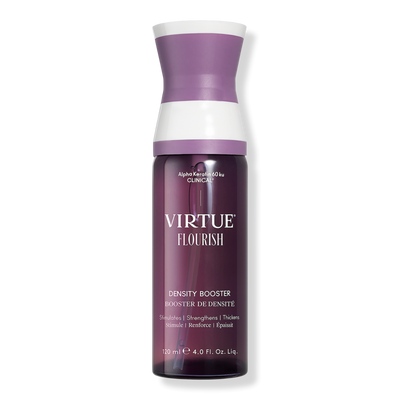
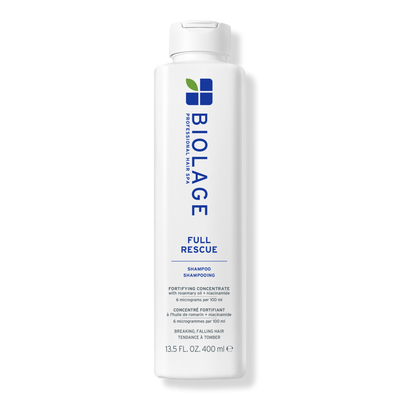
Best scalp treatments for hair growth and density
Thicker, healthier hair starts with these solutions.
12 items
Use previous and next buttons to navigate the slides of the Best scalp treatments for hair growth and density Product Carousel
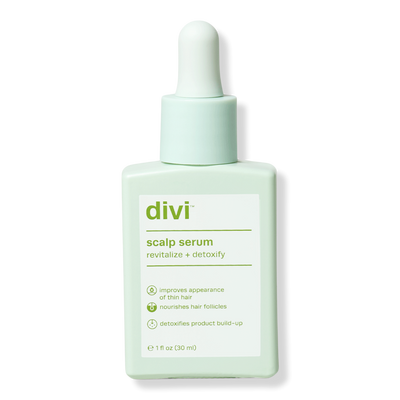
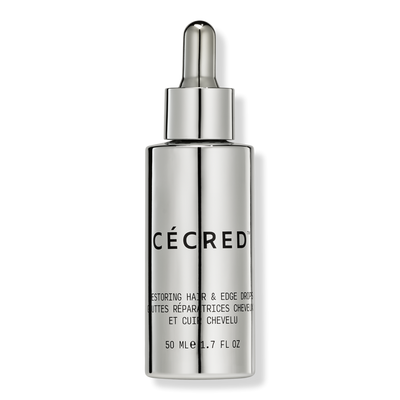
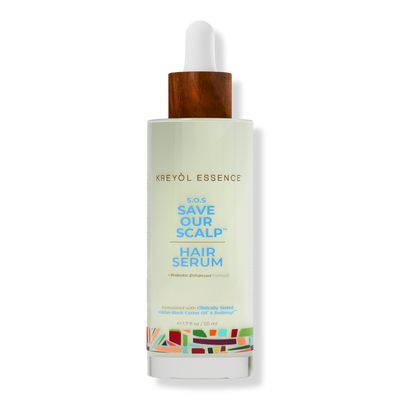
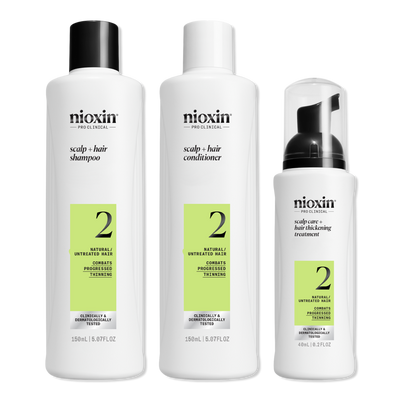
Nioxin
Scalp + Hair Thickening System 2 Kit
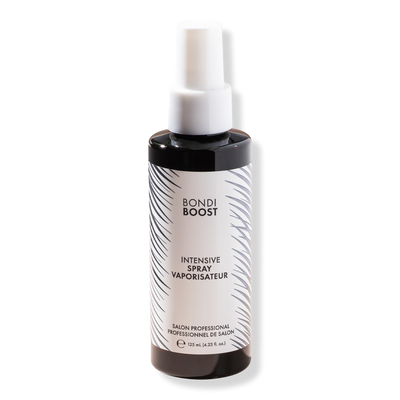
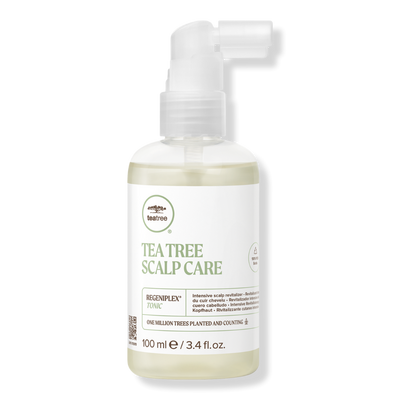
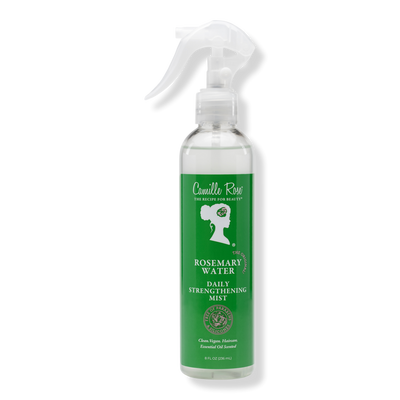
Best scalp treatments for cleansing and exfoliation
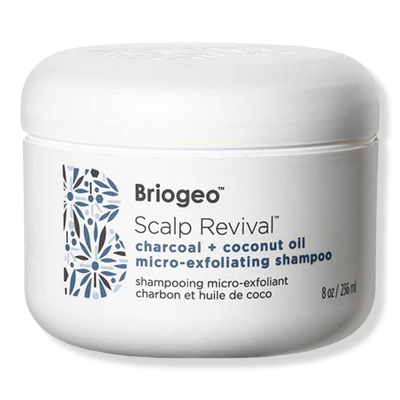
Deep-cleansing formulas that refresh and detox.
12 items
Use previous and next buttons to navigate the slides of the Best scalp treatments for cleansing and exfoliation Product Carousel
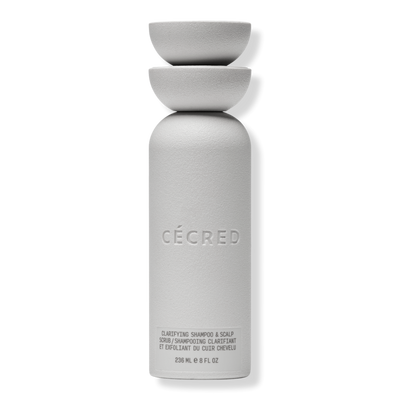
CÉCRED
Clarifying Shampoo & Scalp Scrub
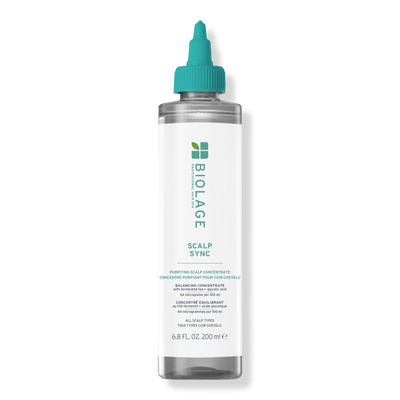
Biolage
Scalp Sync Purifying Concentrate for All Scalp Types
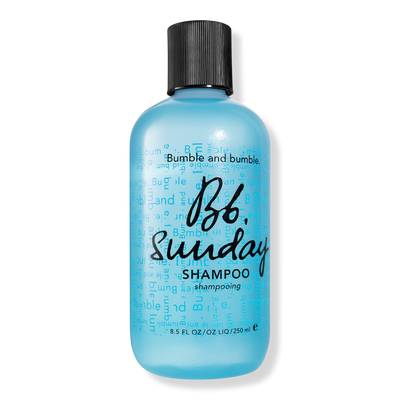
Bumble and bumble
Sunday Clarifying Shampoo
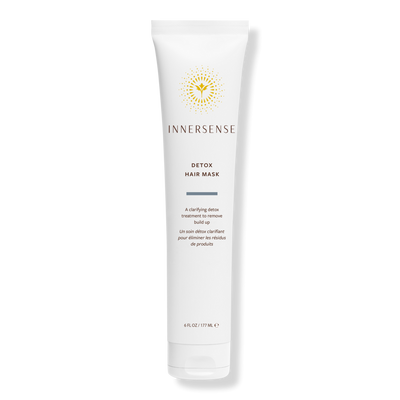
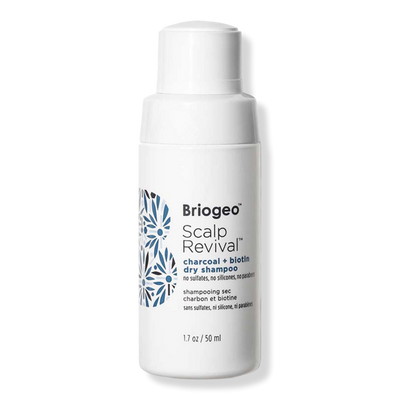
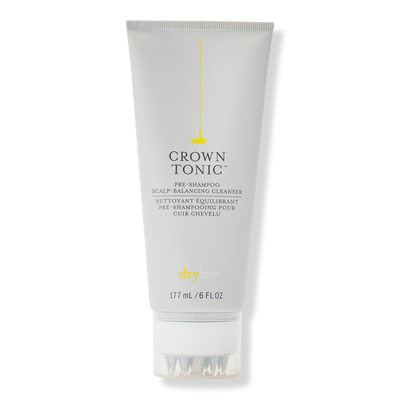
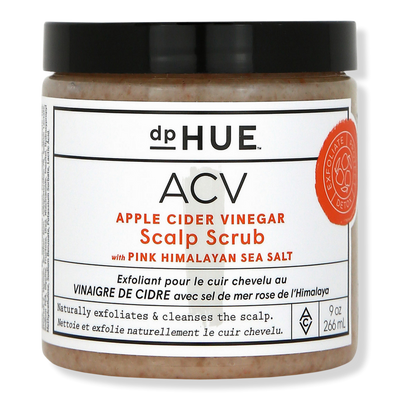
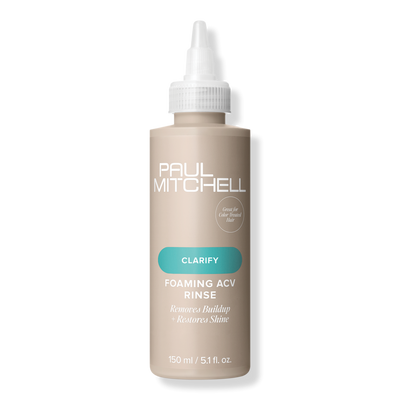
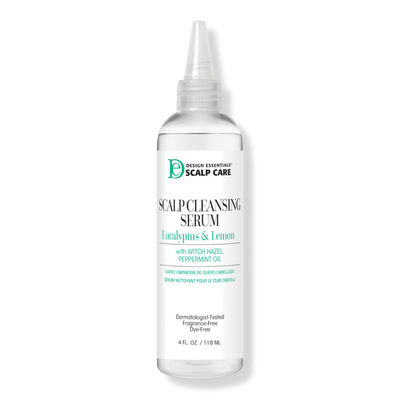
Find the Best Scalp Treatment for You
By Ulta Beauty Advisors · Published February 2025 · Updated September 2026
All products featured are available at Ulta Beauty. Ulta Beauty Advisors select products independently. Prices and availability are subject to change.
Achieving and maintaining a healthy scalp is the key to resilient, healthy hair. Whether you're battling dryness, itching, dandruff, or hair loss, the right scalp health products can make all the difference. Here’s an in-depth look at the best scalp treatments to address your specific needs and what makes them effective.
Dry Scalp Treatment
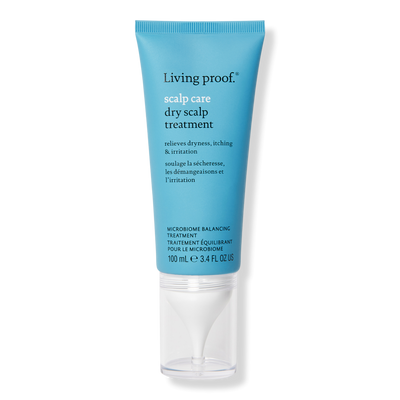
Dry, flaky scalps often lack moisture. Look for dry scalp treatments infused with moisturizing ingredients like hyaluronic acid and glycerin. Scalp oil treatments are especially effective for replenishing moisture and protecting the scalp's barrier. Healthy scalp shampoos that are sulfate-free can also prevent further dryness while restoring hydration.
Itchy Scalp Treatment
Itchy scalp treatments can soothe and calm irritation while addressing the underlying causes. Look for ingredients like aloe vera and tea tree oil, which have natural anti-inflammatory and cooling properties. For itchiness caused by product buildup or excess oil, clarifying treatments can help detoxify the scalp. For sensitive scalps, look for products free of fragrances and sulfates to avoid further irritation.
Scalp Acne Treatment
Treating scalp acne requires products that clear clogged pores and calm inflammation. Ingredients like salicylic acid, tea tree oil, and benzoyl peroxide are effective at targeting acne while maintaining scalp health. Incorporating a healthy scalp routine with regular exfoliation and gentle cleansing can also reduce breakouts over time.
Scalp Treatment for Dandruff
Dandruff is often caused by an overgrowth of yeast on the scalp or excessive oil production. Effective shampoos and scalp treatments for dandruff include active ingredients like zinc pyrithione or salicylic acid to address the root cause. These ingredients work to reduce flaking, itching, and redness.
Scalp Treatment for Hair Loss
Scalp treatments for hair loss focus on stimulating blood circulation, supporting follicle health, and reducing inflammation. Look for products containing caffeine, niacinamide, or rosemary oil to encourage hair growth. Minoxidil-based treatments may stimulate hair follicles, while biotin and peptides help strengthen the hair shaft.
Frequently Asked Questions
What is the best shampoo for scalp health?
The best shampoo for scalp health will depend on your specific needs. Look for shampoos that are sulfate-free, enriched with hydrating ingredients like aloe vera or hyaluronic acid, and includes exfoliating or balancing agents like salicylic acid or tea tree oil to cleanse and nourish.
How to get a healthy scalp?
To get a healthy scalp, follow a consistent routine that includes gentle cleansing, regular exfoliation, and hydration with scalp-specific products. Avoid harsh chemicals and opt for treatments that balance oil production and soothe irritation.
Here are some additional tips:
- Use gentle, sulfate-free shampoos.
- Avoid excessive heat styling.
- Protect your hair from environmental damage.
- Get regular trims to remove split ends.
- Incorporate a healthy diet rich in vitamins and minerals.
What does a healthy scalp look like?
A healthy scalp is clean, free of buildup and flakes, with minimal redness or irritation. It has balanced oil production and supports strong, shiny hair growth.
How often to use a scalp treatment?
Use a scalp treatment 1–2 times per week, depending on your scalp’s needs. For dryness or buildup, opt for weekly hydration or exfoliation treatments, while targeted treatments like those for dandruff or hair loss can be used more frequently.
How to relieve dandruff at home?
You can try several at-home remedies to help relieve mild dandruff:
- Use an anti-dandruff shampoo: Look for shampoos containing ingredients like pyrithione zinc or salicylic acid. Use them as directed on the bottle, often a few times a week.
- Wash your hair regularly: This helps to remove excess oil and dead skin cells.
- Manage stress: Stress can sometimes exacerbate dandruff. Practice relaxation techniques like yoga, meditation, or deep breathing.
- Gentle exfoliation: Exfoliating gently with a sugar or salicylic-based scalp scrub can reduce buildup that aggravates flakes.
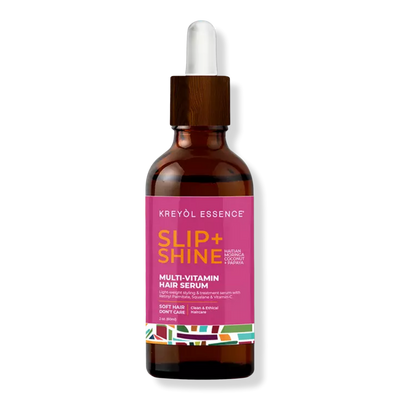
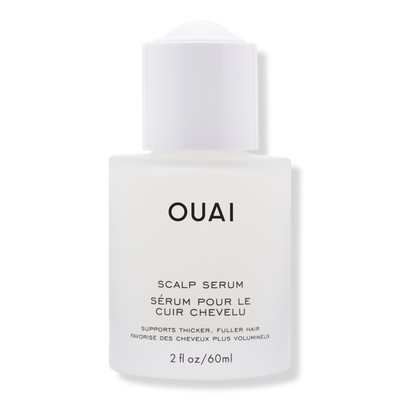
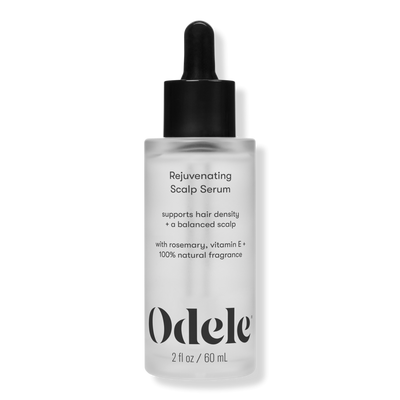
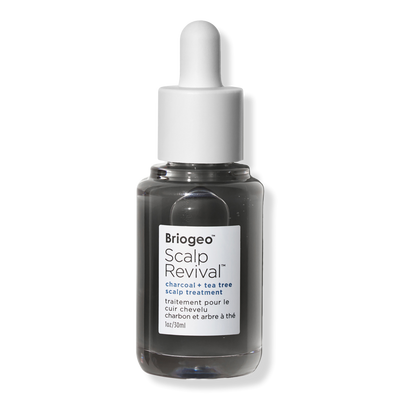
- Scalp serums and treatments: Outside of the shower, consider adding a scalp serum. It can improve scalp hydration for better long-term health. For quick relief, try a leave-in scalp treatment with ingredients like Tea Tree to calm irritation and refresh roots.
If your dandruff is severe or doesn't improve with home remedies, it's best to consult a dermatologist.
What is the main cause of dandruff?
The most common culprit behind dandruff is an overgrowth of a yeast-like fungus called Malassezia. It thrives on your scalp’s natural oils, triggering irritation and those pesky flakes. Other factors, like stress, dry air, or using overly harsh hair products, can also contribute to a flaky scalp.
How to deep clean my scalp from buildup?
Deep cleaning your scalp means removing product residue, oil buildup, and dead skin cells. Start with a clarifying shampoo or detox shampoo once a week to reset your roots.
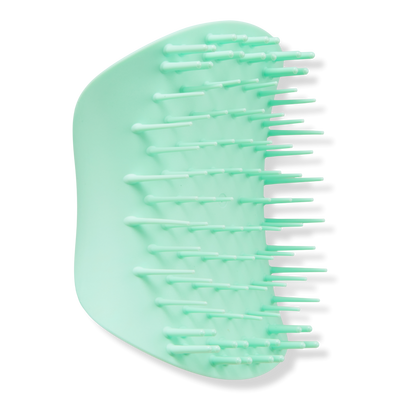
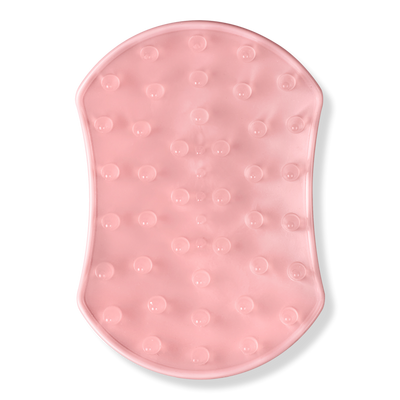
Don’t skip exfoliation! A scalp scrub works to lift buildup without being harsh. For an extra deep cleanse, pre-treat with a scalp brush to stimulate circulation before shampooing.
And hydration matters too! Finish with a lightweight conditioner to ensure your scalp isn’t over-dried during the process.
How do I improve my scalp health?
Healthy scalp, happy hair! Here’s how to nurture your scalp over time:
- Cleanse regularly: Wash with a gentle, hydrating shampoo as needed. Over-cleansing can strip oils, while under-washing can lead to buildup.
- Exfoliate weekly: Scalp scrubs clear away dead skin and oil for a breathable scalp.
- Hydrate: Scalp serums provide essential nutrients and moisture.
- Protect scalp skin: Always use SPF if your scalp will be exposed to direct sun! Sunburned scalps can cause dryness and irritation.
- Scalp massaging: A quick, 2-minute fingertip massage during washing can boost circulation and encourage lush, healthy hair growth.
Consistency is key, so incorporate these habits into your routine.
What is the best product for dandruff?
The "best" product for dandruff depends on the type and severity of your dandruff. Here are some effective ingredients to look for in anti-dandruff products:
- Pyrithione zinc: This is a common and effective antifungal agents found in many over-the-counter dandruff shampoos.
- Salicylic acid: Helps to exfoliate the scalp and remove flakes.
- Tea tree oil: Has antifungal and antibacterial properties.
It's often recommended to try a shampoo with one active ingredient for a few weeks. If it doesn't improve your dandruff, try a shampoo with a different active ingredient.
For persistent or severe dandruff, consulting a dermatologist is the best course of action.
Related Content: What is Scalp Serum, Curly Hair Care Routine, Benefits of Sulfate Free Shampoo, Root Lifting Texture Spray vs Mousse, What is Co-Wash?, Minimalist Hair Care, How to Stop Greasy Hair, Hair Toner for Bleached Hair, What is an Ionic Hair Dryer, Best Sea Salt Sprays, Protein vs Deep Conditioner Treatment For Hair
Explore more Hair Care Buying Guides and Beauty Education Articles