Azelaic acid benefits: what it does for your skin
All products featured are available at Ulta Beauty at the time of selection. Ulta Beauty Advisors select products independently. Prices and availability are subject to change. Information provided is for educational purposes only and is not intended as medical advice or a guarantee of results.
By Ulta Beauty Advisors · Published April 2026 · Updated October 2026
One ingredient. Multiple skin benefits. If you're looking to calm visible redness, improve the appearance of dark spots or manage blemish-prone skin, azelaic acid deserves a spot on your skincare radar.
This multitasking skincare ingredient helps address several common concerns, including acne, uneven skin tone and rosacea-related redness. Plus, it can be a good option for people who find stronger exfoliating acids difficult to tolerate.
Ready to get acquainted with your next skincare staple? Here's everything you need to know about azelaic acid benefits, how to use it and which products to try.
What is azelaic acid?
Azelaic acid is a naturally occurring dicarboxylic acid that can be found in grains like wheat, barley and rye. In skincare, it's known for its anti-inflammatory, antibacterial and skin-smoothing properties.
Unlike stronger exfoliating acids, azelaic acid works through several different mechanisms. It helps normalize the shedding of skin cells, targets certain acne-associated bacteria and reduces processes involved in inflammation and excess pigmentation.
You'll find azelaic acid in over-the-counter skincare products, including serums, creams and suspensions. Prescription-strength formulas are also used to treat conditions like acne and rosacea.
Its biggest appeal? Azelaic acid can address multiple skin concerns without requiring a complicated routine.
What are the benefits of azelaic acid?
Azelaic acid offers several skincare benefits, from improving the appearance of blemishes to helping create a more even-looking complexion.
1. Helps manage acne and breakouts
Azelaic acid can help reduce acne by targeting acne-associated bacteria and preventing dead skin cells from contributing to clogged pores.
It may be particularly helpful for people experiencing mild to moderate inflammatory acne, including pimples and small bumps.
Unlike some acne treatments, azelaic acid also helps address the dark marks that can remain after breakouts heal.
2. Reduces the appearance of dark spots
Dealing with lingering discoloration? Azelaic acid can help.
The ingredient inhibits tyrosinase, an enzyme involved in melanin production. This makes it useful for improving the appearance of certain types of hyperpigmentation, including post-acne marks and melasma.
With consistent use, azelaic acid may help create a more even-looking skin tone.
3. Helps calm rosacea-related redness
Azelaic acid is also used to treat inflammatory bumps and pimples associated with rosacea.
Its anti-inflammatory properties can help improve some visible symptoms, although persistent flushing and background redness may not respond as well.
If you have rosacea, consult a dermatologist about whether an over-the-counter product or prescription treatment is appropriate.
4. Improves uneven skin texture
Azelaic acid helps regulate how skin cells shed, which can reduce clogged pores and improve the appearance of rough or bumpy skin.
While it isn't a traditional alpha hydroxy acid (AHA) or beta hydroxy acid (BHA), it can offer skin-smoothing benefits.
5. May work for sensitive skin
Azelaic acid is often considered an option for sensitive or reactive skin because it may be better tolerated than certain stronger exfoliating treatments.
However, even gentle-leaning ingredients can cause temporary tingling, dryness or irritation.
Start slowly, patch test and choose a formula that works for your skin.
Is azelaic acid good for acne?
Yes. Azelaic acid is an established treatment option for certain types of acne, particularly inflammatory breakouts.
It works by helping reduce acne-associated bacteria, inflammation and the buildup of dead skin cells that can contribute to clogged pores.
Azelaic acid may be especially appealing if you're managing both active breakouts and post-inflammatory hyperpigmentation, the flat dark marks that sometimes remain after blemishes heal.
However, azelaic acid won't treat every type of acne equally. Deep, painful cystic acne or persistent breakouts may require a dermatologist-guided treatment plan.
Does azelaic acid help with rosacea?
Azelaic acid is commonly used to treat the inflammatory bumps and pimples associated with rosacea.
Prescription formulations have established evidence for treating these symptoms. Over-the-counter azelaic acid products may help improve the appearance of redness and uneven skin tone, but they shouldn't be considered equivalent to prescription rosacea treatments.
Because rosacea-prone skin can be especially reactive, introduce new products carefully and avoid combining too many potentially irritating ingredients at once.
Can azelaic acid fade dark spots and hyperpigmentation?
Azelaic acid can help improve certain types of hyperpigmentation by reducing excess melanin production.
It may be useful for:
- Post-acne dark spots: Flat brown or gray marks left behind after blemishes heal.
- Uneven skin tone: Areas of discoloration that make the complexion appear less uniform.
- Melasma: Patches of pigmentation that often appear on the cheeks, forehead or upper lip and may require professional treatment.
Results take time, and daily sun protection is essential. UV exposure and visible light can worsen some forms of hyperpigmentation, particularly melasma.
Azelaic acid can help fade discoloration, but it won't remove indented or raised acne scars.
How to use azelaic acid in your skincare routine
Adding azelaic acid to your routine doesn't have to be complicated. The key is introducing it gradually and paying attention to how your skin responds.
Step 1: Start with a gentle cleanser
Wash your face with a cleanser suited to your skin type. Pat your skin dry before applying azelaic acid to help minimize stinging.
Step 2: Apply your azelaic acid product
Apply a thin, even layer according to the product's directions. Some formulas recommend a pea-sized amount, while others may have different instructions.
Avoid your eyes, lips and irritated or broken skin.
Step 3: Follow with moisturizer
Keep your skin feeling comfortable with a face moisturizer.
Look for ingredients like ceramides, glycerin or hyaluronic acid to support hydration.
Step 4: Finish with sunscreen in the morning
Apply a broad-spectrum sunscreen with SPF 30 or higher as the final step in your morning skincare routine.
Sun protection is especially important if you're using azelaic acid to improve the appearance of dark spots.
When should you use azelaic acid, morning or night?
You can use azelaic acid in the morning or evening, depending on your skin's tolerance and the product's directions.
For beginners, applying it at night may make it easier to keep your routine simple.
Once your skin adjusts, some formulas can be used twice daily. There's no need to increase frequency if once-daily application is working well for you.
How often should you use azelaic acid?
Start with two or three applications per week if you're new to azelaic acid or have sensitive skin.
If your skin tolerates it, gradually increase to once daily. Some products allow morning and evening use, but always follow the manufacturer's instructions.
If you experience persistent burning, peeling or irritation, reduce frequency or discontinue use and seek professional guidance.
What percentage of azelaic acid should you use?
Azelaic acid products come in different strengths, and a higher percentage isn't automatically better for your skin.
- 10% azelaic acid: Common in over-the-counter skincare products designed to improve uneven tone, blemishes and visible redness.
- 15% azelaic acid: Available in prescription formulations in the U.S., including products used to treat inflammatory rosacea symptoms.
- 20% azelaic acid: Available in prescription formulations used for acne in the U.S.
The overall formula matters, too. Ingredients, texture and product delivery can influence how a treatment feels and performs.
For beginners, a well-formulated 10% product may be a reasonable starting point.
Best azelaic acid products
Ready to add azelaic acid to your skincare lineup? From beginner-friendly creams to serums that target visible redness and uneven tone, these Ulta Beauty picks make it easy to find a formula that fits your skin concerns and routine.
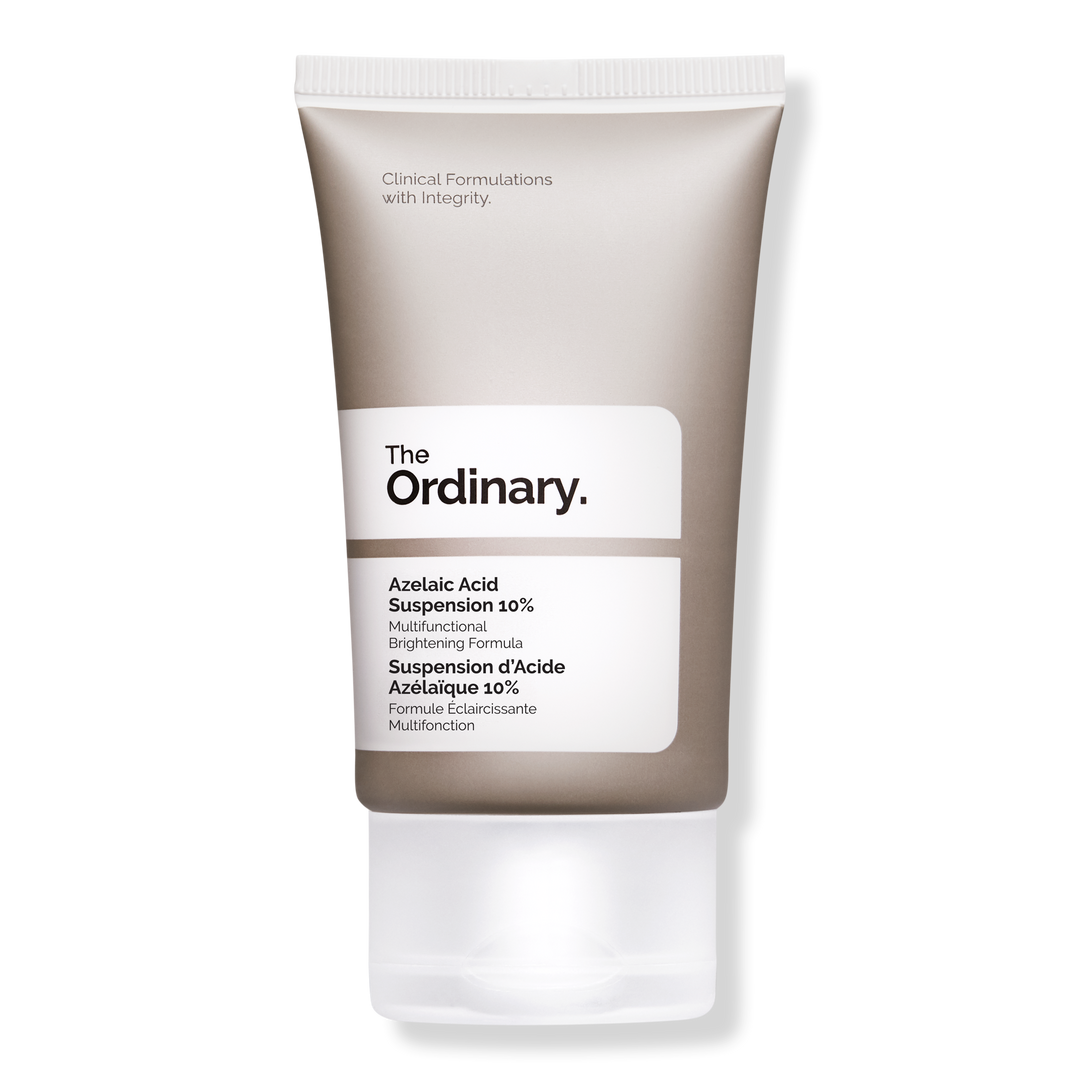
Best Azelaic Acid for Beginners
The Ordinary Azelaic Acid Suspension 10%
Azelaic Acid Cream Suspension | $12.20
Shop The Ordinary Azelaic Acid Suspension 10% at Ulta →
The Ordinary's Azelaic Acid Suspension 10% helps improve the appearance of uneven skin tone, blemishes and rough texture in one easy step. The lightweight, cream-like formula contains 10% azelaic acid to support a smoother, more even-looking complexion. Apply a thin layer to clean, dry skin, following the product's directions. Start with a small amount, especially if you're new to azelaic acid.
Key specs: 10% Azelaic Acid · Cream Suspension · Uneven Skin Tone · Blemish-Prone Skin
Why we recommend it: An affordable introduction to azelaic acid that addresses multiple skin concerns without requiring a complicated routine. Particularly useful for anyone looking to improve uneven texture and post-blemish discoloration.
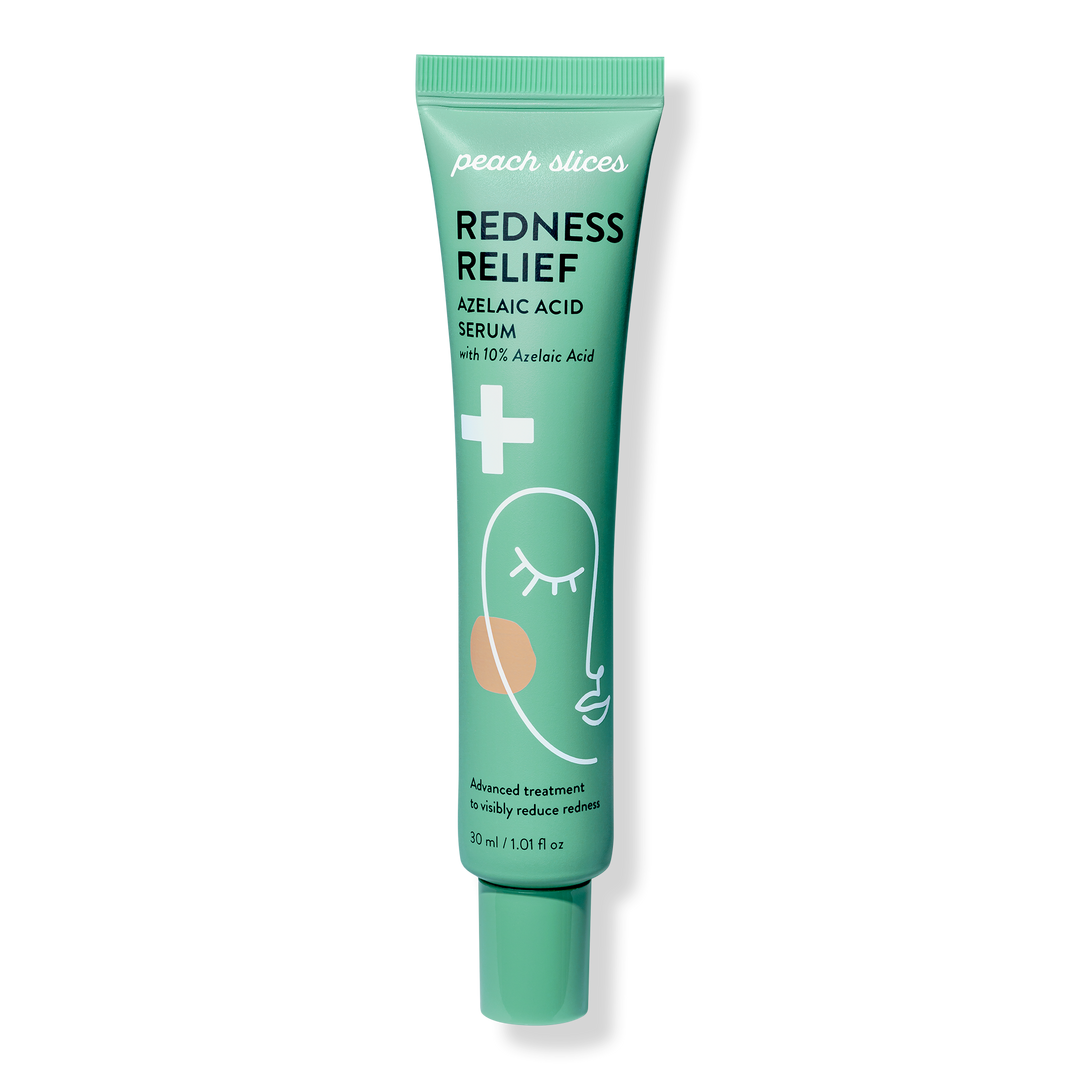
Best Azelaic Acid for Redness
Peach Slices Redness Relief Azelaic Acid Serum
Redness-Reducing Face Serum | $19.99
Shop Peach Slices Redness Relief Azelaic Acid Serum at Ulta →
Peach Slices' Redness Relief Azelaic Acid Serum combines 10% azelaic acid with soothing ingredients like centella asiatica, panthenol and green algae to help improve the appearance of visible redness and uneven skin tone. The lightweight serum fits into a daily skincare routine and is especially appealing for skin that experiences occasional redness or blemishes. Apply to clean skin and follow with moisturizer to help maintain hydration.
Key specs: 10% Azelaic Acid · Centella Asiatica · Panthenol · Visible Redness · Uneven Skin Tone
Why we recommend it: A targeted formula that pairs azelaic acid with skin-conditioning ingredients. Particularly useful for those looking to address visible redness while keeping their skincare routine simple.
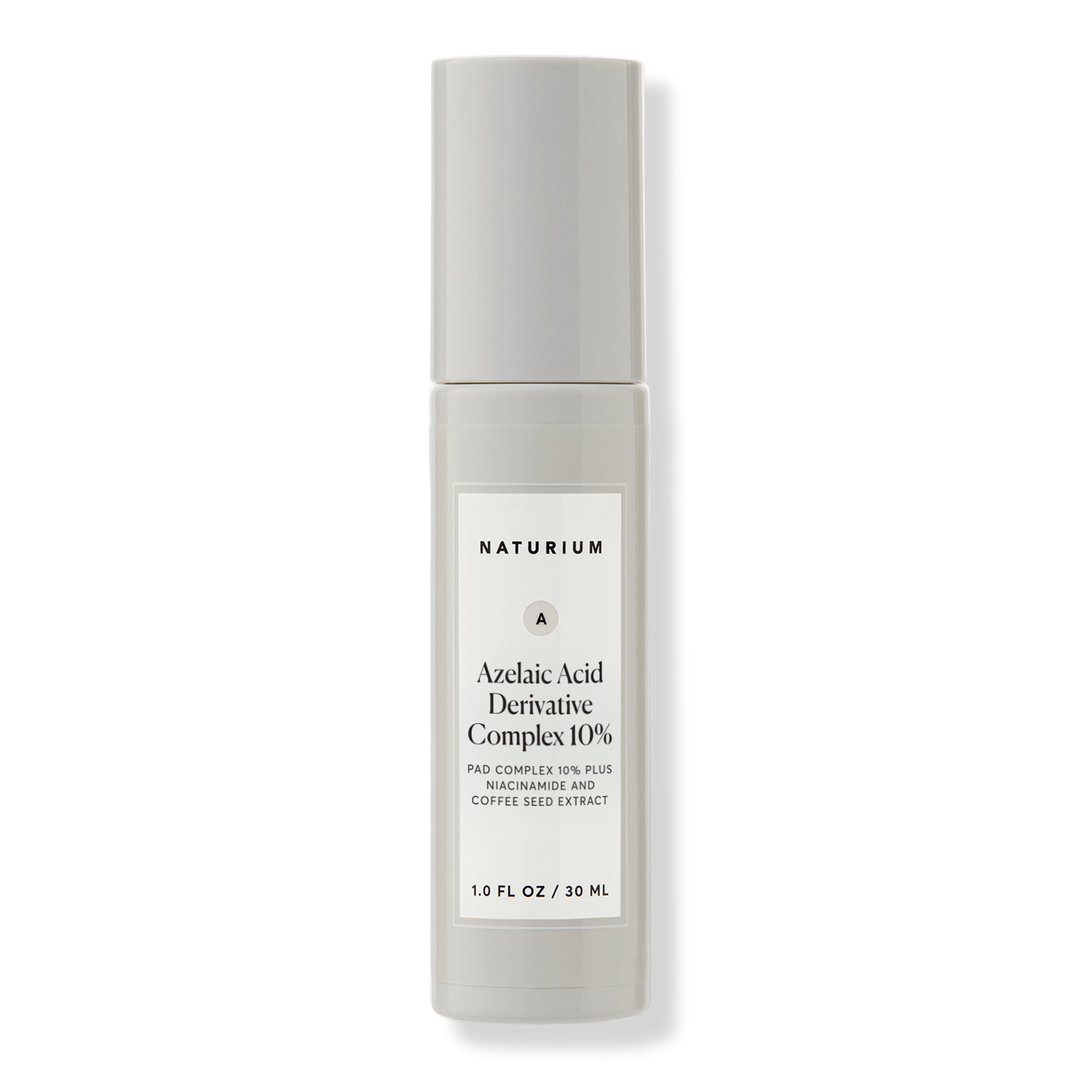
Best Azelaic Acid Derivative for Uneven Skin Tone
Naturium Azelaic Acid Derivative Complex 10%
Brightening Face Serum | $19.99
Shop Naturium Azelaic Acid Derivative Complex 10% at Ulta →
Naturium's Azelaic Acid Derivative Complex 10% combines an azelaic acid derivative with niacinamide, a vitamin C derivative and coffee seed extract to help improve the appearance of uneven skin tone, dullness and excess oil. The lightweight serum offers a multitasking approach to skincare, making it especially practical for anyone looking to address multiple complexion concerns in one step. Apply as directed and follow with moisturizer and daytime sunscreen.
Key specs: 10% Azelaic Acid Derivative Complex · Niacinamide · Vitamin C Derivative · Uneven Skin Tone · Excess Oil
Why we recommend it: A multitasking serum that combines several ingredients associated with a more even-looking complexion. Particularly useful for those concerned with dullness, discoloration and excess oil. Unlike traditional azelaic acid formulas, this product uses an azelaic acid derivative, so its 10% concentration should not be considered equivalent to 10% pure azelaic acid.
What ingredients can you use with azelaic acid?
Azelaic acid can complement other skincare ingredients, but pairing products thoughtfully helps minimize irritation.
Azelaic acid and niacinamide
Azelaic acid and niacinamide can be a great pairing for people concerned about uneven skin tone, visible redness and excess oil.
Niacinamide helps support the skin barrier, while azelaic acid addresses several factors associated with blemishes and discoloration.
Azelaic acid and vitamin C
Azelaic acid and vitamin C can both help improve the appearance of uneven skin tone and dark spots.
However, some vitamin C formulas can be irritating, especially when combined with other active ingredients.
If you're new to either ingredient, consider using vitamin C in the morning and azelaic acid at night, provided both product labels allow it.
Azelaic acid and retinol
Azelaic acid and retinol may complement each other for concerns like blemishes, texture and uneven tone.
However, using both in the same routine can increase the risk of dryness or irritation.
Start by alternating nights and follow individual product directions. Some manufacturers specifically advise against using their azelaic acid formulas with retinoids in the same routine.
Azelaic acid and salicylic acid
Azelaic acid and salicylic acid both help address blemish-prone skin, but they work differently.
Salicylic acid is a beta hydroxy acid (BHA) that helps exfoliate inside oily pores. Azelaic acid has anti-inflammatory and antibacterial properties and helps normalize skin-cell turnover.
Using both may be too much for sensitive skin. Consider alternating days rather than layering them together.
Azelaic acid and hyaluronic acid
This pairing is all about balance.
Hyaluronic acid helps attract and retain moisture, making it a helpful addition to routines that include azelaic acid.
Apply products according to their texture and directions, typically using lightweight hydrating serums before thicker creams.
Frequently asked questions about azelaic acid
What does azelaic acid do for your face?
Azelaic acid helps address acne, uneven skin tone, hyperpigmentation and certain symptoms of rosacea. Its antibacterial, anti-inflammatory and skin-smoothing properties make it a versatile ingredient for several common skin concerns.
How long does azelaic acid take to work?
Results depend on the concentration, formulation and concern being treated. Some people notice improvements in acne or inflammatory bumps within four to eight weeks. Dark spots and uneven pigmentation may take eight to 12 weeks or longer to visibly improve. Consistent use is important, and results aren't guaranteed.
Can you use azelaic acid every day?
Yes, many azelaic acid products are designed for daily use. However, beginners and people with sensitive skin may benefit from starting a few times per week and gradually increasing frequency. Follow the directions for your specific formula.
Does azelaic acid cause purging?
Azelaic acid can cause temporary irritation, dryness or new-looking bumps, but a so-called skin purge isn't an inevitable or well-established effect. If you experience worsening breakouts, persistent burning or a rash, stop using the product and consult a dermatologist.
Is azelaic acid good for sensitive skin?
Azelaic acid can be suitable for some people with sensitive skin, but tolerance varies. Look for gentle formulations, introduce the ingredient gradually and avoid combining several potentially irritating treatments at once.
Is azelaic acid better than salicylic acid?
Neither ingredient is universally better. Salicylic acid is often used for blackheads, excess oil and clogged pores, while azelaic acid can be particularly useful for inflammatory blemishes, post-acne dark marks and certain rosacea symptoms. The best choice depends on your skin concerns.
Does azelaic acid help with acne scars?
Azelaic acid may help fade post-inflammatory hyperpigmentation, which appears as flat dark marks after acne heals. However, it doesn't repair indented or raised acne scars. Those typically require different treatments.
Can you use azelaic acid while pregnant?
Azelaic acid is generally considered a lower-risk topical skincare ingredient during pregnancy and is often discussed as an alternative to ingredients such as retinoids. However, check with your healthcare professional before starting or continuing an acne or pigmentation treatment while pregnant or breastfeeding.
Is azelaic acid an exfoliant?
Azelaic acid helps normalize skin-cell turnover and can improve uneven texture, but it isn't classified as an AHA or BHA. Its effects go beyond exfoliation, including antibacterial, anti-inflammatory and pigmentation-related activity.
What should you avoid mixing with azelaic acid?
There isn't one universal list of incompatible ingredients. However, layering azelaic acid with strong exfoliating acids, retinoids or certain vitamin C formulas may increase irritation. Always check the specific product's directions and introduce new active ingredients gradually.
Related content: Best Pimple Patches, Summer Skin Care Sets, LED Face Masks Benefits, Beginners Skin Care Routine, Microcurrent Facial Benefits, Slugging in Skin Care, How to Use Retinol for Beginners?
Explore more Skin Care Buying Guides and Beauty Education Articles.