How to use retinol for the first time without skin irritation: the complete beginner’s guide
By Ulta Beauty Advisors · Published August 2026
All products featured are available at Ulta Beauty. Ulta Beauty Advisors select products independently. Prices and availability are subject to change.
Retinol is one of the most researched, results-driven ingredients in skin care, and one of the easiest to misuse when you're just starting out. The key to using retinol for the first time without irritating your skin is to start with a low concentration (0.025%--0.1%), apply it just once a week and always layer a moisturizer on top. Go slow, be consistent and your skin will thank you for it.
What is retinol and how does it work?
Retinol is a form of vitamin A that works by speeding up your skin's natural cell turnover, the process of shedding old cells and generating fresh ones. As retinol penetrates the skin, it signals cells to renew faster and stimulates collagen production, which is why it's associated with softer texture, more even tone and visibly reduced fine lines over time. It also helps unclog pores, making it a solid option for breakout-prone skin.
Retinol vs. prescription retinoids (like tretinoin)
Both are vitamin A derivatives, but they're not the same thing. Over-the-counter retinol is milder because your skin has to convert it into retinoic acid before it can get to work, a multi-step process that takes time but also reduces the chance of irritation. Prescription tretinoin skips those conversion steps, which makes it more potent and faster-acting, but also more likely to cause redness and peeling. For beginners, OTC retinol is the right starting place.
How long does retinol take to work?
Results take time. Expect at least 6--12 weeks of consistent use before you see meaningful changes and up to six months for the full picture. That's not a flaw; that's how skin works.
Why beginners experience irritation (and how to prevent it)
Skin irritation from retinol is common, and it even has a nickname in the beauty community: the "retinol uglies." We're talking dryness, redness, flakiness and that tight, sensitive feeling. Here's what typically causes it, and how to stay ahead of it.
Starting with too high a concentration. Jumping straight to a 0.5% or 1% formula is one of the most common beginner mistakes. Higher percentages are more potent, but they also overwhelm skin that hasn't built up a tolerance yet.
Applying too frequently, too soon. Using retinol every night from day one is asking for trouble. Your skin needs time to adjust before you increase frequency.
Skipping or underusing moisturizer. Retinol accelerates cell turnover, and that process can disrupt your skin barrier. Without enough moisture, flakiness and tightness set in fast.
Layering incompatible ingredients. Using retinol in the same routine as AHAs (like glycolic or lactic acid), BHAs (like salicylic acid) or vitamin C can amplify irritation. These actives are best used at different times of day or on alternating days.
The good news? All of this is completely preventable. It's not about whether retinol will work for you. It's about introducing it in a way your skin can handle.
Step-by-step: how to introduce retinol into your routine for the first time
Step 1: Choose the right starting concentration
Look for products labeled 0.025%, 0.05% or 0.1%. These beginner-friendly concentrations are widely available at Ulta Beauty across drugstore and prestige price points. Once your skin has adjusted over several months, you can gradually step up to 0.3% or 0.5%.
Choose lower (0.025%--0.05%) when: your skin is dry, sensitive or prone to redness.
Choose mid-range (0.1%) when: your skin is normal to oily and less reactive.
Step 2: Start with once-a-week application and build gradually
Week one through two: apply retinol once a week. If your skin handles it well (minimal redness, no significant peeling), move to twice a week for weeks three and four. From there, work up toward every other night, then nightly if your skin tolerates it. There's no prize for rushing.
Step 3: Apply to clean, dry skin and wait 20--30 minutes after washing
Damp skin increases the absorption rate of retinol, which sounds like a bonus but actually just increases irritation risk. Wash your face with a gentle, non-stripping cleanser, pat dry and then wait 20--30 minutes before applying retinol. This waiting step is widely recommended by dermatologists as a straightforward way to reduce the likelihood of redness and sensitivity.
Step 4: Use a pea-sized amount for the entire face
More product does not mean more results. A pea-sized amount (literally the size of a small pea) is enough to cover your entire face. Dot it across your forehead, cheeks and chin, then gently blend outward. Keep it away from the corners of your nose, eyes and mouth, where skin is thinnest and most sensitive.
Step 5: Layer a moisturizer on top (or use the sandwich method)
Once retinol is absorbed, follow with a nourishing, fragrance-free moisturizer. For extra-sensitive skin, try the sandwich method (more on that below). Look for formulas with hyaluronic acid, ceramides or niacinamide, which support the skin barrier while retinol does its work.
Step 6: Always use SPF the next morning
Retinol makes skin more sensitive to UV rays, which means sun exposure can undo your progress and cause more damage than you started with. Apply a broad-spectrum SPF 30 or higher every single morning. This is non-negotiable when you're using retinol.
Step 7: Be patient and evaluate results at the 6--12 week mark
Retinol is a long game. Give it at least six weeks before deciding it's not working, and ideally 12 weeks for a fair assessment. Take a photo on day one and compare at week eight. Subtle improvements are easy to overlook in the mirror but obvious in a side-by-side.
The retinol sandwich method explained
The sandwich method is exactly what it sounds like: moisturizer → retinol → moisturizer. The bottom layer of moisturizer creates a light buffer that slows absorption, reducing the chance of irritation without canceling out retinol's benefits. The top layer seals in hydration and helps counteract the dryness that retinol can cause.
Who it's best for: The sandwich method is ideal for very sensitive or dry skin types, or for anyone who's experienced irritation with retinol before. If your skin adjusts well after a few weeks, you can try skipping the bottom layer and just moisturizing after.
How to do it:
Apply a light, fragrance-free moisturizer to clean skin.
Wait a minute or two for it to partially absorb.
Apply your pea-sized amount of retinol on top.
Follow with another layer of moisturizer to finish.
What to avoid when using retinol for the first time
A few combinations and habits that tend to derail beginner retinol routines:
AHAs and BHAs in the same routine. Glycolic acid, lactic acid and salicylic acid are all effective exfoliants, but layering them with retinol in the same session is too much for most skin. Use exfoliating acids in the morning and retinol at night, or alternate the nights you use each.
Vitamin C at night. Vitamin C is best used in the morning anyway (it helps protect skin from environmental stressors throughout the day). Keep it separate from your nighttime retinol routine.
Benzoyl peroxide. Using benzoyl peroxide and retinol together can cause significant irritation for many people. If you use both for acne, apply them at different times of day to reduce the risk.
Over-exfoliating. Retinol is already increasing cell turnover, so you don't need to add physical scrubs or extra chemical exfoliation on top.
Skipping SPF. Mentioned in the steps above, and worth repeating: retinol increases UV sensitivity, and going without sunscreen undermines the progress you're making and raises your risk of UV damage.
Applying near the eye area without care. The skin around your eyes is thinner and more delicate. Use a dedicated retinol eye product or keep your regular retinol a safe distance from your orbital bone. Never apply directly to the eyelid.
The best beginner retinol products at Ulta Beauty
Not sure where to start? Here are standout picks across every category and budget, all available at Ulta Beauty.
Best beginner retinol serums
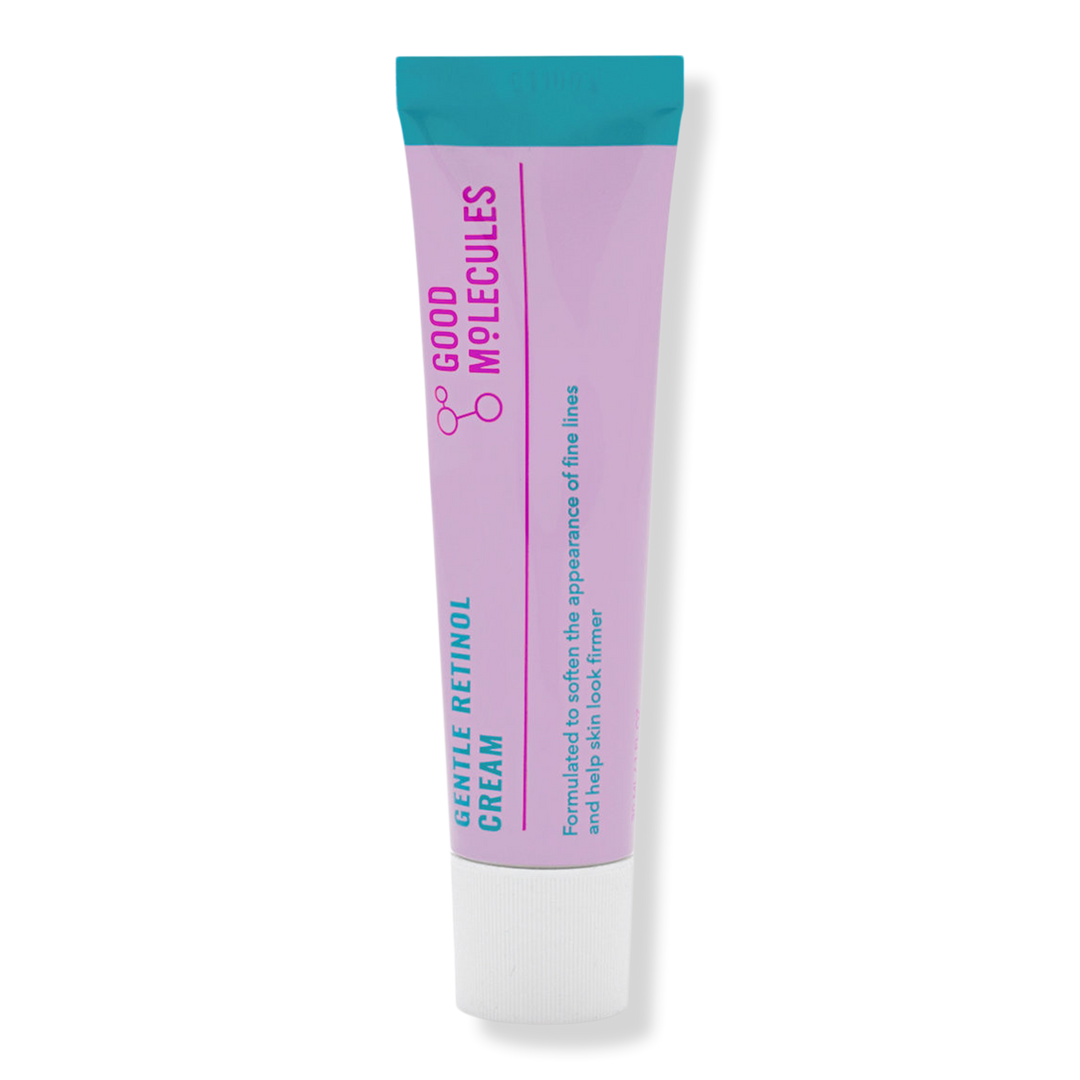
Good Molecules 1% Retinol Night Oil
Gentle Retinol Serum | $12.00
Shop Good Molecules 1% Retinol Night Oil at Ulta →
A great option for beginners who are ready to introduce a higher-strength retinol into their nighttime routine. This 1% retinol night oil combines the benefits of retinol with an oil-based formula, making it a good choice for those looking to take the next step in their retinol journey while keeping their routine simple.
Key specs: 1% Retinol · Nighttime Formula · Oil-Based · Beginner-Friendly
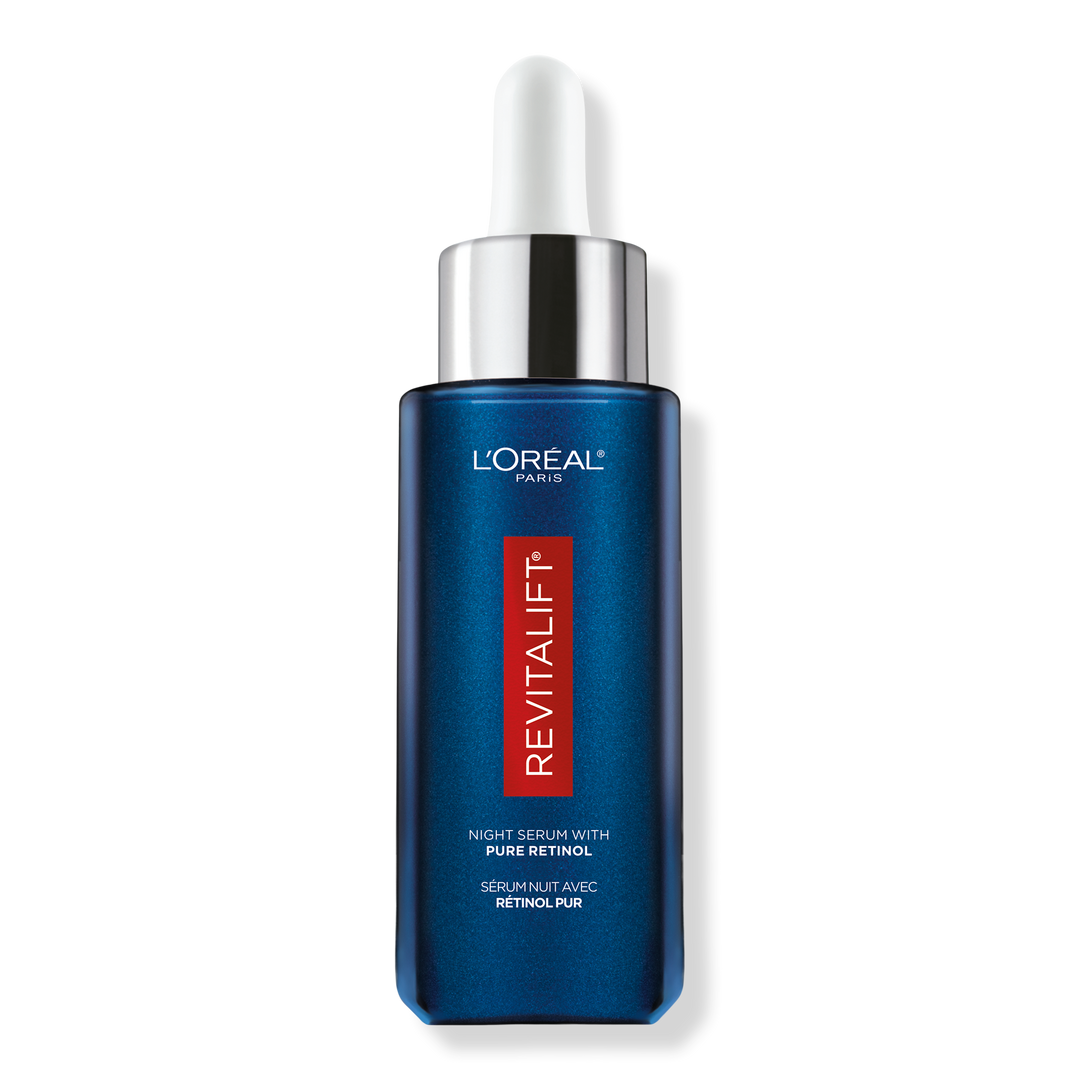
L'Oréal Revitalift Derm Intensives Night Serum with 0.3% Pure Retinol
Retinol Night Serum | $39.99
Shop L'Oréal Revitalift Derm Intensives Night Serum with 0.3% Pure Retinol at Ulta →
The 0.3% strength sits in a useful middle zone, stronger than most starter formulas, but not so potent that it overwhelms skin still building tolerance. A reliable bridge from beginner to intermediate.
Key specs: 0.3% Pure Retinol · Dermatologist-Tested · Fragrance-Free · Night Use
Ulta Beauty Advisor Tip: This is the natural next step after a low-concentration starter. Give your skin 4--6 weeks at a beginner formula before moving up to this one.
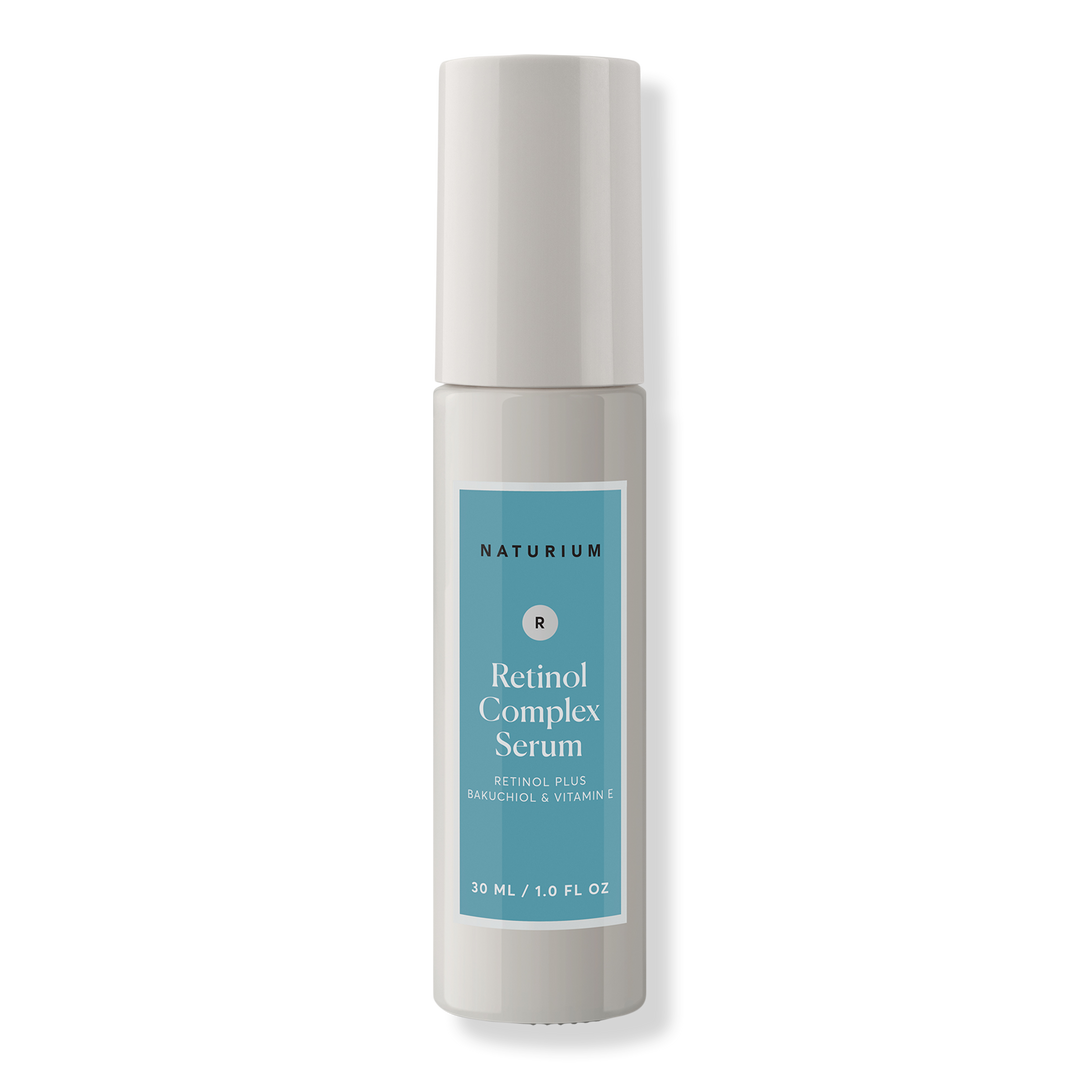
Naturium Retinol Complex Serum
Retinol Serum | $20.99
Shop Naturium Retinol Complex Serum at Ulta →
A newer but well-reviewed formula that delivers retinol alongside skin-supportive actives at a price point that makes consistent daily use easy to commit to. Naturium has built a reputation for punching well above its price. A strong choice if you want a complete formula without paying prestige prices.
Key specs: Retinol Complex · Skin-Supportive Actives
Ulta Beauty Advisor Tip: Naturium is a brand worth knowing. Their ingredient-forward philosophy makes this serum a smart buy for anyone who wants transparency about what's in the formula.
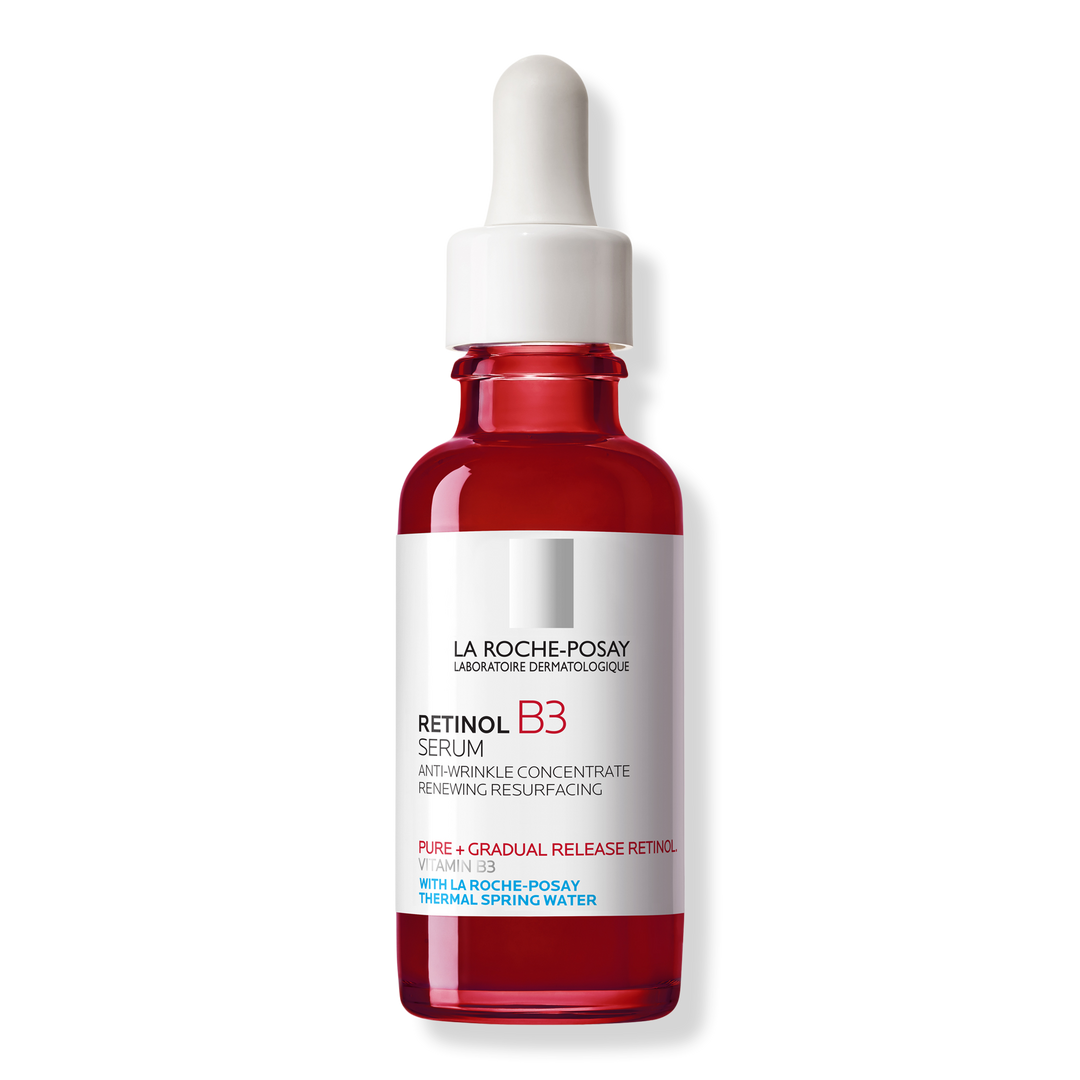
La Roche-Posay Retinol B3 Face Serum
Retinol + Niacinamide Serum | $46.99
Shop La Roche-Posay Retinol B3 Face Serum at Ulta →
This serum pairs retinol with niacinamide (vitamin B3). Niacinamide actively helps buffer irritation and supports the skin barrier while retinol increases cell turnover: a combination designed to deliver results without the harsh adjustment period. If your skin tends toward redness or reactivity, this is the serum to start with.
Key specs: Retinol + Niacinamide (B3) · Sensitive-Skin Formulation · Fragrance-Free
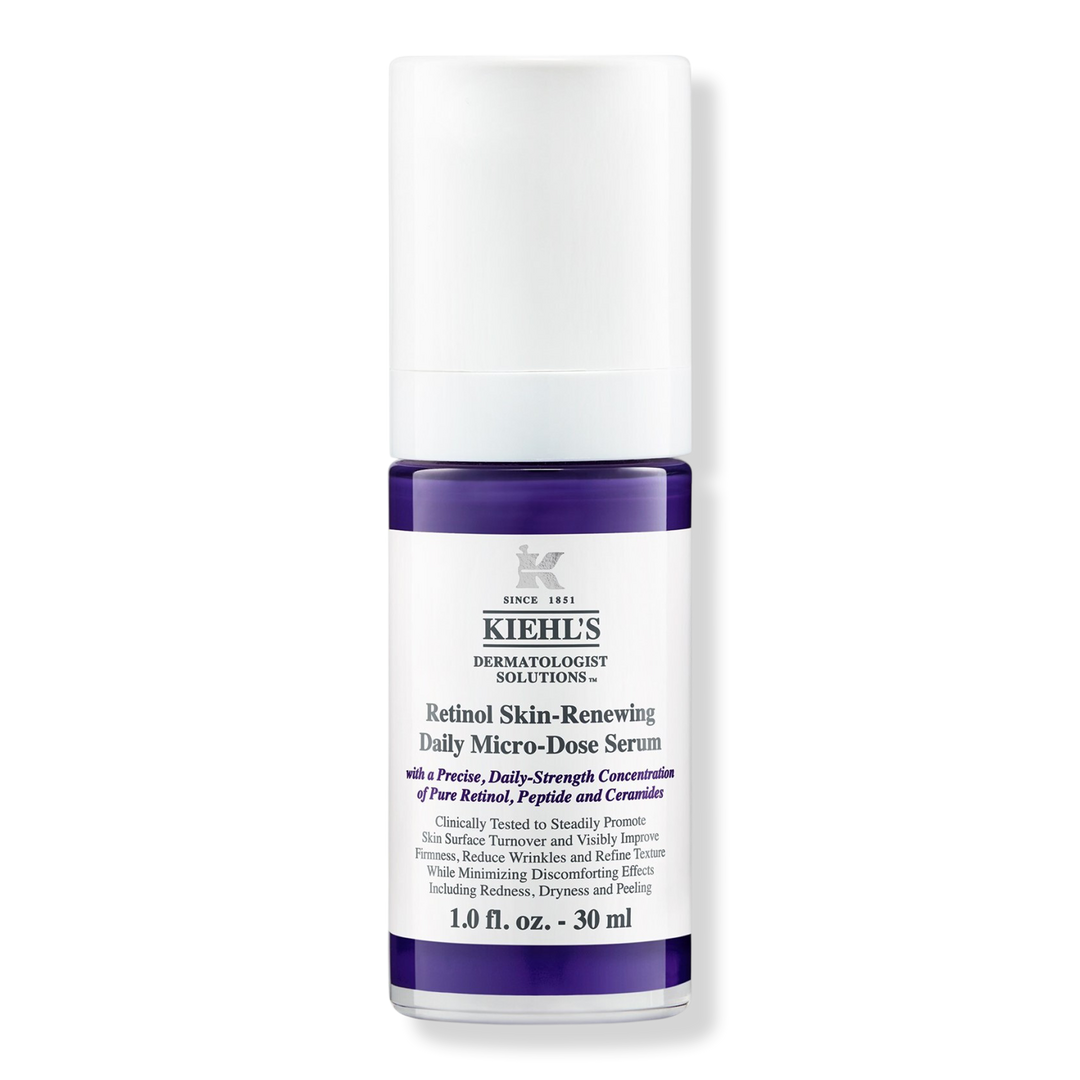
Kiehl's Micro-Dose Anti-Aging Retinol Serum
Micro-Dose Retinol Serum | $65.00
Shop Kiehl's Micro-Dose Anti-Aging Retinol Serum at Ulta →
Kiehl's micro-dosing approach delivers retinol in smaller, encapsulated bursts over time rather than all at once, which significantly reduces the irritation risk without sacrificing efficacy. The result is a prestige formula engineered specifically for sensitive-skin beginners who want real retinol performance at a higher price point
Key specs: Encapsulated Micro-Dose Retinol · 4.6 Stars · 1,600+ Reviews · Prestige Formula · Sensitive-Skin Suitable
Ulta Beauty Advisor Tip: The encapsulated delivery is designed to release retinol gradually rather than all at once, which is the reason this formula is gentler for sensitive skin than standard retinol serums at a similar strength.
Best beginner retinol moisturizers
Good Molecules Gentle Retinol Cream
Retinol Cream | $8.00
Shop Good Molecules Gentle Retinol Cream at Ulta →
It earns a spot in both categories for a reason. For absolute beginners, starting with a retinol-infused moisturizer rather than a concentrated serum is a gentler on-ramp. You get the active ingredient with built-in hydration, at a dose that's less likely to overwhelm skin still adjusting to retinol for the first time.
Key specs: Low-Concentration Retinol · Built-In Hydration · Fragrance-Free · Beginner-Friendly
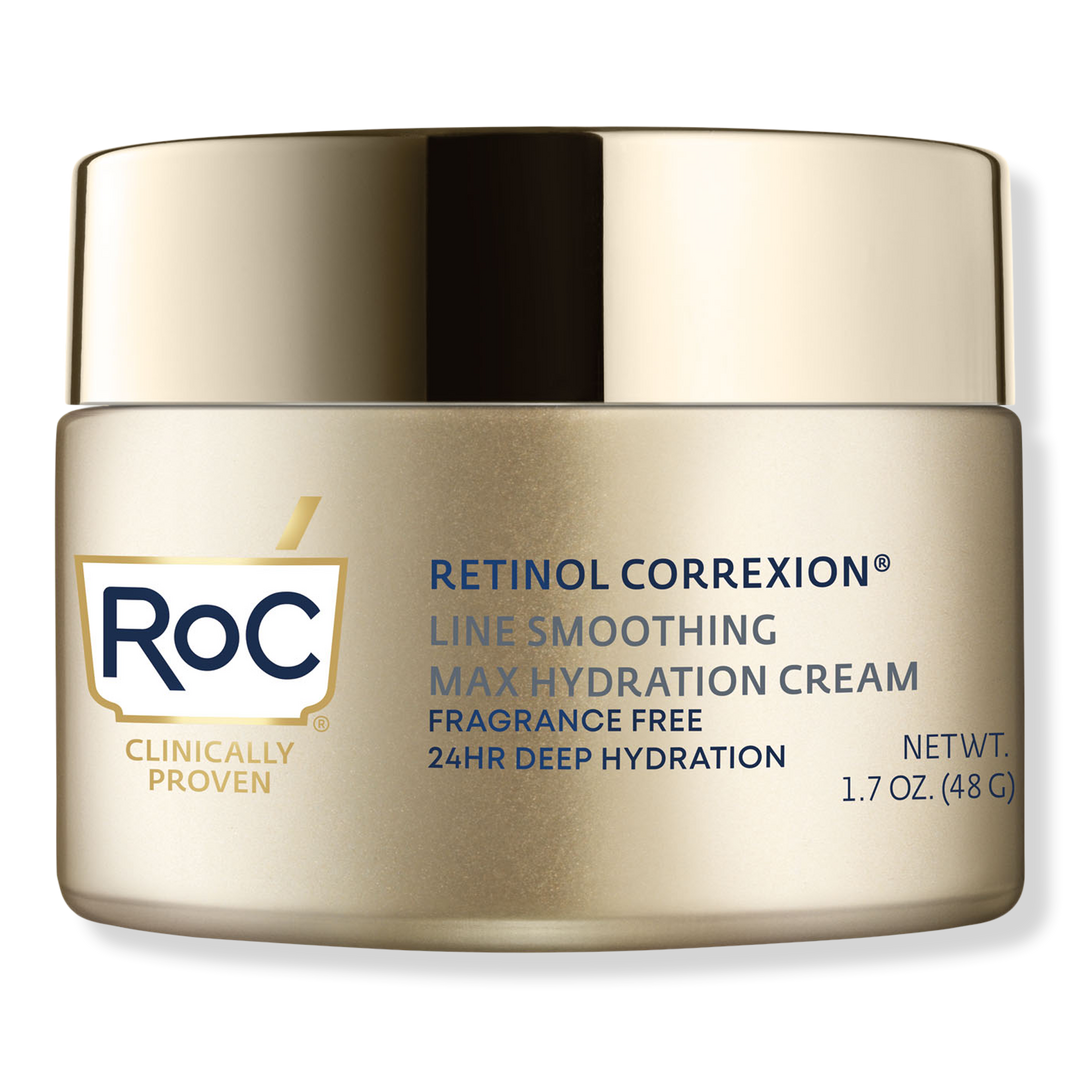
RoC Retinol Correxion Max Daily Hydration Crème
Retinol Moisturizer | $37.99
Shop RoC Retinol Correxion Max Daily Hydration Crème at Ulta →
The Max Daily Hydration formula balances retinol's cell-turnover activity with deep moisture, which is exactly what skin needs during the adjustment phase. A reliable, well-proven formula at a price that makes long-term use easy to sustain.
Key specs: Retinol · Deep Moisture
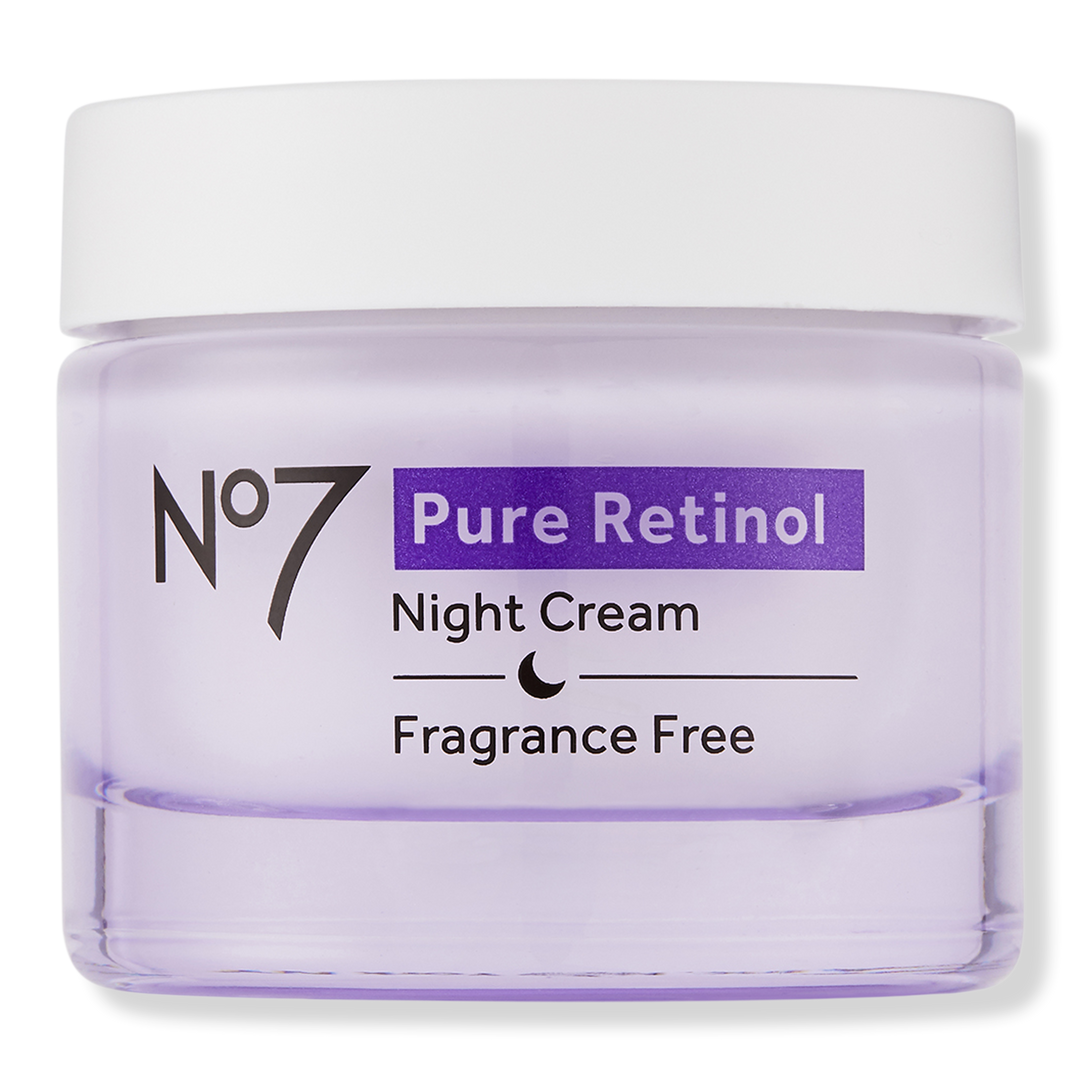
No7 Pure Retinol Night Repair Cream
Retinol Night Cream | $39.99
Shop No7 Pure Retinol Night Repair Cream at Ulta →
A well-regarded mid-range option from a brand with deep roots in skin care. No7 brings a research-driven approach to over-the-counter retinol, making this a strong choice for anyone who wants a brand with serious longevity in the space.
Key specs: Pure Retinol · Overnight Repair
Ulta Beauty Advisor Tip: No7 has a long track record in skin care. If you want a mid-range retinol cream from a brand with serious longevity in the space, this is a solid place to land.
Best retinol eye creams for beginners
The skin around the eye area is significantly thinner and more sensitive than the rest of your face. Never apply your face retinol directly to the eyelid or under-eye. These dedicated eye formulas are designed for that delicate zone.
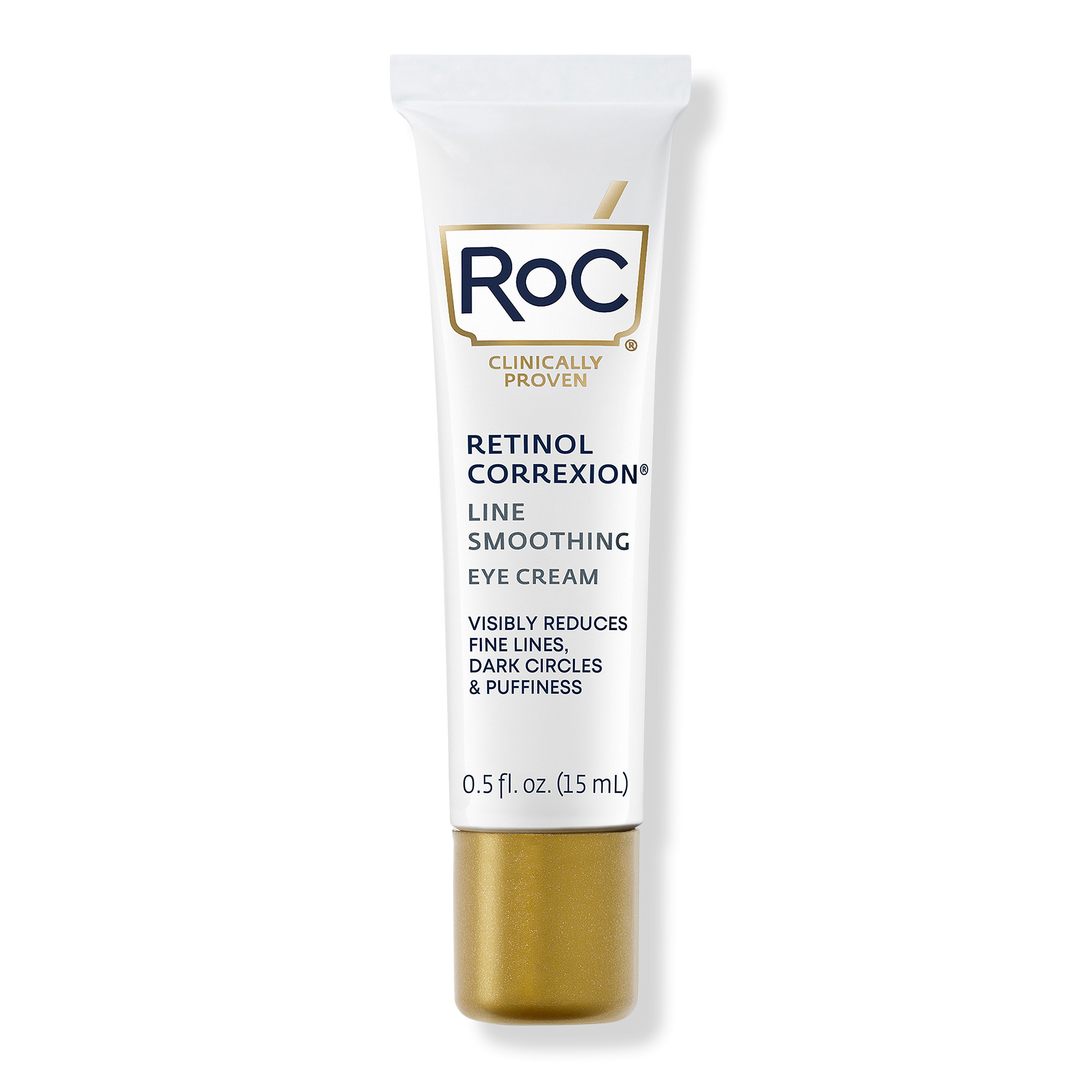
RoC Retinol Line Smoothing Eye Cream
Retinol Eye Cream | from $29.99
Shop RoC Retinol Line Smoothing Eye Cream at Ulta →
Accessible, effective, and formulated specifically for the thinner skin around the eye, this is the safest and most proven starting point for anyone new to retinol eye treatments. The entry-level price makes it easy to try without a significant investment.
Key specs: Retinol · Targets Dark Circles + Fine Lines
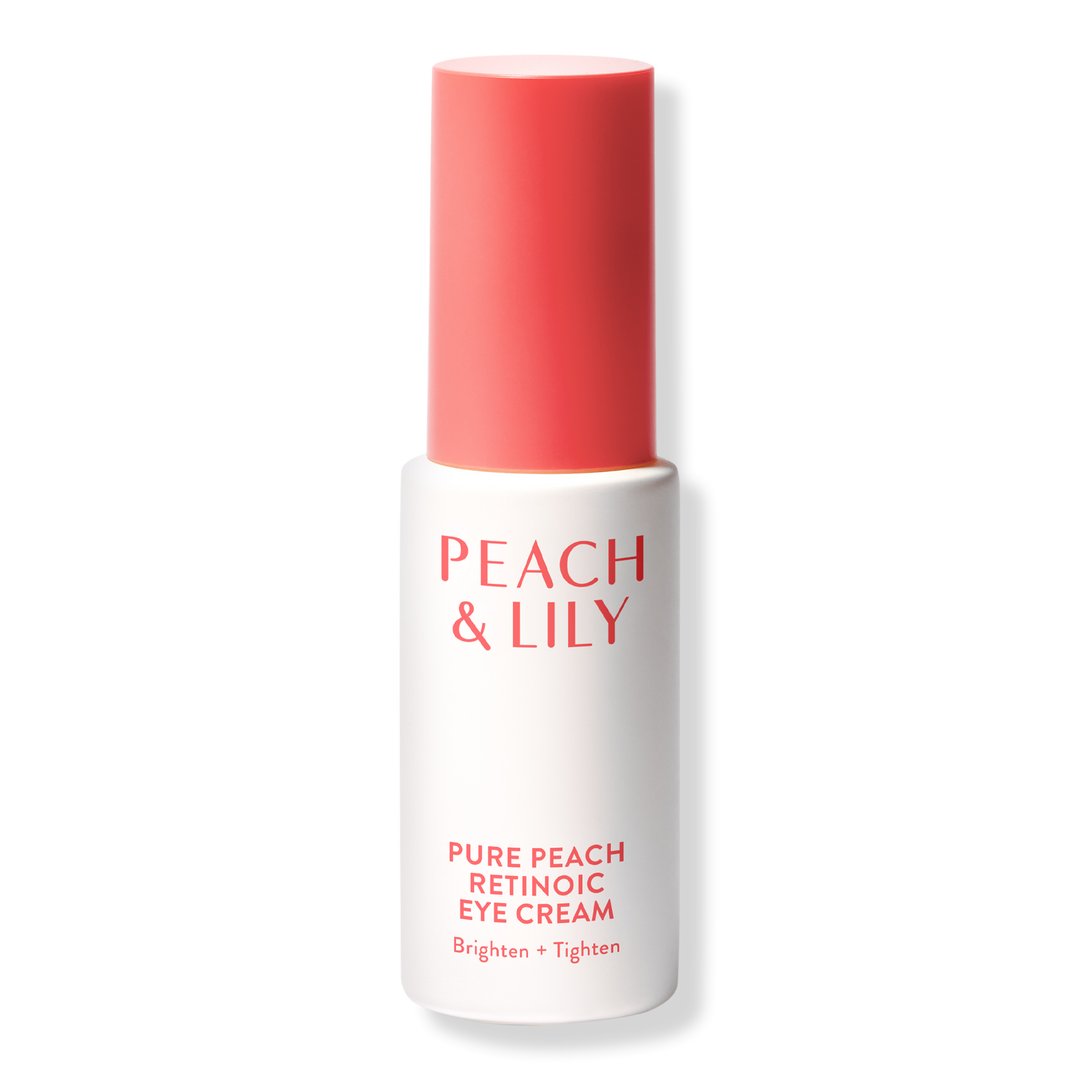
PEACH & LILY Pure Peach Retinoic Eye Cream
Retinoic Eye Cream | $43.00
Shop PEACH & LILY Pure Peach Retinoic Eye Cream at Ulta →
Peach & Lily's approach layers skin-softening botanicals with retinol for visible improvement in fine lines and dark circles, with a formula calibrated to be gentle enough for the delicate under-eye zone.
Key specs: Retinoic Acid · Skin-Softening Botanicals · Only at Ulta
Ulta Beauty Advisor Tip: Because this is a retinoic acid formula rather than retinol, it's slightly more potent. Start by using it every other night and build up from there.
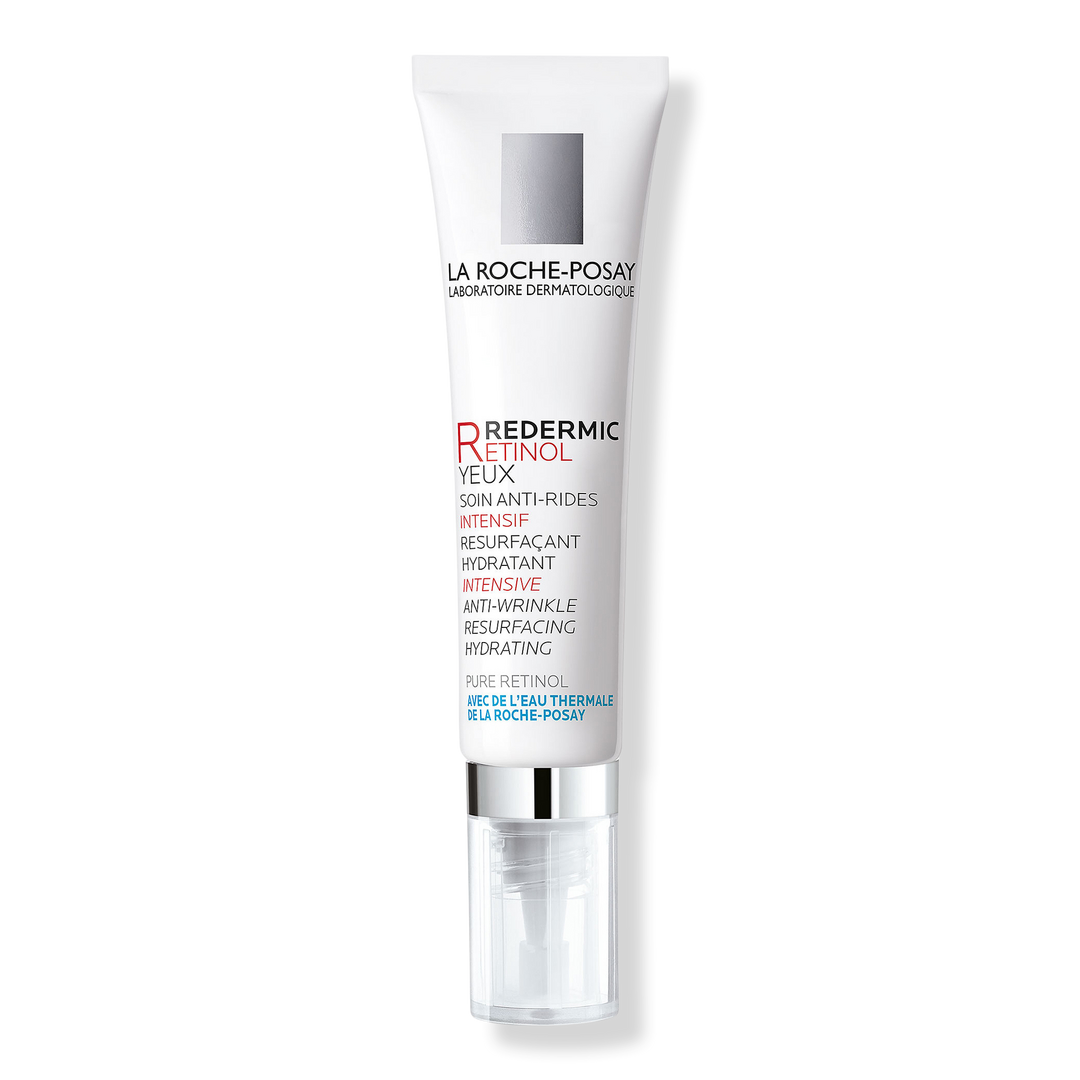
La Roche-Posay Redermic R Anti-Aging Retinol Eye Cream
Retinol Eye Cream | $49.99
Shop La Roche-Posay Redermic R Anti-Aging Retinol Eye Cream at Ulta →
This formula is focused on gentleness without sacrificing efficacy. When the skin around your eyes is reactive to most things, a brand like La Roche-Posay with a sensitive-skin focus is the right place to look.
Key specs: Retinol · Fragrance-Free
Not ready for retinol? Try these gentler alternatives
If your skin is very sensitive or you want to ease in even more gradually, retinol alternatives deliver many of the same skin-renewing benefits with less potential for irritation.
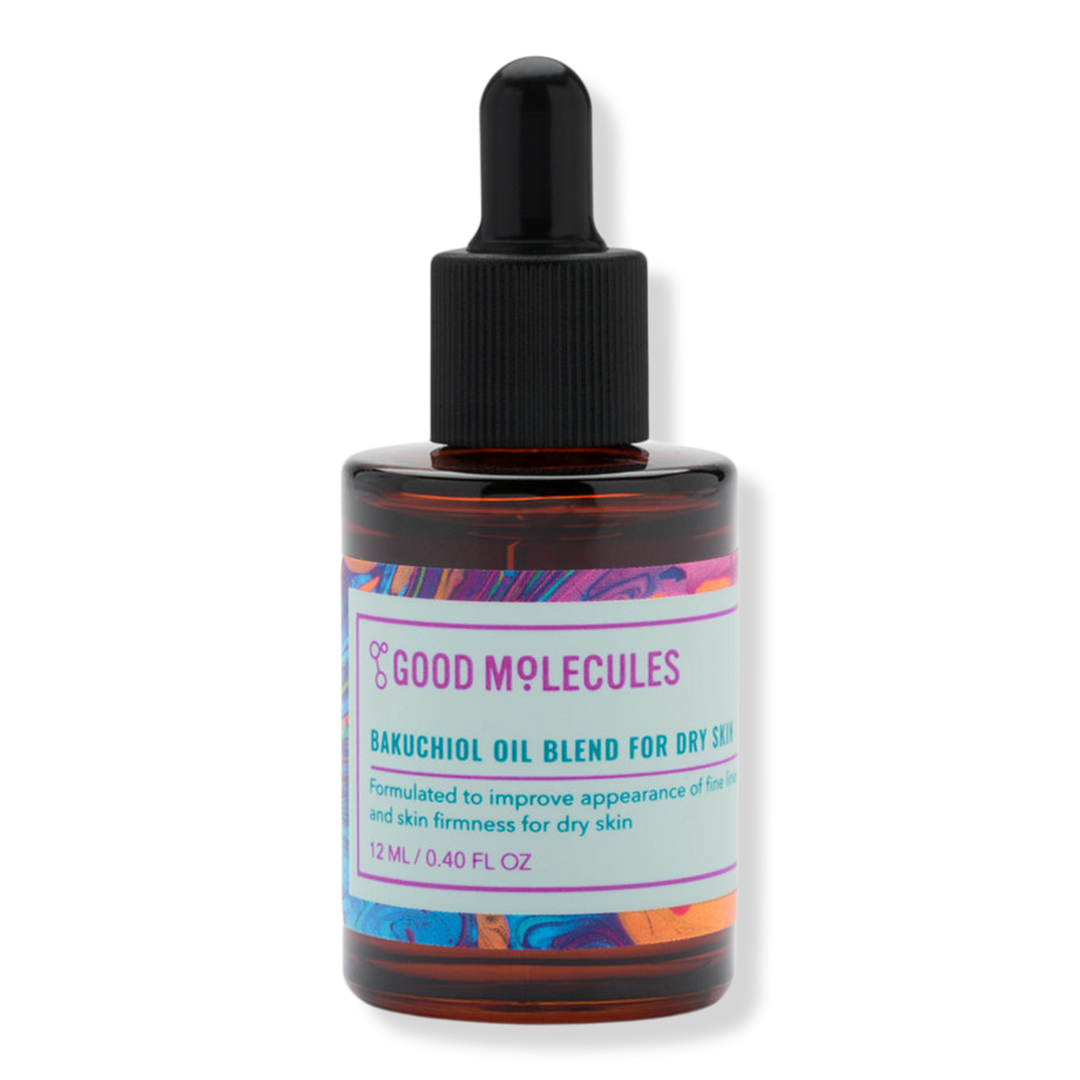
Good Molecules Bakuchiol Oil Blend
Bakuchiol Facial Oil (Only at Ulta) | $10.00
Shop Good Molecules Bakuchiol Oil Blend at Ulta →
Bakuchiol is a plant-derived ingredient studied for its ability to support skin cell turnover with less dryness and photosensitivity than retinol. It's a well-regarded option for anyone whose skin simply doesn't tolerate retinol, and this oil-based formula is ideal for sensitive or dry skin types who still want to address texture and fine lines with a lower risk of irritation.
Key specs: Bakuchiol · No Photosensitivity · Dry Skin Formula · Only at Ulta
Ulta Beauty Advisor Tip: If retinol has caused problems for your skin in the past, bakuchiol is a gentler option worth trying. It works differently but targets many of the same skin concerns.
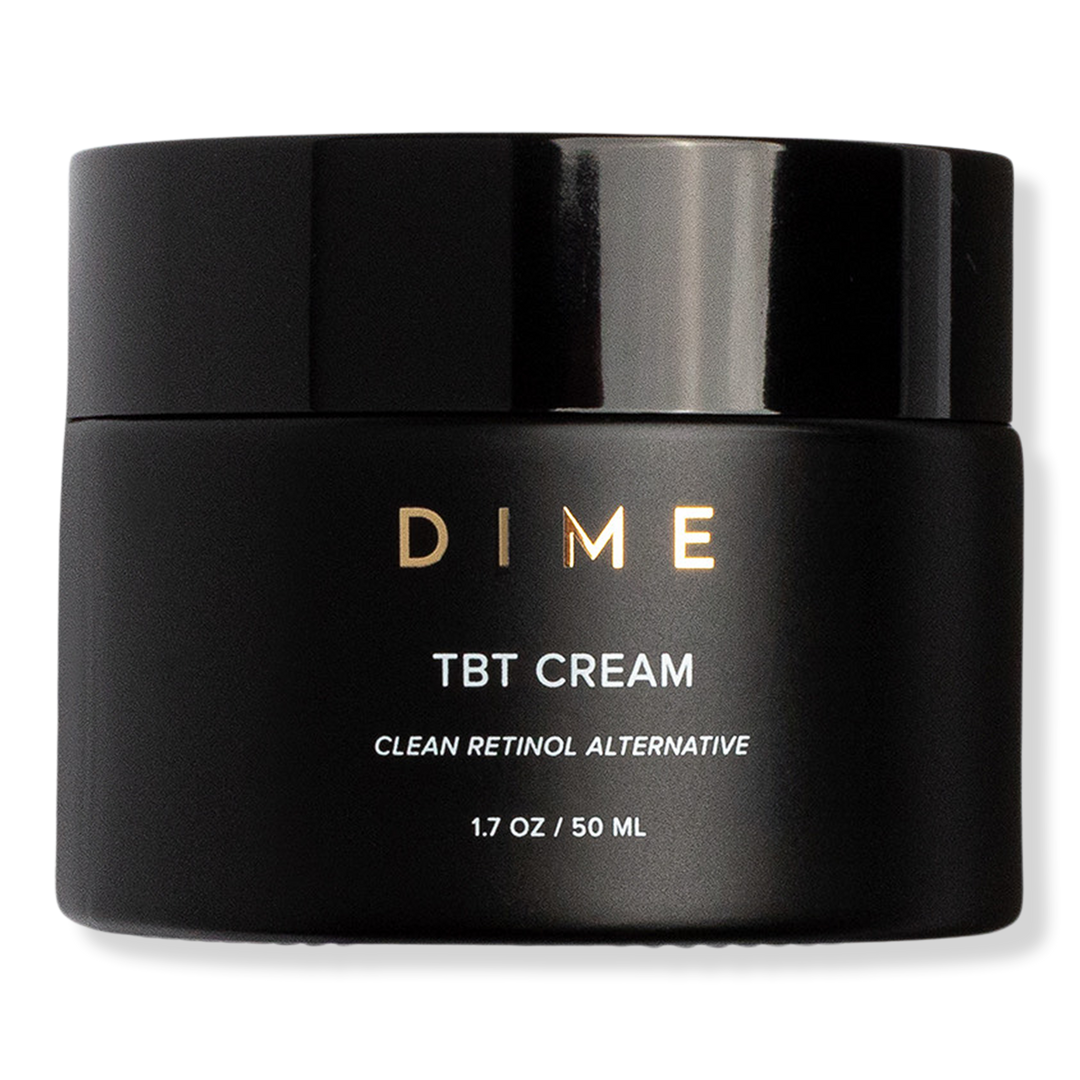
DIME TBT Cream to Renew + Refresh
Retinol-Alternative Renewal Cream (Only at Ulta) | $40.00
Shop DIME TBT Cream to Renew + Refresh at Ulta →
DIME's TBT Cream uses a retinol-alternative complex formulated to support skin texture and tone, and with ratings like these, it's a compelling option for anyone who wants to skip retinol's adjustment period entirely.
Key specs: Retinol-Alternative Complex · No Adjustment Period · Only at Ulta
Retinol Frequently Asked Questions
Can you use retinol every night as a beginner?
No, and please don't try. Beginners should start with once a week and build up gradually over several months. Daily retinol use before your skin has adjusted is one of the fastest routes to the retinol uglies.
Should you apply retinol before or after moisturizer?
You can do it either way, depending on your skin type. The standard method is to apply retinol to clean, dry skin and follow with moisturizer. The sandwich method reverses the first step (moisturizer first, then retinol, then moisturizer again) for extra protection if your skin is very sensitive.
Can retinol cause breakouts?
Yes, and it's usually temporary. Retinol speeds up cell turnover, which can push congestion trapped below the skin's surface to the top, causing short-term breakouts. This is the purging phase. Purging typically happens in areas you already break out and subsides within six to eight weeks. If breakouts are widespread, severe or show up in new areas, it may be a reaction rather than purging, and you should reduce your frequency or concentration.
alternatives like azelaic acid or vitamin C for skin care.
What's the difference between retinol and retinal?
These two are easy to confuse, but retinal (also called retinaldehyde) is actually one step closer to retinoic acid in the conversion chain than retinol, making it more effective at a lower concentration. In practical terms, retinal is typically faster-acting than retinol but gentler than prescription-strength options. It's a great middle-ground choice for those who want stronger results without jumping straight to a prescription.
Shop retinol at Ulta Beauty
Ready to start your retinol routine? Ulta Beauty carries a wide range of beginner-friendly retinol products across every budget, from accessible affordable formulas to luxury serums with skin-barrier-supporting ingredients built right in. Whether you're looking for a low-concentration starter serum, a retinol-infused moisturizer or a dedicated retinol eye treatment, you'll find options that meet your skin where it is right now.
New to retinol or a long-time user leveling up, Ulta Beauty has all things beauty, all in one place. The best retinol is the one you'll actually use consistently, so start low, go slow and let your skin lead the way.
Information provided is for educational purposes only and is not intended as medical advice or a guarantee of results. Consult a dermatologist or healthcare professional for personalized skin care guidance.
Related Content:
Best Pimple Patches, Summer Skin Care Sets, Azelaic Acid Benefits, Skin Care Routine for Beginners, Best Ceramides For Skin, Slugging in Skin Care, What do Peptides do for Skin?
Discover more: Skin Care Buying Guides and Beauty Education Articles