The best ceramide skin care products for every skin type and concern
By Ulta Beauty Advisors · Published July 2026
All products featured are available at Ulta Beauty. Editors select products independently.
Ceramides are naturally occurring lipids that form a key part of the skin's outer barrier layer. They work alongside cholesterol and fatty acids to build the lipid matrix that helps the skin retain moisture, reduce transepidermal water loss, and protect against environmental irritants. When the barrier is disrupted by harsh cleansers, over-exfoliation, cold weather, aging, or genetics, replenishing ceramides topically is one of the most well-established approaches to barrier repair.
The word "ceramide" now appears on products ranging from $8 drugstore creams to $150 serums, and the concentration, formulation, and delivery vary considerably. We narrowed the field to the best ceramide products across every format and price point, all available at Ulta Beauty, organized by what each one does best.
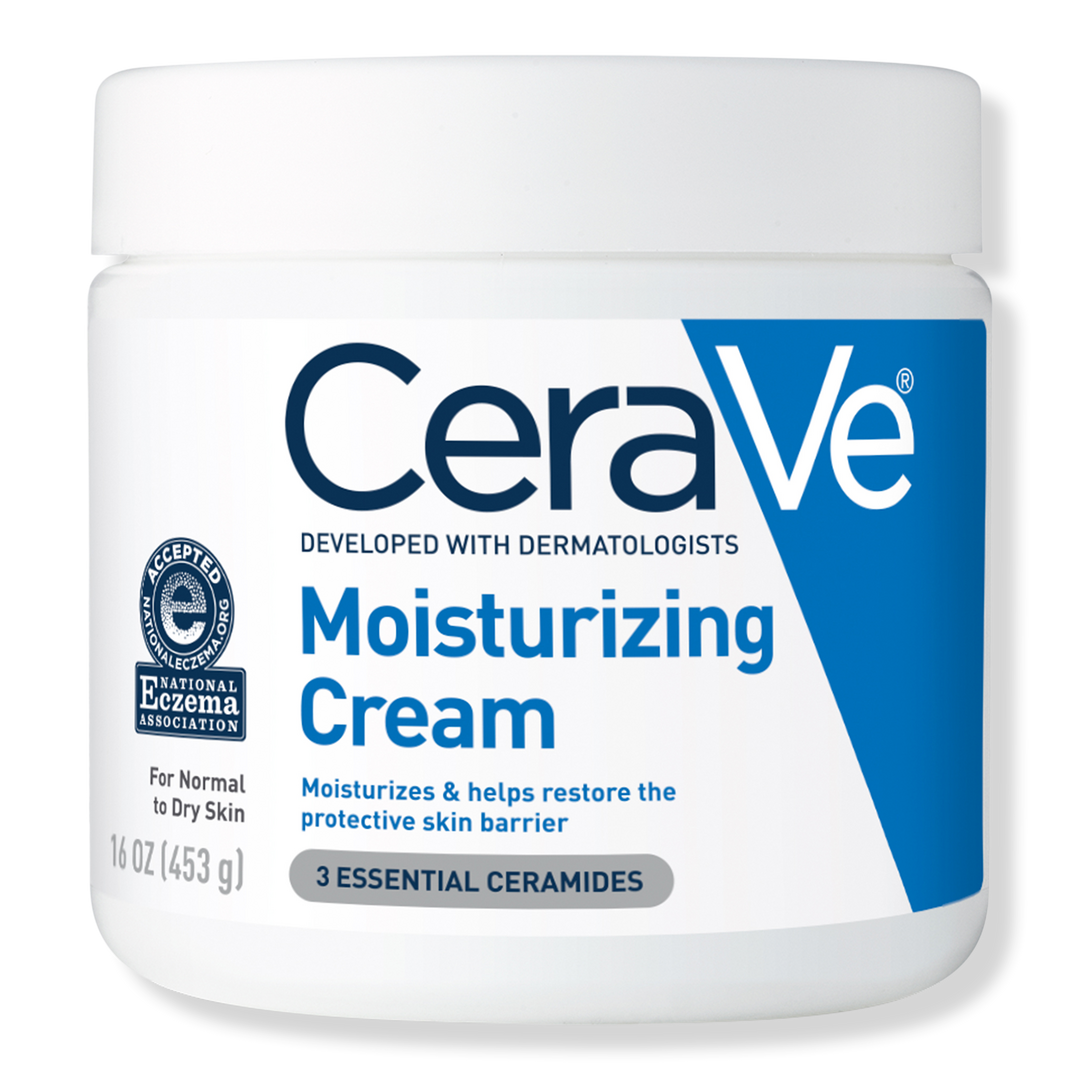
CeraVe Moisturizing Cream
Ceramide-Infused Body & Face Cream | $19.99
Shop CeraVe Moisturizing Cream at Ulta →
CeraVe's Moisturizing Cream is a widely used option for barrier repair and daily hydration. It delivers three ceramides (1, 3, and 6-II) alongside hyaluronic acid in a patented MVE (MultiVesicular Emulsion) delivery system, a technology designed to release active ingredients gradually over time rather than all at once.
The texture is a thick, rich cream that is non-greasy, non-comedogenic, and comfortable on both face and body. It is formulated for dry, normal, and combination skin. The large tub format keeps the per-use cost low, and a single jar typically lasts several months.
Key specs: Ceramides 1, 3 & 6-II · Hyaluronic Acid · MVE Delivery · Fragrance-Free · Non-Comedogenic · Face & Body · Dermatologist Developed
Ulta Beauty Advisor's Pick: "This is our go-to recommendation for anyone starting a ceramide routine. It covers a wide range of skin types and brings together barrier-repairing ceramides and hyaluronic acid at an accessible price point." - Ulta Beauty Editor
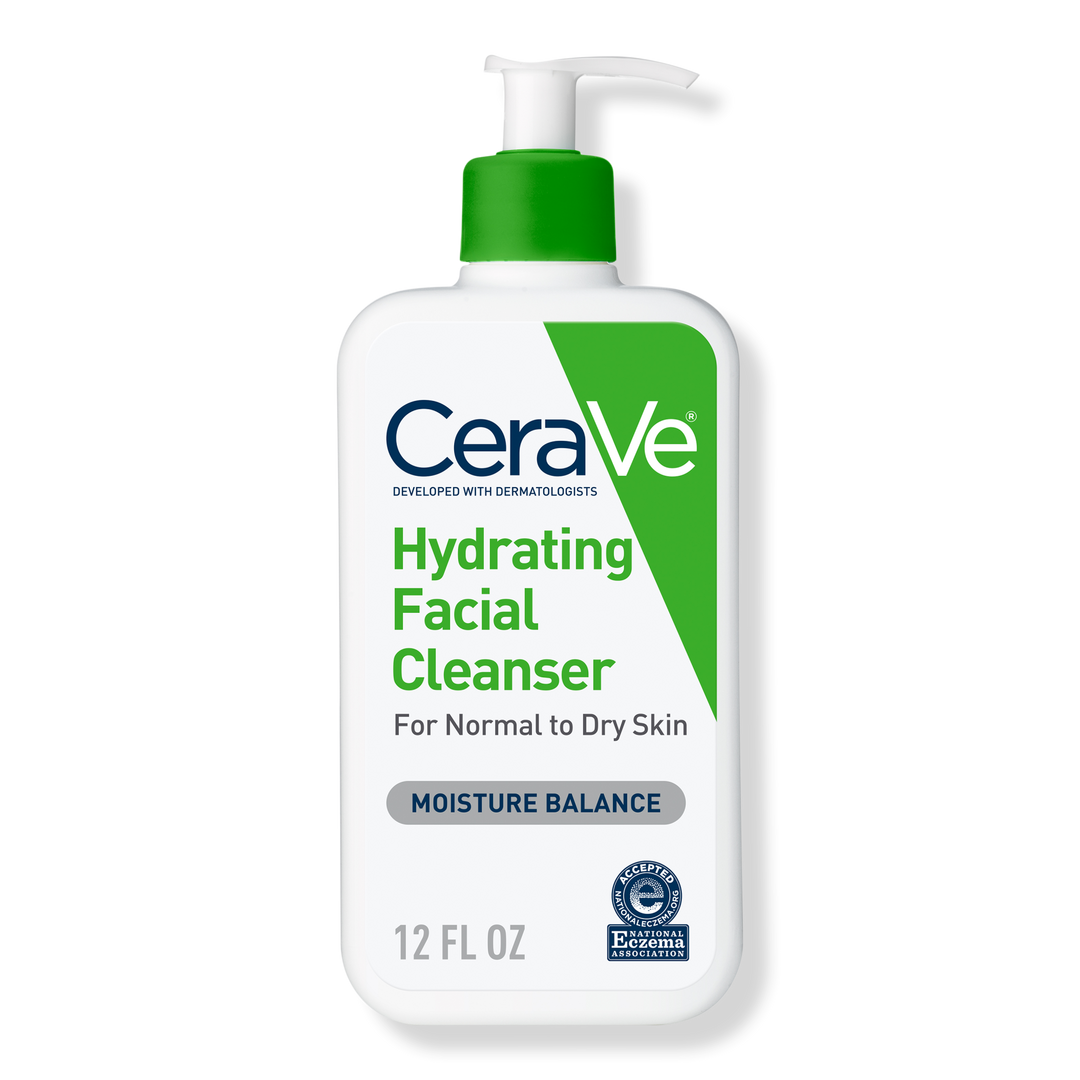
CeraVe Hydrating Facial Cleanser
Non-Foaming Ceramide Cleanser | $16.99
Shop CeraVe Hydrating Facial Cleanser at Ulta →
Starting a routine with a cleanser that strips the skin barrier reduces the effectiveness of every product applied afterward. CeraVe's Hydrating Facial Cleanser is formulated to clean skin without compromising the lipid layer. It uses micellar technology alongside ceramides and hyaluronic acid to remove impurities and light makeup while leaving skin in a moisturized, non-stripped condition.
It removes light to medium makeup effectively. For full-coverage or long-wear formulas, using an oil cleanser or micellar water as a first step is recommended.
Key specs: Ceramides 1, 3 & 6-II · Hyaluronic Acid · Non-Foaming · Fragrance-Free · Non-Comedogenic · Normal to Dry Skin
Routine Note: Use this as your second cleanse if you wear makeup, following an oil cleanser or micellar water. As a standalone cleanser for bare or lightly covered skin, it performs well on its own.
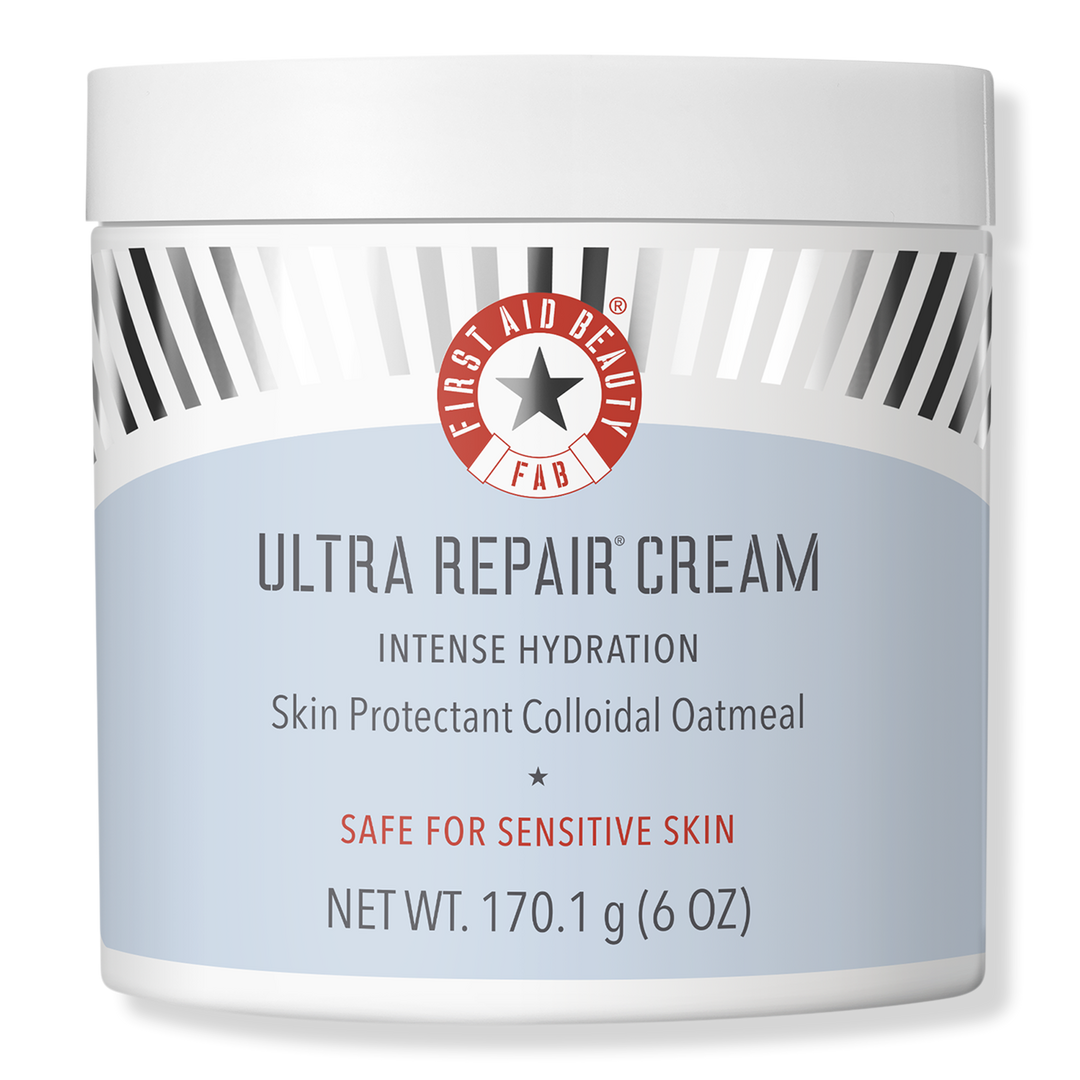
First Aid Beauty Ultra Repair Cream Intense Hydration
Colloidal Oatmeal + Ceramide Barrier Cream | $35.00
Shop First Aid Beauty Ultra Repair Cream at Ulta →
Dry skin associated with a chronically compromised barrier has different needs than ordinary dryness. First Aid Beauty's Ultra Repair Cream is formulated for reactive, sensitive, and eczema-prone skin.
The formula combines ceramides with colloidal oatmeal for temporary skin protection and itch relief, alongside allantoin and shea butter. The colloidal oatmeal and ceramides address the skin through complementary mechanisms: oatmeal soothes the skin surface and provides a temporary protective layer, while ceramides support longer-term barrier repair. The result is a rich cream that is emollient enough for severely dry patches while remaining comfortable on the skin. It is fragrance-free, dye-free, and carries the National Eczema Association Seal of Acceptance.
Key specs: Ceramides · Colloidal Oatmeal · Allantoin · Shea Butter · Fragrance-Free
Formulation Note: The colloidal oatmeal in this formula is not a filler ingredient. It carries an FDA monograph as an active for temporary skin protection and itch relief, working alongside the ceramides for both immediate comfort and longer-term barrier support.
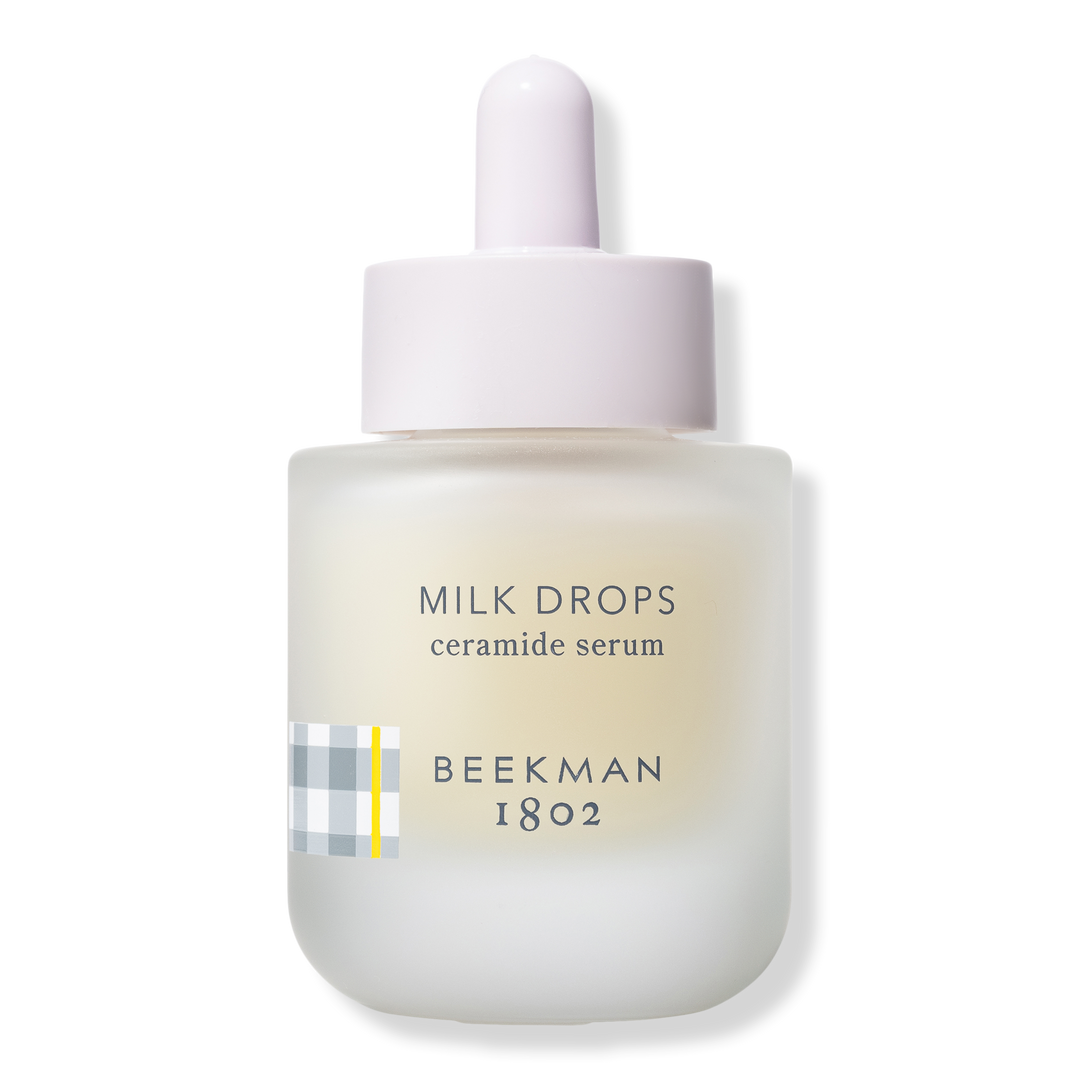
Beekman 1802 Milk Drops Ceramide Serum
Ceramide + Postbiotic Barrier Serum | $47.00
Shop Beekman 1802 Milk Drops Ceramide Serum at Ulta →
A ceramide serum delivers active ingredients in a lighter, more concentrated format than most creams, making it a useful targeted step when the barrier needs more than routine daily maintenance. Beekman 1802's Milk Drops Ceramide Serum combines ceramides with squalane, hyaluronic acid, and a proprietary goat milk and probiotic extract blend. The formula is certified microbiome-friendly by MyMicrobiome AG, lab tested, allergy tested, and formulated for sensitive skin.
The ingredient list also includes natural AHAs and BHAs from apple extract, aspen bark extract, and willow bark to support skin renewal, alongside an antioxidant botanical blend of comfrey, blue thistle, chamomile, cucumber, and aloe for moisture barrier protection. The serum absorbs quickly, with 96% of users in brand testing reporting instant absorption. It is cruelty-free and comes in sustainable packaging.
Key specs: Ceramide 3 · Squalane · Hyaluronic Acid · Goat Milk + Probiotic Blend · Natural AHAs/BHAs · Microbiome-Certified · Fragrance-Free · Cruelty-Free · Sensitive Skin Safe
Application Tip: Use twice daily, morning and night, on clean skin before your moisturizer and SPF. Apply a few drops, massage gently, and allow 1 to 2 minutes for the serum to absorb before layering other products.
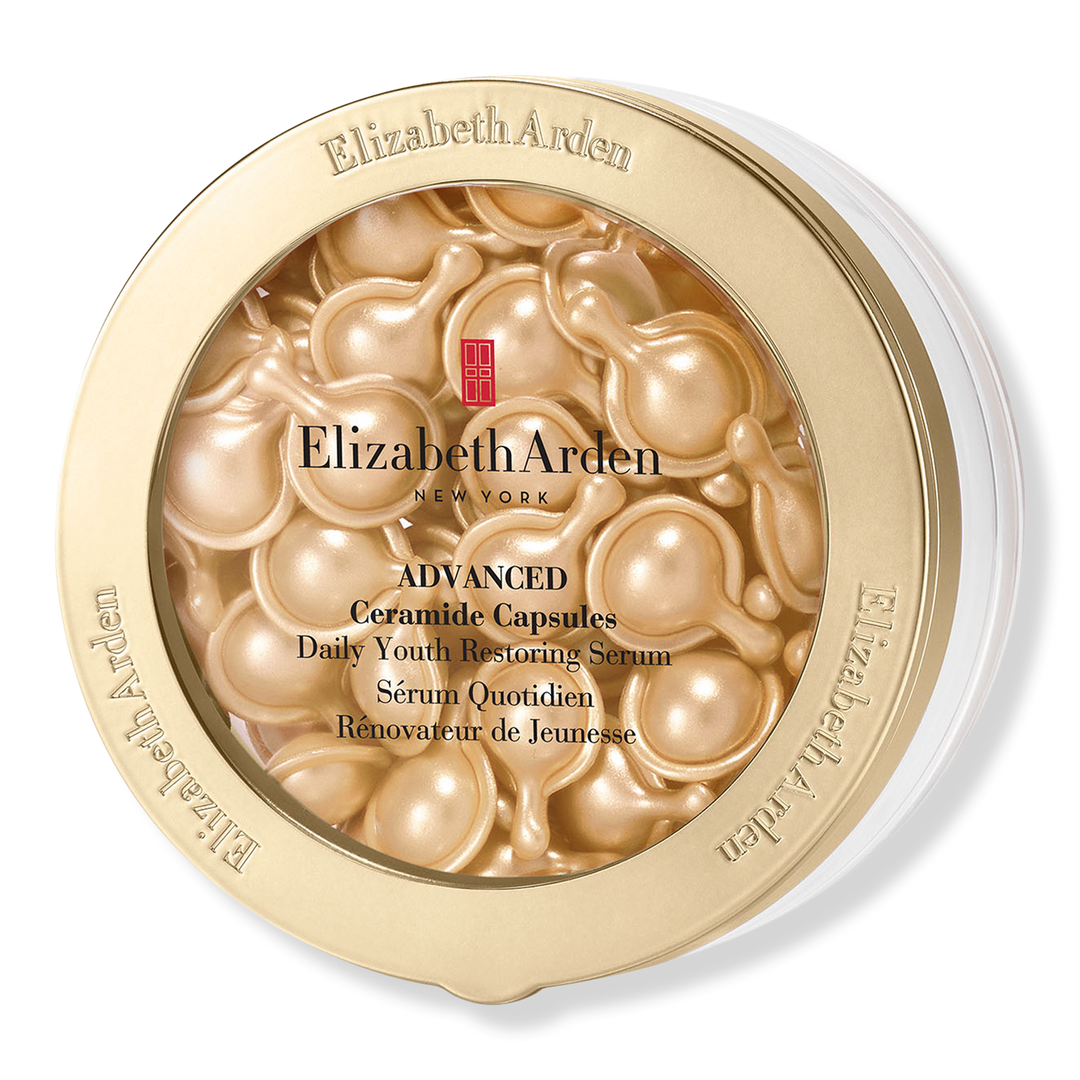
Elizabeth Arden Ceramide Capsules Daily Youth Restoring Serum
Encapsulated Ceramide Youth Serum | $99.00
Shop Elizabeth Arden Ceramide Capsules at Ulta →
The individual capsule format delivers a single dose of a concentrated ceramide and botanical oil blend in an air-tight, hermetically sealed sphere. Because each dose is self-contained, it eliminates ingredient exposure to air and contamination between uses, which is a stability consideration that open jars and pumps cannot fully address.
The formula targets fine lines, loss of elasticity, and texture changes associated with skin barrier thinning that occurs with age. These capsules are a daily serum treatment, not a moisturizer replacement. Use one capsule per day before your regular moisturizer for a concentrated ceramide step in your routine.
Key specs: Concentrated Ceramide Complex · Encapsulated Individual Doses · Anti-Aging
Worth Knowing: The individual capsule format limits ingredient oxidation and contamination between uses compared to jar or pump packaging. If ceramide creams have not delivered the results you were looking for, the delivery format here is a meaningful difference worth considering.
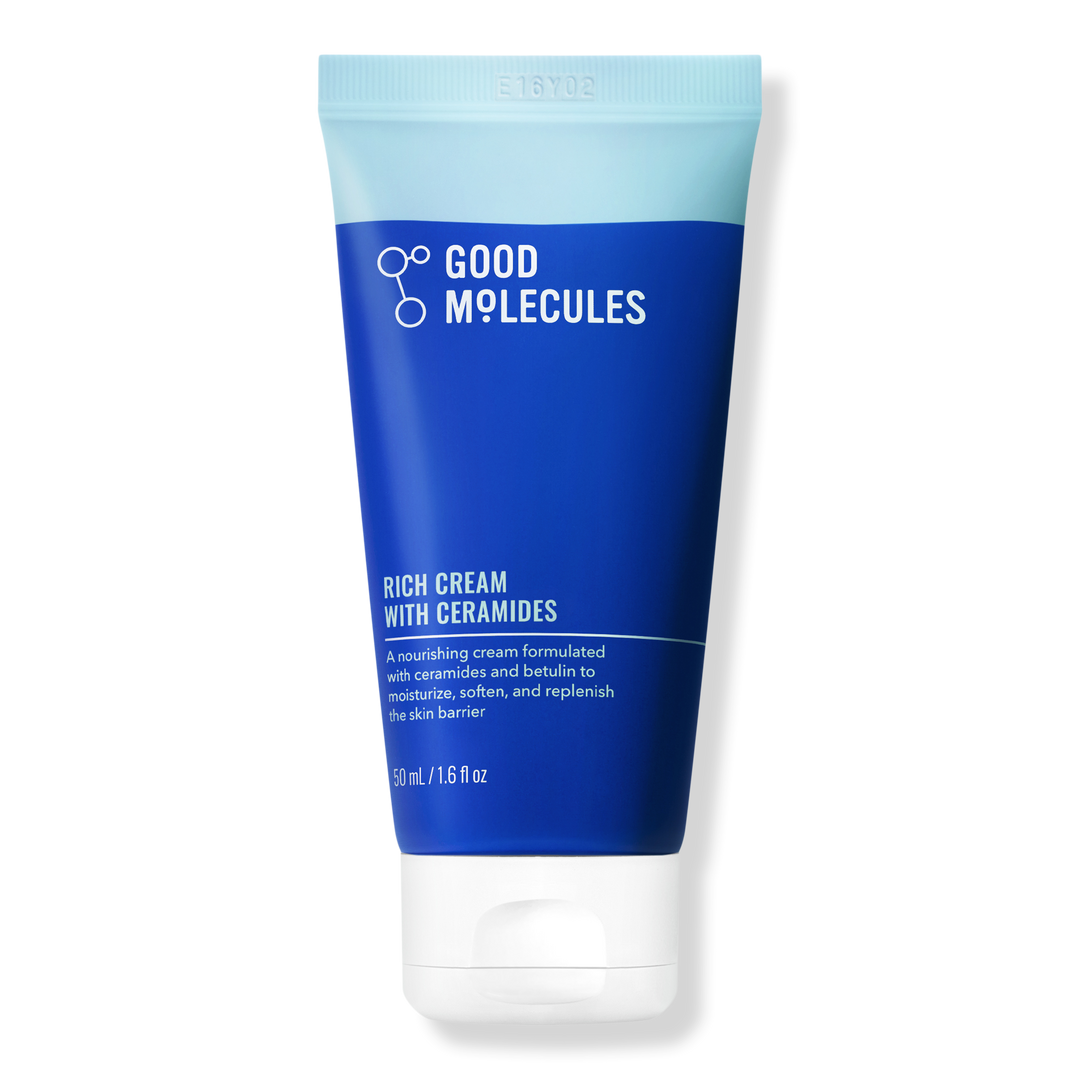
Good Molecules Rich Cream with Ceramides
Ceramide + Betulin Barrier Cream | $14.00
Shop Good Molecules Rich Cream with Ceramides at Ulta→
Good Molecules' Rich Cream with Ceramides delivers a ceramide-focused barrier repair formula at a low price point. The formula uses skin-identical ceramides, specifically Ceramide AP, Ceramide NP, and Sphingolipids, alongside betulin, a birch bark extract which may help with reinforcing skin barrier integrity and improving the skin's ability to retain moisture. A vegan lanolin oil alternative rounds out the base, providing the occlusive layer that holds moisture in.
The rich cream texture is designed for dry, normal, and combination skin types and is suitable for sensitive skin. It targets dry patches, disrupted barrier function, and facial redness. The brand is cruelty-free, vegan, and uses sustainable packaging. It is one of the most ingredient-specific ceramide creams available at this price point, focusing on barrier repair rather than layering in unrelated actives.
Key specs: Ceramide AP · Ceramide NP · Sphingolipids · Betulin · Vegan Lanolin Alternative · Fragrance-Free · Cruelty-Free · Vegan · Sustainable Packaging · Dry to Combination Skin
Budget Verdict: Skin-identical ceramides and betulin in one formula at $14 is a focused, no-filler approach to barrier repair. This is a practical starting point for anyone building a ceramide routine on a budget who wants a formula built specifically around barrier function rather than a general moisturizer with ceramides added.
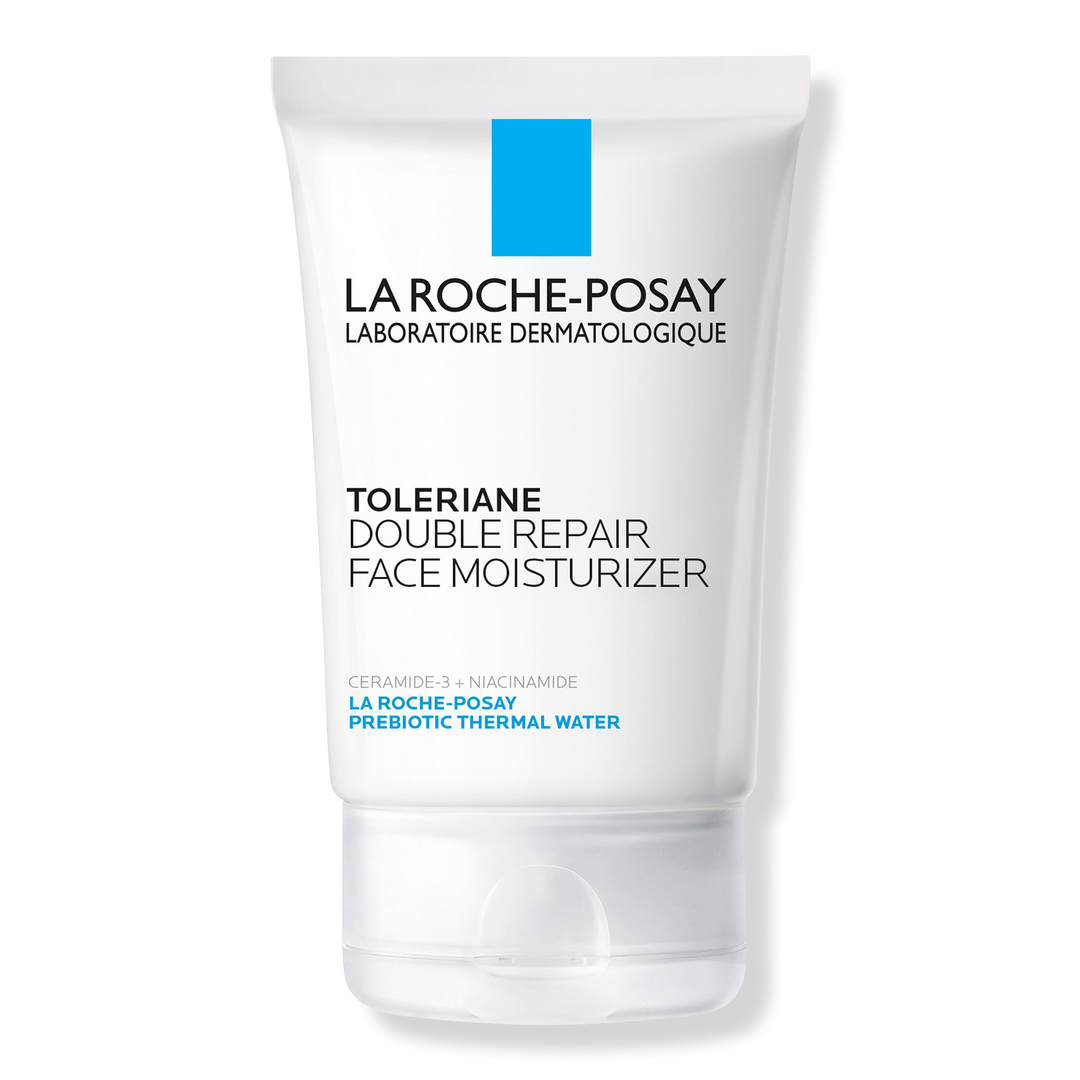
La Roche-Posay Toleriane Double Repair Face Moisturizer
Shop La Roche-Posay Toleriane Double Repair at Ulta →
Ceramide + Prebiotic Thermal Water Moisturizer | ★★★★★ 31,000+ reviews | $22.99
La Roche-Posay is a French pharmacy brand, formulated for reactive and sensitized skin. The Toleriane Double Repair Moisturizer is their flagship barrier product, built around the Toleriane base (free from the most common sensitizing ingredients), ceramides, niacinamide, and the brand's prebiotic thermal spring water, which supports the skin's microbiome.
"Double repair" refers to two simultaneous actions: ceramide-driven barrier restoration and prebiotic-driven microbiome balance. It is fragrance-free, alcohol-free, paraben-free, and allergy-tested on sensitive skin in a clinical setting.
Key specs: Ceramide-3 · Niacinamide · Prebiotic Thermal Water · Fragrance-Free · Alcohol-Free · Allergy-Tested
Good To Know: If your skin tends to react to most moisturizers, the Toleriane formula is a useful starting point. It leaves out the most common sensitizing ingredients and keeps the formula straightforward, which makes it easier to figure out what your skin actually likes before adding anything else to the routine.
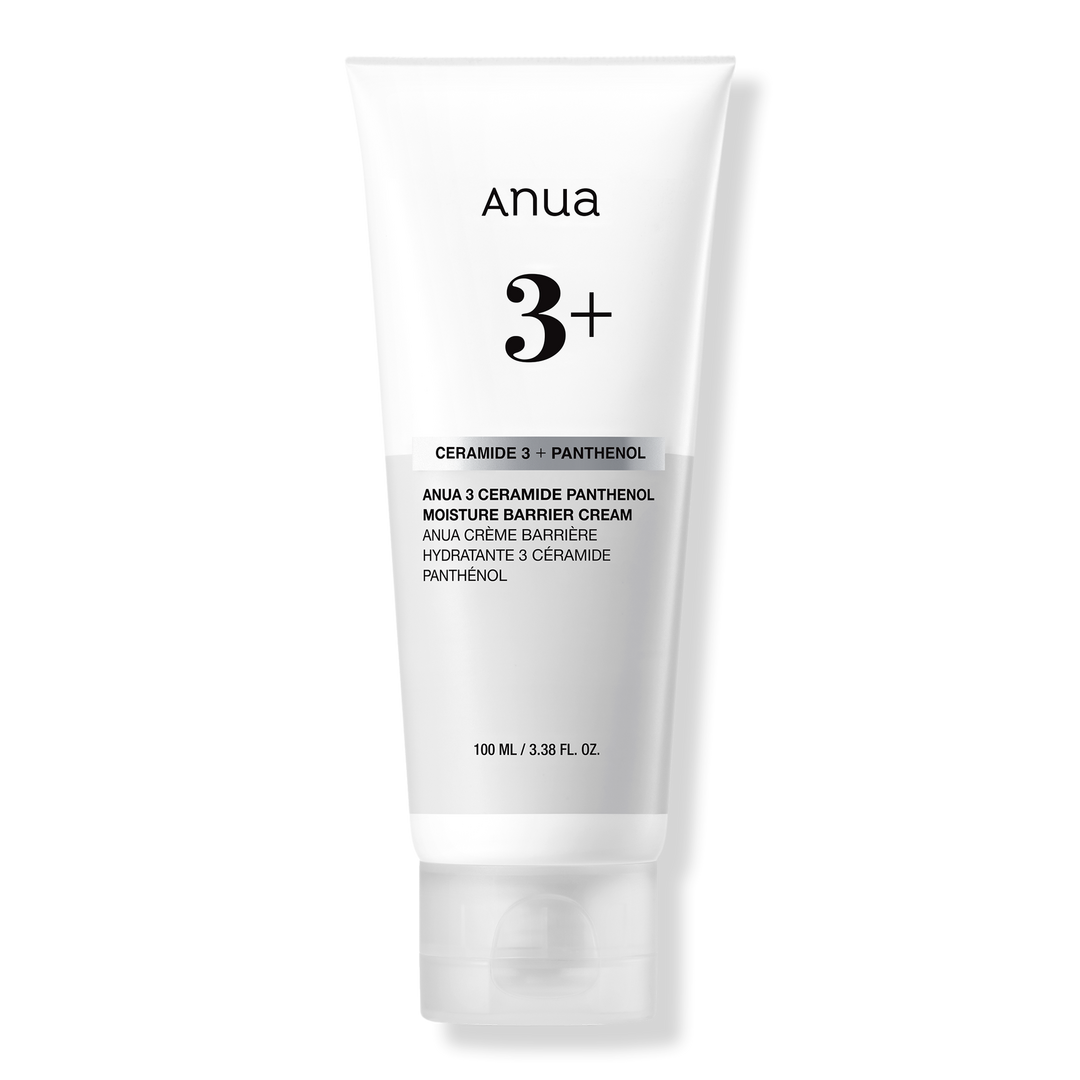
ANUA 3 Ceramide Panthenol Moisture Barrier Cream
Ceramide + Panthenol Barrier Cream | $20.00
Shop ANUA 3 Ceramide Panthenol Moisture Barrier Cream at Ulta →
ANUA is a Korean beauty brand focused on gentle, barrier-first formulas, and the 3 Ceramide Panthenol Moisture Barrier Cream is a strong example of the K-beauty approach to skin care: a high-value formula at an accessible price, built around ingredients that work rather than a long marketing story.
The formula delivers three types of ceramides (Ceramide NP, Ceramide EOP, Ceramide AP) alongside panthenol, hyaluronic acid, Centella Asiatica extract, squalane, and a full amino acid complex including glycine, glutamic acid, serine, and lysine. Panthenol and ceramides work alongside each other: ceramides reinforce the lipid barrier, while panthenol draws in moisture and supports the skin's own repair process. Centella Asiatica, a staple in K-beauty formulations, adds a calming layer for reactive or redness-prone skin. The texture is a lightweight cream that absorbs without heaviness, suitable for both morning and evening use on all skin types, including sensitive skin. It is an Ulta exclusive.
Key specs: Ceramide NP · Ceramide EOP · Ceramide AP · Panthenol · Hyaluronic Acid · Centella Asiatica · Squalane · Amino Acid Complex · Allantoin · Lightweight Cream · Sensitive Skin Safe · K-Beauty
Layering Tip: Use after your toner and serum, and pat gently rather than rubbing in. The lightweight texture layers well under SPF in the morning and works on its own as a final step at night.
Frequently asked questions
What are ceramides, and why do they matter?
Ceramides are lipid molecules, a type of fat, that occur naturally in the outermost layer of your skin (the stratum corneum). They act as the mortar between skin cells, holding the barrier together and regulating what passes in and out. A healthy ceramide-rich barrier keeps moisture locked in and keeps pollution, allergens, bacteria, and irritants locked out.
What depletes ceramides:
- Aging (ceramide levels decline measurably after 30)
- Over-cleansing with foaming or sulfate-based cleansers
- Over-exfoliation with physical scrubs or too-frequent acid use
- Cold, dry weather
- Genetic conditions like eczema (which is associated with low ceramide production)
Signs your barrier needs ceramide support:
- Skin feels tight after cleansing
- Increased sensitivity to products you previously tolerated
- Persistent dryness that doesn't respond to regular moisturizers
- Redness, flaking, or a rough, crepey texture
How to layer ceramide products correctly:
- Cleanse with a ceramide cleanser (non-stripping)
- Treat with a ceramide serum if your barrier needs intensive repair
- Moisturize with a ceramide cream to seal the barrier
- Protect with SPF in the morning, as UV exposure degrades ceramides over time
The order matters. Think of ceramide products as building layers of a wall, not as products that compete with each other. More ceramide at each step means a stronger, more resilient barrier over time.
Ceramides vs. Hyaluronic Acid: What's the difference?
These two ingredients serve different functions in a skin-care routine.
- Hyaluronic acid draws water into the skin and plumps it. It is a humectant. It does not repair the barrier; it hydrates temporarily within it.
- Ceramides rebuild the barrier itself. They are emollients and occlusives that support the structural integrity of the skin, not just its water content.
Both play a role in a complete routine. Hyaluronic acid without a ceramide sealant over it can evaporate, leaving skin drier than before in low-humidity environments. Ceramides without adequate water content won't have much to seal in. The ideal routine includes both, applied in that order.
Can you use ceramides with retinol?
Yes, and they pair well together. Retinol can cause dryness and flaking, particularly when you are first introducing it to a routine. Applying a ceramide moisturizer after your retinol helps offset that dryness by reinforcing the barrier. Use your retinol first, let it absorb, then follow with a ceramide cream or serum. This order supports the skin while the retinol does its work.
Can you use ceramides with vitamin C?
Yes. Ceramides and vitamin C address different concerns and do not interfere with each other. Vitamin C is an antioxidant that targets uneven tone and environmental damage, while ceramides focus on barrier repair and hydration. A common approach is to use vitamin C in the morning followed by a ceramide moisturizer, then SPF.
Are ceramides good for oily or acne-prone skin?
Yes. A compromised barrier is not limited to dry skin types. Oily and acne-prone skin can also have a disrupted lipid barrier, particularly if the routine includes strong actives like salicylic acid, benzoyl peroxide, or prescription treatments. Ceramide products formulated as lightweight gels or non-comedogenic creams, such as the CeraVe Moisturizing Cream, work well for oily skin without adding heaviness or clogging pores.
What is the difference between a ceramide cream and a ceramide serum?
Ceramide creams are heavier in texture and provide both hydration and a degree of occlusion, meaning they help seal moisture in. They work as a final or near-final step in a routine. Ceramide serums are lighter and more concentrated, designed to deliver a higher dose of ceramides in a format that absorbs quickly and layers easily under a moisturizer. If your barrier is actively compromised, starting with a serum and layering a cream on top covers both concentration and occlusion.
How long does it take for ceramides to work?
Most people notice improved hydration and a reduction in tightness or flaking within the first few days of consistent use. Longer-term improvements in skin texture and barrier strength typically take four to six weeks of daily use. Results depend on how compromised the barrier is to begin with, the concentration of ceramides in the formula, and whether the rest of the routine is supporting rather than undermining the barrier.
What is the difference between ceramide types (Ceramide 1, NP, AP, EOP)?
Ceramide types are classified by their chemical structure, and different types play slightly different roles in the skin's lipid matrix. Ceramide NP (also called Ceramide 2) is the most common in skin care and is close to what is naturally found in the stratum corneum. Ceramide AP (also called Ceramide 6-II) supports barrier integrity and is associated with skin smoothing. Ceramide EOP (also called Ceramide 1) is important for binding the outer layers of the barrier together. Products that include multiple ceramide types, such as CeraVe (1, 3, 6-II) and ANUA (NP, EOP, AP), more closely mirror the skin's natural ceramide composition than single-ceramide formulas.
Can ceramides cause breakouts?
Ceramides themselves are not comedogenic. However, the other ingredients in a ceramide formula can be. Heavy occlusives, certain oils, and thickening agents in some ceramide creams may contribute to breakouts depending on your skin type. If you are acne-prone, look for formulas labeled non-comedogenic and check the full ingredient list rather than assuming a ceramide product is automatically suitable.
Do ceramides expire or degrade over time?
Like all skin care ingredients, ceramides can degrade with repeated exposure to air, light, and contamination. Jar packaging speeds up this process more than pump or tube packaging. The Elizabeth Arden Ceramide Capsules in this guide address this directly with a single-dose encapsulated format. For ceramide creams and serums in jars, use a clean spatula rather than fingers, keep the lid closed when not in use, and store in a cool, dry location away from direct sunlight.
Prices and availability are subject to change. All products are available at ulta.com. © 2026 Ulta Beauty, Inc.
Information provided is for educational purposes only and is not intended as medical advice or a guarantee of results. Consult a dermatologist or healthcare professional for personalized skin care guidance.
Related Content:
What is Glycolic Acid & How to Use It?, Summer Skin Care Sets, Azelaic Acid Benefits, What is Double Cleansing, What is Snail Mucin?, Slugging in Skin Care, What do Peptides do for Skin?
Discover more: Skin Care Buying Guides and Beauty Education Articles