How to repair over-exfoliated skin with a simple routine that gives your face a break
By Ulta Beauty Advisors · Published August 2026
All products featured are available at Ulta Beauty. Ulta Beauty Advisors select products independently. Prices and availability are subject to change.
To repair over-exfoliated skin, pause all exfoliating acids, scrubs, retinoids and other irritating actives, then simplify to three steps: a gentle cleanser, a plain moisturizer and broad-spectrum sunscreen. Keeping your routine this short gives your skin barrier a chance to recover without adding new triggers. Most people notice improvement within a few days to a few weeks, depending on how disrupted the barrier is.
At Ulta Beauty, our approach to repairing over-exfoliated skin starts with doing less, not adding a shelf full of new products. This guide helps you spot the common signs of over-exfoliation and choose comforting product types.
What is over-exfoliated skin?
Over-exfoliation is the result of exfoliating more than your skin can comfortably handle. It may follow frequent use of alpha hydroxy acids, beta hydroxy acids, exfoliating toners, peels, scrubs, cleansing brushes or several of these at once.
Your skin barrier helps hold in moisture and shield your skin from outside stressors. When that barrier feels compromised, products that were once comfortable may suddenly sting, and your face may feel dry, tight or unusually sensitive.
Common signs include:
Stinging or burning when you apply familiar products
Tightness, especially after cleansing
Dry, flaky or rough patches
Redness or a warm feeling
Skin that looks shiny but feels dry, a possible sign that moisture is escaping through a weakened barrier rather than that oil production has increased
Increased sensitivity to water, sweat, wind or products
Breakouts appearing alongside dryness and irritation
These signs can have other causes, including an allergy, eczema, sunburn or a reaction to a new product. If you have significant swelling, blistering, oozing, severe pain or symptoms around your eyes, stop using the suspected products and seek medical care.
How to repair over-exfoliated skin with a simple routine
The goal is to remove likely irritants, keep cleansing gentle, replace moisture and protect your skin from the sun. You do not need to make up for over-exfoliation with more treatments. Give your face a quiet stretch of basic care and pay attention to how it responds.
A helpful reset has three priorities:
Cleanse without scrubbing or leaving skin feeling squeaky
Moisturize with a formula that feels comfortable
Wear broad-spectrum sunscreen during the day
Recovery time varies depending on how disrupted your skin barrier is. Mild discomfort often settles within three to seven days. More significant barrier disruption, with persistent redness, flaking or stinging, can take two to four weeks of consistent basic care. Use how your skin feels as your guide rather than counting a fixed number of days, and consider checking in with a dermatologist if things are not improving.
What to pause when your face feels tight or stings
Stop the steps most likely to keep the cycle going. Even if an active usually works well for you, applying it to already irritated skin may feel uncomfortable.
Pause these products and tools for now:
Alpha hydroxy acids, including glycolic, lactic and mandelic acids
Beta hydroxy acids, including salicylic acid
Polyhydroxy acids
At-home peels and exfoliating masks
Face scrubs, polishing powders and textured cleansing pads
Cleansing brushes and other scrubbing tools
Retinoids, including retinol, if they sting or increase dryness
Strong acne treatments if they are making irritation worse
Brightening serums or vitamin C products that sting
Fragranced products if your skin reacts to them
Hot water, facial steaming and long cleansing sessions
You do not need to avoid these categories forever. The pause simply gives your skin fewer possible triggers while it settles.
What not to change all at once
Try not to replace every item in your routine on the same day unless everything you own feels irritating. Introducing several unfamiliar formulas makes it harder to tell which one your skin likes.
Start with the mildest products you already tolerate. If you need replacements, add one at a time and patch test when possible.
Your simple morning routine
Keep your morning routine short and hands-off. Use light pressure, lukewarm water and clean hands.
Cleanse only if you need to. If your skin feels comfortable when you wake up, a lukewarm water rinse may be enough. If you prefer cleanser, choose a gentle cream, lotion or low-foaming formula and rinse it away without using a washcloth or brush.
Apply moisturizer. Smooth it onto slightly damp skin without rubbing for a long time. A cream may feel better than a light gel when your skin is tight, but texture preference varies.
Finish with broad-spectrum sunscreen. Choose an SPF formula that feels comfortable and use it as the last skin care step. If your usual sunscreen stings, look for a fragrance-free option or try a mineral sunscreen after patch testing.
Makeup is optional. If you wear it, apply it with clean fingers or a clean, soft tool and avoid buffing over flaky areas.
Your simple nighttime routine
Nighttime is for removing sunscreen, makeup and the day without turning cleansing into another exfoliating step.
Remove makeup gently. Use a mild cleansing balm, oil or makeup remover if needed. Press and lift rather than rubbing back and forth.
Wash with a gentle cleanser. Massage it over damp skin with your fingertips, then rinse with lukewarm water. Pat with a soft towel instead of scrubbing.
Apply moisturizer. Use enough to ease tightness without repeatedly massaging your skin. If certain areas remain very dry, you can apply a thin layer of a petrolatum-based or plain mineral oil balm over moisturizer, provided you already know your skin tolerates it. Avoid balms that contain fragrance or active ingredients during the reset period.
Skip masks, exfoliating toner, spot treatments and active serums during this reset. A short routine may feel almost too basic, which is exactly the point.
What to look for in gentle skin care products
Comfort matters more than chasing a long ingredient list. Choose formulas that do their job without leaving your skin hot, tight or itchy.
Gentle cleansers
A cleanser for irritated skin should rinse away without that stripped feeling. Cream, milk and low-foaming cleansers can be good places to start, though the formula matters more than the label on the front.
Look for:
Fragrance-free options if fragrance bothers your skin
Creamy or lotion-like textures
Clear directions that do not call for scrubbing
Formulas made for dry or sensitive skin
Best gentle cleansers for over exfoliated skin
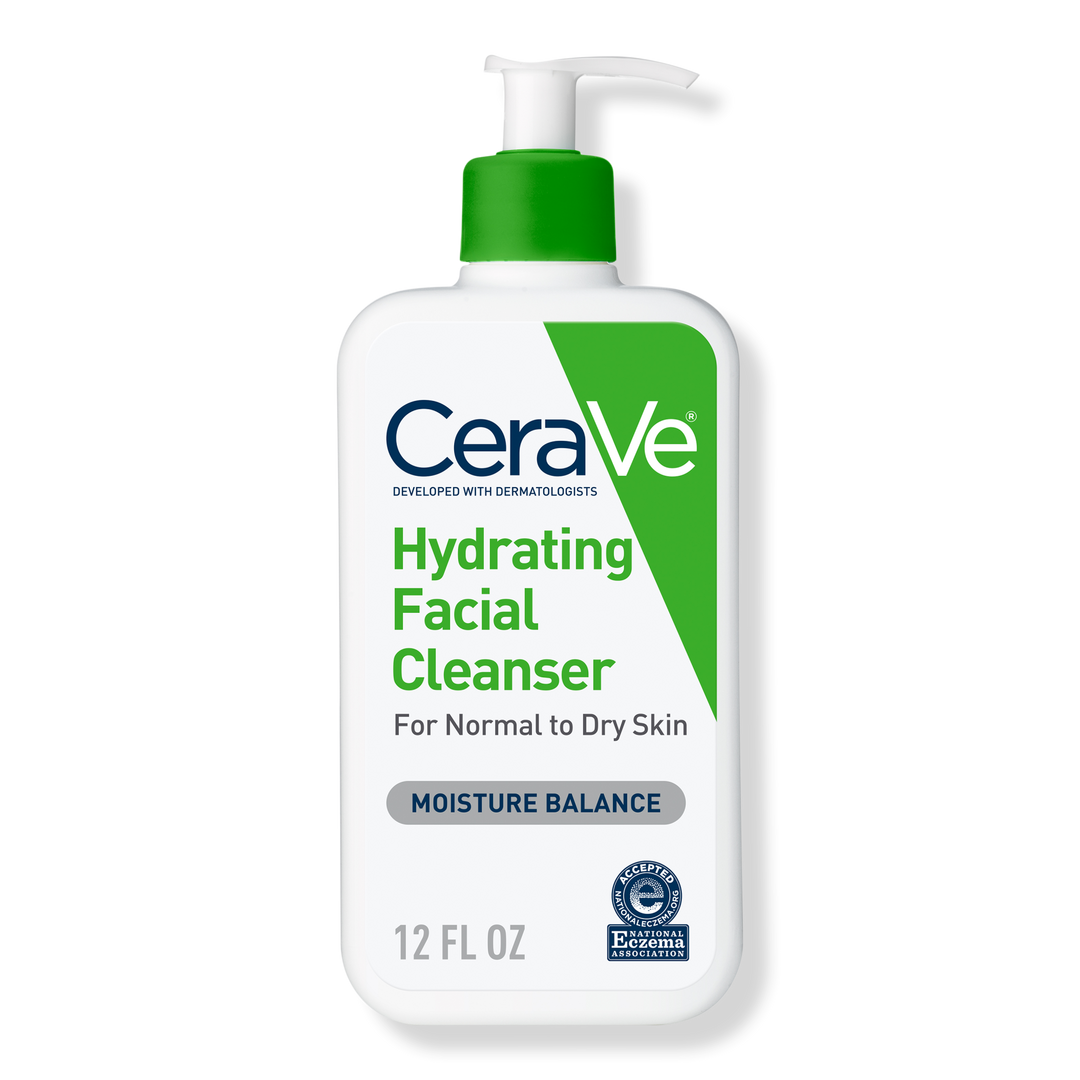
CeraVe Hydrating Cleanser
Cream Cleanser | $15.99
Shop CeraVe Hydrating Cleanser at Ulta →
This fragrance-free cream cleanser is commonly recommended for sensitive skin. It contains three essential ceramides along with hyaluronic acid, ingredients designed to cleanse while supporting the skin barrier rather than working against it. The non-foaming formula is gentle enough to use twice a day, and it rinses clean without leaving a residue or that uncomfortable squeaky feeling.
Key specs: Fragrance-Free · Ceramides · Hyaluronic Acid · Non-Foaming
Ulta Beauty Advisor's Tip: "Apply a small amount to damp skin and massage gently, then rinse with lukewarm water. No washcloth needed."
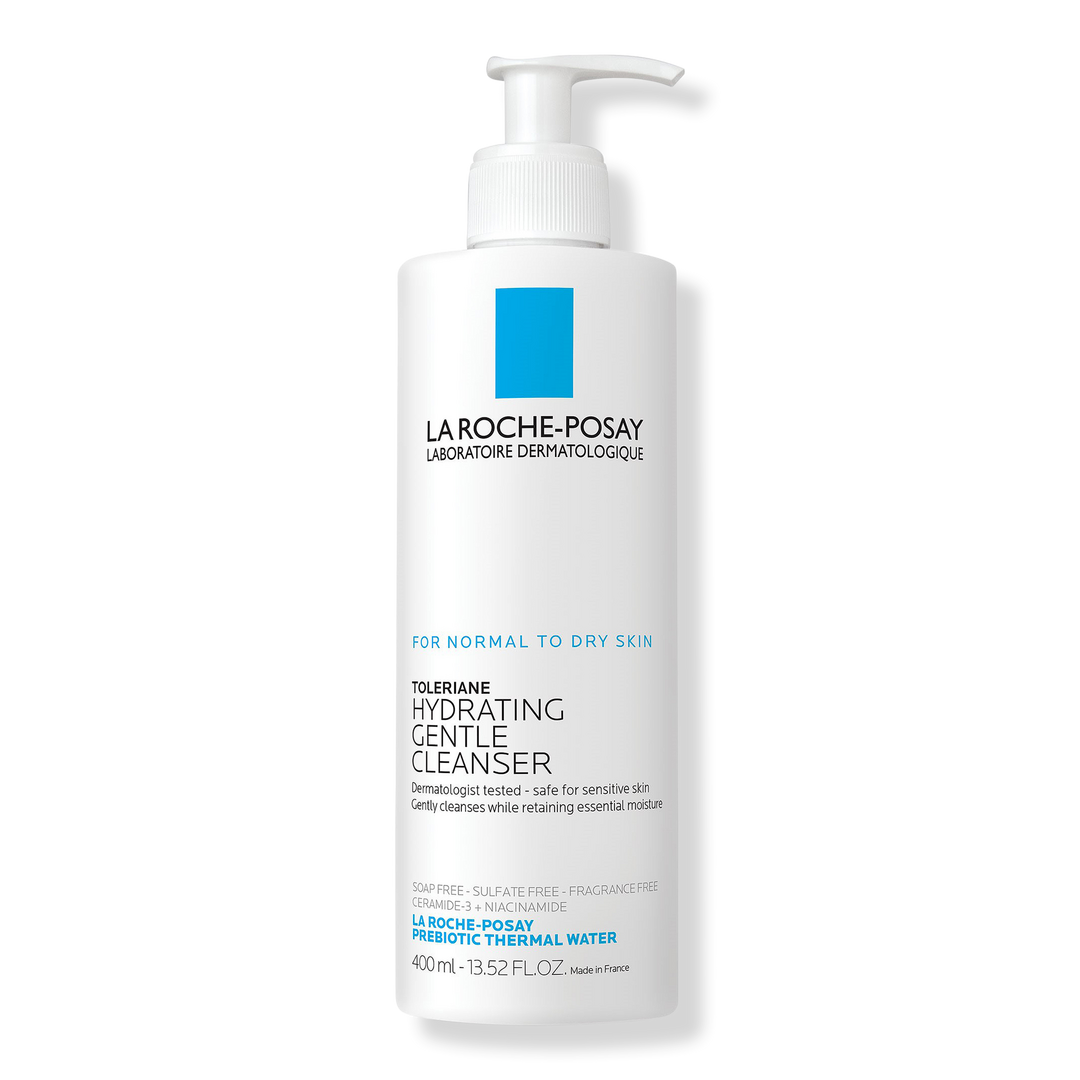
La Roche-Posay Toleriane Hydrating Gentle Cleanser
Cream Cleanser | $21.99
Shop La Roche-Posay Toleriane Hydrating Gentle Cleanser at Ulta →
When your skin is at its most reactive, the Toleriane Hydrating Gentle Cleanser keeps cleansing simple. It removes makeup, sunscreen and daily buildup using niacinamide and ceramides alongside a gentle surfactant system formulated to support the skin barrier. The creamy texture rinses clean with lukewarm water, leaving skin feeling soft rather than tight. It is allergy-tested, fragrance-free and suitable for sensitive, dry and rosacea-prone skin, making it a practical first choice when your skin needs a long break from strong actives.
Key specs: Niacinamide · Ceramides · Fragrance-Free · Paraben-Free · Allergy-Tested · Suitable for Rosacea-Prone Skin
Ulta Beauty Advisor's Pick: "If your skin has been reacting to everything, start here. I recommend this to anyone coming off an over-exfoliation spiral because it is as basic a cleanser as you can find, in the best possible way." - Ulta Beauty Advisor
Moisturizers
Moisturizer helps reduce that dry, tight feeling by adding water-binding and softening ingredients to your routine. You may prefer a lotion during the day and a richer cream at night, or the same product for both.
Common ingredients to look for include:
Ceramides
Glycerin
Hyaluronic acid
Squalane
Petrolatum
Colloidal oatmeal
Shea butter
No single ingredient is required. The best choice is a formula you can apply without stinging and will use consistently. Browse facial moisturizers by texture and skin concern to find an option that fits your reset routine.
Best moisturizers for over exfoliated skin
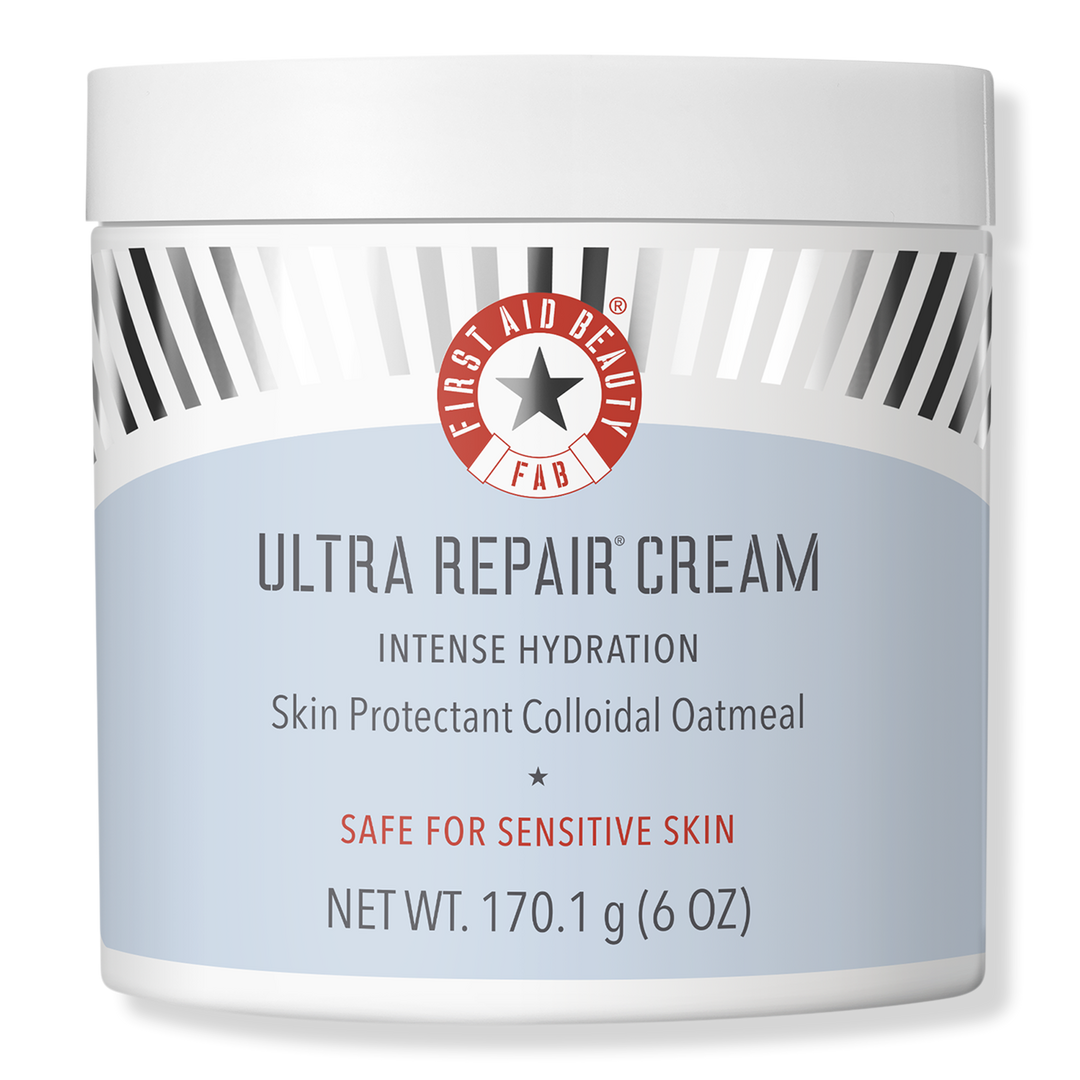
First Aid Beauty Ultra Repair Cream Intense Hydration
Rich Moisturizing Cream | $35.00
Shop First Aid Beauty Ultra Repair Cream at Ulta →
The Ultra Repair Cream is a thick, whipped moisturizer built around colloidal oatmeal, ceramides and shea butter, three ingredients commonly used for comforting irritated skin without introducing unnecessary actives. It works well as a stand-alone nighttime moisturizer or layered under a petrolatum-based occlusive balm on areas that feel especially dry. The jar format means you can scoop only as much as you need and spread it without extended rubbing.
Key specs: Colloidal Oatmeal · Ceramides · Shea Butter · Fragrance-Free · Vegan
Ulta Beauty Advisor's Tip: "This is my reset-routine staple. Apply a generous layer at night and let it work while you sleep. It also does wonders on hands, elbows and any body skin that feels raw from over-exfoliation."
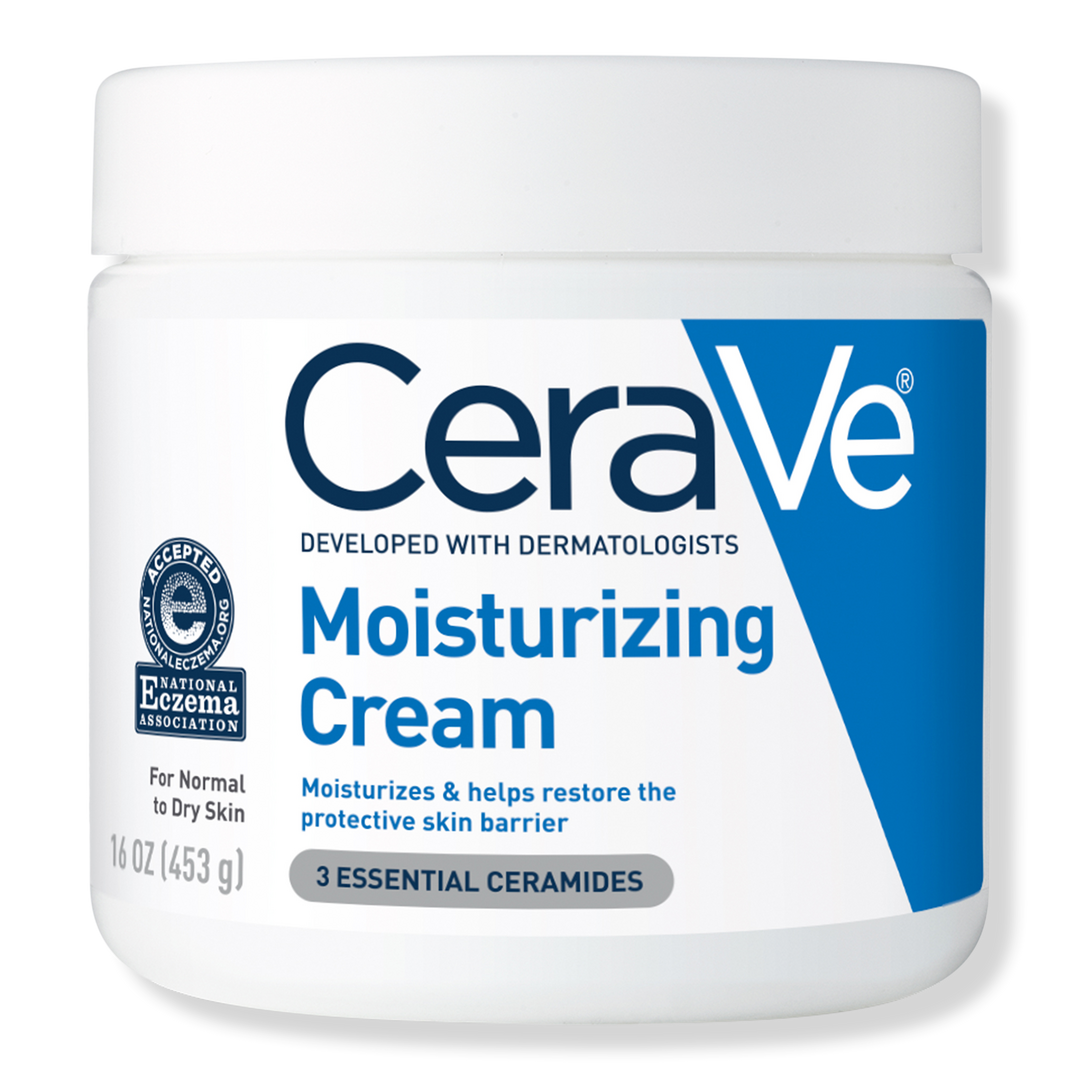
CeraVe Moisturizing Cream
Rich Moisturizing Cream | $19.99
Shop CeraVe Moisturizing Cream at Ulta →
This rich cream delivers ceramides, hyaluronic acid and glycerin using patented MVE technology that releases moisture gradually throughout the day. The fragrance-free, non-comedogenic formula works on both face and body, which is useful if body skin also feels tight during recovery. It is thick enough to ease significant dryness without ingredients that some find uncomfortable, and the pump jar makes it easy to dispense without contaminating the rest of the product.
Key specs: Ceramides · Hyaluronic Acid · MVE Technology · Fragrance-Free · Non-Comedogenic
Ulta Beauty Advisor's Tip: "A little goes a long way. Apply it to slightly damp skin for better absorption. I recommend this to clients with very compromised barriers because it rarely causes reactions even at their most sensitive."
Sunscreens
Sun exposure can feel especially uncomfortable when skin is irritated. Use a broad-spectrum sunscreen that suits your skin, and add shade, a hat and other sun-protective habits when practical.
Mineral and chemical sunscreens can both fit a daily routine. If one formula stings, that does not mean every sunscreen will. Patch test a different fragrance-free formula and avoid applying sunscreen directly over open or severely irritated skin without professional guidance.
Best sunscreens for over exfoliated skin
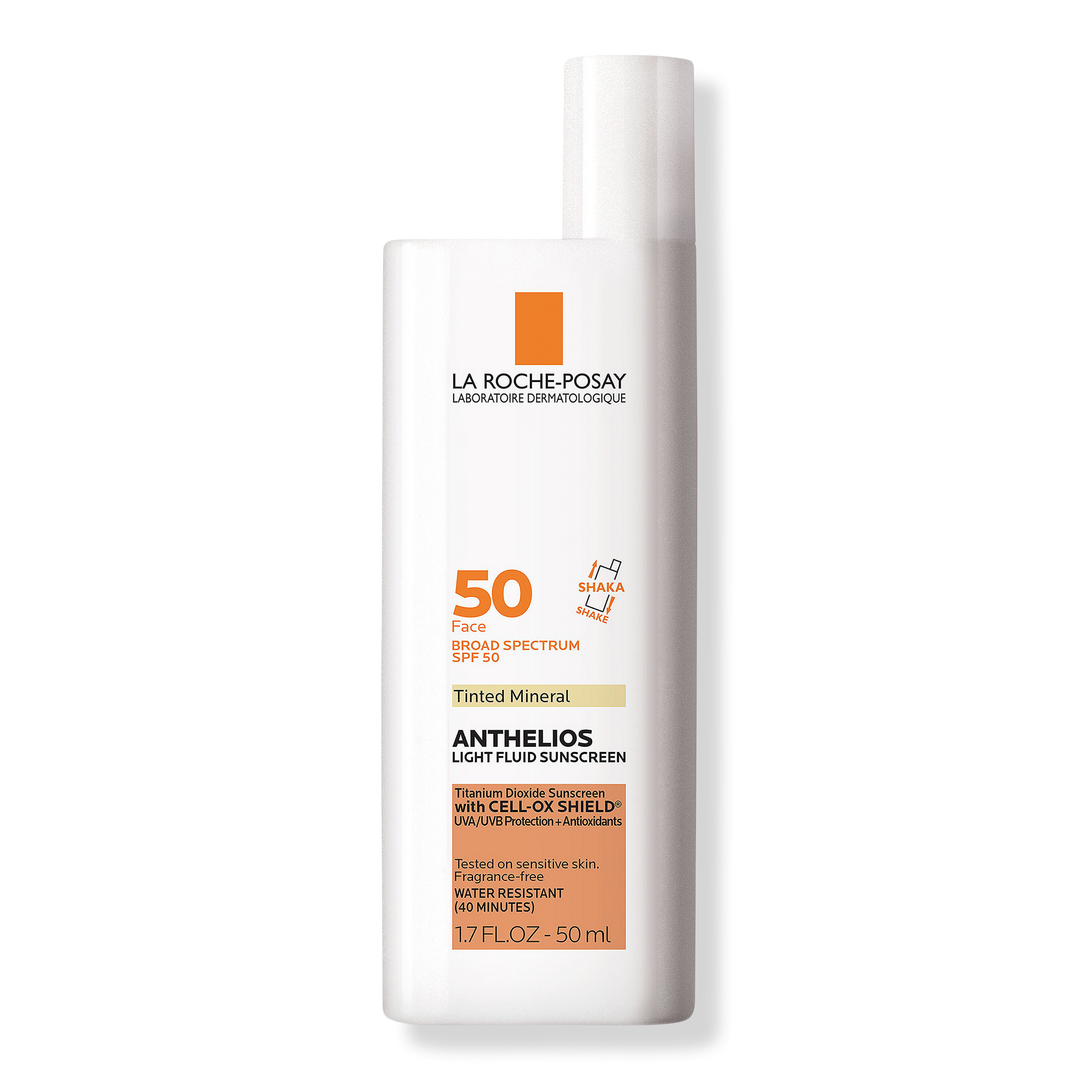
La Roche-Posay Anthelios Mineral Tinted Ultra Light Face Sunscreen Fluid SPF 50
Tinted Mineral Sunscreen Fluid | $39.99
Shop La Roche-Posay Anthelios Mineral Tinted SPF 50 at Ulta →
This 100% mineral, non-greasy matte fluid is one of the most recommended sunscreens for sensitive and compromised skin because it relies on titanium dioxide rather than chemical UV filters, which many people with reactive skin find easier to tolerate. A subtle, blendable tint eliminates the white cast common with mineral formulas and leaves a natural, healthy-looking finish. Powered by Cell-Ox Shield Technology, it delivers broad-spectrum UVA/UVB protection alongside antioxidant defense against free radicals. It is water-resistant up to 40 minutes. HSA/FSA eligible.
Key specs: SPF 50 · 100% Mineral · Titanium Dioxide · Tinted · Non-Comedogenic · Water-Resistant 40 Min · HSA/FSA Eligible
Ulta Beauty Advisor's Tip: "Shake the bottle well before applying, then give it about 15 minutes before sun exposure. The tint blends into most skin tones beautifully and the matte finish means no greasy layer on top of your recovery routine."
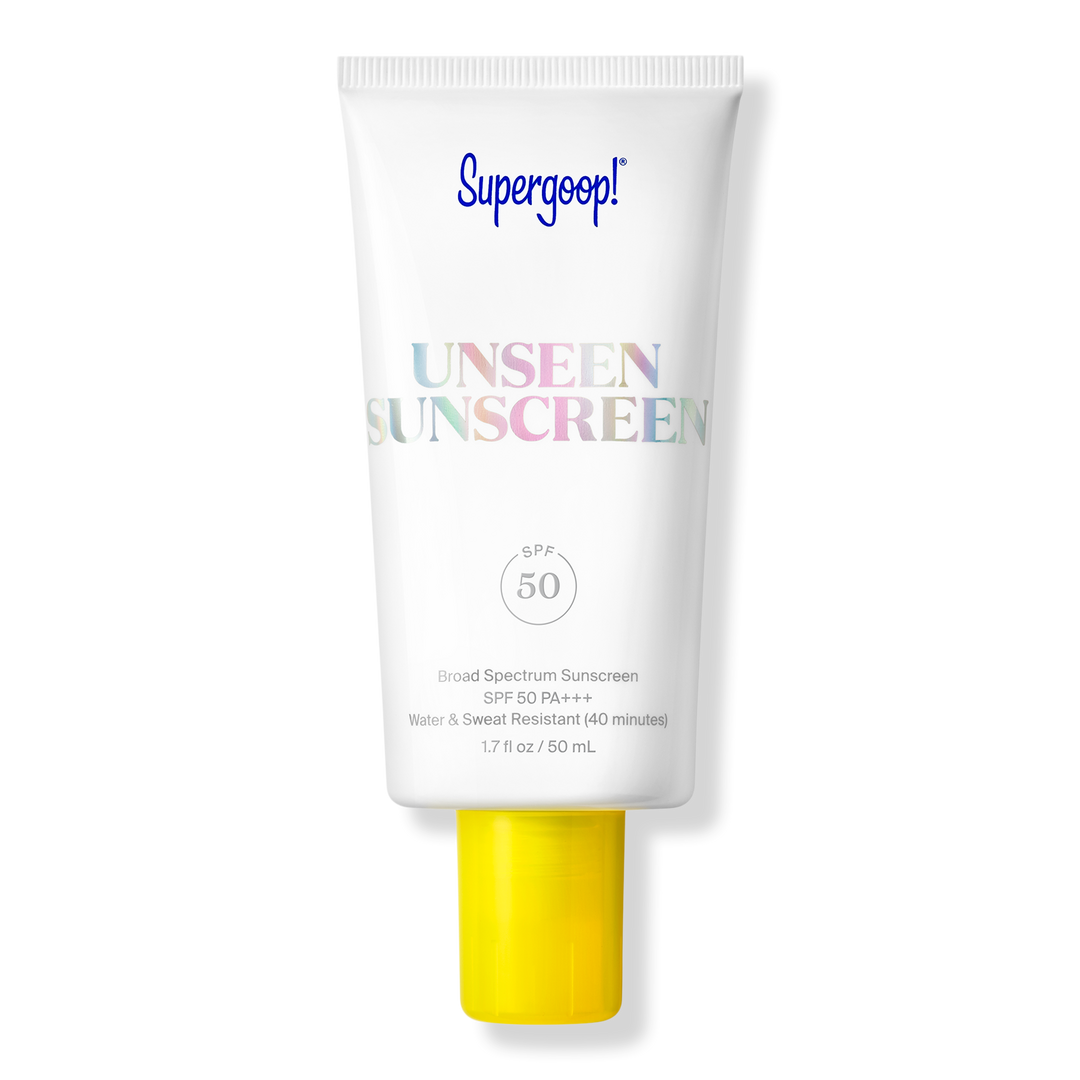
Supergoop! Unseen Sunscreen SPF 40
Weightless Sunscreen | $38.00
Shop Supergoop! Unseen Sunscreen at Ulta →
If heavy sunscreen formulas have been sitting uncomfortably over dry patches or dragging on reactive skin, the Unseen Sunscreen offers a completely different texture. The silicone-base formula blurs the look of pores and applies virtually weightless, with no white cast and no detectable scent. It layers neatly under makeup without balling or pilling, making it a practical choice for anyone who needs reliable daily sun protection without the sensory friction of a thicker formula during a skin reset.
Key specs: SPF 40 · Chemical Sunscreen · Fragrance-Free · No White Cast · Vegan · Reef-Safe
How to tell when your skin is ready for actives again
Wait until your skin feels consistently calm during cleansing, moisturizing and sunscreen application. Flaking, tightness, redness and stinging should no longer be your daily baseline.
Signs your skin may be ready include:
Water and cleanser no longer sting
Moisturizer feels comfortable
Dry patches have settled
Your face does not feel tight after washing
Sunscreen applies without burning
Your skin has felt stable and comfortable for at least three to five consecutive days
Feeling better once is encouraging, but it is not a cue to restart everything that evening. Give your basic routine a little more time so you can tell whether the comfort lasts.
How to restart exfoliation without overdoing it
Bring back one active at a time. This makes it easier to spot irritation early and keeps your routine from becoming a guessing game.
Choose one product. Start with the exfoliant or active that matters most to your routine rather than restarting acids, retinoids and scrubs together.
Patch test it. Follow the product directions and test a small area before applying it across your face.
Use it less often than before. Leave recovery nights between uses and avoid increasing frequency while your skin is still adjusting. If you were using an acid daily before, once or twice per week with at least one recovery day between applications is a practical starting point.
Keep the rest of the routine basic. Pair the active with gentle cleansing, moisturizer and daytime sunscreen.
Watch for early warning signs. New tightness, burning, persistent redness or flaking means it is time to pause again.
Follow each product's directions because acid strength, format and recommended frequency vary. More tingling does not mean a product is working better.
Common over-exfoliation mistakes to avoid
A skin reset can stall when exfoliation sneaks in through products or habits you do not think of as active treatments.
Watch out for these common mistakes:
Avoid using an exfoliating cleanser and a leave-on acid in the same routine, because the combination adds more exfoliation than most skin can handle at once.
Do not apply an acid more often simply because results are not immediate. Increasing frequency before your skin has adjusted is a common way to push past its tolerance.
Do not scrub flakes away with a towel, brush or peeling gel. Mechanical friction on already irritated skin can extend recovery time and worsen redness.
Avoid washing with hot water even if the warmth feels soothing in the moment. Heat can strip the skin further and make redness worse.
Resist layering several acne, brightening and anti-aging treatments at once. Each active adds potential for irritation, and the combined effect is harder to reverse than any single product.
Check whether the product directions call for dry skin before applying actives to damp skin. Damp skin can increase absorption and raise the risk of irritation with certain formulas.
Do not restart every paused product on the same night once your skin feels better. Reintroducing one active at a time makes it much easier to catch irritation early.
Stop using a product that causes stinging even if it is popular or has worked for you in the past. Stinging is a signal worth listening to regardless of a product's reputation.
Product labels matter. Check both active ingredients and use directions so you can spot overlap before it lands on your face.
Frequently asked questions
Can I wear makeup while my skin is over-exfoliated?
You can wear makeup if applying and removing it feels comfortable. Choose products your skin already tolerates, use clean tools and avoid heavy buffing over sore or flaky areas. Skip makeup if your skin is cracked, swollen or painful.
Is skin purging the same as over-exfoliation?
No. Purging generally refers to temporary breakouts after starting certain ingredients, while over-exfoliation commonly includes tightness, stinging, redness and widespread sensitivity. Because reactions can look similar, pause the suspected product and ask a dermatologist if you are unsure.
Can over-exfoliation happen on the body too?
Yes. Frequent body scrubs, exfoliating acids, rough tools and close shaving can leave body skin feeling raw or tight. Pause the irritating step and use a gentle body wash, moisturizer and sun protection on exposed areas.
Why did a product suddenly start stinging when it never did before?
Your skin's tolerance can shift after frequent active use, weather changes or irritation from another product. Stop using anything that burns, return to your basic routine and reintroduce products slowly once your skin feels comfortable.
Information provided is for educational purposes only and is not intended as medical advice or a guarantee of results. Consult a dermatologist or healthcare professional for personalized skin care guidance.
Related Content:
Best Pimple Patches, Summer Skin Care Sets, Azelaic Acid Benefits, Beginners Skin Care Routine, Best Ceramides For Skin, Slugging in Skin Care, What do Peptides do for Skin?
Discover more: Skin Care Buying Guides and Beauty Education Articles