The best products for low porosity hair
Low porosity hair resists moisture easily, so lightweight and layerable products are the key to keeping it hydrated and healthy.
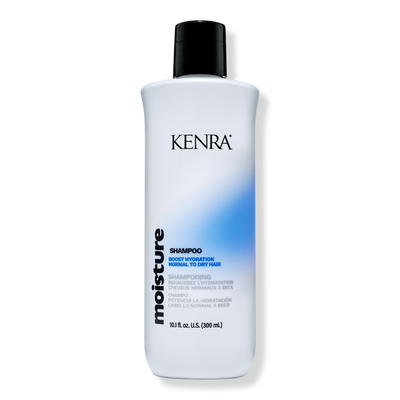
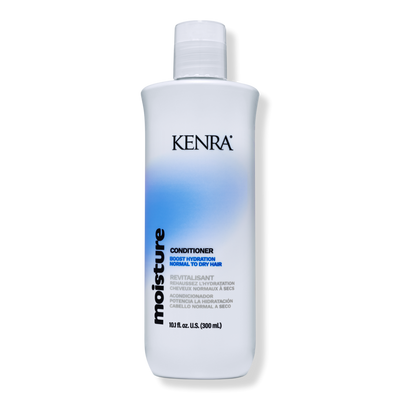
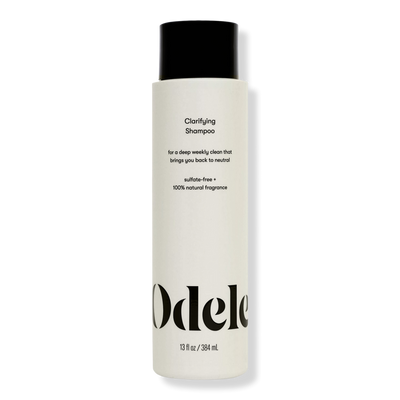
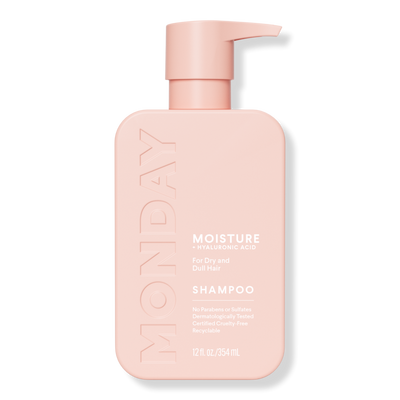
Best shampoos and conditioners for low porosity hair
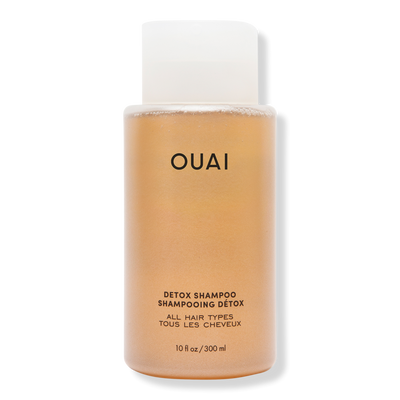
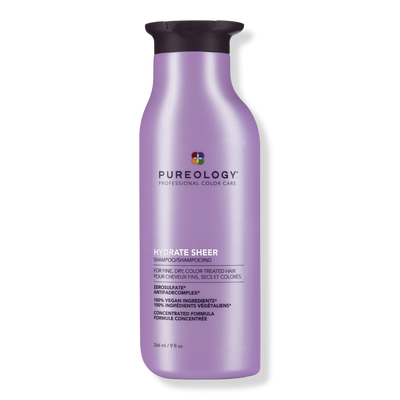
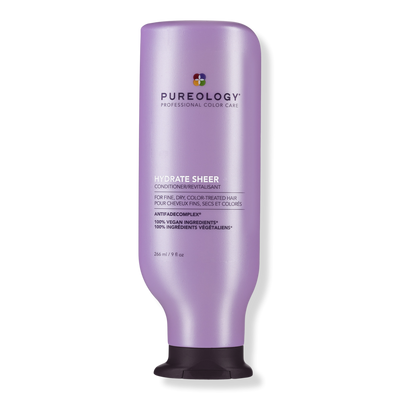
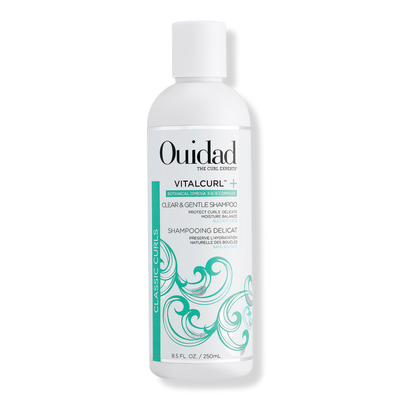
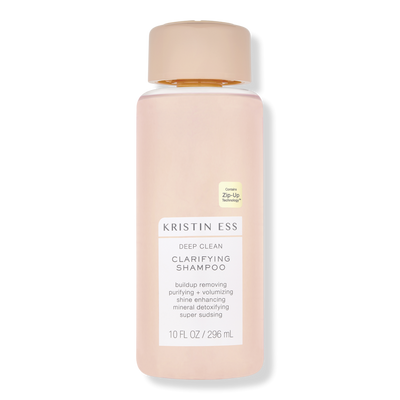
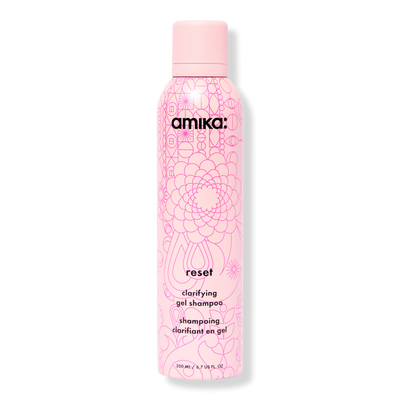
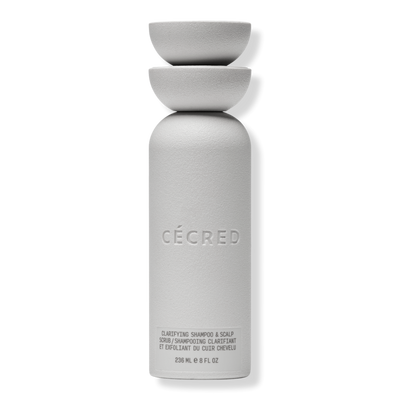
Because buildup happens fast, reach for a clarifying shampoo every 2-4 weeks and follow with a lightweight conditioner that won't weigh strands down.
12 items
Use previous and next buttons to navigate the slides of the Best shampoos and conditioners for low porosity hair Product Carousel
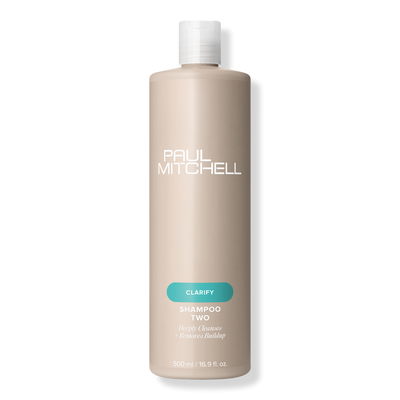
Paul Mitchell
Shampoo Two Clarifying Cleanser
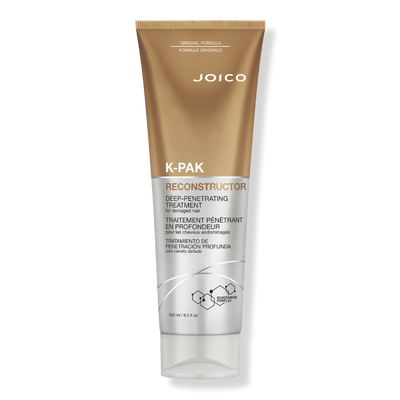
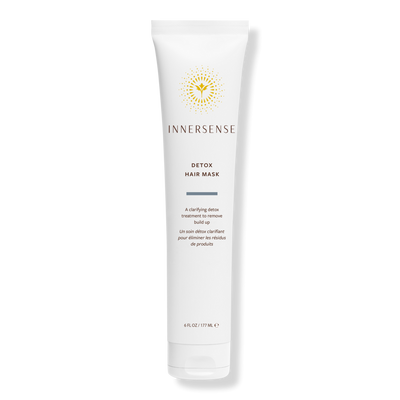
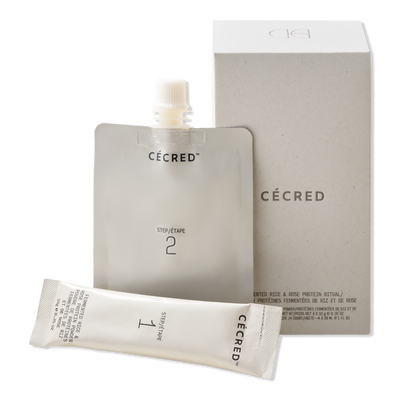
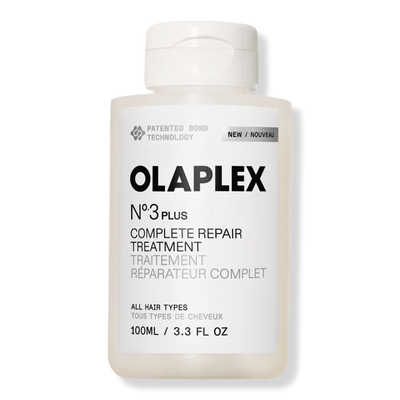
Best masks and treatments for low porosity hair
Use a hair mask, deep conditioner or bond repair treatment one to two times a week to give strands an extra boost of moisture and strength without the heavy buildup.
12 items
Use previous and next buttons to navigate the slides of the Best masks and treatments for low porosity hair Product Carousel
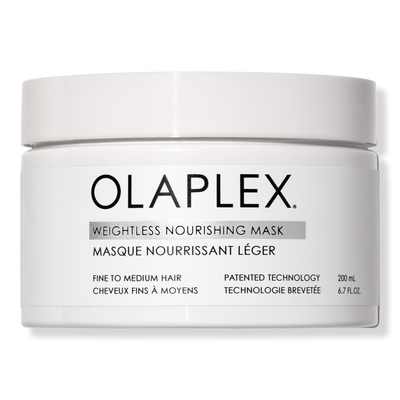
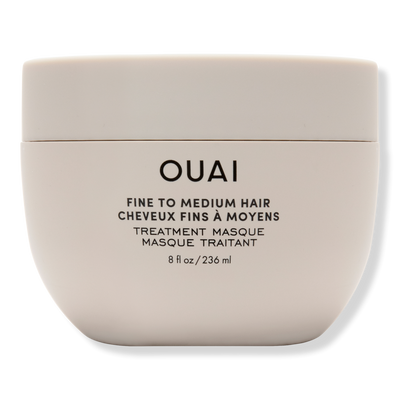
OLAPLEX
Weightless Nourishing Hair Mask for Fine to Medium Hair
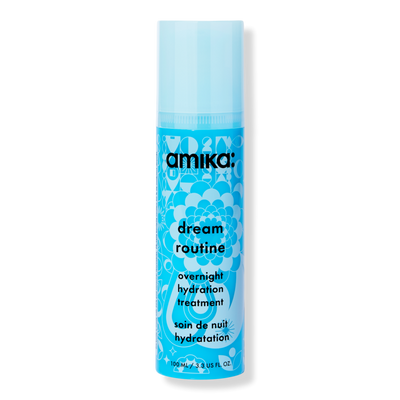
amika
Dream Routine Overnight Hydration Treatment
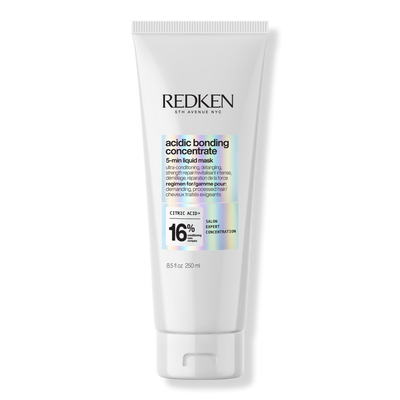
Redken
Acidic Bonding Concentrate 5 Minute Liquid Mask
Best styling products for low porosity hair
Every wash calls for lightweight layers: think leave-ins, curl creams, mousses and gels that hydrate and hold without sitting heavy on strands.
12 items
Use previous and next buttons to navigate the slides of the Best styling products for low porosity hair Product Carousel
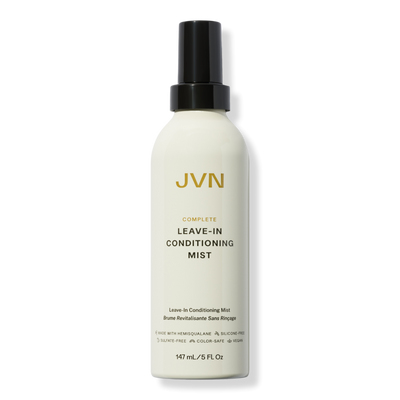
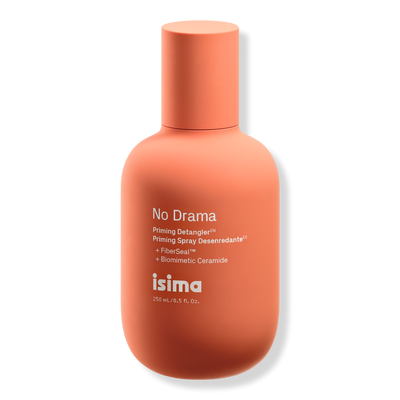
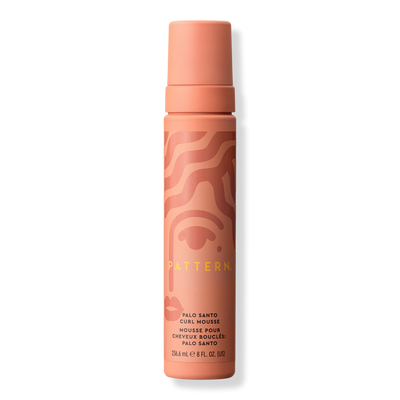
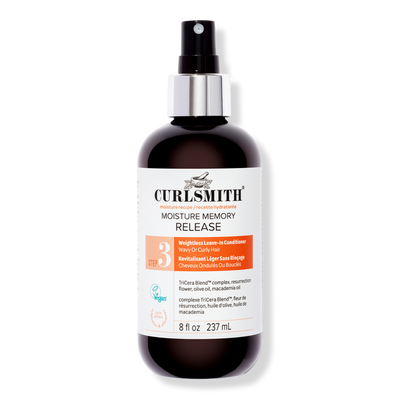
Curlsmith
Moisture Memory Weightless Leave-In Release
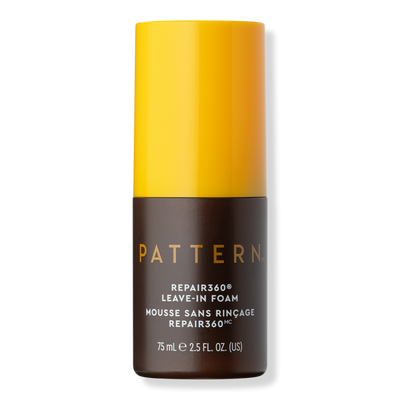
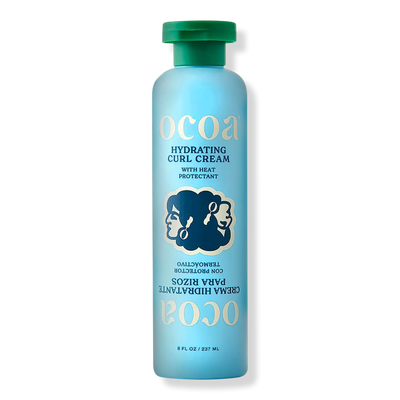
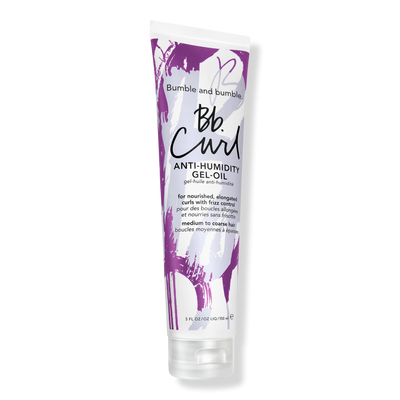
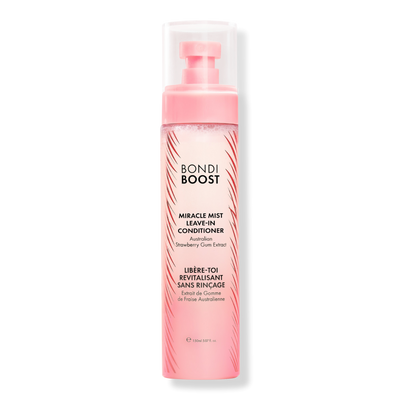
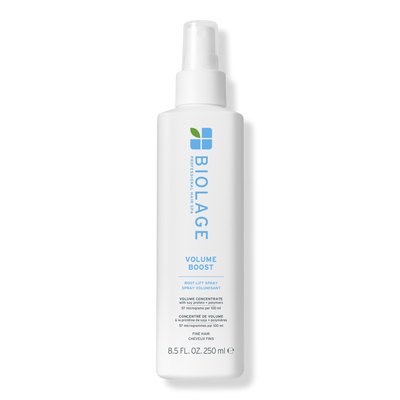
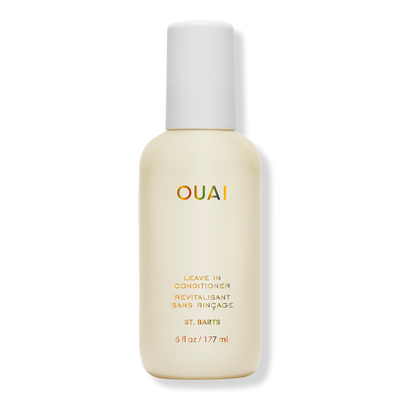
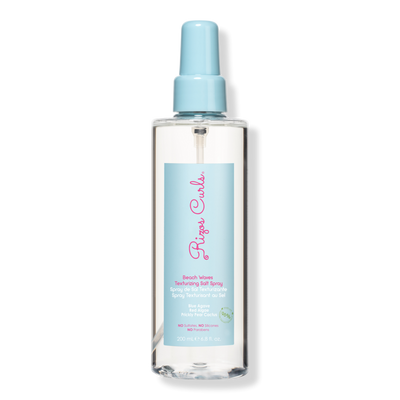
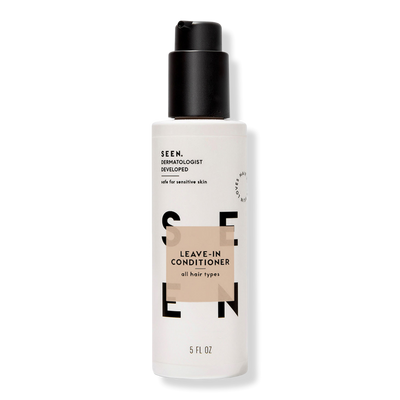
Best oils and serums for low porosity hair
Finish your routine with lightweight oils and serums that lock in hydration and add shine, just skip heavy options like castor oil or thick layers of coconut oil, which can leave hair feeling coated. Skip heavy options like castor or coconut oil, which can leave hair feeling coated.
12 items
Use previous and next buttons to navigate the slides of the Best oils and serums for low porosity hair Product Carousel
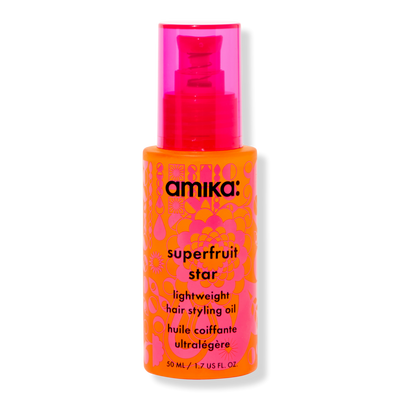
amika
Superfruit Star Lightweight Hair Styling Oil
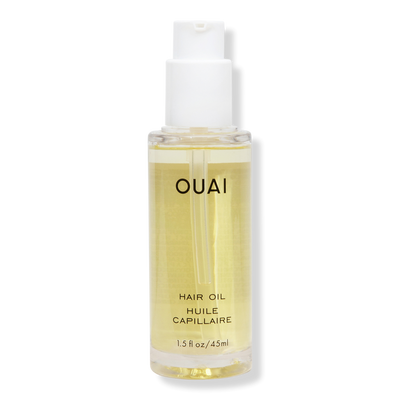
OUAI
Lightweight Hair Oil for Frizz Control
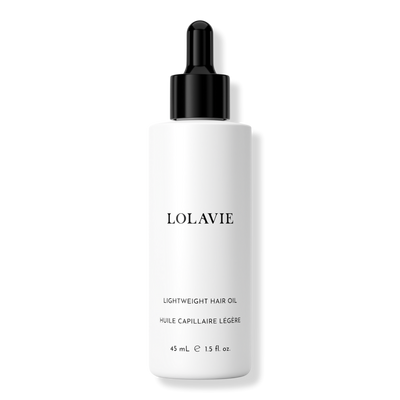
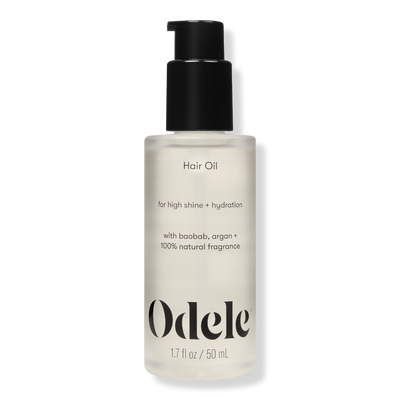
Odele
Hair Oil for Lightweight Shine + Hydration
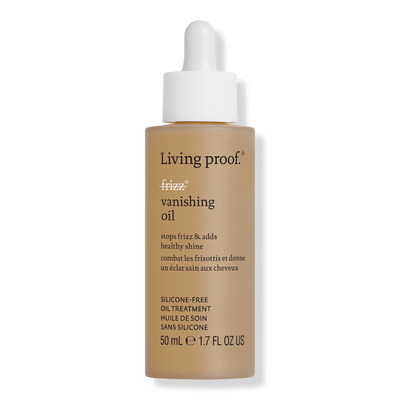
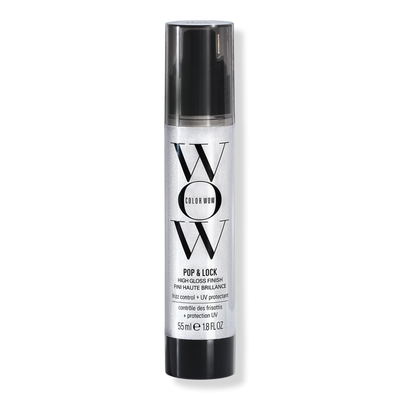
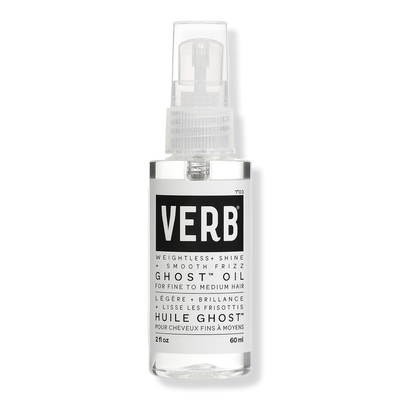
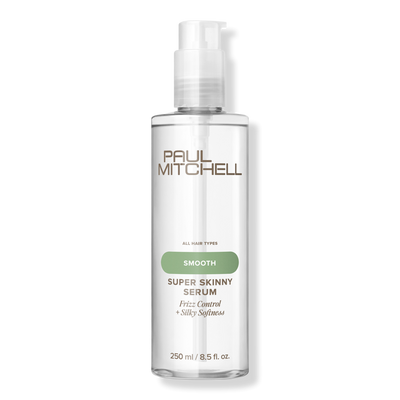
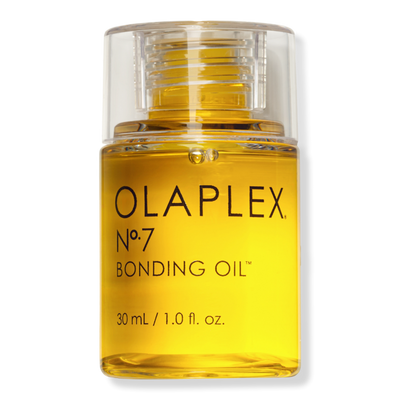
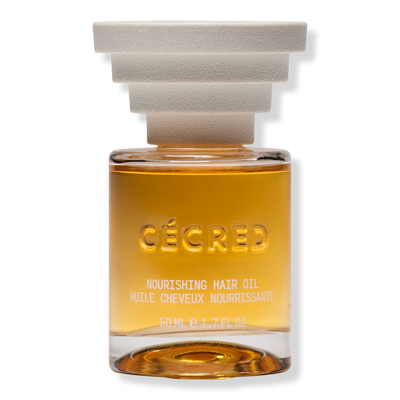
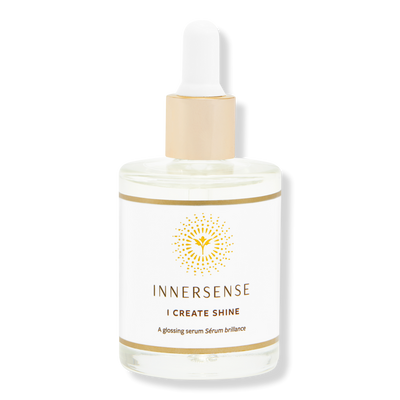
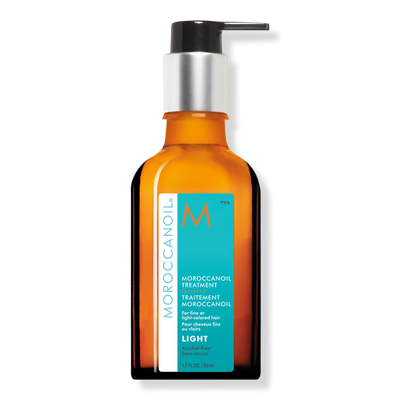
Low porosity hair products
Got questions about low porosity hair? You're in good company. When your cuticle sits tight and closed, moisture has a harder time getting in, which means the products you reach for really do make a difference.
Frequently asked questions
What is low porosity hair?
Low porosity hair has a tightly closed cuticle layer that makes it harder for moisture to enter and easier for products to sit on top of the strand instead of absorbing in.
Once moisture does get in, though, it stays locked in longer than higher porosity types. The real challenge is getting hydration through that cuticle in the first place, which is why product choice and application method matter so much.
Discover our What is Hair Porosity guide for more details.
How to tell if you have low porosity hair?
Low porosity hair is easy to spot at home with a simple float test: drop a clean, dry strand into a glass of water and watch what happens.
- If it floats at the top after a few minutes, your hair is likely low porosity
- If it sinks quickly, your porosity is higher
- Other signs include water beading on the surface, products sitting on top of strands without absorbing and hair that takes a long time to get fully wet in the shower
What products are best for low porosity hair?
Low porosity hair responds best to lightweight, water-based formulas that can actually penetrate the cuticle without sitting heavy on top.
Look for:
- Shampoos and conditioners: A clarifying shampoo every 2–4 weeks to clear buildup, followed by a lightweight conditioner
- Masks and treatments: A hair mask, deep conditioner or bond repair treatment used one to two times a week for a moisture and strength boost
- Styling products: Leave-in conditioners, curl creams, mousses and gels that hydrate and hold without weighing strands down
- Oils and serums: Lightweight options that seal in hydration and add shine, skip heavy oils like castor oil or thick layers of coconut oil
What styling products work for low porosity hair?
The best styling products for low porosity hair are layerable and lightweight. Every wash day, reach for products that hydrate and hold without leaving strands feeling coated or heavy.
Great options include:
- Leave-in conditioners to lay the moisture foundation
- Curl creams for definition and softness
- Mousses for volume and hold without stiffness
- Styling gels for structure and frizz control
- Blowout creams for smooth, heat-styled result
Apply in layers from lightest to heaviest for best absorption.
Are water-based products good for low porosity hair?
Yes, water-based products are one of the best choices for low porosity hair. Because the cuticle is tightly closed, water-based formulas are lighter and more easily absorbed than cream- or butter-based alternatives.
Heavy butters and thick oils tend to coat the outside of the strand rather than penetrating it, which leads to buildup and a weighed-down feel. Water-based leave-ins, lightweight gels and fluid serums work with the hair's structure rather than against it.
Can low porosity hair be frizzy?
Yes, low porosity hair can absolutely be frizzy, especially when it's under-moisturized. Because moisture has a hard time getting in, strands can be thirsty even when product is sitting on top of them.
The key is using techniques that help open the cuticle before applying products—like applying your leave-in or styler to soaking-wet hair or using a little heat during deep conditioning. Lightweight, water-based formulas also help seal the cuticle back down after moisturizing, which keeps frizz in check.
Why does product build up so fast on low porosity hair?
Low porosity hair builds up quickly because its tightly sealed cuticles don't absorb products easily so formulas accumulate on the surface of the strand instead.
Heavy creams, thick butters and silicone-heavy products are the biggest culprits. To keep buildup from dullness and weighing strands down, reach for a clarifying shampoo every 2–4 weeks. In between, stick to lightweight, water-based formulas that are less likely to linger on the strand.
How often should I use a hair mask or deep conditioner if I have low porosity hair?
For low porosity hair, using a hair mask, deep conditioner or bond repair treatment one to two times a week is the sweet spot for maintaining moisture and strength.
Since low porosity hair is resistant to absorbing moisture, consistent weekly treatments help ensure hydration actually gets into the strand over time. Apply your mask to damp hair and, if possible, add a little gentle heat, like a hooded dryer or a warm towel, to help open the cuticle and let the formula do its thing.
Related Content: Pro Hair Tools, K Beauty Hair Care, Stress Relief Products, Best Volumizing Hair Care, Best Hair Dye for Gray Hair, Best Products for Gray Hair, Best Blow Dry Brushes, Best Hair Oils, Best Products for Oily Hair, Best Dandruff Shampoo
Explore more Hair Care Buying Guides and Beauty Education Articles