Clarifying shampoo 101: actually cleansing or just hype?
By Ulta Beauty Advisors · Published June 2026 · Updated September 2026
All products featured are available at Ulta Beauty. Ulta Beauty Advisors select products independently. Prices and availability are subject to change.
Squeaky-clean scalp, meet your new bestie. Clarifying shampoos have a rep for their deep-cleaning power, but do they actually do more than your everyday wash, or is it all hype? The short answer: it depends on your buildup and how often you reach for one. Clarifying shampoos use stronger cleansing agents to help lift away residue that regular shampoos may leave behind. Used right, they can make hair feel lighter and fresher. Used too often, they can leave strands feeling stripped.
Buildup is a super common concern. Styling products, hard water minerals, excess oil and even conditioner leftovers can pile up on your scalp and hair over time. That gunk can weigh hair down, dull your shine and make your usual products work less well. Learning how clarifying shampoos work, and when to use one, can help you decide if it belongs in your routine.
What causes scalp and hair buildup?
Before we talk cleansing, let's talk about what you're actually cleansing away. Buildup sneaks up gradually, so you may not notice it until your hair feels heavy or flat.
Here's what's usually behind it:
Product residue: Dry shampoo, gels, mousses, oils and serums can layer up on your scalp and strands, especially if you skip the occasional deep clean.
Hard water: Water high in minerals like calcium and magnesium can leave a film on hair. Over time, that may leave strands feeling rough or looking dull.
Excess oil: Your scalp naturally makes sebum. A little is great for healthy hair, but too much can mix with sweat and product for a heavy, greasy feel.
Left alone, buildup can make hair look lackluster and feel weighed down. It can also block your favorite treatments and masks from doing their best work.
How do clarifying shampoos work?
Clarifying shampoos work by using stronger surfactants, the cleansing agents that attract both oil and water, to help lift away stubborn residue. Think of them as a reset button for your scalp and strands.
Regular shampoos clean your hair too, but they're formulated for gentler, everyday use. Clarifying formulas go deeper, dissolving the oils, minerals and product film that build up between washes. Some also include chelating ingredients that help bind to hard water minerals so they rinse away.
Here's what clarifying shampoos are generally thought to do:
Break down and rinse away product residue and excess oil
Help remove hard water mineral buildup that dulls shine
Leave the scalp feeling fresh and hair feeling lighter
Prep hair so treatments and styling products may work better
The catch? That deep-cleaning power means clarifying shampoos can also strip away some natural oils. That's why they're a once-in-a-while pick, not an every-day one.
Clarifying vs. regular vs. moisturizing shampoo: what's the difference?
All three cleanse, but they play different roles. Here's the quick breakdown.
- Clarifying shampoo: Built with stronger surfactants, clarifying shampoos help lift away heavy buildup, oil and mineral residue for a deep, refreshing clean. Best used occasionally, think a weekly or monthly reset depending on your hair.
- Regular shampoo: Your everyday cleanser. Regular shampoos are formulated for gentler, more frequent use, cleaning away daily dirt and oil without the deep-strip effect. Great for keeping things balanced day to day.
- Moisturizing shampoo: These lean on conditioning ingredients that help add softness and lock in hydration as you cleanse. A go-to for dry, curly or color-treated hair that craves extra moisture.
The takeaway: reach for a clarifying shampoo when buildup has your hair feeling heavy, a regular shampoo for everyday cleansing and a moisturizing shampoo when softness and hydration are the goal.
Potential benefits and limitations of clarifying shampoos
Potential benefits include:
Helps remove stubborn product, oil and mineral buildup
Leaves hair feeling lighter, fresher and more voluminous
May restore shine dulled by residue
Preps hair so masks and treatments can absorb better
Great reset after swimming, heavy styling or hard water exposure
Potential limitations include:
Stronger surfactants can strip natural oils if overused
May leave dry or color-treated hair feeling parched without follow-up conditioning
Not meant for daily use for most hair types
Results vary depending on your buildup and water quality
Bottom line? A clarifying shampoo can be a game-changer for a fresh-start clean. But pair it with a good conditioner or mask so your hair stays balanced, not stripped.
How to choose a clarifying shampoo
Your pick comes down to your hair's needs and how often you'll use it:
Consider your hair type. Fine or oily hair may love a weekly clarify, while dry, curly or texture hair may only need one every few weeks.
Consider frequency. More buildup, from heavy styling or hard water, may call for more regular clarifying. Lighter routines need it less often.
Consider the ingredients. Look for gentle-but-effective surfactants and chelating agents for hard water. If your scalp runs sensitive or your color is fresh, seek out sulfate-free or color-safe formulas.
Peek at the label before you commit. A formula matched to your hair type helps you clean deeply without overdoing it.
Best clarifying shampoos for a fresh, clean scalp
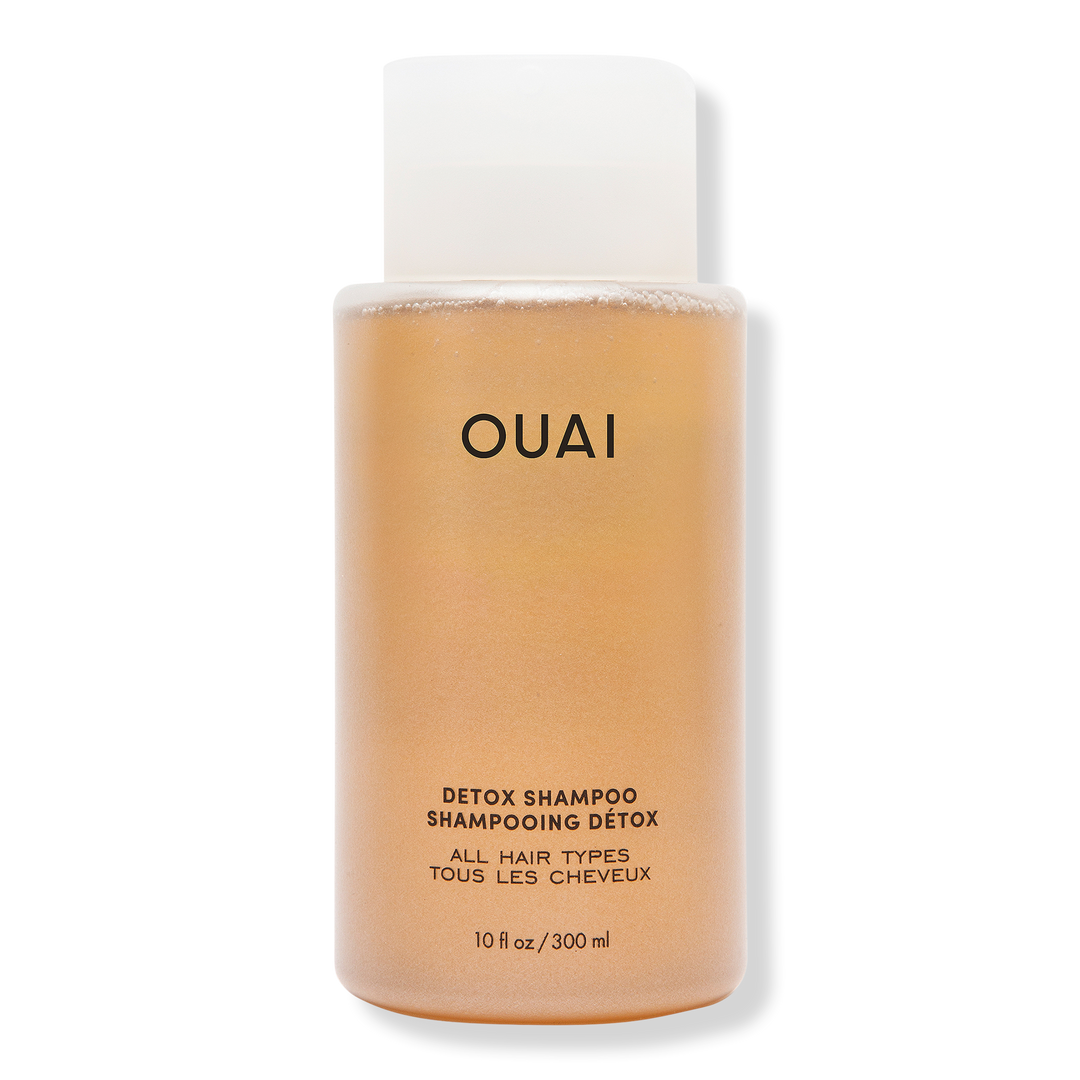
Best all-around clarifying shampoo
Ouai Detox Shampoo
Clarifying shampoo | $16.00 to $68.00
Shop Ouai Detox Shampoo at Ulta Beauty →
Buildup, meet your match. This cult-fave clarifying shampoo uses chelating agents and gentle cleansers to help lift away product residue, oil and hard water minerals, without leaving hair feeling stripped. It's a fan-favorite reset for nearly every hair type.
Key specs: Chelating ingredients for hard water · Deep-cleansing yet balanced · Works for most hair types · Fresh, clean finish
Ulta Beauty Advisor tip: Use it once a week, or whenever your hair feels heavy. Follow with a hydrating conditioner or mask to keep strands soft!
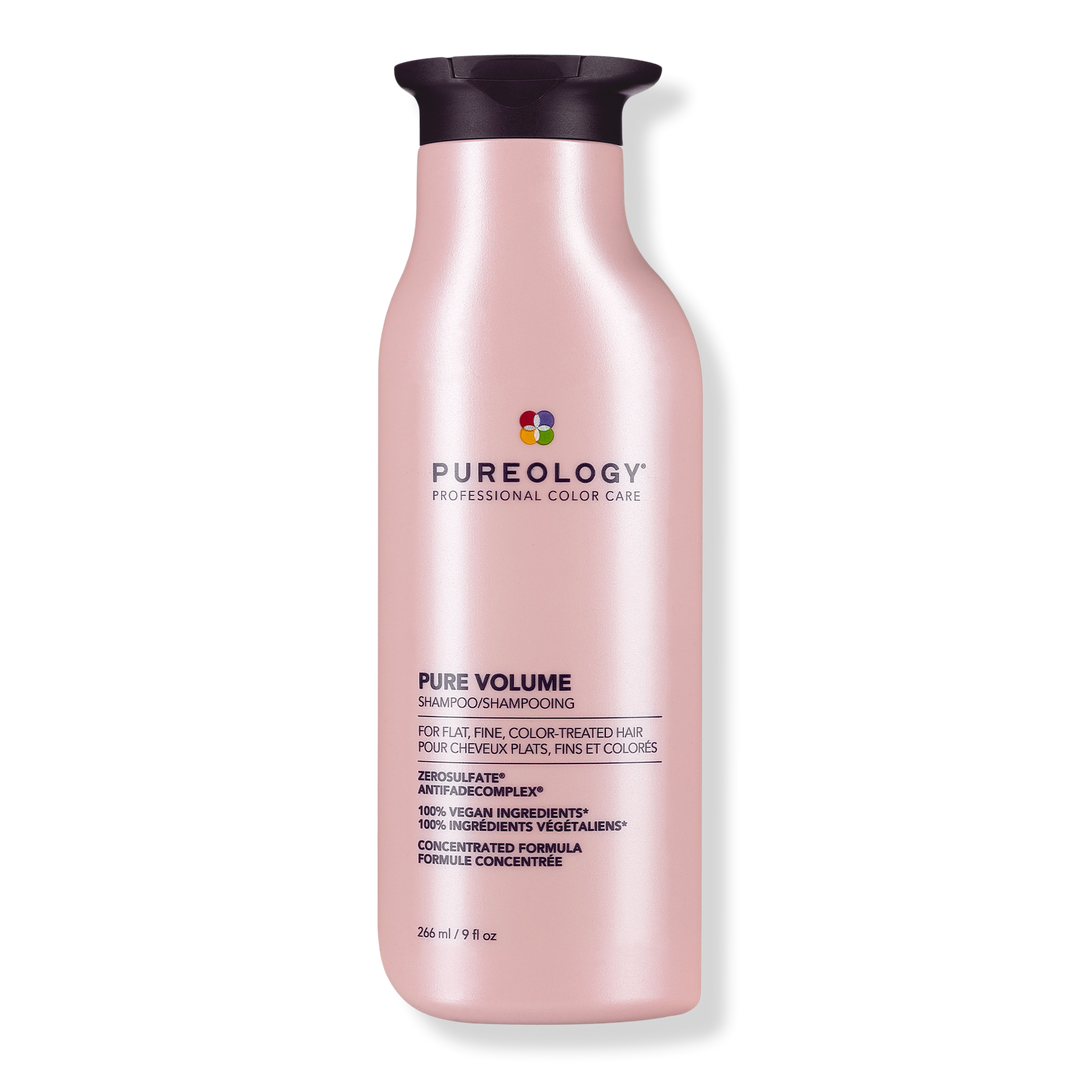
Best for color-treated hair
Pureology Pure Volume Purify Shampoo
Clarifying shampoo | $36.00 to $90.00
Shop Pureology Pure Volume Purify Shampoo at Ulta Beauty →
Deep clean, color kept. This sulfate-free formula helps remove buildup and refresh your scalp while being gentle on color-treated strands. It cleanses without the harsh strip, so your shade stays vibrant longer.
Key specs: Sulfate-free · Color-safe formula · Vegan · Gentle deep cleanse
Ulta Beauty Advisor tip: Reach for it every few weeks between color appointments. A little goes a long way, so start small and work up!
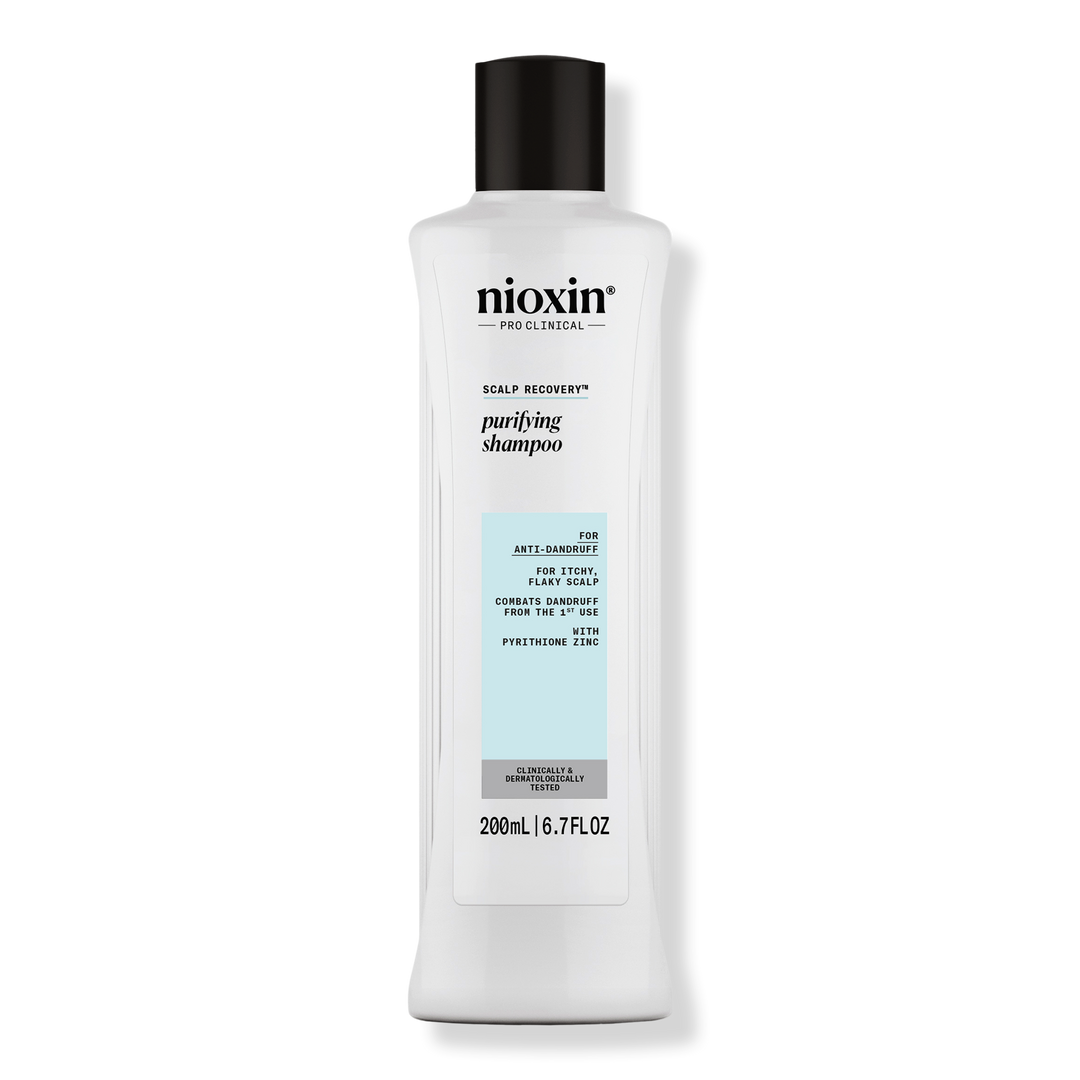
Best for sensitive scalp
Nioxin Scalp Recovery System Purifying Shampoo
Clarifying shampoo | $27.00 to $63.00
Shop Nioxin Scalp Recovery System Purifying Shampoo at Ulta Beauty →
Scalp issues, meet your reset. This targeted formula is designed for itchy, flaky scalps, using pyrithione zinc to help address the source of scalp discomfort while gently cleansing away buildup and excess oil. It goes beyond a surface-level clean to help your scalp feel calmer and more balanced with every wash.
Key specs: Pyrithione zinc formula · Targets scalp discomfort at the source · Gentle cleansing action · Helps reduce flakiness and irritation
Ulta Beauty Advisor tip: Massage into your scalp and leave it on for a minute or two before rinsing, that gives the pyrithione zinc time to do its thing. Use it regularly for best results and follow with a moisturizing conditioner to keep strands happy!
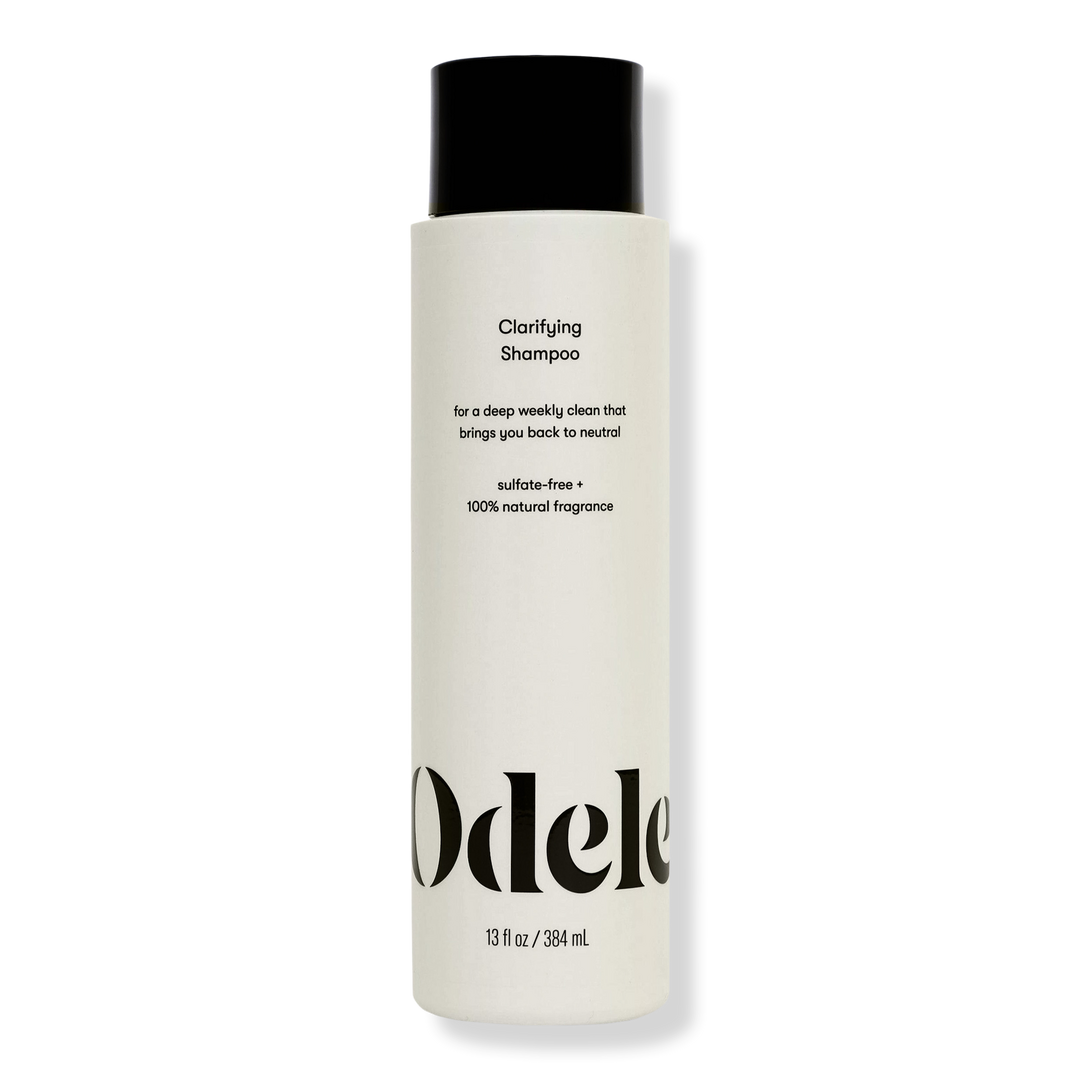
Best budget pick
Odele Clarifying Shampoo for Buildup Removal for All Hair Types
Clarifying shampoo | $4.99 to $24.99
Shop Odele Clarifying Shampoo for Buildup Removal for All Hair Types at Ulta Beauty →
Clean slate, great price. This clean-beauty fave uses a blend of gentle yet effective cleansers to help lift away buildup from all hair types, without harsh ingredients or a harsh price tag. It's a no-fuss reset that leaves hair feeling lighter and refreshed, and it's made with thoughtfully sourced ingredients you can feel good about.
Key specs: Sulfate-free formula · Safe for all hair types · Clean ingredients · Lightweight, clarifying finish
Ulta Beauty Advisor tip: Work it into wet hair, massage well into your scalp and let it sit for a minute before rinsing. Follow with a hydrating conditioner to keep your strands feeling balanced and soft!
How to use clarifying shampoo
Getting the most out of your clarifying shampoo is easy, it's all about timing it right. Here's a simple routine:
Clarify day:
Wet hair thoroughly with lukewarm water
Massage clarifying shampoo into your scalp and work through to the ends
Let it sit for 1-2 minutes to break down buildup
Rinse well, then follow with a hydrating conditioner or mask
Everyday days:
Cleanse with your regular or moisturizing shampoo
Condition as usual
Style away!
Keep your scalp happy; don't over-clarify, drink plenty of water and give your strands a nourishing mask now and then to balance the deep clean.
How often should you use clarifying shampoo?
You may notice lighter, shinier-looking hair right after your first wash thanks to that deep clean. But how often you clarify depends on your hair and buildup. Fine or oily hair may benefit from a weekly reset, while dry, curly or color-treated hair may only need one every 2-4 weeks.
Overdoing it can leave hair feeling dry, so listen to your strands. If your scalp stays itchy, flaky or irritated even after clarifying, a dermatologist may help.
Frequently asked questions
Do clarifying shampoos actually work?
Yes! Their stronger surfactants help lift away buildup that everyday shampoos may leave behind. Just use them occasionally so you don't strip your hair.
How often should I use a clarifying shampoo?
It depends on your hair. Oily or fine hair may like a weekly clarify, while dry or color-treated hair may only need one every few weeks.
Can I use clarifying shampoo on color-treated hair?
Yes, but choose a color-safe, sulfate-free formula and use it sparingly to help keep your shade looking vibrant.
Will clarifying shampoo dry out my hair?
It can if you overuse it. Always follow with a hydrating conditioner or mask to keep strands balanced.
Is clarifying shampoo good for hard water buildup?
Many are! Look for formulas with chelating ingredients that help bind to and rinse away mineral residue.
Can I use it every day?
For most people, no. Clarifying shampoos are meant as an occasional reset, not a daily cleanser. Stick with your regular shampoo in between.
What ingredients should I look for?
Effective surfactants and chelating agents help with buildup and hard water. If your scalp is sensitive or your color is fresh, seek out sulfate-free, color-safe options.
What's the most important factor for a healthy scalp?
Balance. Deep-cleaning when you need it, plus regular hydration, helps keep your scalp fresh and your hair feeling its best.
Related Content: Titanium vs Ceramic Flat Iron, What is Snail Mucin, Azelaic Acid Benefits, What is Double Cleansing?, What is Co-Wash?, What is Hair Porosity?, Best Wavy Hair Products, Best Protective Styles Products, Best Shampoo & Conditioner, Best Heat Protectant Sprays, DIY Lash Extensions
Explore more Hair Care Buying Guides and Beauty Education Articles