Hair color aftercare: How to keep hair color from fading?
By Ulta Beauty Advisors · Published August 2026
All products featured are available at Ulta Beauty. Ulta Beauty Advisors select products independently. Prices and availability are subject to change.
Fresh color can look rich, glossy and full of dimension, but your routine between appointments helps shape how long that look sticks around. Hair color aftercare: what to use to keep color vibrant comes down to gentle cleansing, regular conditioning, heat protection and fewer habits that speed up fading.
At Ulta Beauty, we recommend starting with a color-safe shampoo and conditioner, then adding a hair mask, leave-in conditioner or heat protectant based on what your hair needs. The part that actually matters is consistency: limiting unnecessary washes, using lukewarm water and protecting your hair before heat styling can help your color look vibrant between appointments.
This guide breaks down the full routine, the product types worth considering and the common mistakes that can make fresh color lose its spark sooner.
How to keep hair color from fading?
A good color-care routine protects your hair from repeated exposure to water, strong cleansers and high heat. You do not need a packed shelf. You need a few products that fit your hair type, color service and styling habits.
Start with these basics:
- A gentle shampoo labeled for color-treated hair
- A conditioner that gives your lengths enough moisture and slip
- A weekly mask if your hair feels dry, rough or tangled
- A leave-in conditioner for added softness and easier detangling
- A heat protectant whenever you blow-dry or use hot tools
- A hair toning or color-depositing product only when your shade needs it
No routine can stop color from changing over time. Washing, sunlight, minerals in water and everyday styling can all affect the way a shade looks. Smart aftercare may help slow visible fading and keep hair feeling cared for while your color settles in.
Why hair color fades between appointments
Hair color can shift for several reasons, and more than one may be happening at once. Understanding the cause makes it easier to adjust your routine without blaming one shampoo, one tool or one busy week.
Common factors include:
- Frequent washing: Every rinse exposes hair to water, and shampoo removes oil, sweat and product buildup. Washing more often than your scalp needs may also move color along faster.
- Hot water: Very hot showers can leave color-treated hair feeling drier and may contribute to a quicker change in tone.
- Strong cleansing: Clarifying and deep-cleansing formulas can be useful for buildup, but they may not suit every wash when color retention is your main goal.
- Heat styling: Repeated high heat may contribute to dryness and a duller appearance, especially if you skip heat protection.
- Sun exposure: UV exposure can affect both natural and treated hair color. Hats, scarves and hair products made for sun-exposed routines can provide another layer of care.
- Swimming: Chlorine, salt water and repeated soaking can affect tone, moisture and manageability.
- Hair that is more porous (a term for hair whose cuticle has been raised by bleaching, chemical processing or repeated heat styling) tends to release color more quickly and often needs more conditioning support.
The type of color service matters too. Temporary, semi-permanent, demi-permanent and permanent colors do not fade in the same way. Vivid shades, pastels and reds typically use direct dyes that coat the outside of the hair cuticle rather than penetrating it, making them more susceptible to washing out with each rinse. Deeper, more neutral tones that use oxidative dyes tend to hold longer.
A color-care routine for wash day
Your wash routine does most of the heavy lifting. Keep it gentle, pay attention to how your scalp and ends feel, and adjust the schedule instead of forcing your hair into a fixed number of wash days.
- Detangle before getting in the shower: Gently work through knots with your fingers or a brush suited to your hair type. Start at the ends and move upward to reduce pulling.
- Use lukewarm water: You do not need an icy rinse. Comfortable, lukewarm water is a practical choice when you want to avoid exposing color-treated hair to very hot temperatures.
- Apply shampoo mainly to the scalp: Massage with your fingertips rather than scratching with your nails. Let the lather move through the lengths as you rinse instead of piling all your hair on top of your head.
- Repeat only when needed: A second cleanse may help after heavy product use, intense workouts or a longer stretch between washes. If your scalp feels clean after one round, you can stop there.
- Condition the mid-lengths and ends: Use enough product to coat the areas that feel dry or tangle easily. Follow the timing on the label, then rinse thoroughly.
- Blot instead of rubbing: Squeeze out excess water and use a microfiber towel or soft T-shirt. Rough towel drying can add friction and make damp hair harder to manage.
- Apply leave-in care: Use a leave-in conditioner, detangler or styling cream that suits your texture. Fine hair may prefer a light mist, while thick, coily or very dry hair may need a richer cream.
- Add heat protectant before styling. Apply it as directed before using a blow-dryer, flat iron, curling iron or hot brush. If you layer several styling products, check their labels so you know which one provides heat protection.
Best products for hair color aftercare
The right product mix depends on your scalp, texture, color and styling routine. Think in categories first, then choose formulas based on how your hair behaves.
Color-safe shampoo
Look for a shampoo made with color-treated hair in mind. These formulas generally focus on cleansing without leaving the lengths feeling stripped.
A few things to consider:
- Fine or oily hair may prefer a lighter shampoo that rinses clean.
- Dry, curly or coily hair may benefit from a more moisturizing formula.
- Frequent swimmers or heavy styling-product users may still need an occasional deeper cleanse.
- Fragrance preferences and scalp comfort matter, so stop using a formula if it causes irritation.
The full formula, how much you use and how often you wash all shape your results.
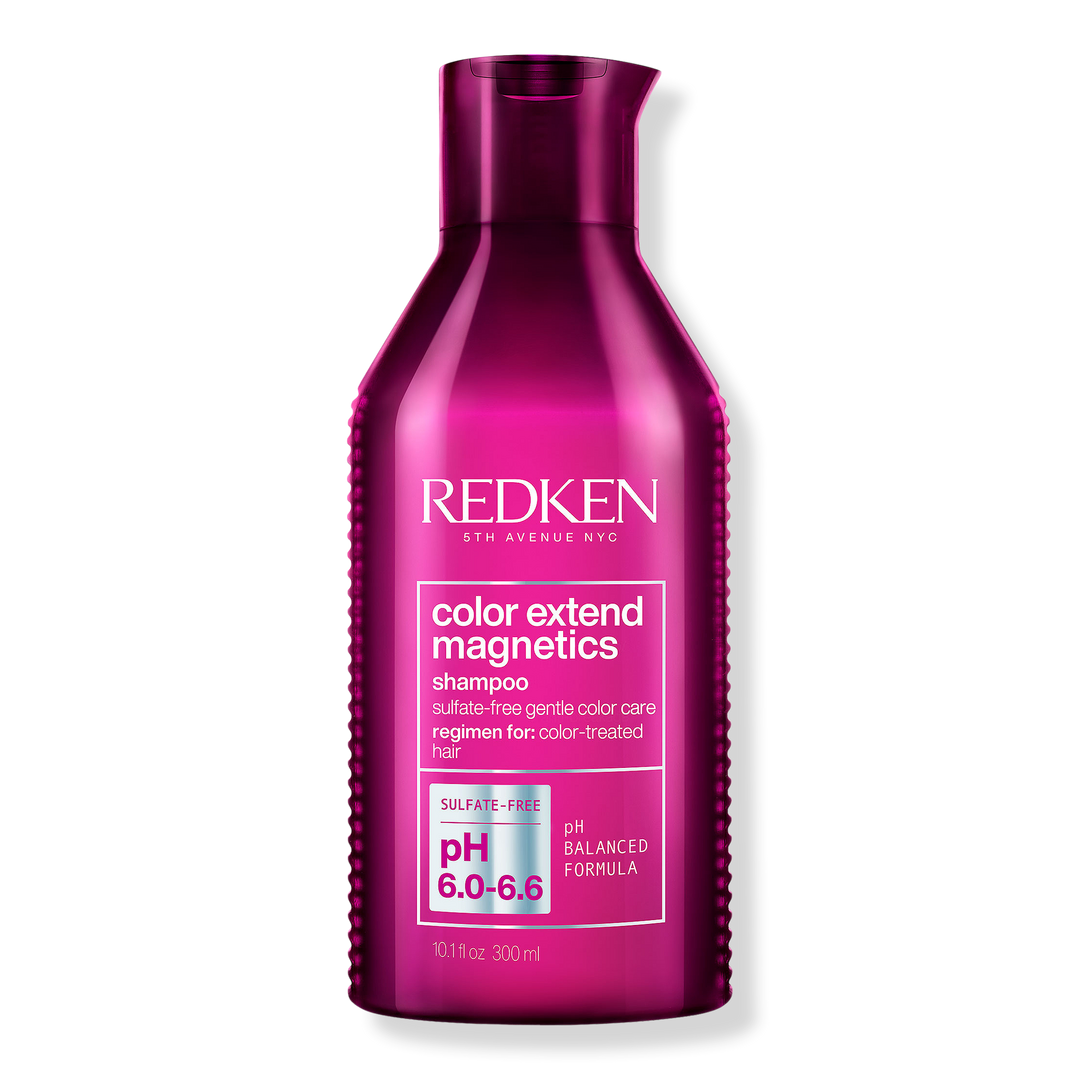
Redken Color Extend Magnetics Shampoo
Sulfate-Free Shampoo for Color-Treated Hair | $29.00
Shop Redken Color Extend Magnetics Shampoo at Ulta →
This sulfate-free formula uses Redken's amino acid-based Magnetics Complex to help preserve dye molecules in color-treated hair. It cleanses gently without stripping, making it a reliable daily option for freshly colored hair or hair that sees regular toning. The lather is light and rinses clean, which works well for both fine and medium textures. Those with very thick or coily hair may prefer a more moisturizing option, but as a straight color-protection shampoo, it delivers consistent results across a wide range of color services.
Key specs: Sulfate-Free · Amino Acid Complex · Color Protection · Daily Use · All Color Services
Why we recommend it: A consistent performer across color services. It cleanses without stripping tone, and the lightweight lather suits fine through medium textures well.
Color-safe conditioner
Conditioner helps color-treated hair feel softer, smoother and easier to detangle. Apply it where your hair needs it most, which is usually from the mid-lengths to the ends.
Choose based on your hair's feel:
- Pick a lightweight conditioner if rich formulas flatten your roots.
- Try a richer conditioner if your ends feel coarse, brittle or thirsty.
- Look for extra slip if tangles are your main concern.
- Choose a formula made for curls or coils if definition and moisture are priorities.
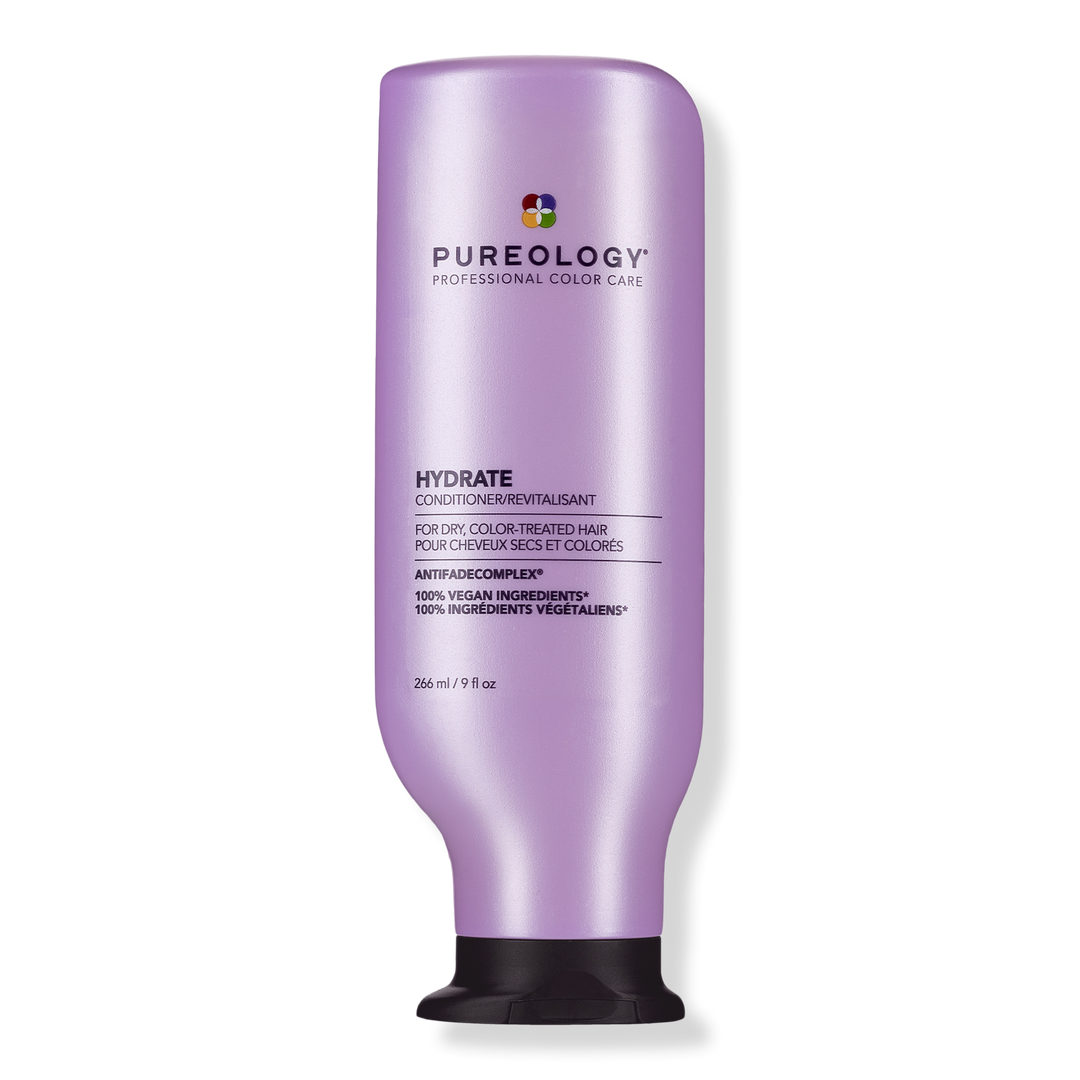
Pureology Hydrate Conditioner
Moisturizing Conditioner for Color-Treated Hair | $38.00
Shop Pureology Hydrate Conditioner at Ulta →
Pureology's Hydrate Conditioner is sulfate-free, vegan, and built specifically for dry, color-treated hair. The formula uses a blend of sage, green tea, and jojoba to moisturize mid-lengths and ends without weighing them down. It gives good slip for detangling, which matters most for hair that has been lightened or colored repeatedly. Apply from the mid-lengths down, leave it on for a few minutes, and rinse thoroughly. Finer textures should keep this away from the roots entirely.
Key specs: Sulfate-Free · Vegan · Color-Treated Hair · Sage, Green Tea & Jojoba · Slip and Detangling
Why we recommend it: Builds moisture into lightened and color-treated lengths without the weight that can flatten roots. Apply mid-lengths to ends only for best results.
Hair mask for colored hair
A mask is useful when regular conditioner is not quite enough. It can add a more concentrated conditioning step after lightening, frequent heat styling or a dry spell.
Use a mask according to its label rather than leaving it on indefinitely. More time does not always mean a better result, and using a rich mask too often may weigh down finer textures.
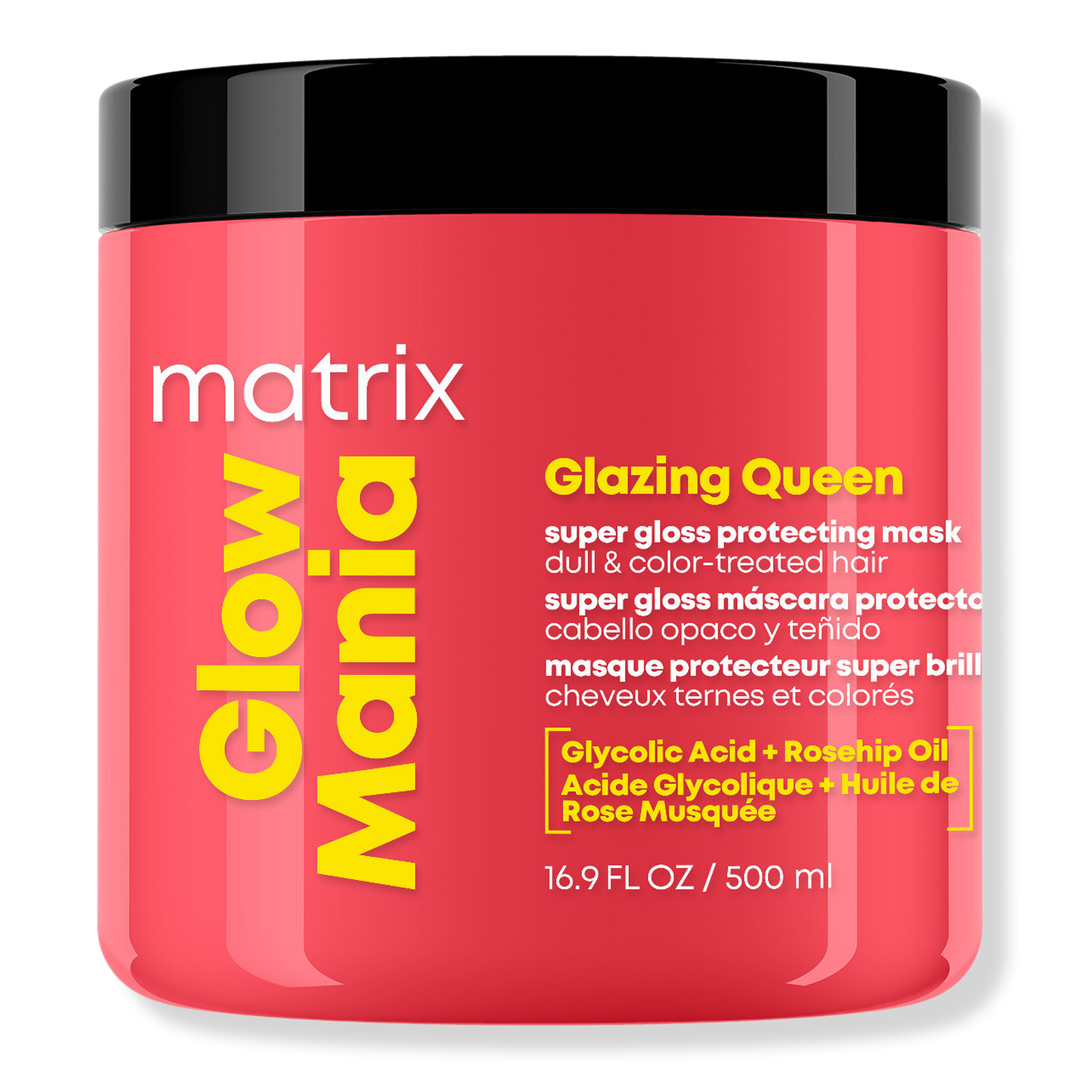
Matrix Glazing Queen Super Gloss Hair Mask
Super Gloss Protecting Hair Mask for Color-Treated Hair | $45.00
Shop Matrix Glazing Queen Super Gloss Hair Mask at Ulta →
Matrix's Glazing Queen uses Glycolic Acid and Rosehip Oil to laminate the hair's surface, helping to lock in color vibrancy and build a glossy, smooth finish. The glycolic acid (the smallest AHA) works at the surface level to smooth and refine, while rosehip oil boosts shine from inside out. For best results, use it as part of a consistent color-care routine. Apply to mid-lengths and ends after shampooing, leave on for 3 to 5 minutes, then rinse thoroughly. Avoid the scalp, skin, and eyes. Works on all color types and is both vegan and sustainably packaged.
Key specs: Glycolic Acid · Rosehip Oil · Color Protection · 3–5 Minute Treatment · Vegan · All Color Types
Color-safe leave-in conditioner
Leave-in conditioner can help with detangling, softness and day-to-day manageability. It is especially handy if your hair gets knotted, feels dry after air-drying or needs a moisture refresh between washes.
Apply a small amount first. You can add more to dry areas, but starting with too much may leave some hair types coated or heavy.
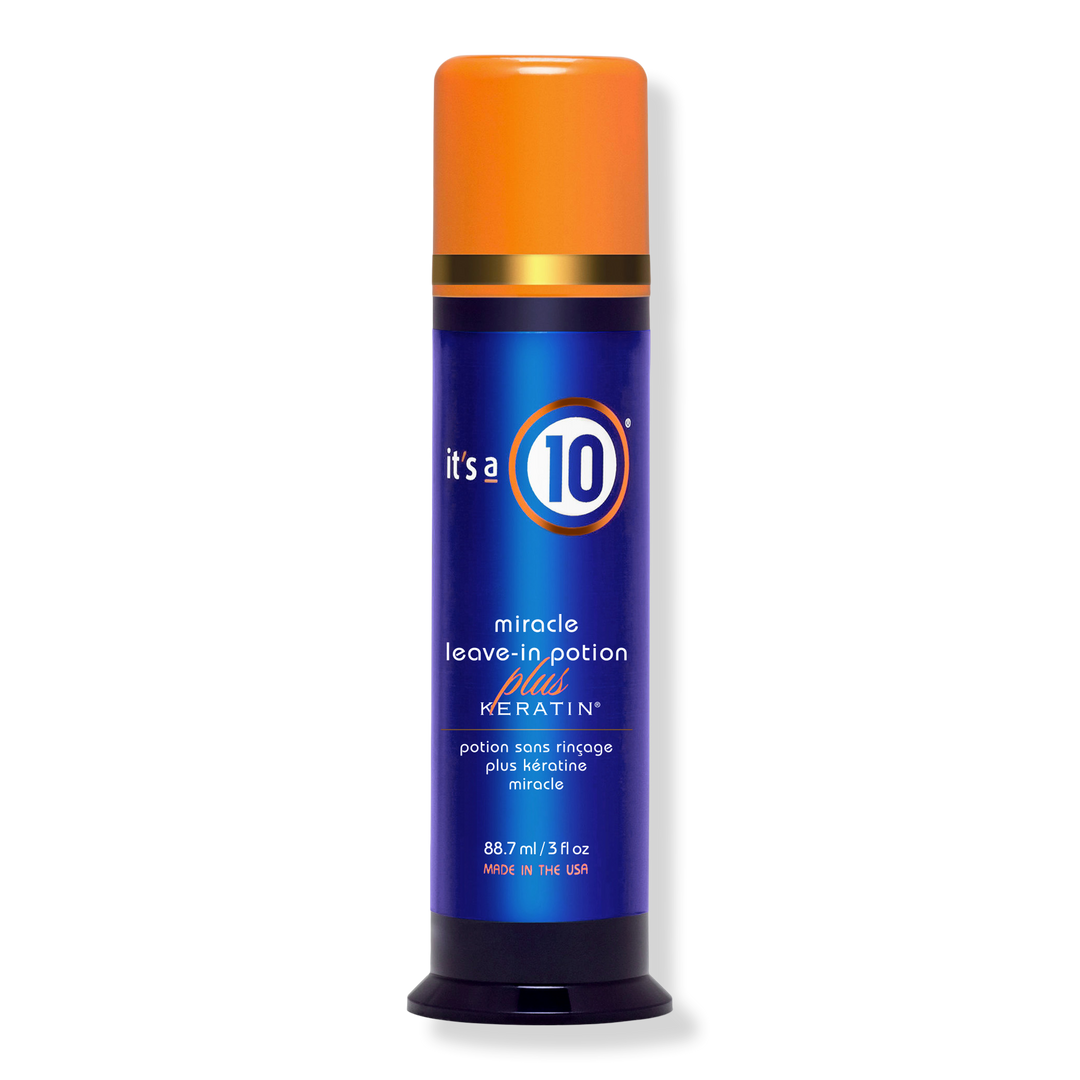
It's a 10 Miracle Leave-In Product Plus Keratin
Multi-Benefit Leave-In Conditioner | $23.00
Shop It's a 10 Miracle Leave-In Plus Keratin at Ulta →
It's a 10's Miracle Leave-In addresses frizz, detangling, heat protection, moisture, and shine in one spray, which makes it especially practical for color-treated hair that needs care at every stage of styling. The keratin-enhanced version adds smoothing benefits for hair that has become rough or porous after coloring. Spray onto damp hair from the mid-lengths down and do not rinse. A little goes a long way on finer textures: start light and add more where needed.
Key specs: Spray Formula · Multi-Benefit · Keratin-Enhanced · Heat Protection · Fine to Medium Textures
Why we recommend it: A versatile leave-in that fits most color-care routines without adding bulk. Particularly useful for hair that has become rough or harder to detangle after coloring.
Heat protectant for colored hair
Heat protectant belongs in the routine whenever you use a hot tool. Sprays often work well for fine or straight hair, while creams and serums may suit thicker, curlier or drier textures.
Heat protection does not make unlimited heat harmless. Pair it with the lowest temperature that works for your style, and avoid making repeated passes over the same section.
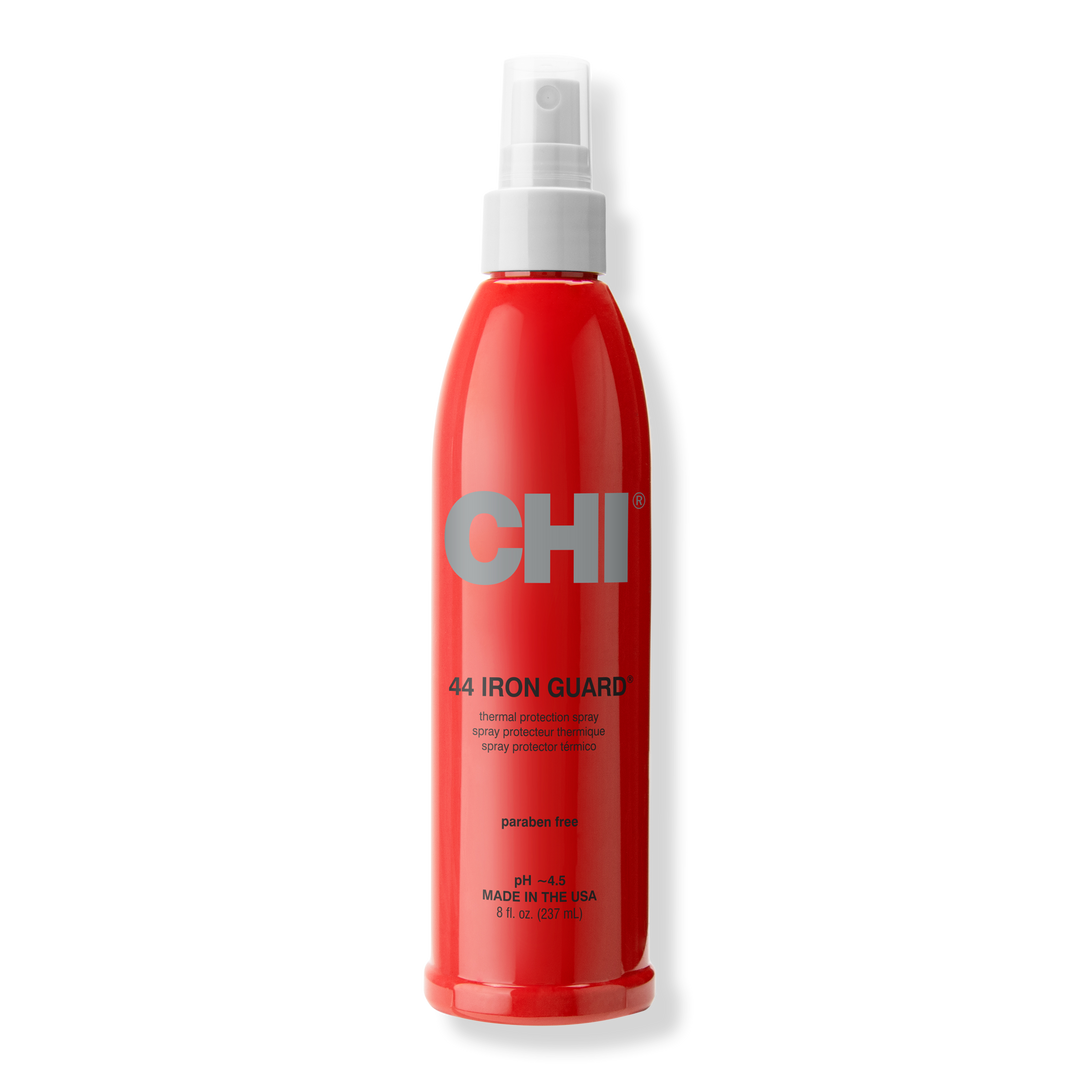
CHI 44 Iron Guard Thermal Protection Spray
Thermal Protection Spray for All Hair Types | $18.50
Shop CHI 44 Iron Guard Thermal Protection Spray at Ulta →
CHI's 44 Iron Guard is a lightweight thermal protection spray suitable for all hair types and textures. It dries quickly and does not add stiffness, making it a practical base layer before blow-drying or flat-ironing. It is especially useful on previously lightened or chemically processed hair, where repeated heat exposure is more likely to cause visible dryness. Use the lowest heat setting that achieves your style and avoid repeated passes over the same section.
Key specs: Thermal Protection Spray · Lightweight · All Hair Types · No Added Stiffness · Blowout and Flat Iron Use
Why we recommend it: A clean, lightweight heat protectant that works across blow-dryers and styling irons without adding stiffness. Pair with a lower heat setting for color-treated or lightened hair.
Toning shampoo or conditioner
Toning products deposit a small amount of pigment to help manage unwanted tones. Purple formulas are commonly used when blonde, silver or highlighted hair looks yellow, while blue formulas are often used when lightened brunette hair looks orange.
These products are not everyday shampoo for everyone. As a general starting point, once or twice a week works for many people, but adjust based on what you observe: if a visible purple or blue cast develops, reduce how often you use it; if brassiness returns within a few days, you may be able to use it a little more frequently. When in doubt, ask your colorist.
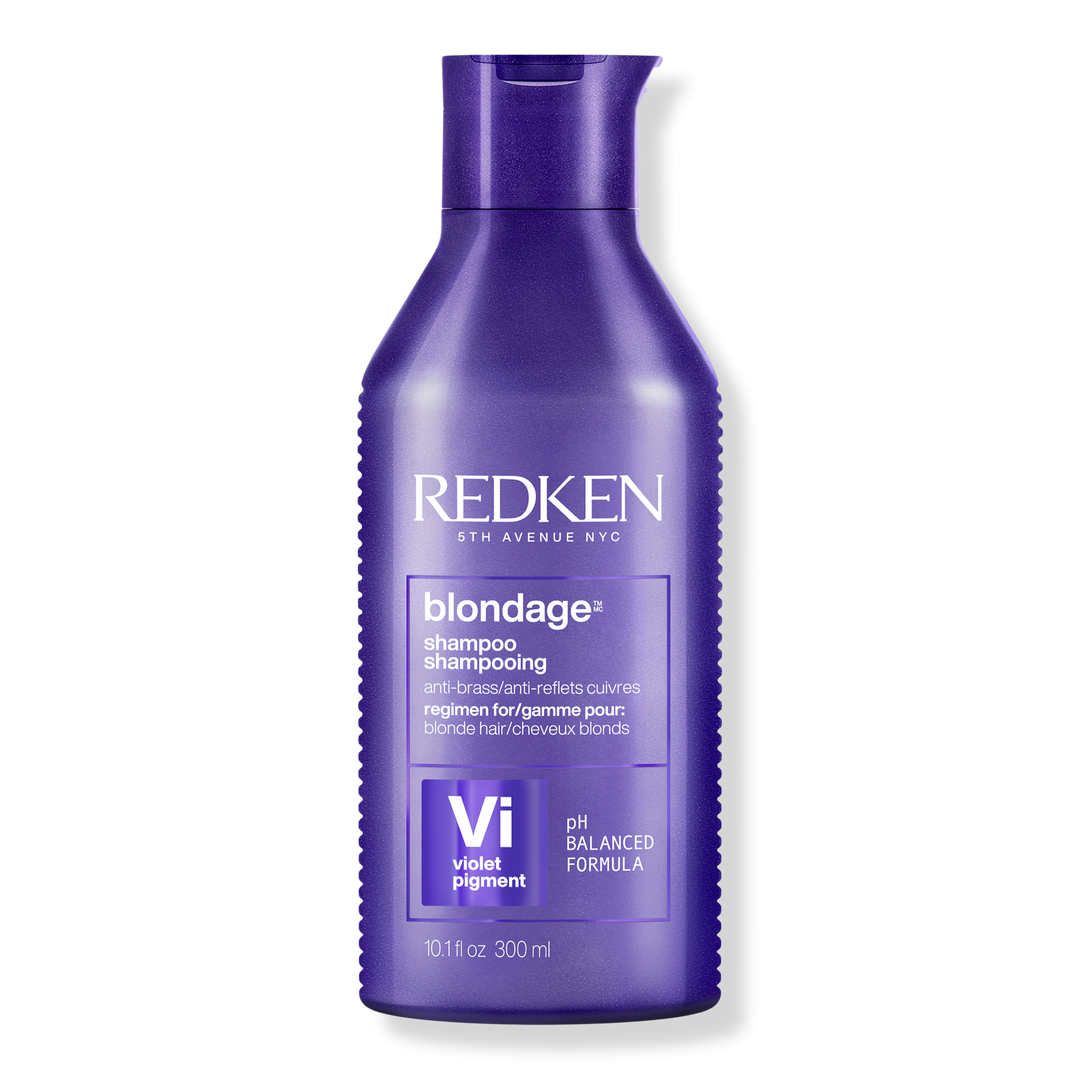
Redken Color Extend Blondage Shampoo
Purple Toning Shampoo for Blonde and Highlighted Hair | $29.00
Shop Redken Color Extend Blondage Shampoo at Ulta →
Redken's Color Extend Blondage deposits violet pigment during the cleanse to cancel out yellow and brassy tones in blonde, platinum, silver, and highlighted hair. Leave it on for two to three minutes before rinsing for a noticeable toning effect, or work it in and rinse quickly for a lighter result. It works best as a rotation product rather than an everyday shampoo; once or twice per week is a reasonable starting point. Pair it with the matching conditioner to extend the toning benefit between uses.
Key specs: Purple Pigment Formula · Toning for Blonde and Silver · 2–3 Minute Treatment · Color Extend Technology · Rotation Use
Why we recommend it: A reliable rotation option for managing brassiness in blonde and highlighted hair. The adjustable leave-in time gives control over how much toning effect you get per wash.
Color-depositing masks and conditioners
Color-depositing care can refresh certain fashion shades, coppers, reds and browns between appointments. Results can vary with your starting color, porosity and the amount of time the product stays on your hair.
Wear gloves when directed, protect porous bathroom surfaces and complete a strand test first. If your color was professionally mixed, ask your colorist which tone is least likely to interfere with your next service.
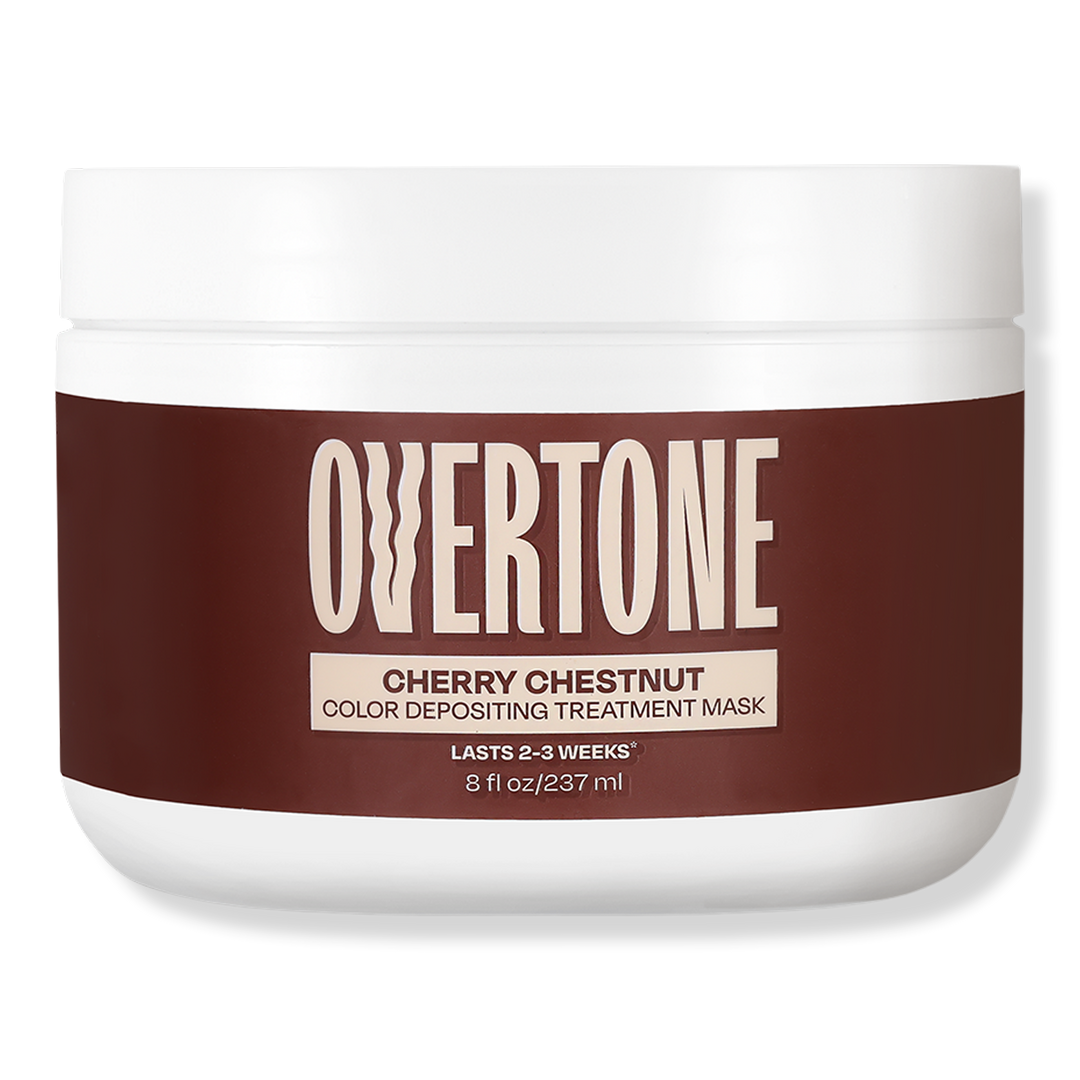
Overtone Color-Depositing Deep Conditioning Mask
Color-Depositing Conditioner for Fashion and Natural Shades | $32.00
Shop Overtone Color-Depositing Deep Conditioning Mask at Ulta →
Overtone's Color-Depositing Deep Conditioning Mask refreshes hair color while conditioning, combining pigment and moisture into one step. The range covers fashion shades, pastels, coppers, reds, and natural-looking browns. With gloves, apply the Color Depositing Treatment Mask evenly to dry hair. Allow it to infuse for 10-15 minutes, embracing the transformation. You can leave it on longer for a deeper condition. It will not over-process! Then thoroughly rinse your hair and scalp with warm water.
Key specs: Color-Depositing + Conditioning · Wide Shade Range
Why we recommend it: Combines color refresh and conditioning in one step with a wide shade range covering fashion colors and natural tones.
How to adjust the routine for your hair type
Color care is not one-size-fits-all. The goal is to support color without ignoring your scalp, texture or preferred finish.
Fine or oily hair
Fine hair can still need conditioning, but placement matters. Keep rich products away from the roots unless the label says they are suitable for scalp use.
Try these adjustments:
- Use a lightweight color-safe shampoo and conditioner.
- Apply masks mainly to the ends.
- Choose mist-style leave-ins and heat protectants.
- Use dry shampoo strategically rather than layering it for many days.
Dry, thick, curly or coily hair
These textures may need more moisture and gentler detangling, especially after lightening or permanent color. Longer gaps between shampoo days may work for some people, but scalp comfort should guide the schedule.
Helpful options include:
- A moisturizing cleanser or co-wash when appropriate for your scalp
- A rich rinse-out conditioner with plenty of slip
- A weekly mask or deep conditioner
- A leave-in cream followed by your usual curl or coil styler
- Low-tension styles that reduce daily brushing and heat use
Lightened or highlighted hair
Lightening can leave some hair feeling more porous, dry or fragile. Focus on conditioning, gentle detangling and lower styling temperatures.
Alternate toning products with your regular color-safe routine rather than using strong toning care at every wash. If the hair feels gummy, breaks easily or becomes hard to detangle, pause aggressive styling and contact your stylist for guidance.
Vivid, red or pastel color
These shades may show visible fading sooner, so fewer unnecessary washes can make a meaningful difference. A matching color-depositing product may help refresh the tone, but get your colorist's input if you plan to change shades at your next visit.
Also protect towels, pillowcases and clothing during the first washes. Some transfer can happen with highly pigmented color, especially when hair is damp.
Common color-care mistakes to avoid
A few routine habits can work against the products you bought. Watch for these common slipups:
- Washing automatically every day: Wash when your scalp and lifestyle call for it, not just because the clock says so.
- Using very hot water: A steamy rinse may feel great, but lukewarm water is kinder to dry, color-treated lengths.
- Skipping conditioner: Even oily scalps can have dry ends. Adjust where you apply conditioner instead of leaving it out completely.
- Turning hot tools to the highest setting: More heat is not always more effective. Start lower and increase only if your hair needs it.
- Using toning products too often: Too much pigment can make the tone look dull, uneven or different from your goal.
- Clarifying before every wash: Save stronger cleansing for times when you truly have buildup, unless your stylist recommends another schedule.
- Ignoring product directions: Timing, application and frequency can vary widely among masks, toners and color-depositing formulas.
- Stacking too many rich products: If hair feels limp or coated, simplify the routine and add products back one at a time.
Tips for keeping color vibrant between appointments
Products matter, but small habits often decide whether your routine feels doable. Pick the tips that fit your life rather than trying to change everything at once.
- Space out washes when your scalp is comfortable doing so.
- Refresh roots with dry shampoo before they become very oily, using only as directed.
- Rinse hair thoroughly with fresh water before swimming. Hair that is already saturated with clean water will absorb less chlorinated or salt water during a swim, which helps reduce tone disruption and dryness. Wear a swim cap when practical for added protection.
- Shampoo and condition after swimming to remove chlorine, salt and residue.
- Wear a hat or cover your hair during long periods in strong sunlight.
- Sleep on fully dry hair to reduce tangling and color transfer.
- Keep hot tools clean so old product residue does not drag across the hair.
- Schedule trims based on your ends, style and colorist's guidance.
- Take a photo of your color in natural light after the appointment. It gives you and your colorist a useful reference for future visits.
If your shade changes suddenly, your scalp becomes irritated or your hair starts breaking more than usual, check in with a licensed stylist or healthcare professional as appropriate. A product swap cannot answer every scalp or hair concern.
Building your color-care lineup at Ulta Beauty
Start with the products you will use every wash, then add treatments only when they solve a clear need. Ulta Beauty's hair color and color-care selection includes at-home color, root touch-up options, toning care and other products for maintaining your look between salon visits.
A practical shopping order is:
- First, choose shampoo and conditioner for color-treated hair.
- Next, add heat protectant if you use any hot tools.
- Add a mask or leave-in if dryness and tangles remain.
- Consider toning or color-depositing care when your specific shade calls for it.
If you are unsure about tone, timing or compatibility with a salon formula, bring a product photo or ingredient list to your colorist. That quick check may help you avoid an at-home refresh that conflicts with your next appointment plan.
Hair color aftercare frequently asked questions
Can I use dry shampoo right after coloring my hair?
Check your stylist's advice and the dry shampoo label first. When you do use it, apply a light amount to dry roots, let it sit as directed and work it in gently to avoid visible residue.
Does hard water affect colored hair?
Minerals in hard water may build up on hair and affect how it feels or how the tone appears. If you suspect buildup, ask your stylist whether an occasional mineral-removing treatment or shower filter makes sense for your hair and local water.
Can color-care products bring back color that has already faded?
Regular shampoo and conditioner cannot fully restore lost salon color. Toning and color-depositing products may temporarily adjust the visible tone, but the result depends on your starting shade and hair condition.
What should I do before my next color appointment?
Tell your colorist about any toners, color-depositing masks, root sprays or at-home dyes you used. Arrive with your hair prepared according to the salon's instructions, since preferences can vary by service.
Is scalp irritation normal after coloring hair?
Do not ignore burning, swelling, blistering or ongoing irritation. Rinse as directed by the product instructions and contact a healthcare professional when needed; for at-home color, always follow the required allergy alert test and safety directions.
Related Content: Titanium vs Ceramic Flat Iron, Curly Hair Care Routine, Azelaic Acid Benefits, What is Double Cleansing?, What is Co-Wash?, What is Hair Porosity?, How to Stop Greasy Hair, Best Protective Styles Products, What is an Ionic Hair Dryer, Best Heat Protectant Sprays, Protein vs Deep Conditioner Treatment For Hair
Explore more Hair Care Buying Guides and Beauty Education Articles