The best lactic acid products
Give your skin care routine a glow-up with lactic acid tones that sweep away dead skin cells and leave skin feeling smooth and refreshed.
Best lactic acid serums
Smooth, brighten and glow with lactic acid serums that help improve uneven texture and dullness for a fresh-faced finish.
10 items
Use previous and next buttons to navigate the slides of the Best lactic acid serums Product Carousel

PEACH & LILY
Power Cocktail Lactic Acid Repair Serum

The Ordinary
Lactic Acid 10% + HA 2% High-Strength Exfoliating Serum for Uneven Texture
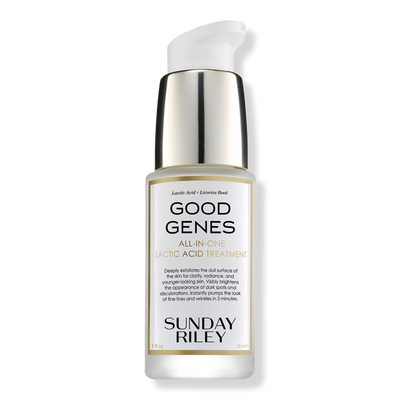
SUNDAY RILEY
Good Genes All-In-One Lactic Acid Treatment


Best lactic acid toners
Give your skincare routine a glow-up with lactic acid toners that sweep away dead skin cells and leave skin feeling smoother and refreshed.
6 items
Use previous and next buttons to navigate the slides of the Best lactic acid toners Product Carousel


First Aid Beauty
Facial Radiance Pads with Glycolic + Lactic Acids


Best lactic acid masks and peels
Your glow-up starts here with lactic acid masks and peels that exfoliate dull surface skin for a softer, more radiant-looking complexion.
8 items
Use previous and next buttons to navigate the slides of the Best lactic acid masks and peels Product Carousel

RODAN + FIELDS
Multi-Acid Enzyme Peel Dark Spot Corrector + Exfoliator

Kiehl's Since 1851
Clearly Corrective Daily Re-Texturizing Triple Acid Peel


RoC
Retinol Correxion Line Smoothing 2-Step Peel Pads


Best lactic acid body care
Smooth skin goes beyond your face with lactic acid body care that helps soften rough patches and improve the look of uneven texture.
12 items
Use previous and next buttons to navigate the slides of the Best lactic acid body care Product Carousel

Sol de Janeiro
Bom Dia Bright Clarifying AHA BHA Body Wash

First Aid Beauty
KP Bump Eraser Body Scrub with 10% AHA

Naturium
The Smoother Glycolic Acid Exfoliating Body Wash


Best hydrating products to pair with lactic acid
Keep your glow going with hydrating serums and moisturizers that help replenish moisture and support your skin barrier after exfoliating.
12 items
Use previous and next buttons to navigate the slides of the Best hydrating products to pair with lactic acid Product Carousel

La Roche-Posay
Cicaplast Balm B5 Soothing Therapeutic Multi Purpose Cream


Vichy
Mineral 89 Hyaluronic Acid Face Serum for Stronger Skin




Information provided is for educational purposes only and is not intended as medical advice or a guarantee of results.
Frequently asked questions
By Ulta Beauty Advisors · Published October 2026
What does lactic acid do for your skin?
Lactic acid is an alpha hydroxy acid (AHA) that gently exfoliates dead skin cells to help improve uneven texture, dullness and the appearance of fine lines. It also has moisture-attracting properties, making it a popular choice for smoother, brighter-looking skin.
Is lactic acid good for sensitive skin?
Lactic acid can be a good option for some sensitive skin types because it's generally considered gentler than stronger exfoliating acids like glycolic acid. Start with a lower concentration, patch test first and introduce it slowly to see how your skin responds.
Can you use lactic acid every day?
How often you use lactic acid depends on the product's concentration, formulation and your skin's tolerance. Start with one or two nights a week and gradually increase frequency if your skin feels comfortable. Always follow the product's directions.
Is lactic acid good for acne?
Lactic acid can help exfoliate dead skin cells that contribute to clogged pores, making it a helpful addition to some acne-prone skincare routines. However, salicylic acid may be a better choice for targeting blackheads and oily, congested pores.
Does lactic acid help with dark spots?
Yes! Lactic acid can help fade the appearance of some dark spots and post-acne marks by encouraging the removal of pigmented surface skin cells. Consistent use, paired with daily sunscreen, can help promote a more even-looking skin tone over time.
What's the difference between lactic acid and glycolic acid?
Both lactic acid and glycolic acid are AHAs that exfoliate the skin, but lactic acid has a larger molecular structure and is often considered the gentler option. Glycolic acid may provide more intensive exfoliation, while lactic acid can be a good starting point for those new to chemical exfoliants.
Can you use lactic acid with hyaluronic acid?
Absolutely! Hyaluronic acid helps attract and retain moisture, making it a great companion to exfoliating ingredients like lactic acid. Apply your lactic acid product as directed, then follow with a hydrating serum or moisturizer to help keep skin feeling soft and comfortable.
Can you use lactic acid with retinol?
Lactic acid and retinol can both be part of your skincare routine, but using them together may increase dryness and irritation. Try alternating them on different nights, especially if you're new to either ingredient, and follow with a moisturizer.
Should you use lactic acid in the morning or at night?
Lactic acid can be used in the morning or evening, depending on the product's instructions, but nighttime is often a convenient choice. AHAs can increase your skin's sensitivity to the sun, so apply broad-spectrum SPF 30 or higher during the day.
Is lactic acid good for dry skin?
Lactic acid can be a good choice for dry skin because it helps remove flaky surface skin cells while also attracting moisture. Pair it with a hydrating moisturizer containing ingredients like ceramides, glycerin or hyaluronic acid to help support your skin barrier.
Can lactic acid help with rough or bumpy skin on your body?
Yes! Lactic acid body lotions and creams can help soften rough, flaky skin and improve the appearance of uneven texture. They're especially popular for areas like elbows, knees and upper arms, including skin prone to keratosis pilaris (KP).
How long does lactic acid take to work?
Some people notice softer, smoother-feeling skin after a few uses, while improvements in uneven tone, dark spots and texture may take several weeks of consistent use. Results vary depending on the product, your skin type and how often you use it.
Related Content: Holiday Gift Guide, Best Body Care Products, Best After Sun Care, Anti-Inflammatory Products, Affordable Body Products, Best Vitamin C Products, Best Body Washes, Best Makeup for Dry Skin
Explore more Skincare Buying Guides and Beauty Education Articles.