Why does my makeup separate? Causes, fixes and tips for a smooth finish
By Ulta Beauty Advisors · Published October 2026
All products featured are available at Ulta Beauty at the time of selection. Ulta Beauty Advisors select products independently. Prices and availability are subject to change. Information provided is for educational purposes only and is not intended as medical advice or a guarantee of results.
Your makeup looks flawless when you leave the house. A few hours later? Patchy foundation, flaky spots or little balls of product rolling off your skin. Sound familiar?
Makeup separation and pilling happen for a few reasons, from your skincare routine to the way you layer products. The good news? A few small changes can make a big difference.
Whether your foundation separates around your nose, your concealer looks cakey or your skincare pills under makeup, we're breaking down what's happening and how to fix it.
What does it mean when makeup separates?
Makeup separation happens when your foundation, concealer or other complexion products start to break apart on your skin instead of maintaining an even finish.
You might notice:
Patchy foundation: Areas where makeup looks uneven or has worn away.
Streaky makeup: Visible lines or uneven coverage where products haven't blended smoothly.
Makeup settling into pores: Foundation collecting around pores and emphasizing texture.
Cakey makeup: Thick, heavy-looking layers that accentuate fine lines or dry patches.
Makeup pilling: Tiny balls or flakes of product forming when skincare and makeup layers don't sit well together.
While these concerns can look similar, they don't always have the same cause. Figuring out what's happening is the first step toward finding your fix.
Why does my makeup separate?
Your makeup can separate for several reasons, including excess oil, dry skin, incompatible products and application techniques. Here's what might be getting between you and a smooth finish.
1. Your skin is too oily or too dry
Your skin's natural moisture balance plays a big role in how makeup wears throughout the day.
If you have oily skin, excess sebum can mix with foundation and cause it to break apart, especially around your nose, forehead and chin.
If you have dry skin, foundation may cling to flaky patches or settle into areas where your skin needs more hydration.
The fix: Choose skincare and makeup that work with your skin type. Lightweight, oil-free moisturizers and mattifying primers may help oily skin, while hydrating formulas can create a smoother base for dry skin.
2. Your skincare hasn't fully absorbed
Applying foundation immediately after moisturizer, serum or sunscreen can leave too many layers sitting on your skin.
When products haven't had time to settle, blending foundation over them may move the layers underneath, creating streaks, uneven coverage or pilling.
The fix: Give each skincare layer time to settle before applying the next and make sure you apply makeup in the right order. If your skin still feels slippery or tacky, wait a little longer or try using less product.
3. Your primer and foundation don't work well together
Not every primer and foundation combination performs the same way.
Some formulas contain more water, while others rely heavily on silicones, oils or film-forming ingredients. Depending on the full formulations, certain combinations may blend unevenly or create unwanted texture.
The fix: Test your primer and foundation together before committing to a full-face application. If your makeup consistently separates, try skipping primer to see whether the combination is causing the issue.
Ulta Beauty Advisor tip: Water-based and silicone-based products aren't automatically incompatible. How the complete formulas interact matters more than any single ingredient.
4. You're applying too much product
More makeup doesn't always mean more coverage.
Heavy layers of moisturizer, primer, foundation and concealer can build up on your skin. The result? A cakey finish that's more likely to crease, shift or separate.
The fix: Start with a thin layer of foundation and build coverage only where you need it. Blend with a damp makeup sponge or foundation brush, using gentle pressing motions rather than excessive rubbing.
5. You're using too much setting powder
Setting powder helps control shine and lock makeup into place, but applying too much can emphasize dryness and texture.
When powder builds up over foundation, your complexion may look cakey or uneven, especially around your nose, mouth and under-eyes.
The fix: Use a light dusting of powder in areas that tend to get oily. If your skin is dry, focus on targeted application instead of powdering your entire face.
6. Your skin needs gentle exfoliation
Dead skin cells can build up on the surface of your skin, creating rough or flaky areas where foundation doesn't apply evenly.
This can make your makeup look patchy, even when you're using products designed for your skin type.
The fix: Add gentle exfoliation to your skincare routine when needed. Avoid over-exfoliating, which can irritate your skin and make dryness more noticeable.
Why does my makeup pill?
Makeup pilling happens when skincare or makeup products form tiny balls, flakes or rolled-up bits on your skin.
Unlike makeup separation, which typically appears as patchy or broken-up coverage, pilling often happens during application.
Common causes include:
Applying too many skincare products before makeup.
Layering products before previous layers have settled.
Using more moisturizer, serum or primer than your skin needs.
Rubbing products repeatedly instead of gently pressing them into your skin.
Combining formulas that don't layer well together.
How to stop makeup from pilling: Simplify your skincare routine, apply thinner layers and allow each product to settle before moving on. Try patting foundation into your skin rather than rubbing it across your face.
If your sunscreen pills, experiment with different moisturizer and sunscreen combinations, but don't reduce the recommended amount of sunscreen to prevent pilling.
How to stop makeup from separating
A smooth makeup finish starts before you pick up your foundation brush. Follow these simple steps to help your makeup look fresh for longer.
Step 1: Cleanse and moisturize your skin
Prep your skin by starting with a gentle cleanser to remove excess oil and buildup. Follow with a moisturizer suited to your skin type.
Dry skin: Look for hydrating ingredients like hyaluronic acid, glycerin and ceramides.
Oily skin: Choose lightweight, non-comedogenic moisturizers that hydrate without feeling heavy.
Combination skin: Apply a lightweight moisturizer all over and add extra hydration where needed.
Step 2: Apply sunscreen and let it settle
Sunscreen is an essential part of your morning skincare routine.
Apply a broad-spectrum SPF 30 or higher as directed, allowing it to settle before moving on to makeup. If your sunscreen pills under foundation, try a different formula that layers more comfortably with your other products.
Step 3: Choose the right primer
A primer can help create a more even-looking surface for foundation.
For oily skin: Try a mattifying primer to help manage shine.
For dry skin: Look for a hydrating primer that adds moisture and comfort.
For visible pores: A smoothing primer may help blur the appearance of texture.
Primer is optional. If your foundation looks better without it, feel free to skip this step.
Step 4: Apply foundation in thin layers
Start with a small amount of foundation in the center of your face and blend outward.
Use a brush or damp makeup sponge to gently press the formula into your skin. Add coverage only where needed instead of applying another full layer.
Step 5: Set your makeup strategically
Lightly apply setting powder to areas prone to shine, such as your forehead, nose and chin.
Finish with a setting spray suited to your preferred finish. A setting spray may help your makeup wear more evenly, but it won't necessarily fix an incompatible product combination.
Step 6: Touch up without adding more layers
If your makeup starts separating throughout the day, resist the urge to pile on more foundation.
Instead, gently blot away excess oil with blotting paper or a clean tissue. Use a sponge to press any remaining foundation back into place, then apply a small amount of product only where coverage is missing.
Makeup products to prevent pilling and makeup separation
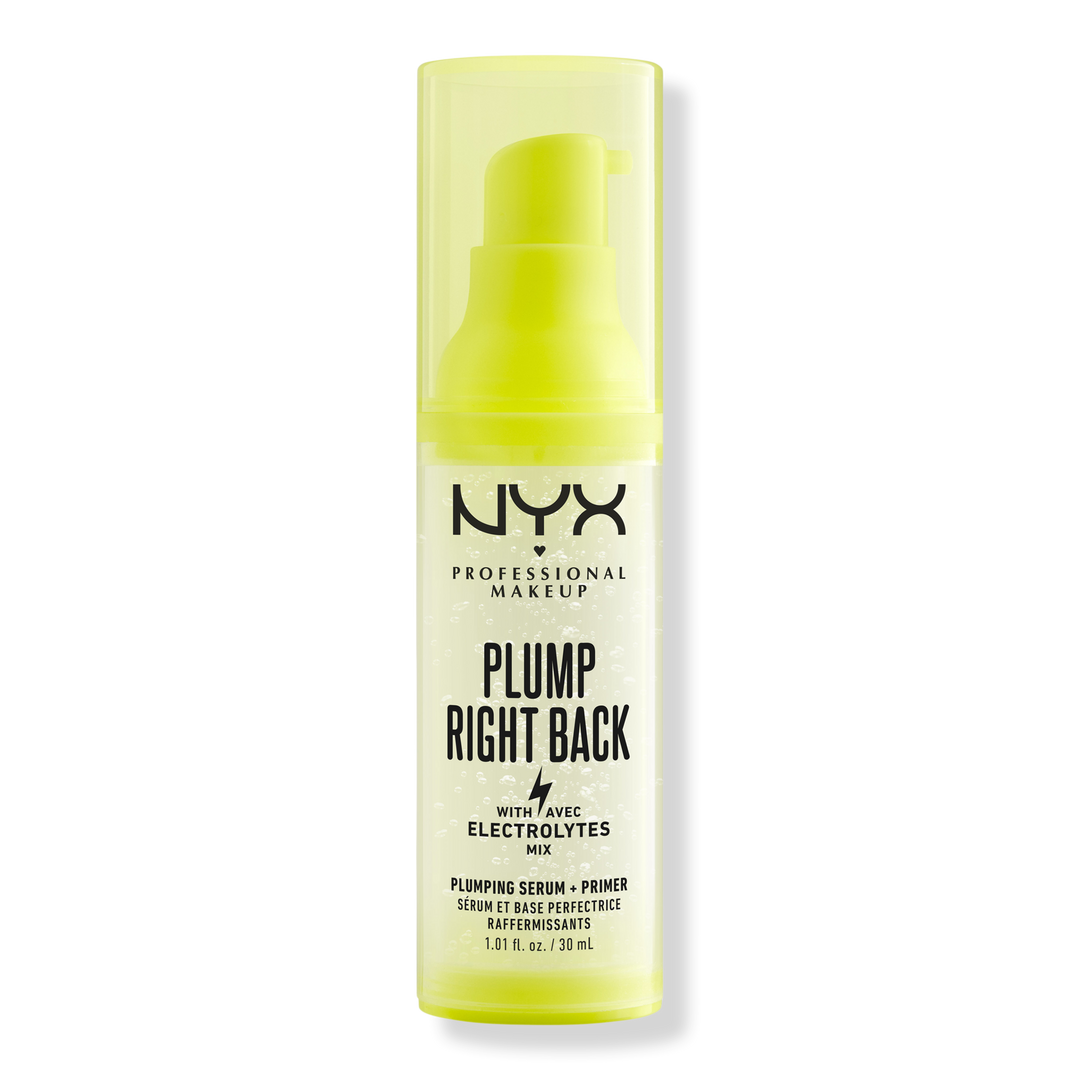
Best primer to prevent pilling for dry skin
NYX Professional Makeup Plump Right Back Primer + Serum
Primer serum | $17.00
Shop NYX Professional Makeup Plump Right Back Primer + Serum at Ulta Beauty →
Your hydration-meets-makeup bestie. This lightweight primer-serum hybrid helps moisturize your skin while creating a grippy base for foundation. The refreshing formula helps prep dry or dehydrated skin for smoother makeup application without a heavy feel.
Key specs: Hydrating primer-serum · Gripping finish · Lightweight gel texture · Contains electrolytes and hyaluronic acid
Ulta Beauty Advisor tip: Apply a thin layer after your skincare and let it settle before foundation. Too much primer can contribute to pilling, so a little goes a long way.
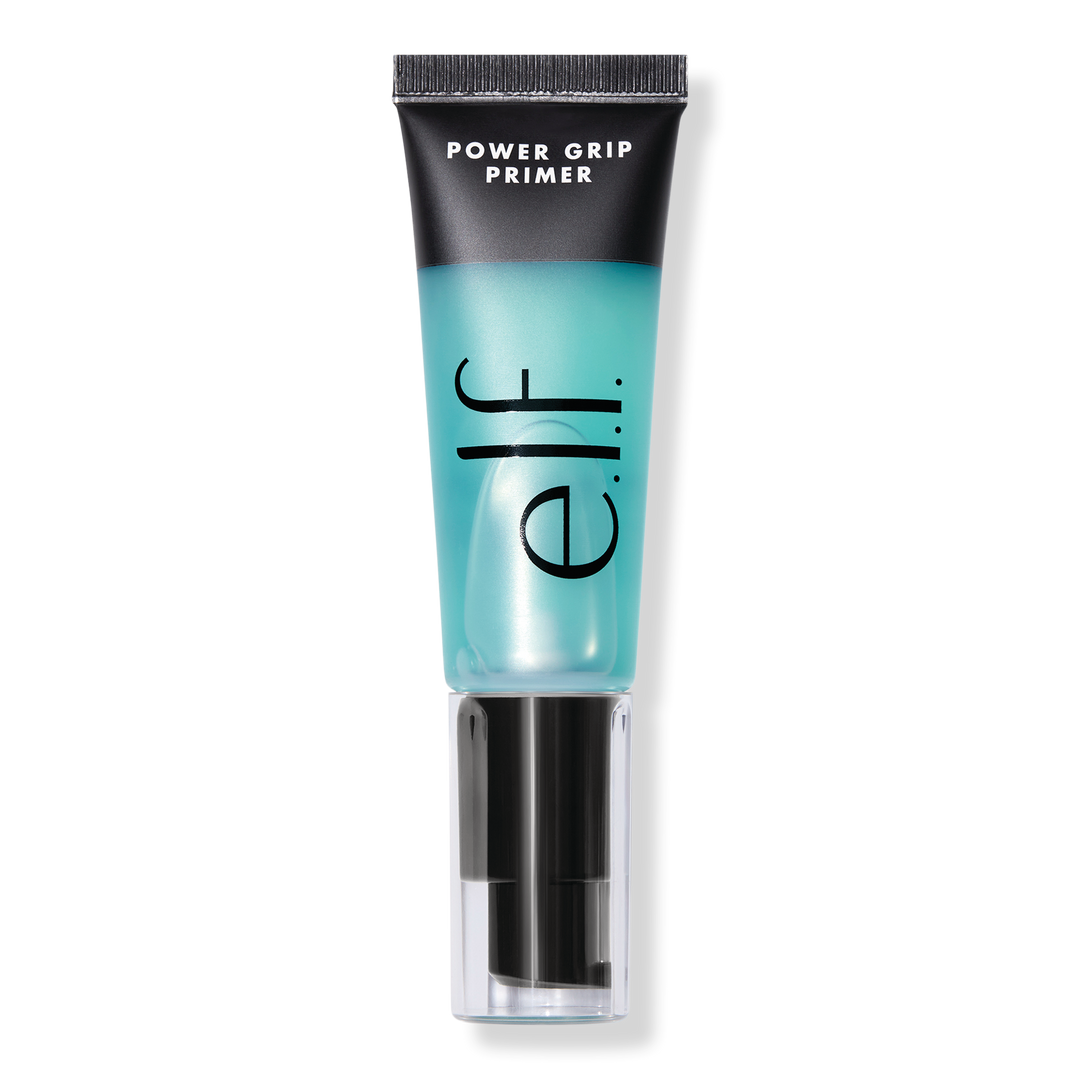
Best long-lasting primer to prevent pilling and makeup separation
e.l.f. Cosmetics Power Grip Primer
Face primer | $11.00
Shop e.l.f. Cosmetics Power Grip Primer at Ulta Beauty →
Get a grip on your makeup routine. This gel-based primer creates a tacky base that helps foundation stay put throughout the day. With a hydrating formula that feels lightweight on your skin, it's an affordable pick for anyone looking to minimize makeup movement and keep their complexion looking fresh.
Key specs: Gel-based formula · Gripping finish · Hydrating ingredients · Non-comedogenic · Suitable for all skin types
Ulta Beauty Advisor tip: Pat a small amount onto clean, moisturized skin and wait until it feels tacky before applying foundation. Avoid rubbing too much to help prevent pilling.
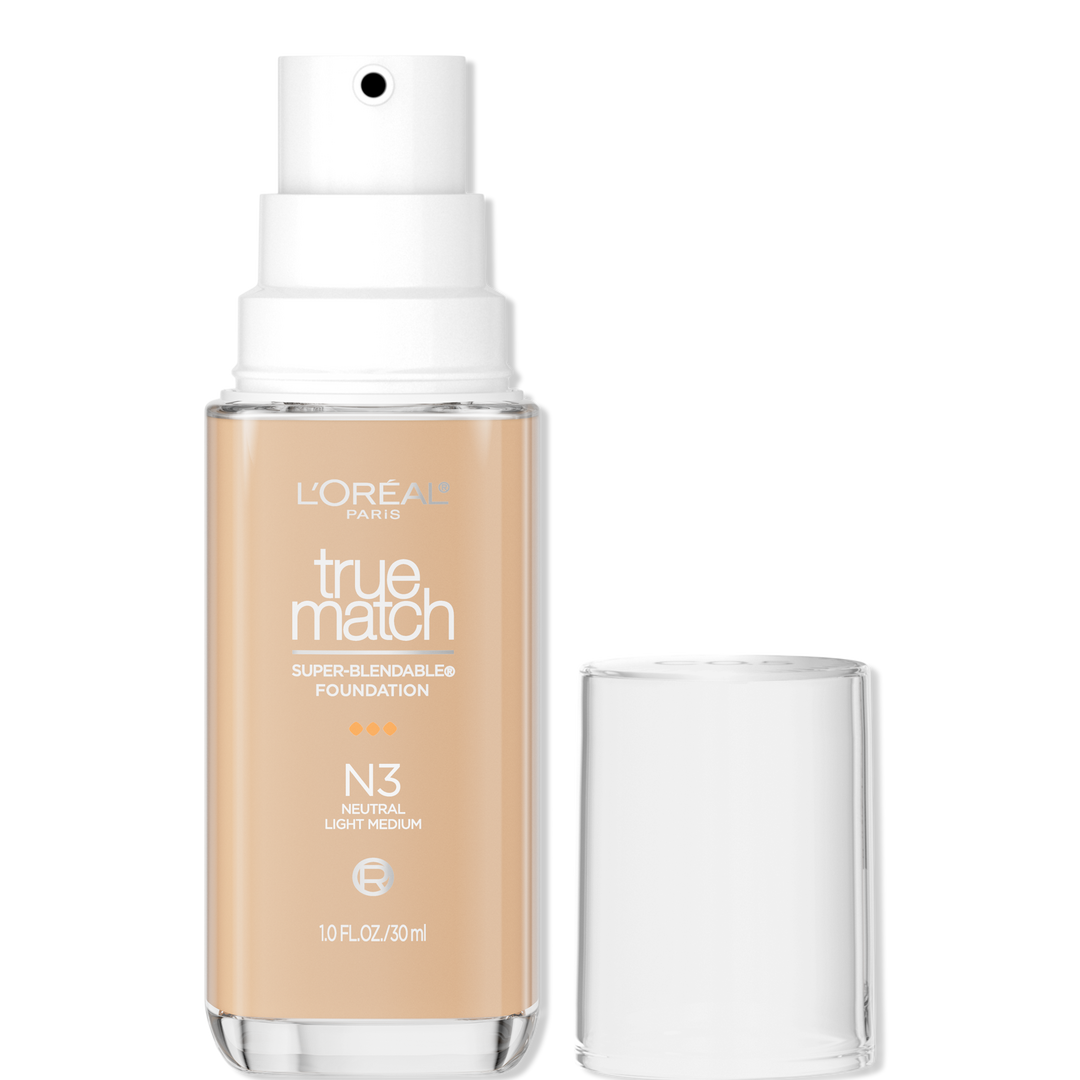
Best foundation to prevent pilling and makeup separation
L'Oréal Paris True Match Super-Blendable Foundation
Liquid foundation | $13.99
Shop L'Oréal Paris True Match Super-Blendable Foundation at Ulta Beauty →
Your skin, but with a little extra polish. This lightweight foundation blends effortlessly for a natural-looking finish without the heavy, cakey feel. Its buildable coverage makes it easy to even out your complexion while keeping your makeup looking like skin.
Key specs: Medium coverage · Natural finish · Moisturizing formula · Multiple shades and undertones · Fragrance-free
Ulta Beauty Advisor tip: Start with a small amount in the center of your face and blend outward using a damp makeup sponge. Build coverage only where needed to avoid excess product buildup.
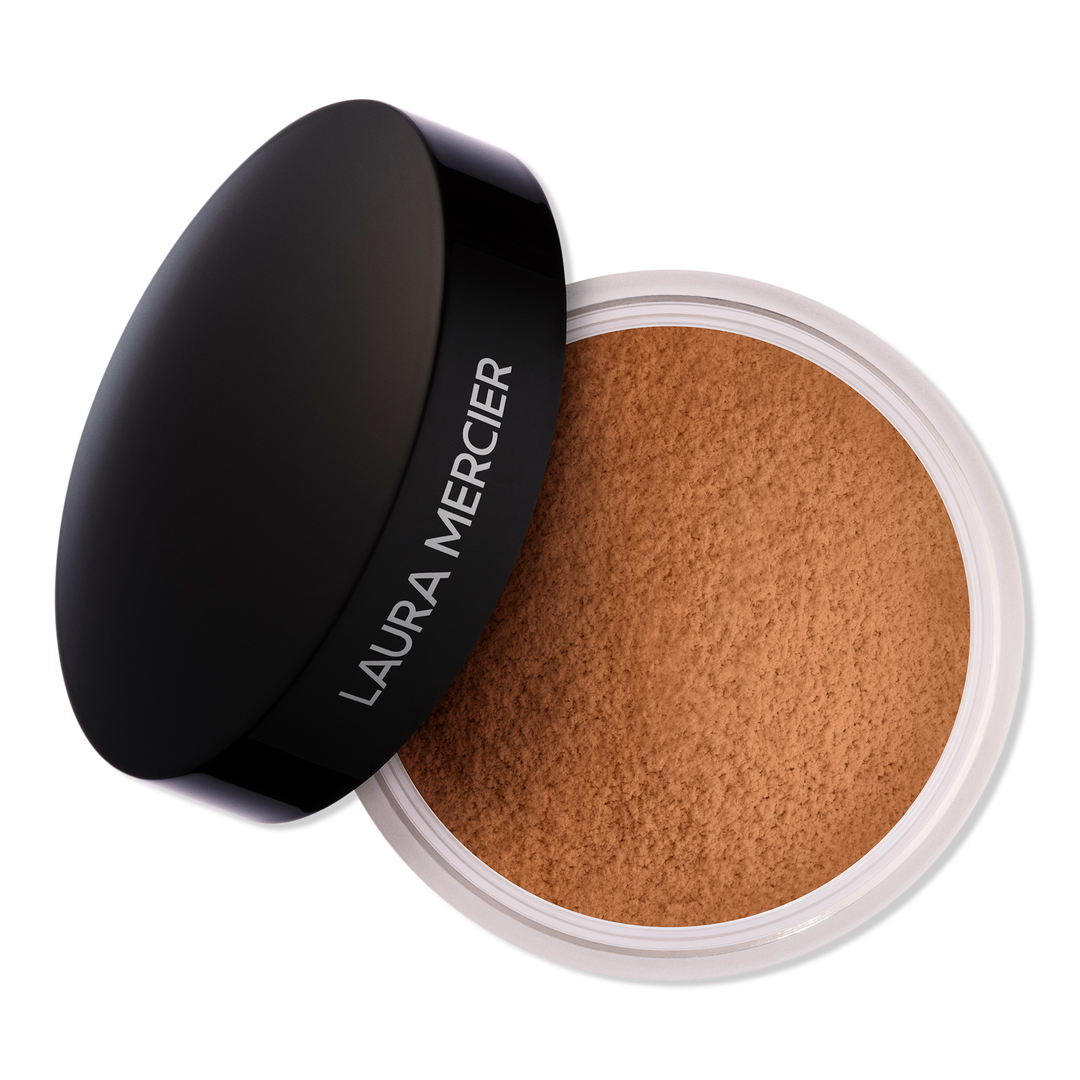
Best setting powder to prevent pilling
Laura Mercier Translucent Loose Setting Powder
Loose setting powder | $43.00
Shop Laura Mercier Translucent Loose Setting Powder at Ulta Beauty →
Shine control without the cakey finish? Yes, please. This finely milled setting powder helps absorb excess oil, blur the appearance of pores and keep foundation looking smooth. Its lightweight texture helps set your makeup without emphasizing every little line or dry patch.
Key specs: Finely milled loose powder · Oil-absorbing formula · Soft-matte finish · Up to 12-hour wear · Multiple shades
Ulta Beauty Advisor tip: Use a powder puff to gently press a small amount onto your T-zone, especially around your nose and forehead. Skip heavy powder application on dry areas to keep your finish looking fresh.
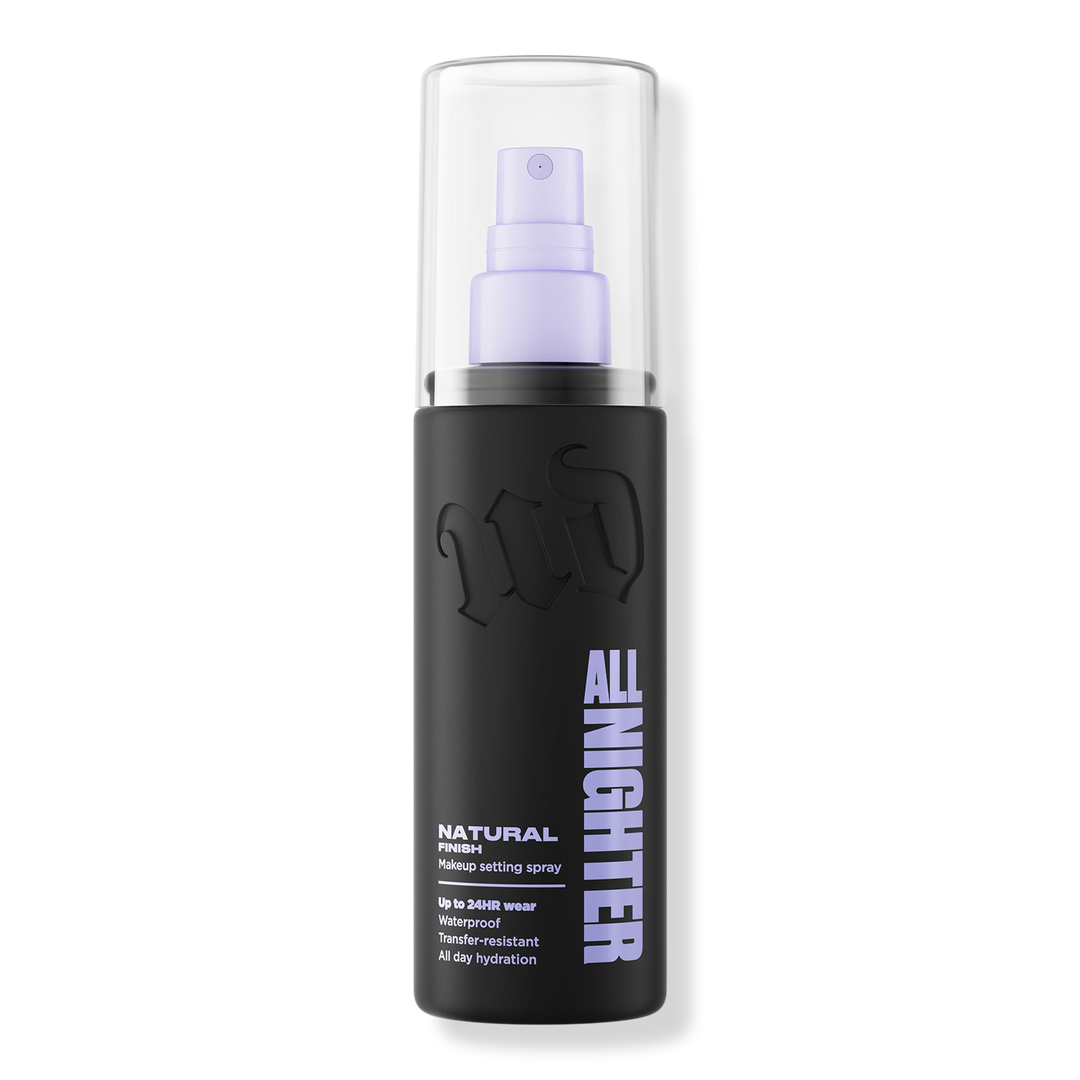
Best setting spray to prevent pilling and makeup separation
Urban Decay All Nighter Waterproof Makeup Setting Spray
Setting spray | $18.00 to $51.00
Shop Urban Decay All Nighter Waterproof Makeup Setting Spray at Ulta Beauty →
Your makeup's staying power, bottled. This lightweight setting spray helps lock in your look with an ultra-fine mist that won't disturb your foundation. Designed to resist sweat, water and transfer, it's a finishing touch for keeping your makeup looking fresh through busy days and late nights.
Key specs: Up to 24-hour wear · Waterproof · Sweat-resistant · Transfer-resistant · Ultra-fine mist · Natural finish
Ulta Beauty Advisor tip: Once your makeup is complete, mist evenly over your face according to the product directions and let it dry naturally. For the smoothest finish, make sure your foundation is properly blended before setting.
How to fix makeup separation based on your skin type
Your skin type can help explain why your foundation separates and which adjustments might make the biggest difference.
Oily skin
If your makeup separates around your nose, forehead or chin, excess oil may be contributing to the problem.
For oily skin, try using a lightweight moisturizer, a shine-controlling primer and a small amount of setting powder in oil-prone areas.
Dry skin
If foundation clings to flaky patches or looks uneven around your cheeks, dryness may be the culprit.
For dry skin, focus on hydration, gentle skin prep and lightweight foundation formulas with natural or radiant finishes. Avoid heavy powder application over dry areas.
Combination skin
If your foundation separates in your T-zone but looks dry around your cheeks, you may need different techniques for different areas.
Try a mattifying primer where you get oily and extra hydration where your skin feels dry.
Mature skin
If makeup settles into fine lines or emphasizes texture, heavy application may be contributing to the issue.
Try lightweight, flexible formulas, gentle blending and minimal setting powder. Focus on a hydrated base and build coverage gradually.
Frequently asked questions
Why does my foundation separate on my nose?
Foundation often separates around your nose because this area produces oil, experiences frequent movement and is touched throughout the day. Try applying less foundation around your nose, using a lightweight primer and setting the area with a small amount of powder.
Why does my makeup separate even with primer?
Primer doesn't guarantee that makeup will stay in place. If your primer and foundation don't layer well together, your skincare hasn't settled or you're using too much product, separation can still happen. Try testing your foundation without primer to see whether the combination is contributing to the problem.
Why does my foundation separate after a few hours?
Your foundation may separate throughout the day as natural oils, sweat and facial movement affect how the formula wears. Skin type, application technique and product choice can also influence longevity. Lightweight layers and targeted setting products may help improve wear.
Why does my makeup pill after skincare?
Makeup can pill when skincare products leave a film on your skin or don't layer well with foundation. Applying too much product, layering too quickly and rubbing excessively can all contribute. Try simplifying your routine and allowing each layer to settle before applying makeup.
Why does my sunscreen pill under makeup?
Sunscreen can pill when it interacts with moisturizer, primer or foundation, especially if products haven't had enough time to settle. Try applying skincare in thinner layers, allowing sunscreen to set and gently pressing makeup on top. Always use the recommended amount of sunscreen rather than applying less to avoid pilling.
How do I know if my makeup is pilling or separating?
Makeup pilling creates small balls or flakes of product, often while you're applying or blending. Makeup separation usually looks like foundation breaking apart, developing patchy spots or wearing away unevenly throughout the day. Knowing which issue you're experiencing can help you choose the right fix.
Can mixing water-based and silicone-based makeup cause separation?
Sometimes, but not always. Certain combinations may layer poorly, depending on their full formulations. Water-based and silicone-based products can also work well together. If you're experiencing separation, test your products individually to identify which combination may be causing the issue.
How do I fix separated makeup without starting over?
Start by gently blotting away excess oil or moisture. Use a clean makeup sponge to press the remaining foundation into your skin, then apply a small amount of concealer or foundation only where needed. Avoid adding thick layers over makeup that's already breaking apart.
Does setting spray stop makeup from separating?
Setting spray may help extend makeup wear, but it can't always prevent separation caused by excess oil, dryness or incompatible products. For the best results, start with proper skin prep, use thin layers of foundation and choose a setting spray that works with your makeup routine.
Is makeup separation the same as cakey makeup?
Not exactly. Makeup separation happens when foundation breaks apart or wears unevenly. Cakey makeup describes a thick, heavy-looking finish that may emphasize texture, pores or fine lines. Both can happen when too much product is applied, but they may require different fixes.
The bottom line
Makeup separating or pilling? Your routine might just need a little remix.
Start with hydrated skin, let your skincare settle and apply makeup in lightweight layers. From finding your primer match to perfecting your blending technique, small adjustments can help your makeup look smoother and wear more evenly.
Your skin. Your routine. Your makeup, your way.
Related Content: Best Sunscreen Under Makeup, Why Does Foundation Oxidize?, Shop Face Primers, Shop Foundation, Shop Setting Sprays
Discover more Makeup Buying Guides and Beauty Education articles.