How to prevent concealer from creasing?
By Ulta Beauty Advisors · Published June 2026 · Updated October 2026
All products featured are available at Ulta Beauty. Ulta Beauty Advisors select products independently. Prices and availability are subject to change. This guide is for informational purposes and doesn't constitute professional makeup or dermatological advice. If you have skin concerns, consult a licensed esthetician or dermatologist.
Preventing concealer creases comes down to two things: how you prep your skin and which products you choose. Hydration and primer give concealer a smooth base to grip. Smart setting keeps it in place while you blink, smile and move through your day.
You might lean on one or both, depending on your skin type, your concealer formula and how long you need your look to last. Products that pair coverage with skin care benefits, like a concealer that also hydrates or brightens, are handy. A multitasking formula still isn't automatically the right match for everyone.
This guide breaks down why creasing happens, how formulas differ and what to weigh before adding a new concealer, primer or setting product to your routine.
What causes concealer to crease?
Creasing happens when concealer settles into the fine lines and natural folds around your eyes. The skin under your eyes is thinner than the skin on the rest of your face, and it moves every time you blink, squint or laugh. That constant motion pushes product into lines over the day.
Totally normal. And very manageable.
The most common causes:
- Dry skin: When the under-eye area lacks moisture, concealer clings to dry patches and gathers in lines.
- Excess oil: Oil breaks down makeup and lets it slide into creases. This happens most often on oily or combination skin.
- The wrong formula: A thick, heavy or very matte concealer can feel stiff and crack as your skin moves.
- Too much product: Extra layers give concealer more material to fold.
- No setting step: Unset concealer stays tacky, so it shifts with every expression.
Different skin types respond differently. Dry or mature skin tends to show creasing in fine lines. Oily skin may see product slip and separate by midday. No skin type is immune. Signs to watch for:
- Lines of product forming under your eyes within an hour or two
- Patchy or cakey texture as the day goes on
- Concealer gathering at the inner or outer corners
- Coverage that fades or separates by afternoon
The good news: a little prep goes a long way. Preventing creases is less about piling on coverage and more about building smart layers.
Types of concealer formulas
Not all concealers behave the same. Knowing your formula helps you pick the right prep and setting steps.
Liquid concealers
These are the most common and come in everything from sheer to full coverage. Lightweight liquids blend easily and move with your skin, which makes them a solid pick for the under-eye area. Full-coverage, matte liquids last longer but can settle into lines if you use too much.
Cream concealers
Creams usually come in a pot or compact and offer rich, buildable coverage. They work well for spot concealing and dry skin that craves extra slip. On the under-eye area, a thin layer goes a long way, since heavy cream can collect in creases.
Stick concealers
Sticks are dense, portable and great for quick touch-ups or covering blemishes. Their thicker texture can feel heavier under the eyes. Warm the product on your fingertip first and blend well so it doesn't sit on top of your skin.
What do concealer primers and setting products do?
Primers create a smooth, even layer between your skin and your concealer. Many also hydrate, blur texture or control oil so your makeup grips better. Setting products lock concealer in place and cut down on the tackiness that lets it slide into lines.
Common formats include:
- Eye creams: Add moisture to the under-eye area so concealer doesn't cling to dry spots.
- Under-eye primers: Smooth texture and help concealer last. Some add a hint of color correction or radiance.
- Loose setting powders: Finely milled and lightweight. Great for setting the under-eye area without heaviness.
- Pressed powders: Handy for touch-ups on the go and for sheer, targeted setting.
- Setting sprays: Melt powder into your skin for a more natural finish and help your look last.
A powder labeled "translucent" goes on sheer, but some still show a slight cast on deeper skin tones. Test a small amount before applying it all over and look for shade-matched or tinted options if needed.
Many primers and concealers also lean into ingredient transparency. You'll spot hydrators like hyaluronic acid, glycerin and squalane, plus soothing or brightening ingredients like niacinamide. If you watch ingredients closely in your skin care routine, the same attention pays off here.
How to apply concealer to prevent creasing
Application makes or breaks the payoff. Even a great concealer underperforms if your technique works against it.
- Start with hydrated skin. Pat a lightweight eye cream under your eyes. Give it 2-3 minutes to absorb so your concealer doesn't slip.
- Prime with a thin layer. Tap a small amount of under-eye primer where you plan to apply concealer. More primer doesn't mean more staying power.
- Apply less than you think you need. Dot a few small points of concealer at the inner corner and along any areas of darkness. You can always build up.
- Blend by tapping, not dragging. Use a damp sponge, a small brush or your ring finger. Tapping presses product into your skin, while swiping can move it around.
- Check for lines before you set. Look up into your mirror and smile. If you see creases forming, gently tap them out with your sponge or fingertip.
- Set lightly. Press a small amount of loose powder over your concealer with a small fluffy brush or a damp sponge. If your skin runs oily, you can let the powder sit for a few minutes before dusting off the excess. If your skin runs dry, skip the long sit and keep powder to a minimum.
- Finish with setting spray. Mist your face to soften any powdery look and help everything wear longer.
Your skin's response is personal, so start small and adjust as you go. Too much powder can look dry on mature or dehydrated skin. Too little can leave oily skin creased by lunch.
How to choose the right concealer and setting products
Start with your skin type and the finish you want, not the boldest coverage claim on the tube. Then compare labels with that in mind.
Choose a hydrating formula if your skin runs dry
Hydrating concealers stay flexible and move with your skin instead of cracking. Look for a natural or radiant finish and ingredients like hyaluronic acid or glycerin. Pair it with a light dusting of powder only where you need it.
Choose a long-wearing matte formula if your skin gets oily
Matte formulas hold up against shine and help concealer stay put through long days. Use a thin layer, since matte textures can settle into lines if you overdo it. A finely milled powder adds extra staying power.
Choose a lightweight, flexible formula if you have visible fine lines
Thin, buildable concealers sit more comfortably on texture or mature skin. A radiant finish reflects light and softens the look of lines. Skip heavy baking and choose a sheer setting step instead.
Compare shades and undertones before you buy
The concealer selection at Ulta Beauty includes a wide range of shades, finishes and formulas. Compare the label details rather than treating every concealer as interchangeable. Shade and undertone matter just as much as formula, especially on the under-eye area.
Useful questions to ask:
- Does the formula suit my skin type and the finish I want?
- Does the shade range include a match for my skin tone and undertone?
- How long is it designed to wear?
- Are there ingredients I prefer to include or avoid?
- Is it cruelty-free or vegan if that matters to me?
- Is the packaging recyclable or refillable?
- Does the price per use fit my routine and budget?
Non-creasing concealers and setting products, available at Ulta Beauty
These five picks are listed at Ulta Beauty. Choose by formula, skin type and ingredients rather than treating the list as a ranking. Prices and stock may change, so review each product's current label before buying.
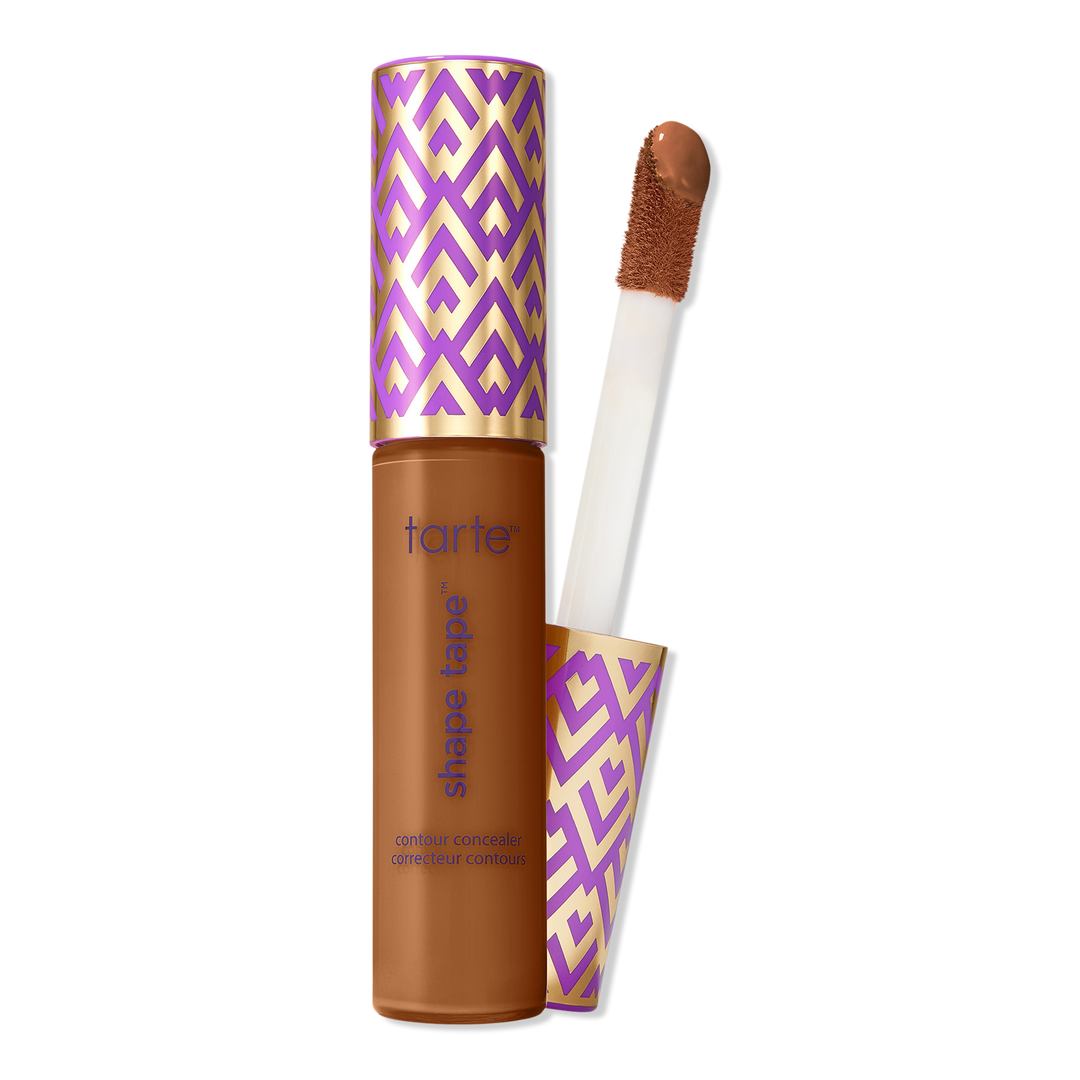
1 of 5: Best full-coverage concealer for long wear that doesn’t crease
Tarte Shape Tape Concealer
Liquid concealer | $32.00
Shop Tarte Shape Tape Concealer at Ulta Beauty →
This concealer is the pick for someone who wants serious coverage that lasts from morning plans to late nights. Its matte finish holds up well on oily and combination skin. A little goes a long way, so start with a small amount to keep it from settling into lines. Check the current label for the shade range and full ingredient list before deciding whether it fits your routine.
Key specs: Liquid · Full coverage · Matte finish · Oily to combination skin
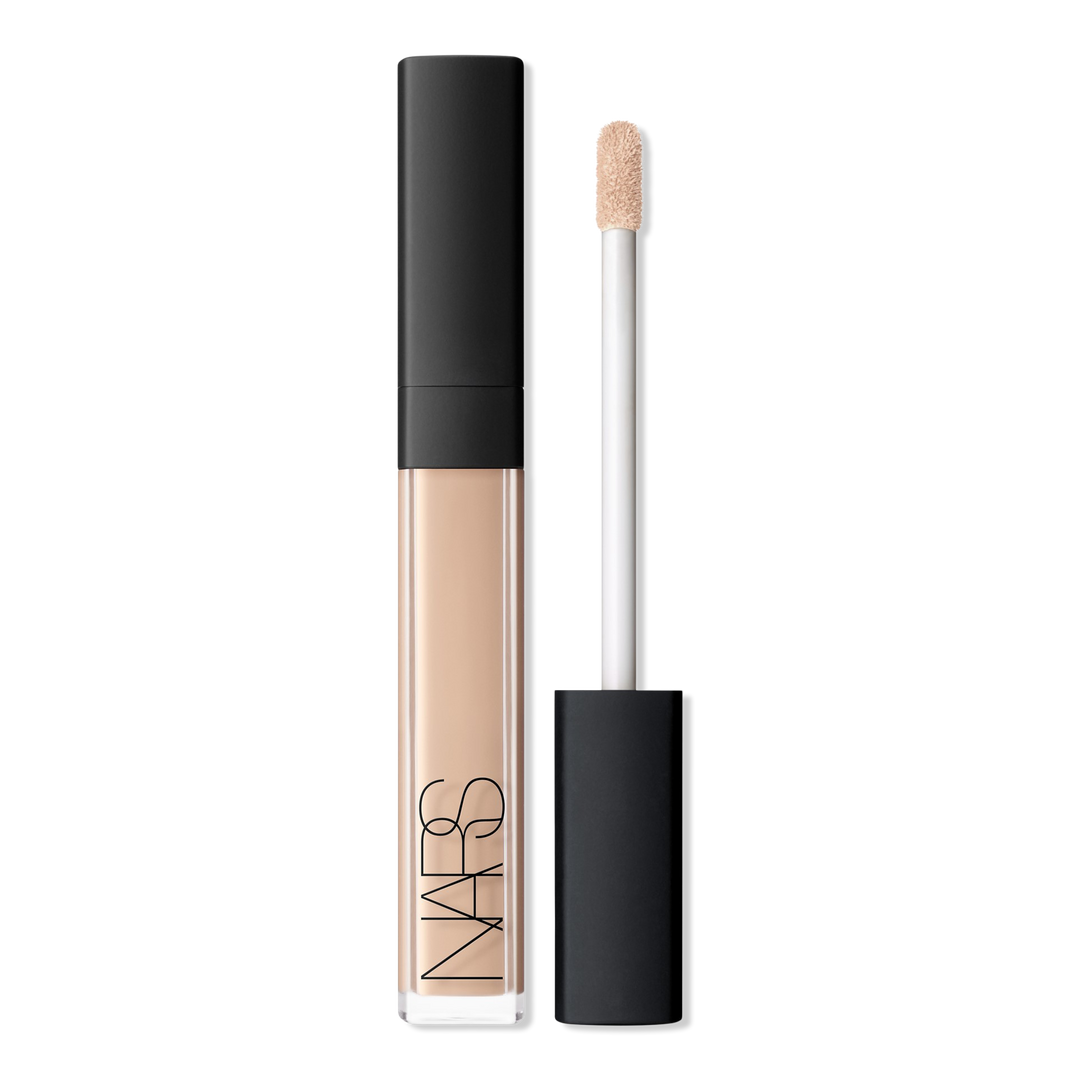
2 of 5: Best radiant concealer for a natural finish that doesn’t crease
NARS Radiant Creamy Concealer
Liquid concealer | $36.00
Shop NARS Radiant Creamy Concealer at Ulta Beauty →
This creamy liquid is a longtime fave for anyone who wants medium, buildable coverage with a soft, luminous finish. Its flexible texture moves with your skin, which makes it a solid match for normal to dry skin and visible fine lines. Check the current label for the shade range and full ingredient list before adding it to your routine.
Key specs: Liquid · Medium to buildable coverage · Radiant finish · Normal to dry skin
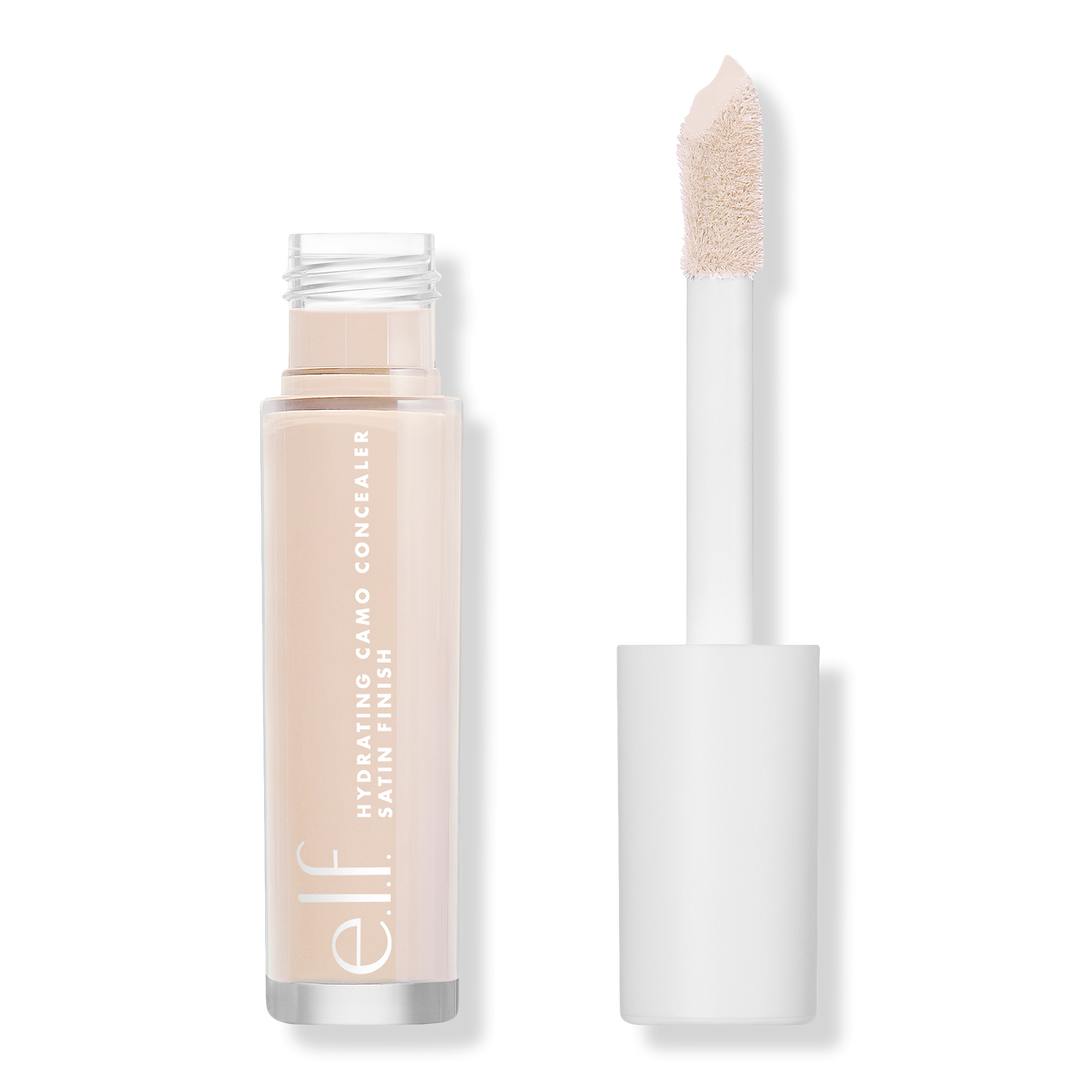
3 of 5: Best budget-friendly hydrating concealer that doesn’t crease
e.l.f. Makeup Hydrating Camo Concealer
Liquid concealer | $8.00
Shop e.l.f. Makeup Hydrating Camo Concealer at Ulta Beauty →
This concealer is the pick for someone who wants full coverage with a hydrating feel at an approachable price. Its satin finish stays comfortable on dry skin and under-eye areas that tend to look parched. Check the current label for the shade range, full ingredient list and any cruelty-free or vegan details before adding it to your routine.
Key specs: Liquid · Full coverage · Satin finish · Dry to normal skin
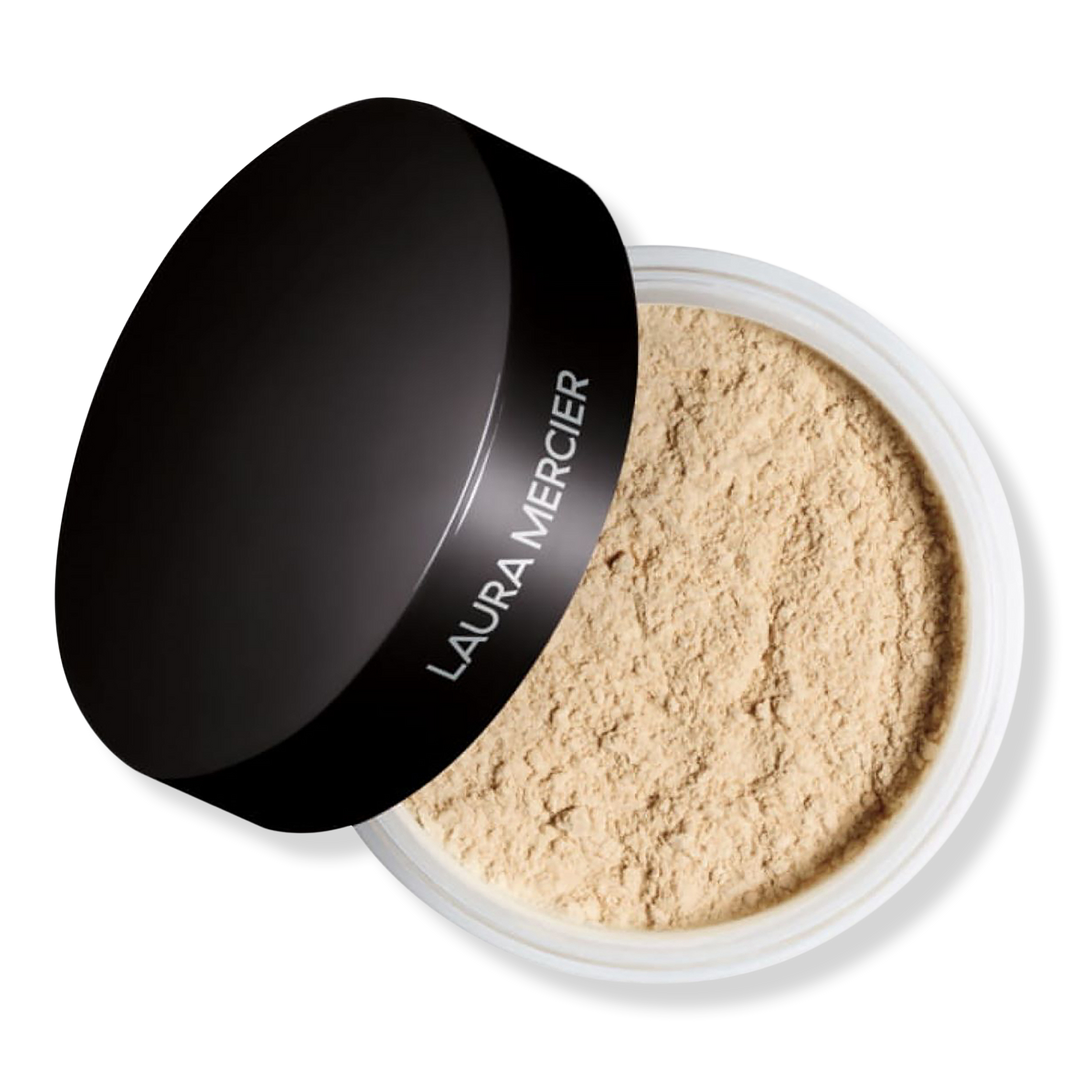
4 of 5: Best loose powder for setting the under-eye area
Laura Mercier Translucent Loose Setting Powder
Loose setting powder | $43.00
Shop Laura Mercier Translucent Loose Setting Powder at Ulta Beauty →
Choose this finely milled powder to lock concealer in place without a heavy, cakey look. It's built to soften shine and help makeup last, which makes it a strong match for the under-eye area and oily skin. Check the current label for available shades, since tinted options may suit deeper skin tones better than the translucent version.
Key specs: Loose powder · Finely milled · Soft matte finish · Multiple shade options
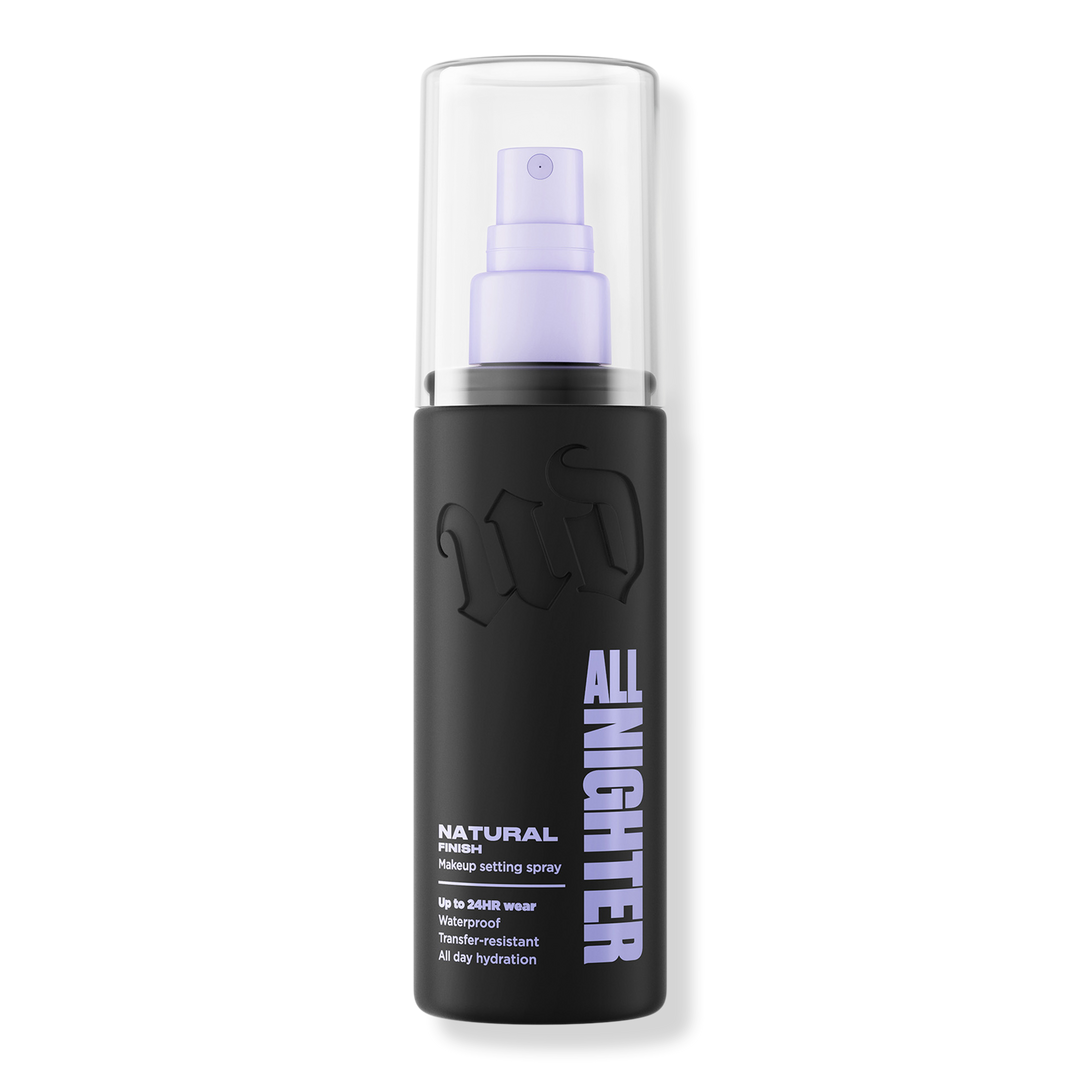
5 of 5: Best setting spray for long-wearing makeup
Urban Decay All Nighter Long-Lasting Makeup Setting Spray
Setting spray | $38.00
Shop Urban Decay All Nighter Long-Lasting Makeup Setting Spray at Ulta Beauty →
This spray is the one to reach for when you need your concealer to hold up through a long day or a big night. A few mists help powder melt into your skin and keep everything in place. Check the current label for the full ingredient list and directions before adding it to your routine.
Key specs: Setting spray · Long-wearing formula · Mist application · All skin types
A quick skin note
The skin around your eyes is delicate, so apply products with a light touch and avoid tugging or rubbing.
Stop using a product and check with an esthetician or dermatologist if you notice irritation, redness or swelling. Patch-test new formulas if you have sensitive skin and keep products out of your eyes.
The practical takeaway
Hydration and primer give your concealer a smooth base. Light layers and smart setting keep it from slipping into lines. Pairing both gives your look the best shot at lasting from morning to night.
Your choice should come down to your skin type, the finish you want, a shade that matches your skin and ingredients you feel good about. You can try new prep and setting steps all at once, but adding one step at a time makes it easier to see what works for you.
Frequently asked questions
Why does my concealer crease even when I set it?
You might be using too much concealer or powder or skipping hydration. Try a thinner layer of concealer, a lighter hand with powder and an eye cream underneath. Checking for lines before you set also helps.
Should I use eye cream before concealer?
Yes, especially if your under-eye area runs dry. A lightweight eye cream gives concealer a smooth base. Let it absorb for a few minutes first so your concealer doesn't slide.
Is baking bad for mature or dry skin?
It isn't bad, but it can look dry or emphasize fine lines on mature or dehydrated skin. A sheer layer of powder pressed on and brushed off right away often works better.
Can I use a full-coverage concealer without creasing?
Absolutely. Apply it in thin layers, blend by tapping and set it lightly. Full coverage doesn't have to mean heavy application.
How can I tell if a product contains ingredients I want to avoid?
Read both the full ingredient list and any allergen notes on the package. Formulas can change, so check the current label each time you buy.
Related Content: Makeup for Mature Skin, At Home Lash Extensions, Where to Apply Blush for Your Face Shape, What do Peptides do for Skin, Japanese Skin Care Products, What is Glycolic Acid?
Discover more Beauty Education guides and Makeup buying guides