Everyday makeup routine for beginners and the order that makes it easier
By Ulta Beauty Advisors · Published August 2026 · Updated October 2026
All products featured are available at Ulta Beauty. Ulta Beauty Advisors select products independently. Prices and availability are subject to change.
New to makeup? You don't need a full kit to get going. You just need a simple order that helps each product do its thing.
The easiest everyday routine starts with skin prep, a light base, concealer where you want it, brows, mascara, blush, lip color and a setting step if you need it. We love this order because it's beginner-friendly, flexible and easy to repeat on a busy morning.
This guide walks you through what to use, what order to apply it in, which steps you can skip and how to make the look feel like yours.
What is an everyday makeup routine?
An everyday makeup routine is a short, repeatable set of steps that helps you look and feel put together for your day. It usually focuses on evening the look of your skin, adding a little color, defining your eyes and finishing with a lip product.
The goal isn't to cover everything or use every product you own. It's to build a balanced look that fits your time, your skin type and your personal style.
A beginner-friendly everyday routine usually includes:
- Skin prep
- Tinted moisturizer, foundation or concealer
- Brow gel or brow pencil
- Mascara
- Blush or bronzer
- Lip balm, gloss, tint or lipstick
- Powder or setting spray, if needed
You can keep it minimal or add more steps once you feel ready. Makeup is meant to meet you where you are.
Everyday makeup routine for beginners
Here's the everyday routine we recommend starting with. Think of it as your base plan. Once you know the order, you can swap the products, finishes and colors to match your skin, your schedule and your vibe.
The beginner order is:
- Skin prep
- Primer, if you want it
- Tinted moisturizer, foundation or skin tint
- Concealer
- Powder, if needed
- Brows
- Eyeshadow, if you want it
- Eyeliner, if you want it
- Mascara
- Blush, bronzer or highlighter
- Lip color
- Setting spray, if needed
This order works because it starts with skin and moves into definition and color. It also gives you plenty of natural stopping points. Only have five minutes? Skip to concealer, mascara, blush and lip balm. Got more time? Layer in brows, liner, bronzer or setting spray.
A shorter routine isn't a backup plan. It's often the routine you can actually stick with, especially while you're still figuring out what you like.
What you need for a beginner makeup routine
You don't need every brush, palette and product to get started. A beginner kit should be small enough that you know exactly what each item does.
Skin prep
Skin prep helps makeup sit more comfortably on your face. Your skin care routine doesn't need to be complicated before makeup.
Start with:
- Cleanser, if you're applying makeup after waking up or after a workout
- Moisturizer suited to your skin type
- Sunscreen during the day
- Lip balm if your lips feel dry
Give your moisturizer and sunscreen about two minutes to absorb before you start your base. If your makeup seems to slide around, your skin care may just need a little more time to settle.
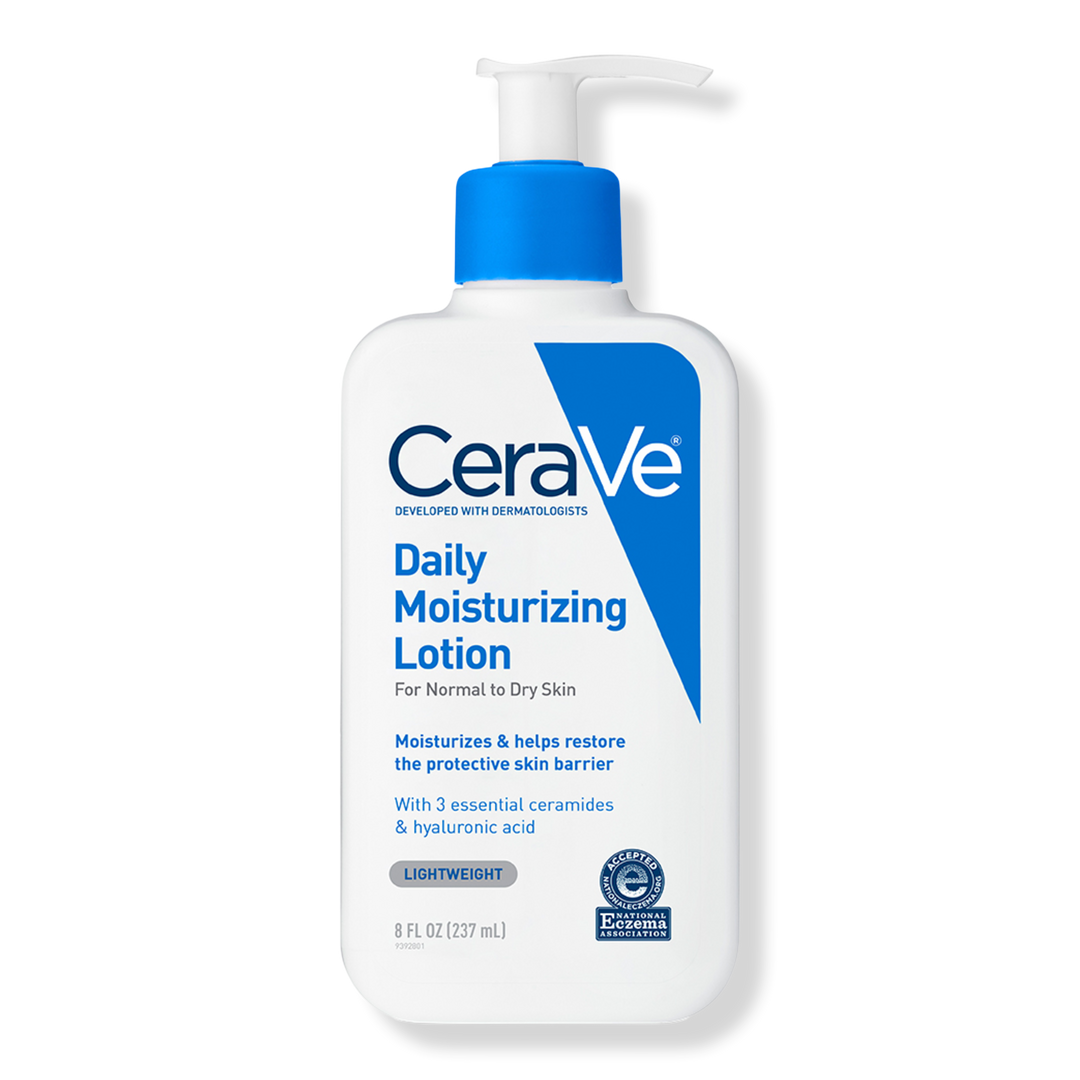
1 of 2: For a smooth base under makeup
CeraVe Daily Moisturizing Lotion
Facial moisturizer | $7.99 to $19.99
Shop CeraVe Daily Moisturizing Lotion at Ulta Beauty →
A lightweight, non-greasy moisturizer that gives makeup a smooth, hydrated surface to grip onto. It's formulated with hyaluronic acid and ceramides, so it supports your skin's moisture barrier without feeling heavy or interfering with your base products. Works for most skin types, including sensitive skin.
Key specs: Hydrating lotion, hyaluronic acid, ceramides, non-comedogenic, fragrance-free
Apply after cleansing and let it absorb for about two minutes before moving to your base.
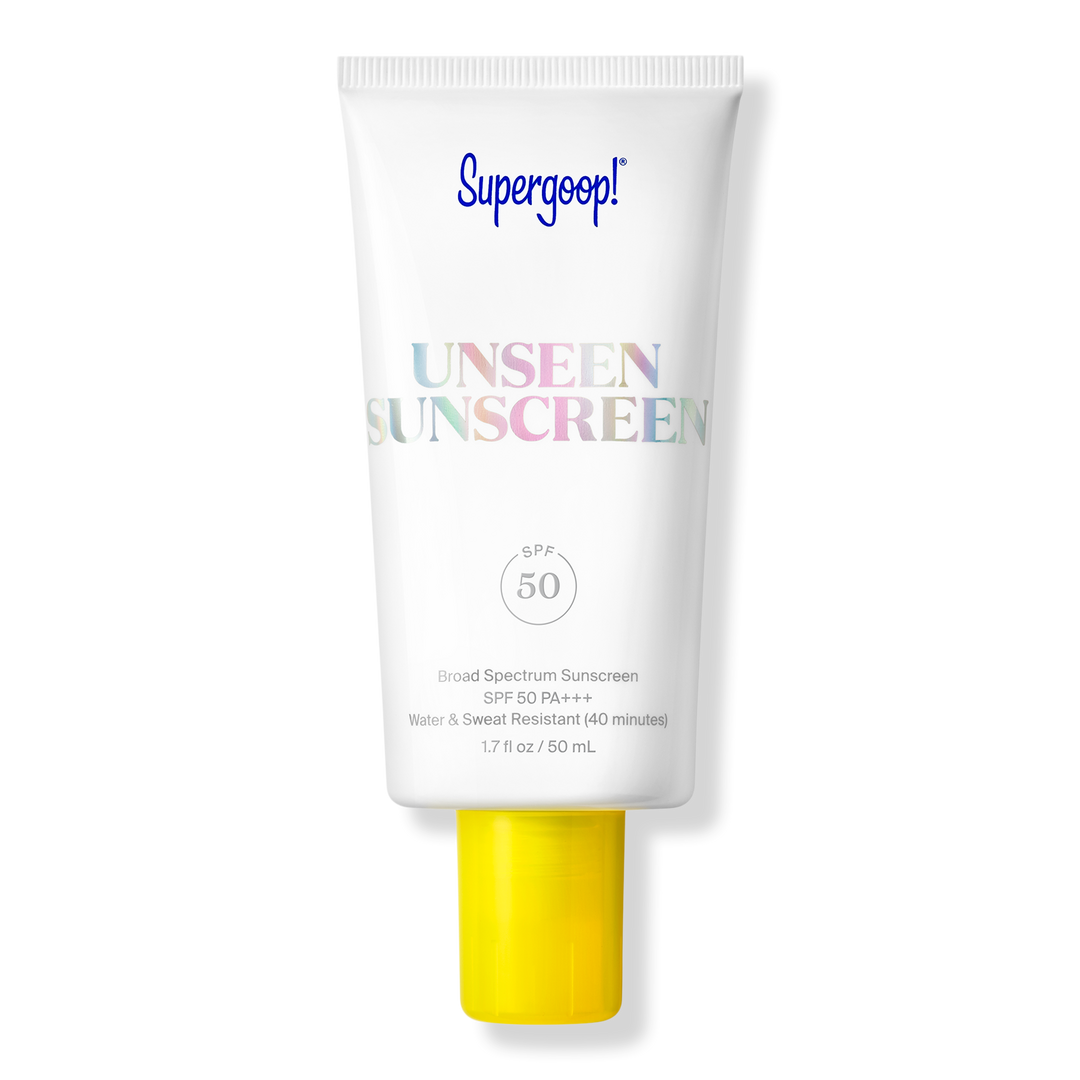
2 of 2: For daily SPF under makeup
Supergoop! Unseen Sunscreen SPF 40
Facial sunscreen | $38.00
Shop Supergoop! Unseen Sunscreen SPF 50 at Ulta Beauty →
A clear, weightless sunscreen that disappears into the skin and doesn't leave a white cast, pill under makeup or disrupt your base. It works as the last step of your skin care and doubles as a primer for most skin types.
Key specs: SPF 50, clear finish, no white cast, primer-like texture, suitable for all skin tones
Apply as the final skin care step before your base products, not after.
Base products
Your base product is what helps even the look of your skin. Beginners usually do well starting with lighter, more flexible formulas before trying fuller coverage.
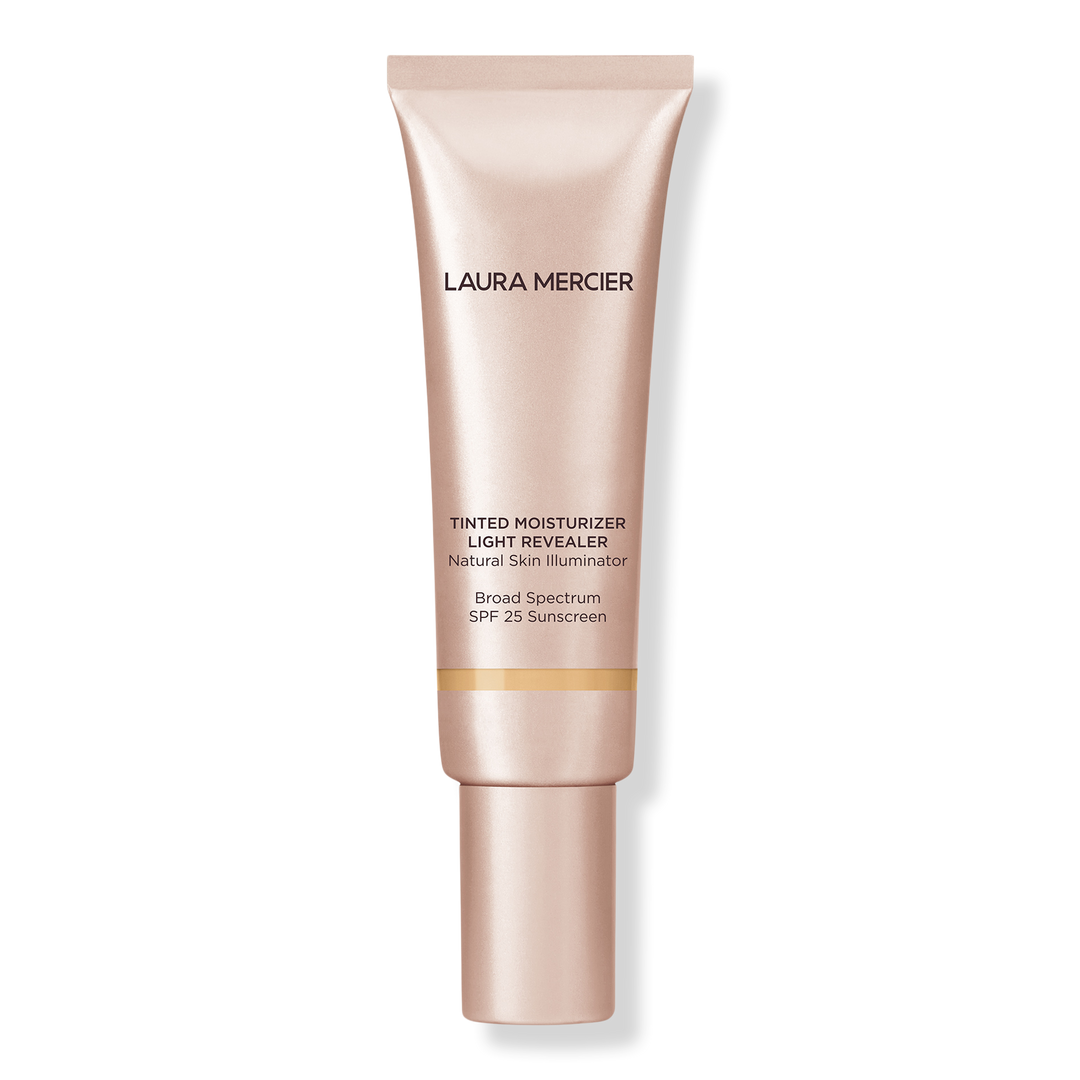
1 of 4: For light, effortless coverage
Laura Mercier Tinted Moisturizer Light Revealer Natural Skin Illuminator
Tinted moisturizer| $54.00
Shop Laura Mercier Tinted Moisturizer Light Revealer Natural Skin Illuminator at Ulta Beauty →
A sheer, skin-like formula that evens your complexion while keeping things fresh and breathable. It blends easily with fingers, a sponge or a brush and comes in a wide range of shades. A great first base product if you want something that feels close to nothing on the skin.
Key specs: Sheer-to-light coverage, SPF 25, blendable with fingers or sponge, available in multiple shades, buildable
Use alone for a no-makeup look or layer a little concealer on top for extra coverage where you need it.
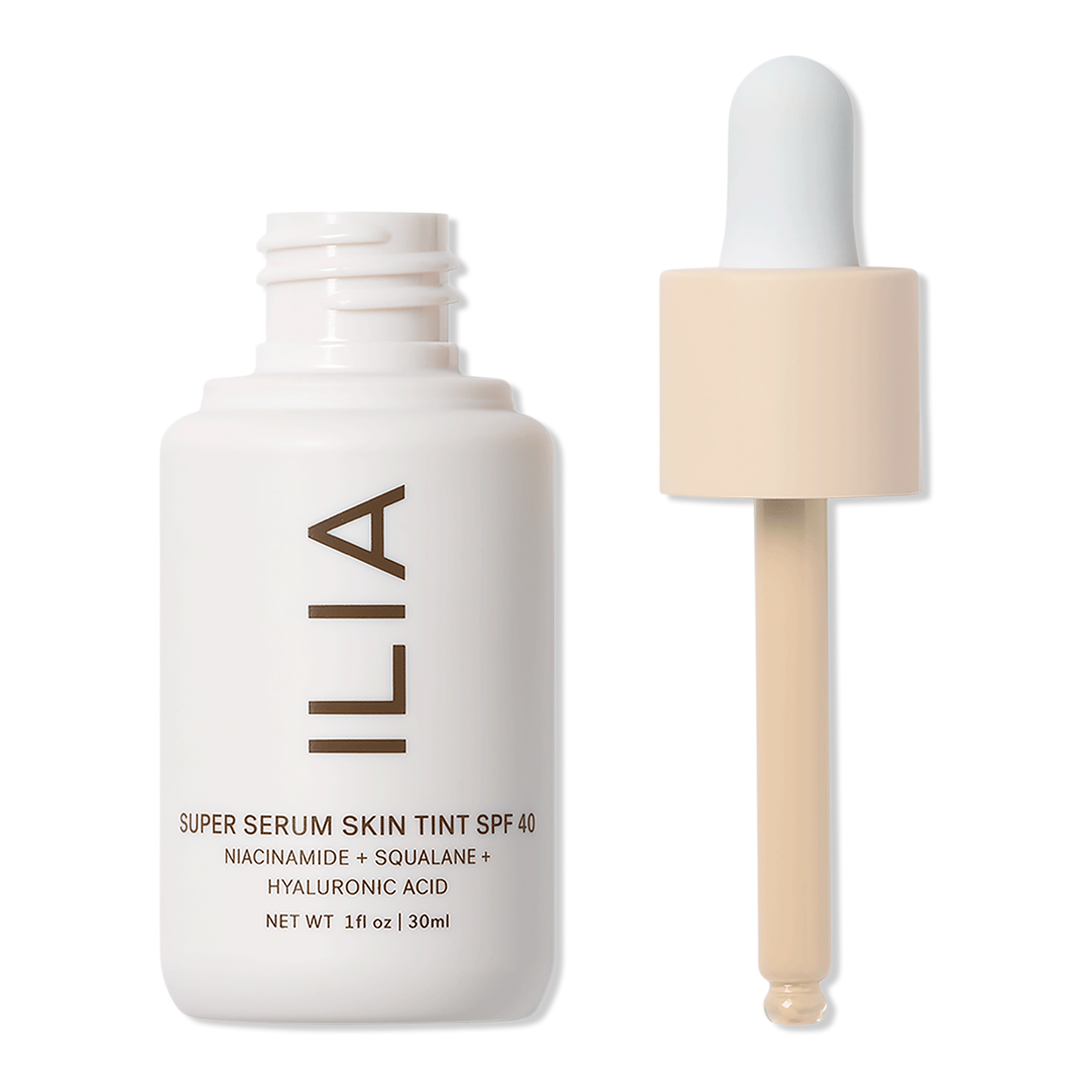
2 of 4: For a skin care-meets-makeup base
ILIA Super Serum Skin Tint SPF 40
Skin tint | $48.00
Shop ILIA Super Serum Skin Tint SPF 40 at Ulta Beauty →
A blurring skin tint with built-in SPF that looks like your skin, just more even. It's formulated with niacinamide, hyaluronic acid and squalane, so it pulls double duty as a skin care step. The wide shade range makes it easy to match.
Key specs: Sheer coverage, SPF 40, niacinamide, hyaluronic acid, squalane, 30+ shades
A solid pick if you want one product to replace both your moisturizer and base on low-key days.
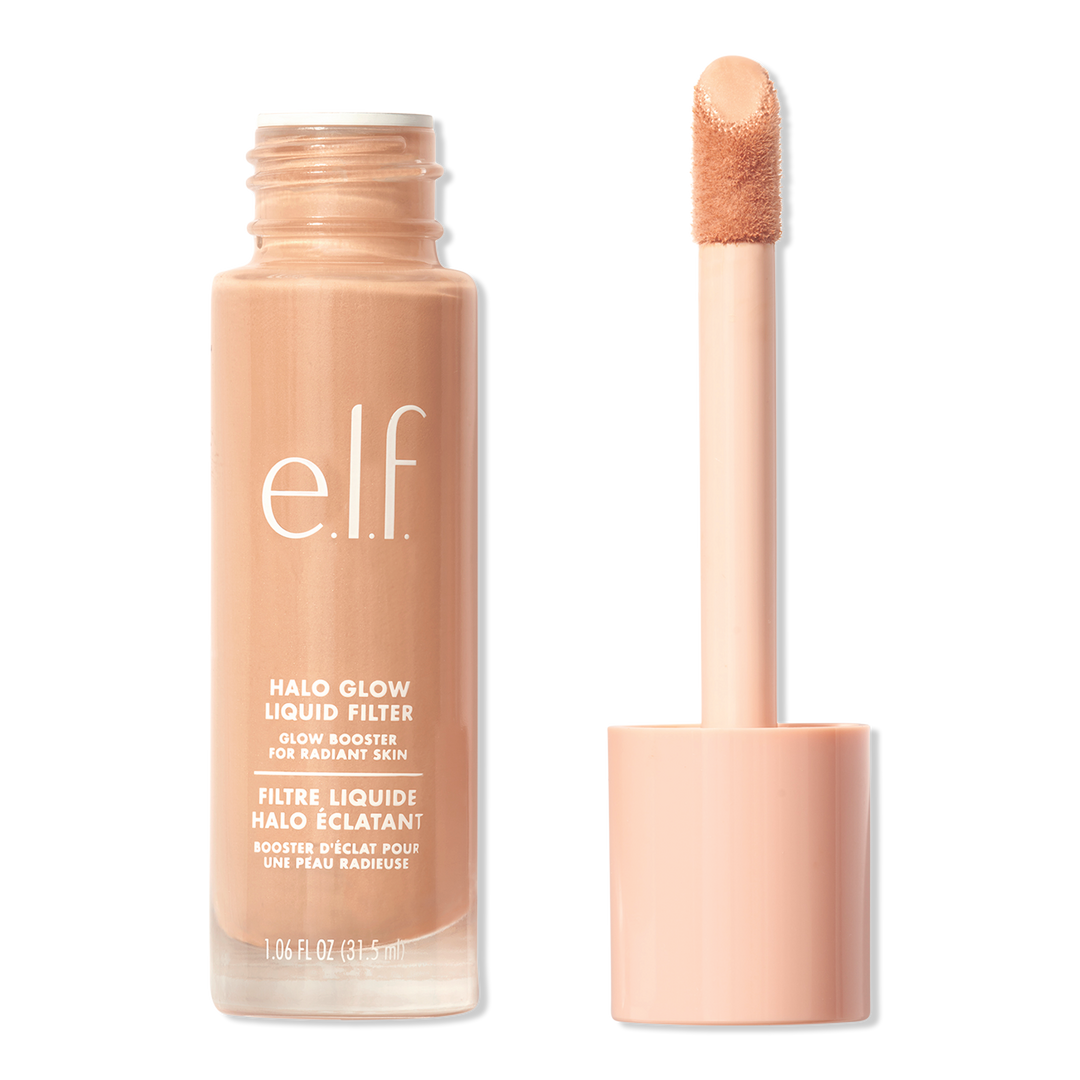
3 of 4: For a glowy, buildable base
e.l.f. Halo Glow Liquid Filter
Complexion booster | $15.00
Shop e.l.f. Halo Glow Liquid Filter at Ulta Beauty →
A lightweight, luminous base booster you can wear alone or mix into your moisturizer or foundation. It adds a natural glow without glitter and gives skin a soft-focus finish. An accessible entry point into base products without a big commitment.
Key specs: Buildable coverage, luminous finish, hyaluronic acid, mixable formula, available in multiple shades
Start with a few drops blended across the face before deciding if you want more coverage on top.
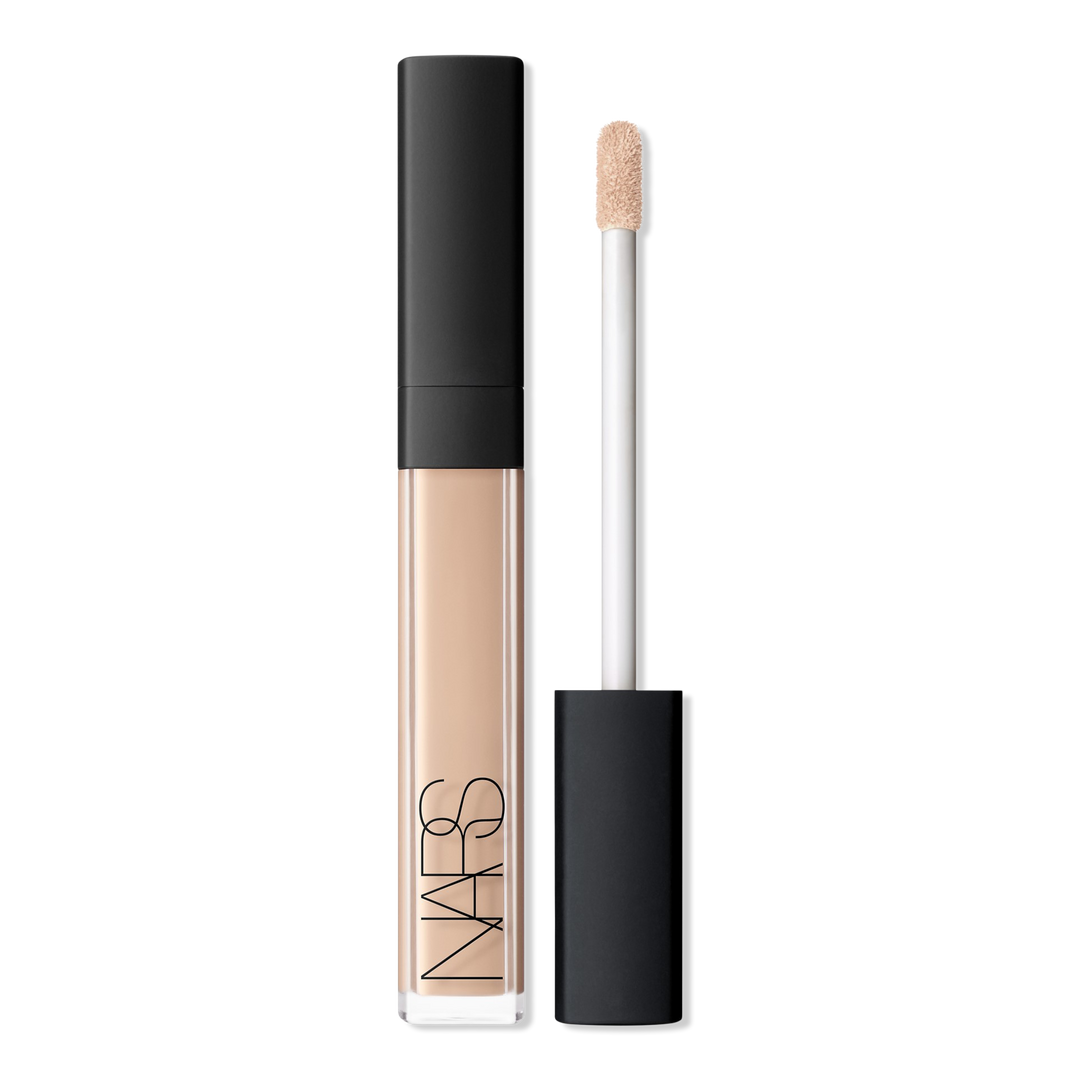
4 of 4: For targeted, blendable concealer coverage
NARS Radiant Creamy Concealer
Concealer | $36.00
Shop NARS Radiant Creamy Concealer at Ulta Beauty →
A creamy, full-coverage concealer that blends smoothly under the eyes, around the nose and over spots without creasing. The radiant finish keeps the under-eye area looking bright rather than flat. One of the most-reached-for concealers for a reason.
Key specs: Full coverage, creamy formula, radiant finish, available in 30+ shades, blendable
Match your skin tone for spot coverage or go one shade lighter under the eyes to brighten.
Color products
Color brings warmth and shape back to your face after your base. You don't need blush, bronzer and highlighter all at once.
Welcome to the blushiverse, so many finishes to play with! Start with one or two:
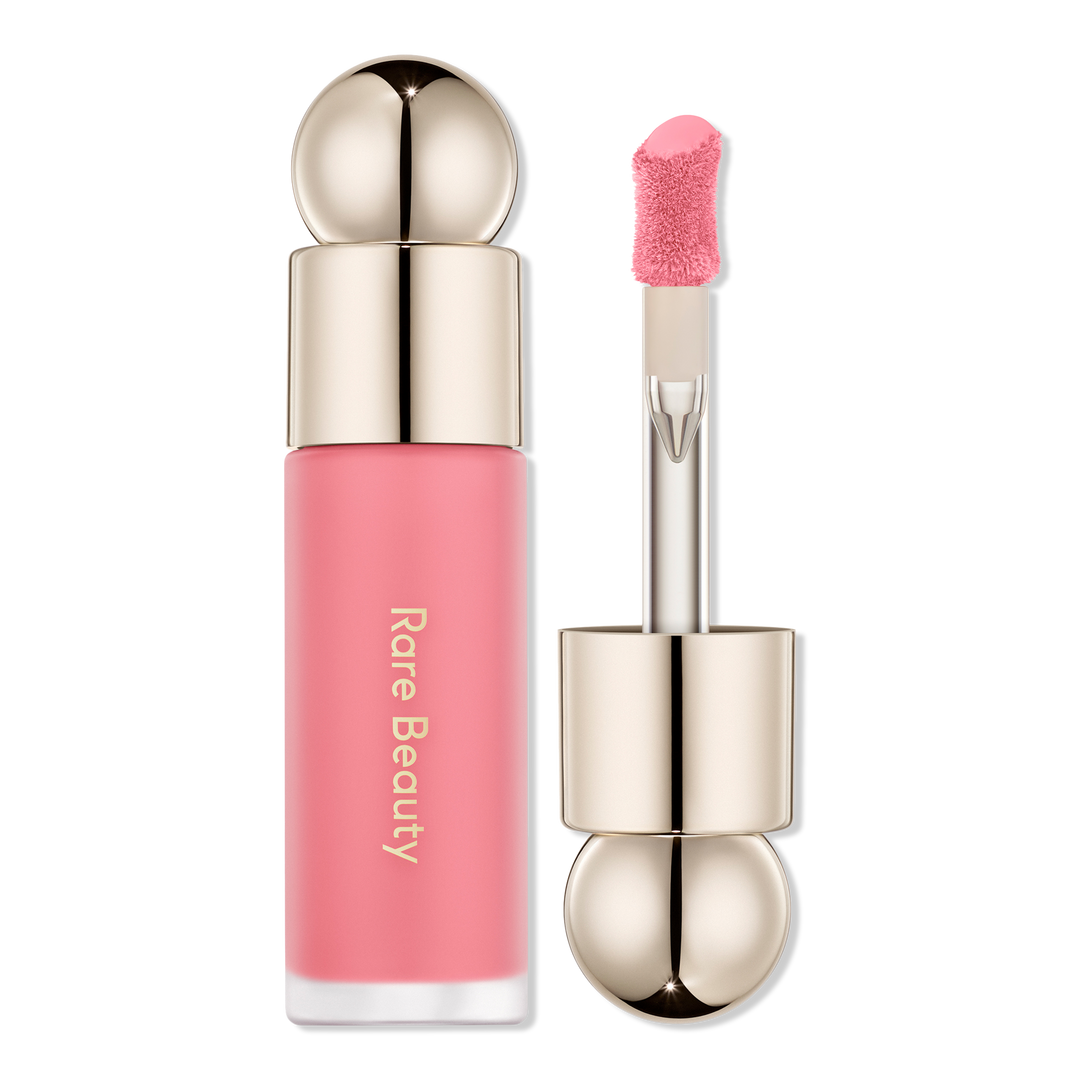
1 of 3: For a buildable, pigment-packed flush
Rare Beauty Soft Pinch Liquid Blush
Liquid blush | $25.00
Shop Rare Beauty Soft Pinch Liquid Blush at Ulta Beauty →
A highly pigmented liquid blush that blends out beautifully with just a small dot. The formula melts into skin for a natural-looking flush that's easy to build. Available in matte and dewy finishes across a wide shade range.
Key specs: Liquid formula, highly pigmented, matte and dewy finishes available, long-wearing, blendable with fingers or brush
Start with less than you think you need, a tiny dot tapped onto the cheekbones is all it takes.
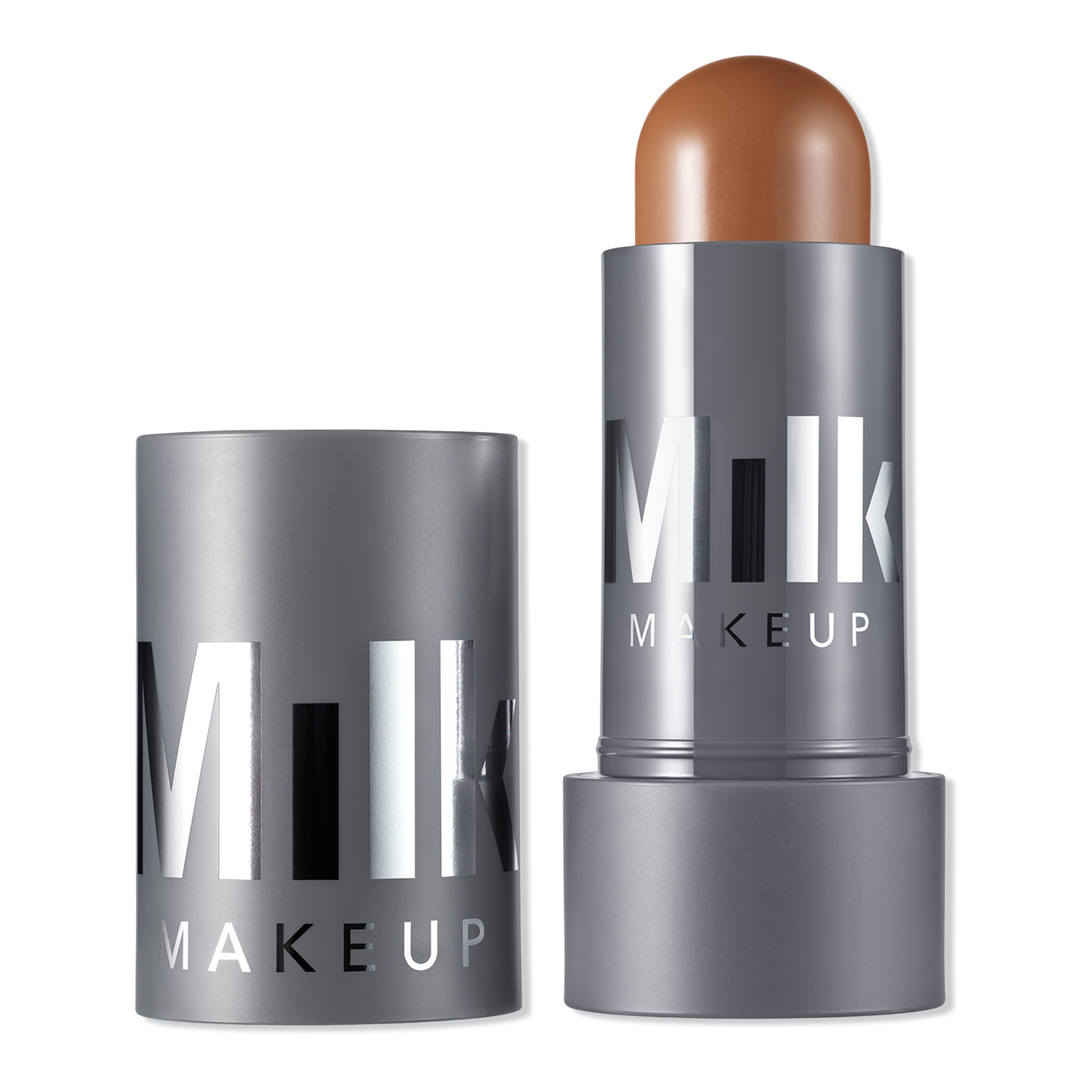
2 of 3: For a sun-warmed bronzed finish
Milk Makeup Matte Hydrating Bronzer Stick
Cream bronzer stick | $28.00
Shop Milk Makeup Matte Hydrating Bronzer Stick at Ulta Beauty →
A no-fuss cream bronzer in stick form that you can swipe directly onto skin and blend with your fingers. The matte finish reads natural on most skin tones and doesn't require a brush to apply. It warms the face without looking overdone.
Key specs: Cream stick formula, infused with hydrating hyaluronic acid, ceramides, and nourishing oils, matte finish, finger-blendable, buildable, available in multiple shades
Swipe lightly across the temples, cheekbones and along the sides of the nose, then blend quickly before it sets.
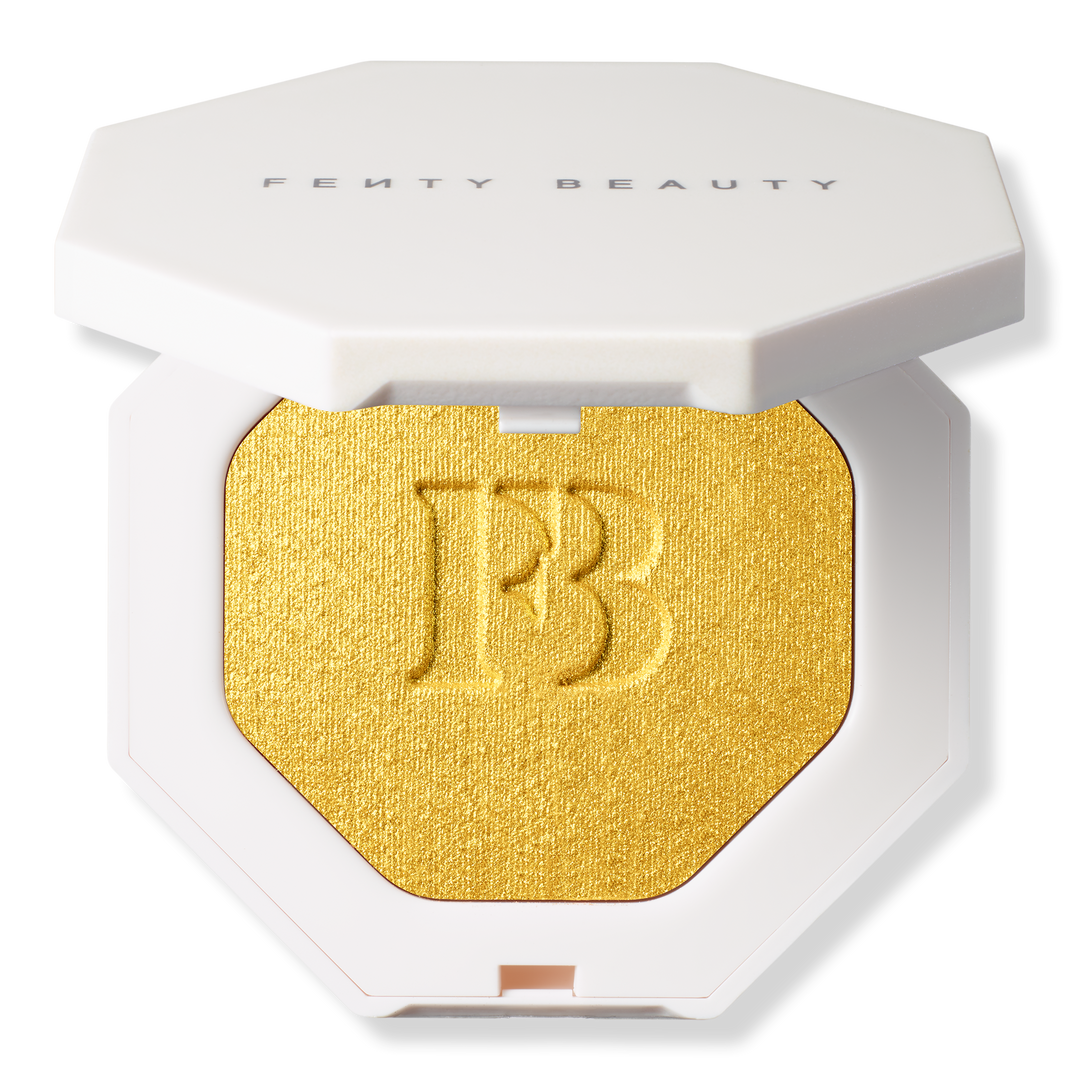
3 of 3: For a soft, lit-from-within glow
Fenty Beauty Killawatt Highlighter
Highlighter | $40.00
Shop Fenty Beauty Killawatt Highlighter at Ulta Beauty →
A highlighter that catches the light and gives a natural glow to the high points of the face without glitter or chunky shimmer. A small amount on the cheekbone tips, brow bone or cupid's bow adds dimension without looking heavy.
Key specs: Powder formula, non-glittery shimmer, buildable, available in multiple shades, blendable with fingers or brush
Use sparingly, a little goes a long way.
Eye and brow products
Eyes and brows can make your whole look feel more finished without adding much time.
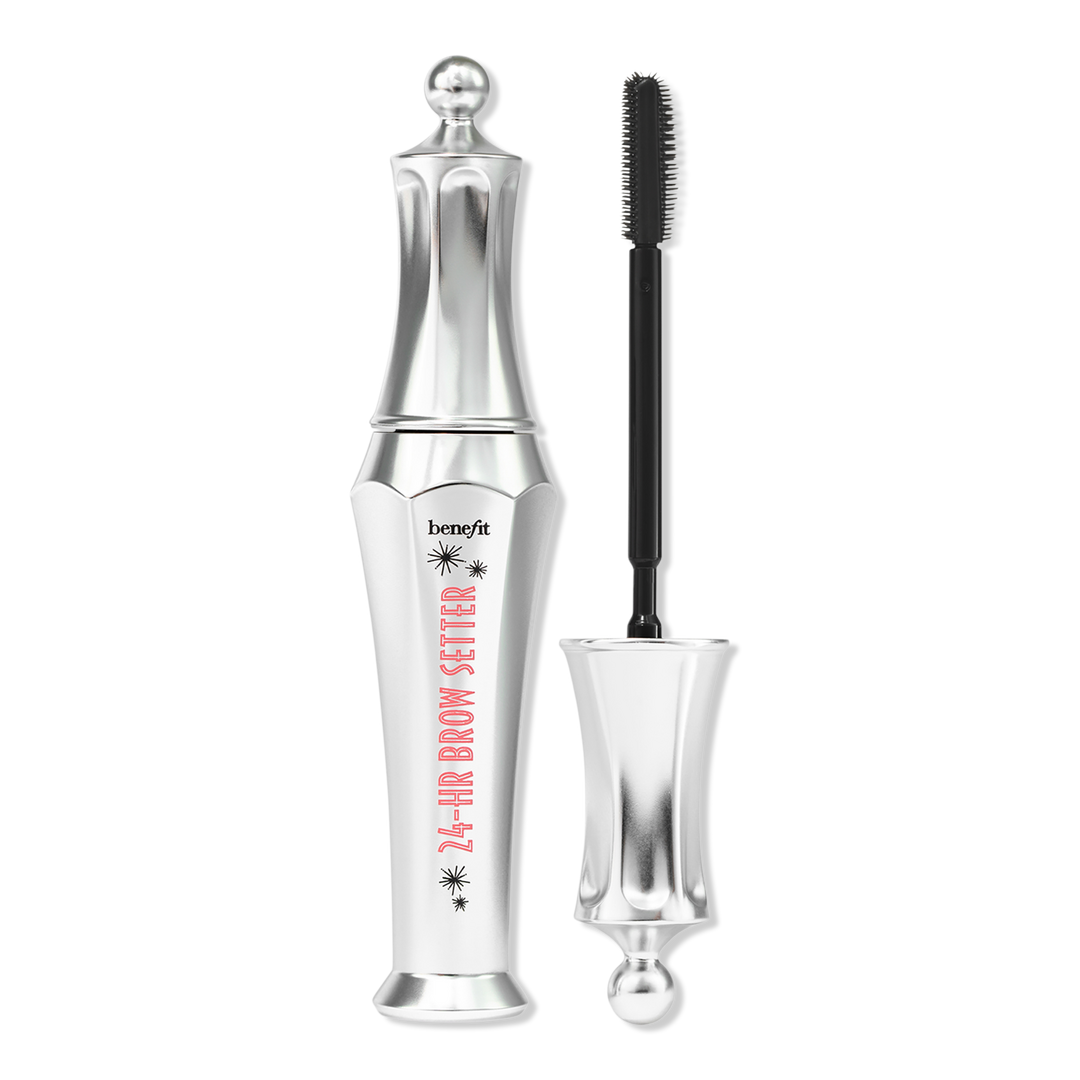
1 of 6: For natural brow hold without color
Benefit 24-HR Brow Setter
Clear brow gel | $16.00 to $28.00
Shop Benefit 24-HR Brow Setter at Ulta Beauty →
A clear brow gel that brushes hairs into place and keeps them there all day without adding color or stiffness. It's the easiest brow product for beginners who want a groomed look without committing to pencils or tinted formulas.
Key specs: Clear formula, 24-hour hold, flexible finish, spoolie applicator
Brush upward and outward to lift the hairs, then let it dry before touching the brow area again.
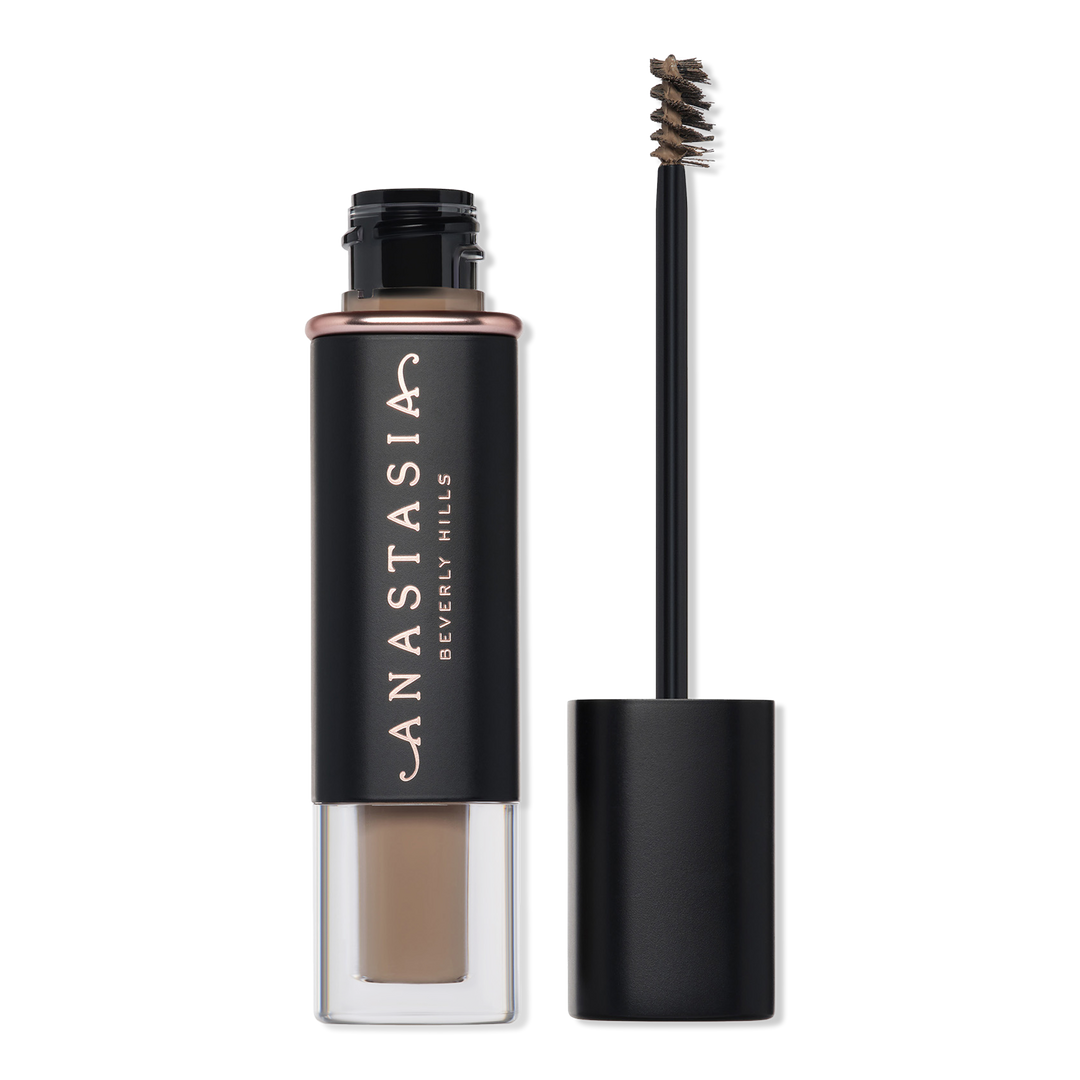
2 of 6: For quick color and shape in one step
Anastasia Beverly Hills Tinted Brow Gel
Tinted brow gel | $26.00
Shop Anastasia Beverly Hills Tinted Brow Gel at Ulta Beauty →
A tinted gel that fills and sets brows in one pass. It adds color, texture and hold without requiring a steady hand or pencil precision. A great step-up from clear gel when you want more definition.
Key specs: Tinted formula, flexible hold, available in multiple shades, spoolie applicator
Choose a shade that matches or is one level lighter than your natural brow color for the most natural result.
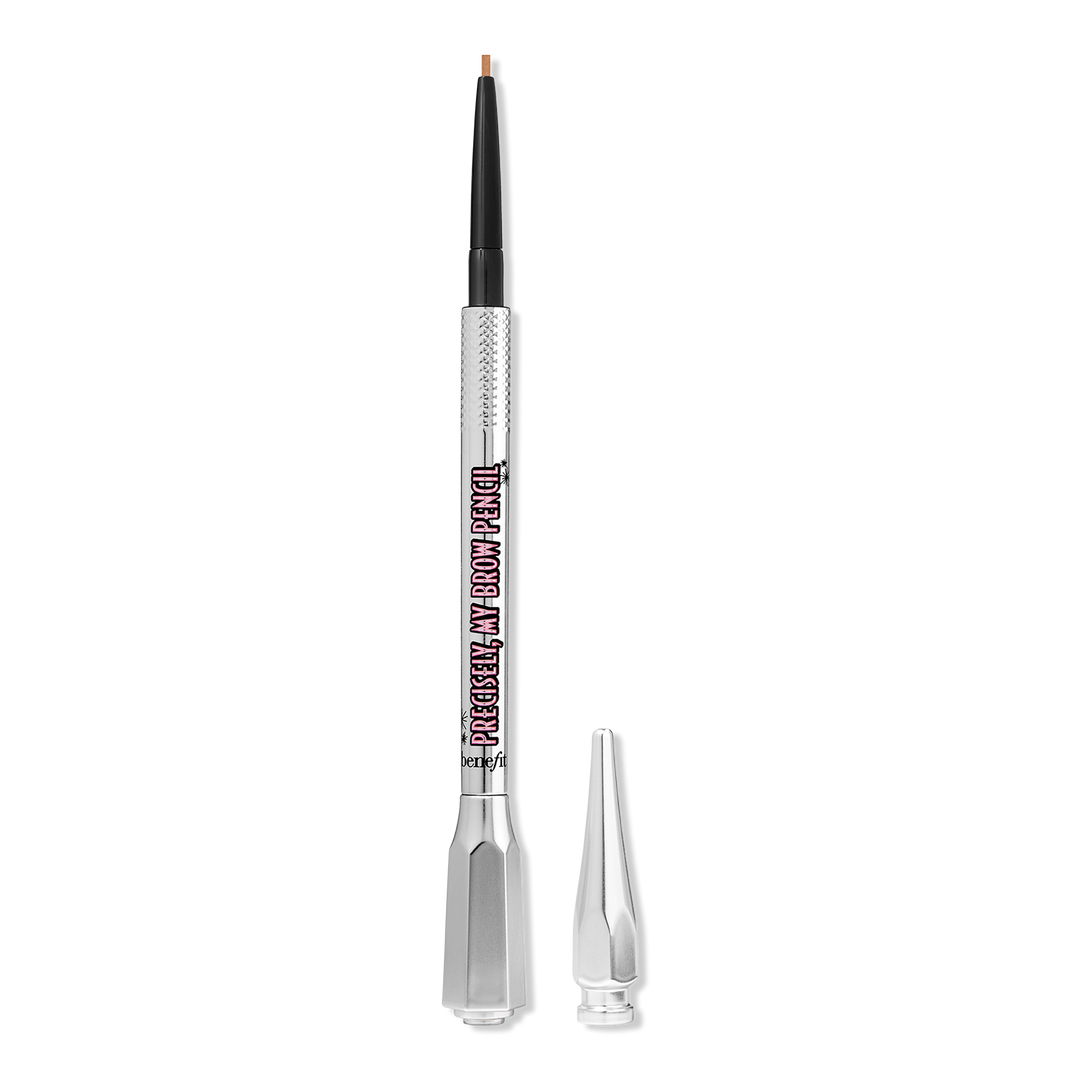
3 of 6: For filling in sparse areas with precision
Benefit Precisely, My Brow Pencil
Brow pencil | $28.00
Shop Benefit Precisely, My Brow Pencil at Ulta Beauty →
An ultra-fine tip pencil that lets you draw hair-like strokes exactly where you need them. It's ideal for filling in gaps or extending the tail of the brow without the look of a drawn-on line. The spoolie end blends everything out.
Key specs: Micro-fine tip, spoolie end, long-wearing, available in 12 shades
Use short, light strokes rather than one continuous line for a softer, more natural finish.
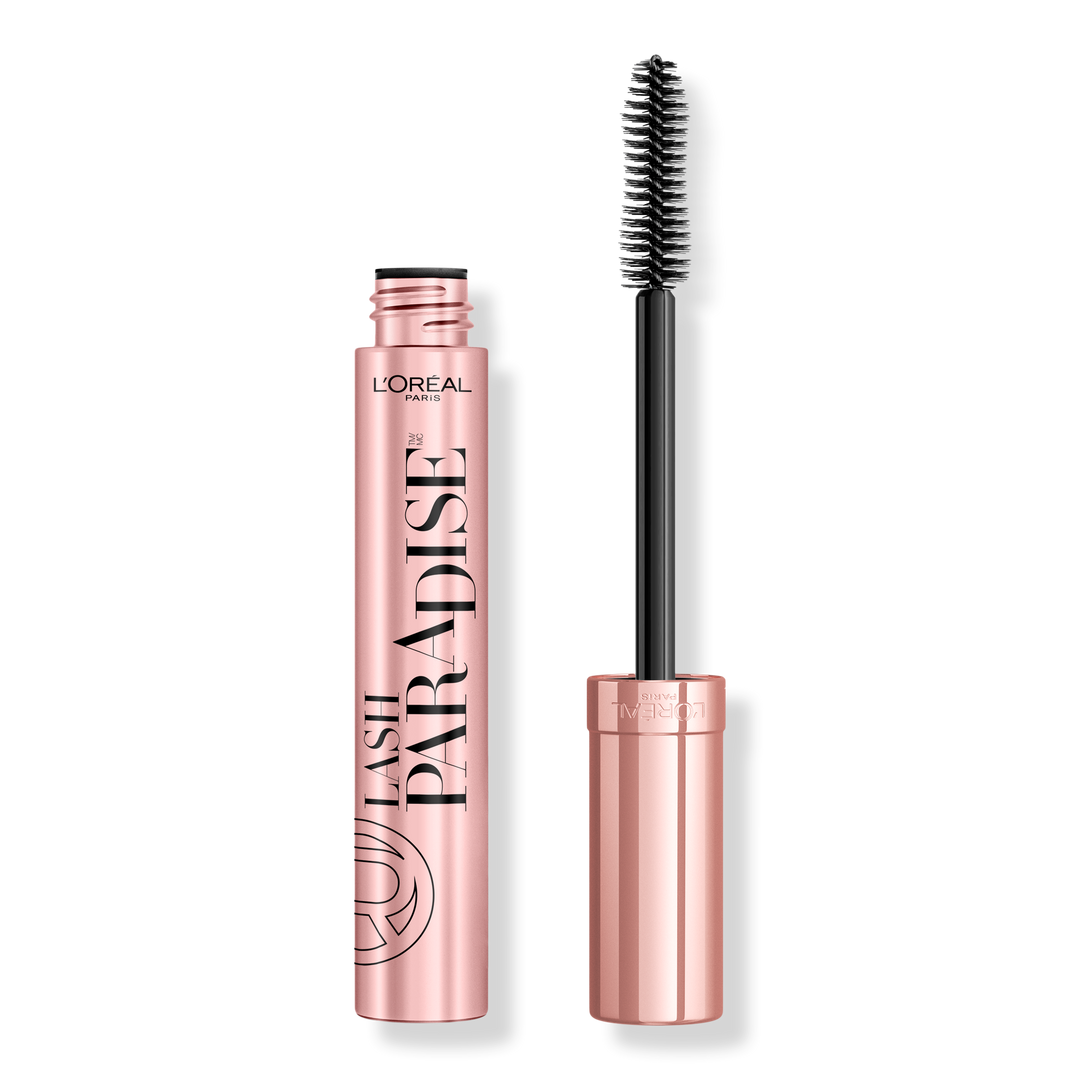
4 of 6: For defined, lengthened lashes
L'Oréal Paris Lash Paradise Mascara
Mascara | $13.99
Shop L'Oréal Paris Lash Paradise Mascara at Ulta Beauty →
A beginner-friendly mascara with a soft, fluffy brush that adds length and definition without clumping. The formula is buildable, so you can keep it natural with one coat or add a second for more drama. A reliable everyday option at an easy price point.
Key specs: Lengthening formula, soft waffle brush, buildable, available in black and blackest black
Wiggle the wand at the base of the lashes before sweeping upward to get lift at the root.
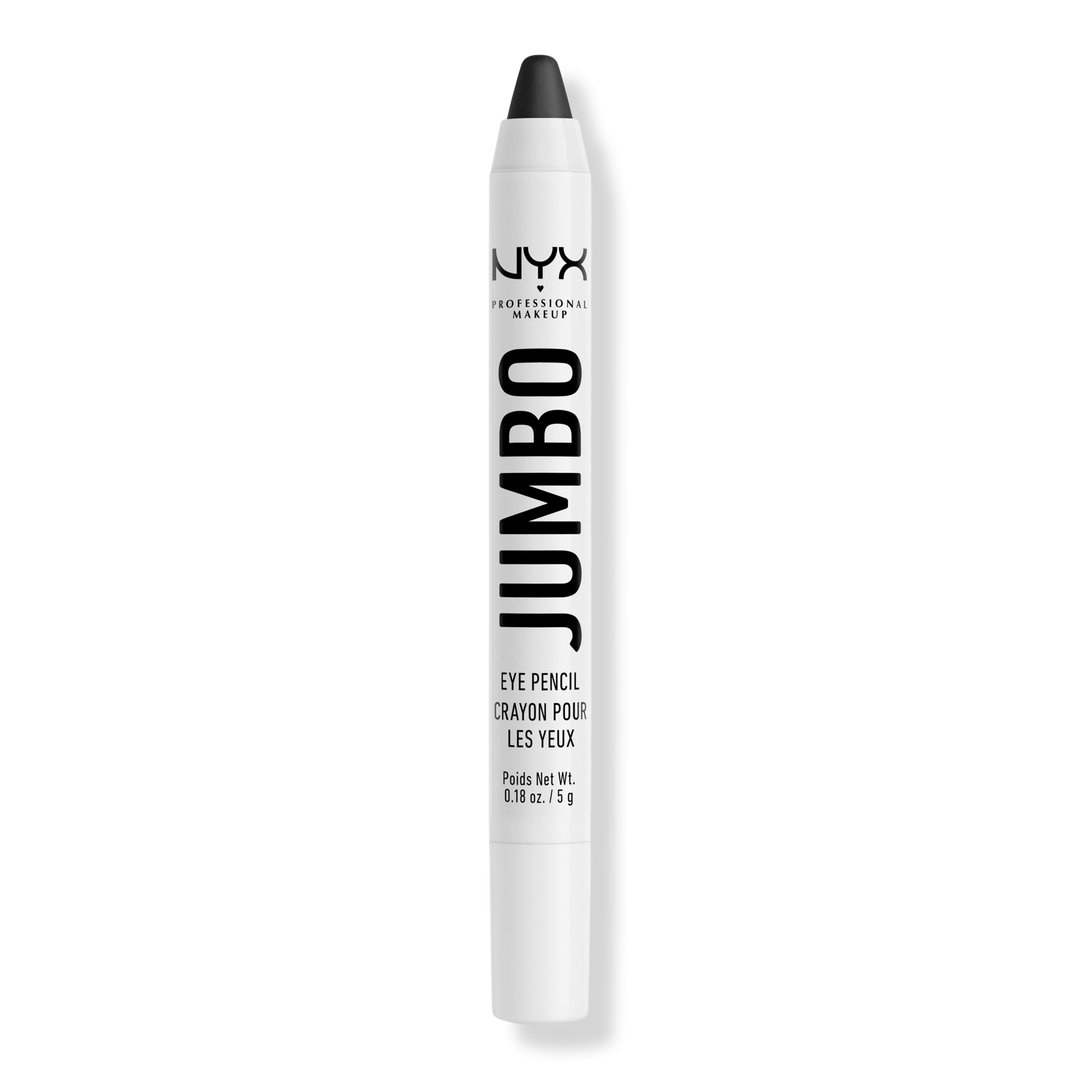
5 of 6: For easy, smudge-ready lid color
NYX Professional Makeup Jumbo Eye Pencil
Eyeshadow pencil | $6.00
Shop NYX Professional Makeup Jumbo Eye Pencil at Ulta Beauty →
A chunky, creamy pencil you can swipe across the lid and blend with a fingertip in seconds. It works as a one-step eyeshadow, a base under powder shadow or a smudged liner. Available in neutral and colorful shades.
Key specs: Creamy formula, finger-blendable, dual-use as shadow or liner base, available in 20+ shades
Stick to neutral tones like champagne, taupe or soft brown for an everyday look that pairs with everything.
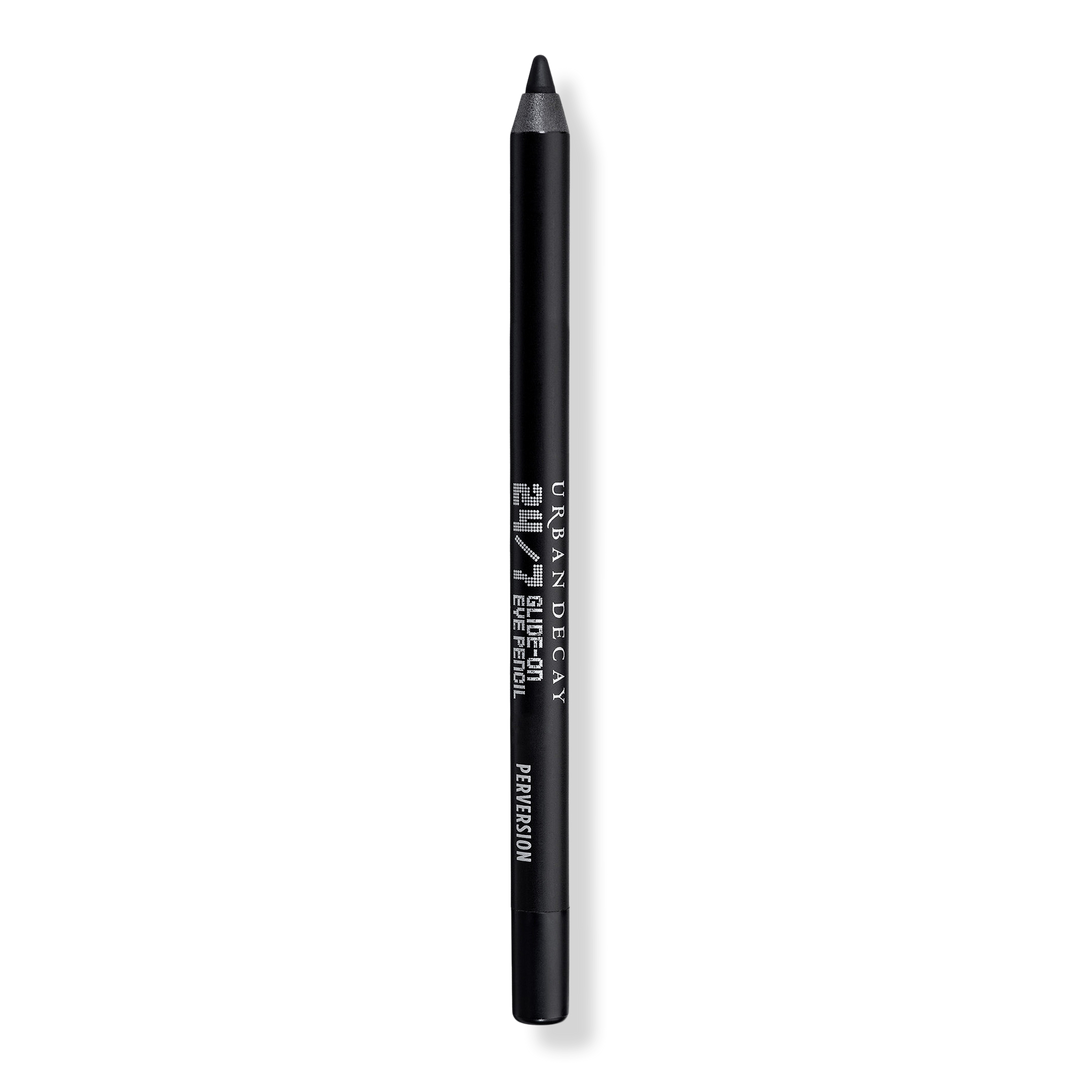
6 of 6: For a soft, beginner-friendly liner
Urban Decay 24/7 Glide-On Eye Pencil
Eyeliner pencil | $23.00
Shop Urban Decay 24/7 Glide-On Eye Pencil at Ulta Beauty →
A smooth, glide-on pencil that goes on easily close to the lash line and stays put. Brown and charcoal shades are the most wearable for everyday looks and soften easily if the line feels too strong. The smudger tip makes blending easy.
Key specs: Glide-on formula, long-wearing, smudger tip, available in 40+ shades
If the line looks too sharp, blur it with the smudger tip or a fingertip for a softer finish.
If brows feel tricky, start with clear gel. It gives shape while you figure out where you want more definition.
Lip products
Lip products are one of the easiest ways to shift the mood of your whole look. For everyday wear, choose something you can apply without a mirror if that feels better for your routine.
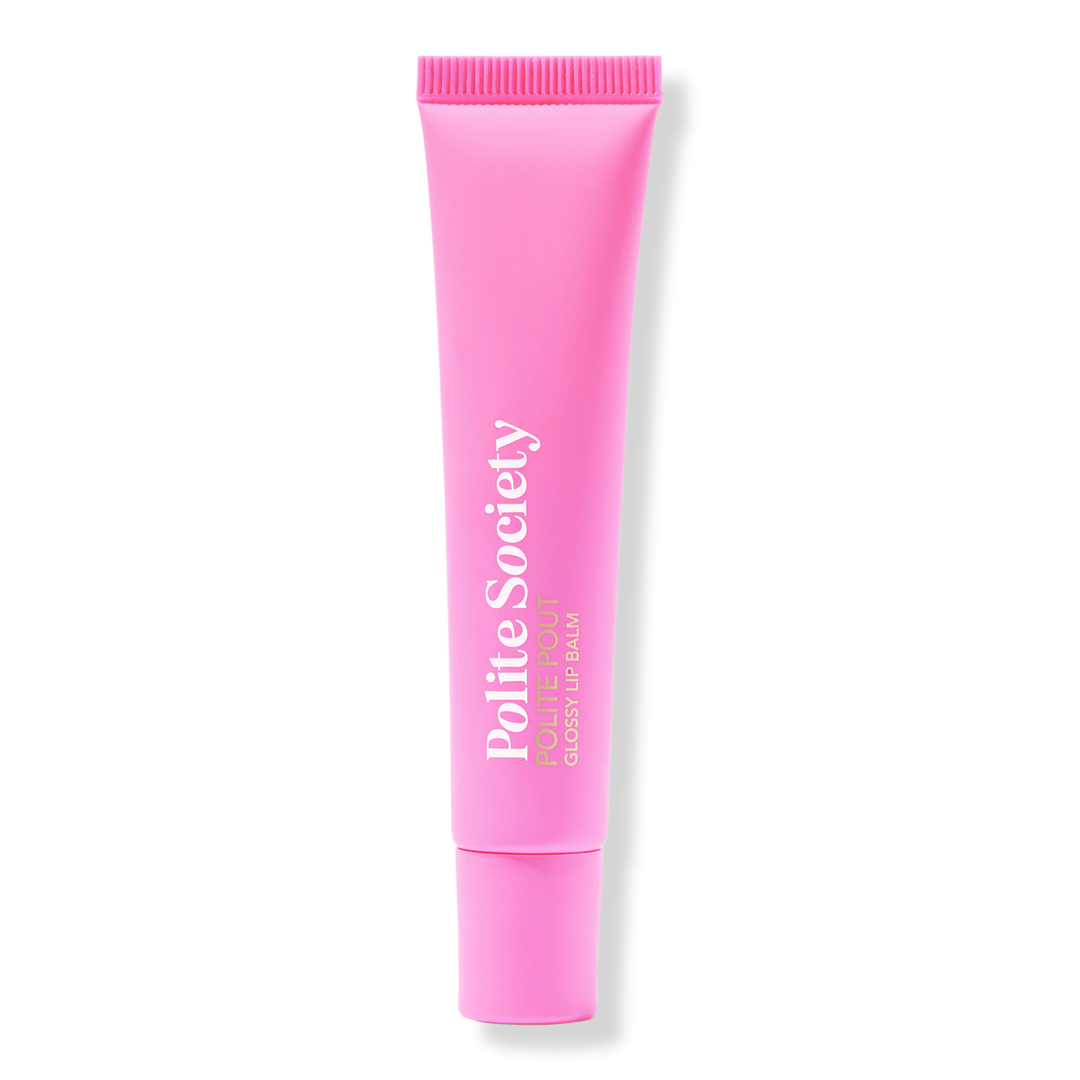
1 of 5: For a low-effort wash of shine
Polite Society Polite Pout Glossy Lip Balm
Tinted glossy lip balm | $21.00
Shop Polite Society Polite Pout Glossy Lip Balm at Ulta Beauty →
This is your grab-and-go pick when you want color and shine without the sticky feel. It gives lips a sheer, buildable tint plus a conditioning balm base with hyaluronic acid and squalane, so lips feel soft while they look glossy. Swipe it straight from the tube; no mirror, no liner, no fuss.
Key specs: Tinted glossy lip balm, hyaluronic acid, squalane, non-sticky finish, buildable sheer color, vegan and cruelty-free per product listing
Reach for this instead of a full lipstick on busy mornings, then layer a second swipe when you want a little more color.
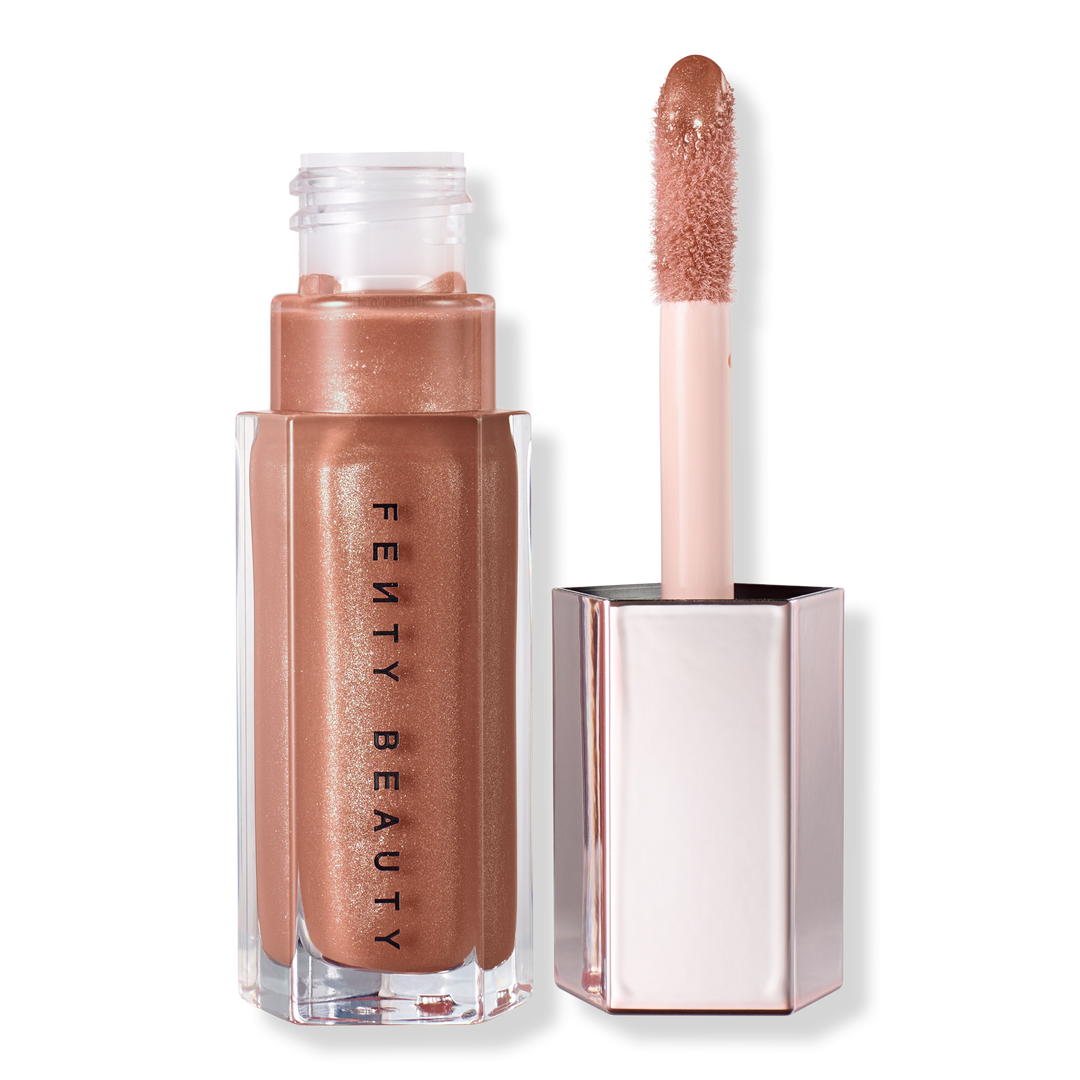
2 of 5: For high-shine, universally flattering gloss
Fenty Beauty Gloss Bomb Universal Lip Luminizer
Lip gloss | $23.00
Shop Fenty Beauty Gloss Bomb Universal Lip Luminizer at Ulta Beauty →
A non-sticky gloss with shades designed to complement every skin tone. It adds shine and the appearance of fullness without feeling heavy or sliding off. A solid standalone product or layered over your favorite lip color.
Key specs: Non-sticky formula, universal shades, high shine, moisturizing, wand applicator
Wear alone or layer over a lip liner for a more defined look.
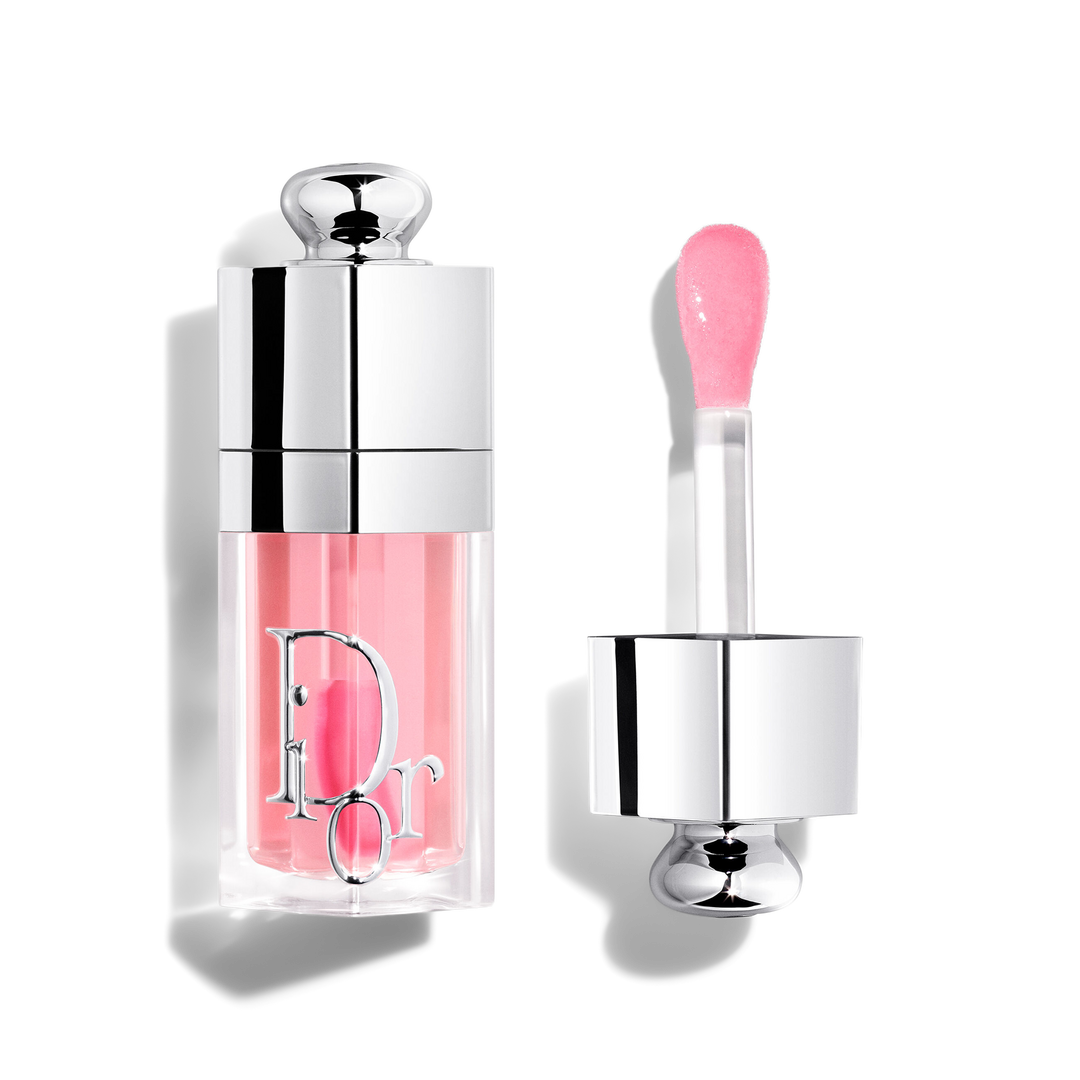
3 of 5: For a conditioning tinted oil
Dior Addict Lip Glow Oil
Lip oil | $42.00
Shop Dior Addict Lip Glow Oil at Ulta Beauty →
A glossy lip oil that conditions while adding a sheer, customizable tint that reacts to your lip's natural tone. It feels lightweight and comfortable throughout the day and doubles as a treatment for dry lips.
Key specs: Tinted oil, customizable color, glossy finish, conditioning formula, available in multiple shades
Works well as a standalone product or layered over a nude liner for more definition.
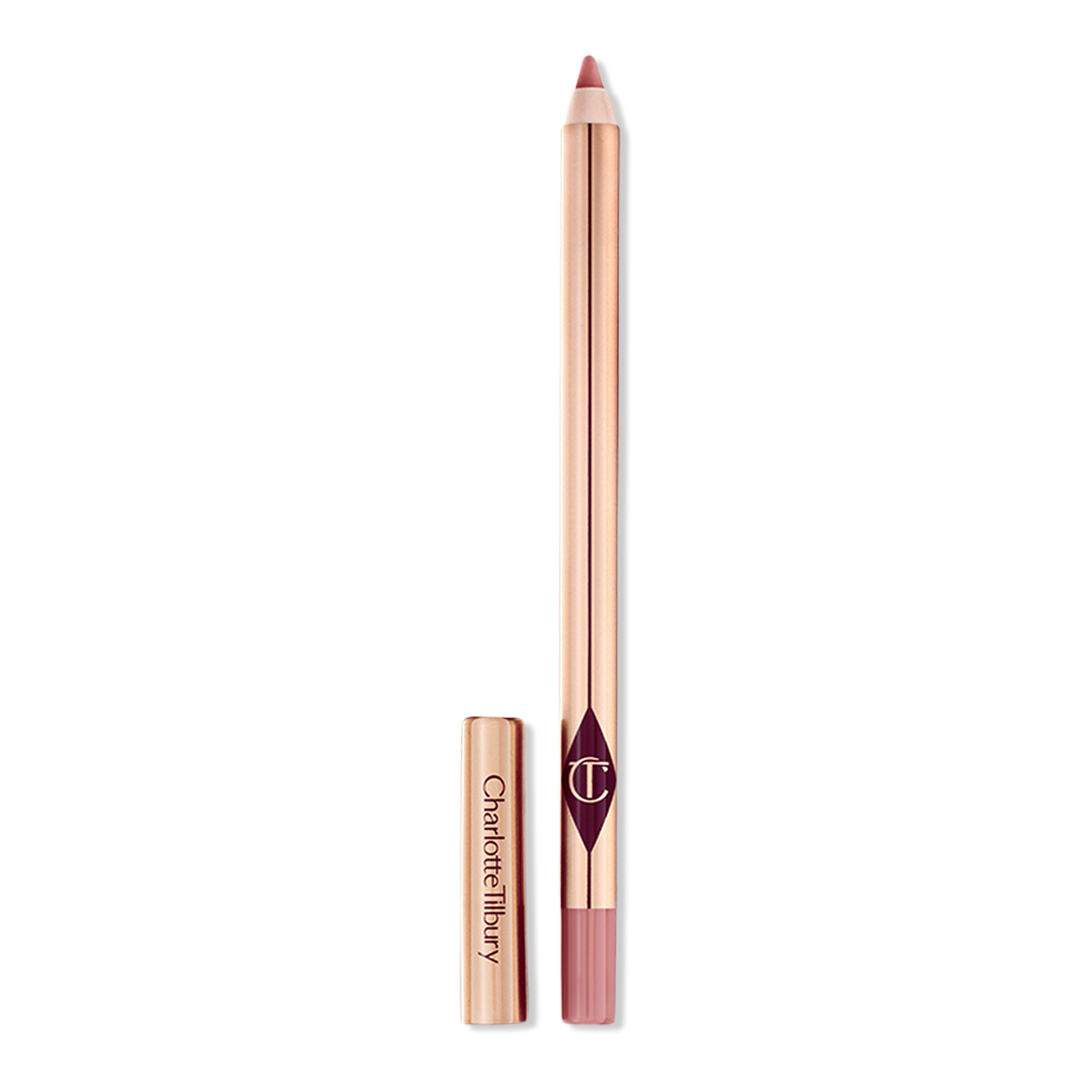
4 of 5: For defined, stay-put lip shape
Charlotte Tilbury Lip Cheat Lip Liner
Lip liner | $28.00
Shop Charlotte Tilbury Lip Cheat Lip Liner at Ulta Beauty →
A creamy, long-wearing liner that defines the lip shape, prevents feathering and makes any lip color last longer. Nude and natural shades work with almost any lip product you layer on top.
Key specs: Creamy formula, long-wearing, available in multiple shades, pencil format
Line just outside the natural lip edge for a fuller appearance, or trace directly on the lip line for a precise everyday look.
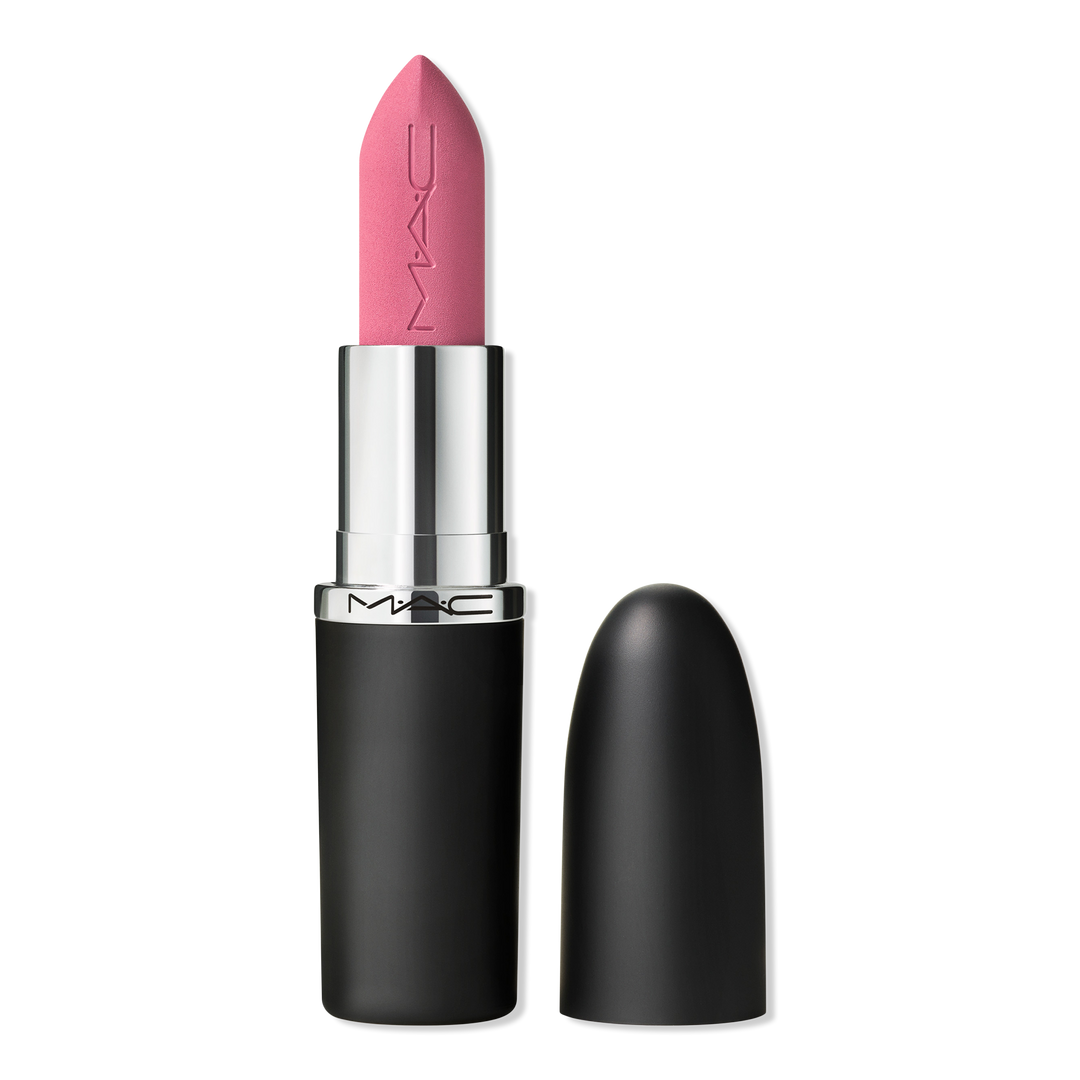
5 of 5: For comfortable, everyday color
M·A·Cximal Silky Matte Lipstick
Matte lipstick | $25.00
Shop M·A·Cximal Silky Matte Lipstick at Ulta Beauty →
A classic cream lipstick with consistent pigmentation, a comfortable wear and hundreds of shades to choose from. The satin finish is one of the most beginner-friendly, not too matte, not too glossy. Easy to apply and reapply throughout the day.
Key specs: Cream formula, satin finish, full coverage, 200+ shades, long-wearing
Stick to a shade close to your natural lip tone to start. It pairs easily with the rest of your routine without overwhelming it.
Tools
You can apply most beginner makeup with your fingers, but a few tools make it easier and more even.
Helpful starter tools include:
- Makeup sponge for blending foundation or concealer, like the beautyblender original
- Small concealer brush for targeted coverage
- Fluffy powder brush for setting powder
- Blush brush for powder blush or bronzer
- Spoolie for brows
- Pencil sharpener if you use pencil products
Wash reusable tools regularly. Clean tools help makeup go on more evenly and feel better against your skin.
Step-by-step everyday makeup routine for beginners
Use this as your starter routine. Follow every step or stop when your look feels right.
Step 1. Prep your skin
Start with clean, moisturized skin. If you're doing daytime makeup, apply sunscreen as the last step of your skin care before moving to makeup.
Let everything absorb for about two minutes before you start your base. This helps reduce pilling, which is when products roll up into tiny bits on the surface of your skin.
Step 2. Apply primer if you want extra grip or smoothing
Primer is optional. Use it if you want help managing shine, smoothing texture, softening the look of pores or extending how long your makeup lasts.
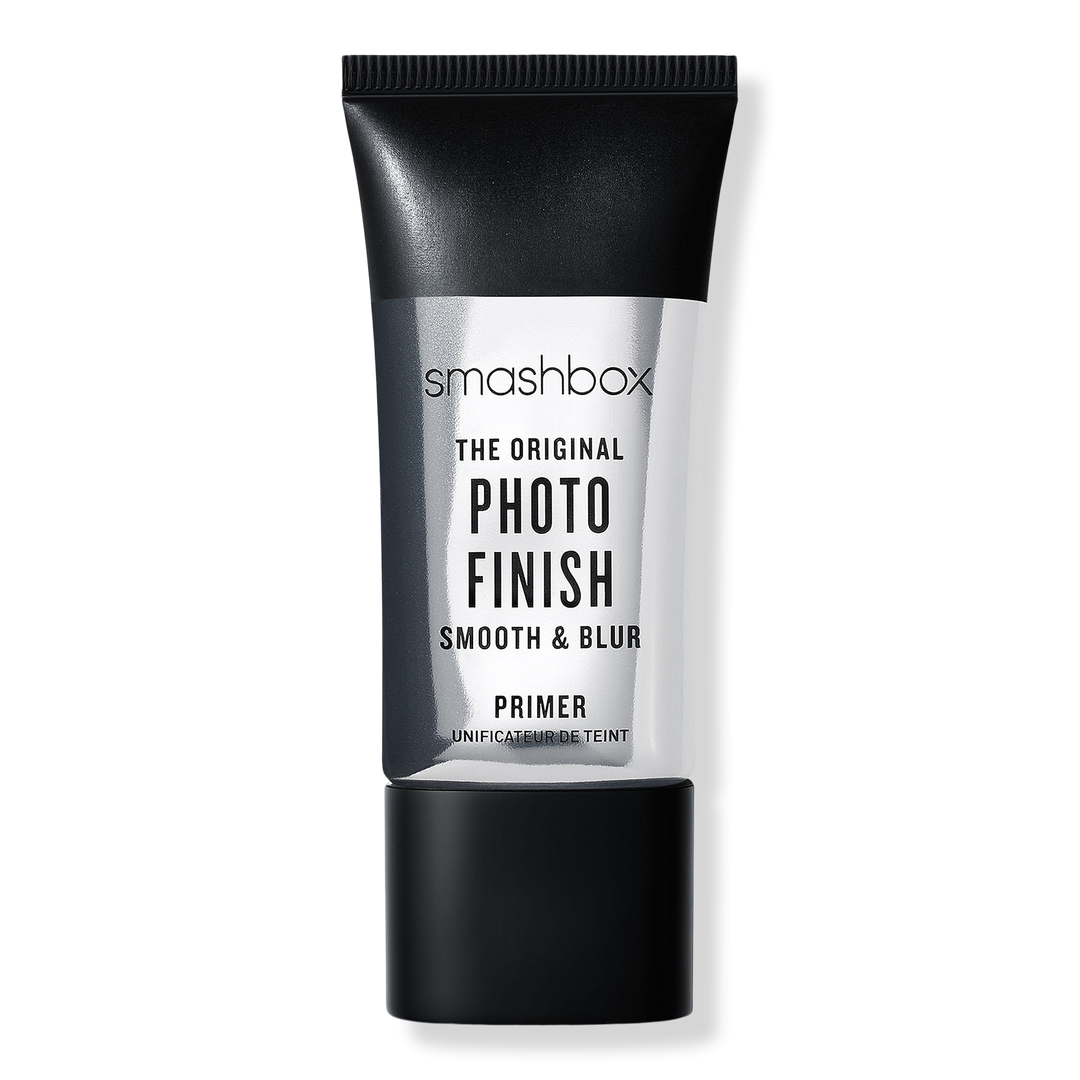
Best for: smoothing and grip
Smashbox The Original Photo Finish Primer
Face primer | $16.00 to $55.00
Shop Smashbox The Original Photo Finish Primer at Ulta Beauty →
A silky, blurring primer that smooths texture and helps makeup grip the skin. It's lightweight and works under most base formulas. A gentle introduction to primers if you've never tried one before.
Key specs: Silicone-based, blurring finish, pore-softening, lightweight, fragrance-free
Apply a thin layer only where you need it, usually the T-zone, around the nose or across the cheeks.
Step 3. Add a light base
Apply your tinted moisturizer, skin tint or foundation to the center of your face first, then blend outward with your fingers, a sponge or a brush.
Start with less product than you think you need. It's much easier to build up than to take away makeup that feels too heavy.
Step 4. Use concealer where you want more coverage
Tap concealer under the eyes, around the nose, on redness or on any spots you want to soften. Blend the edges so it melts into your base.
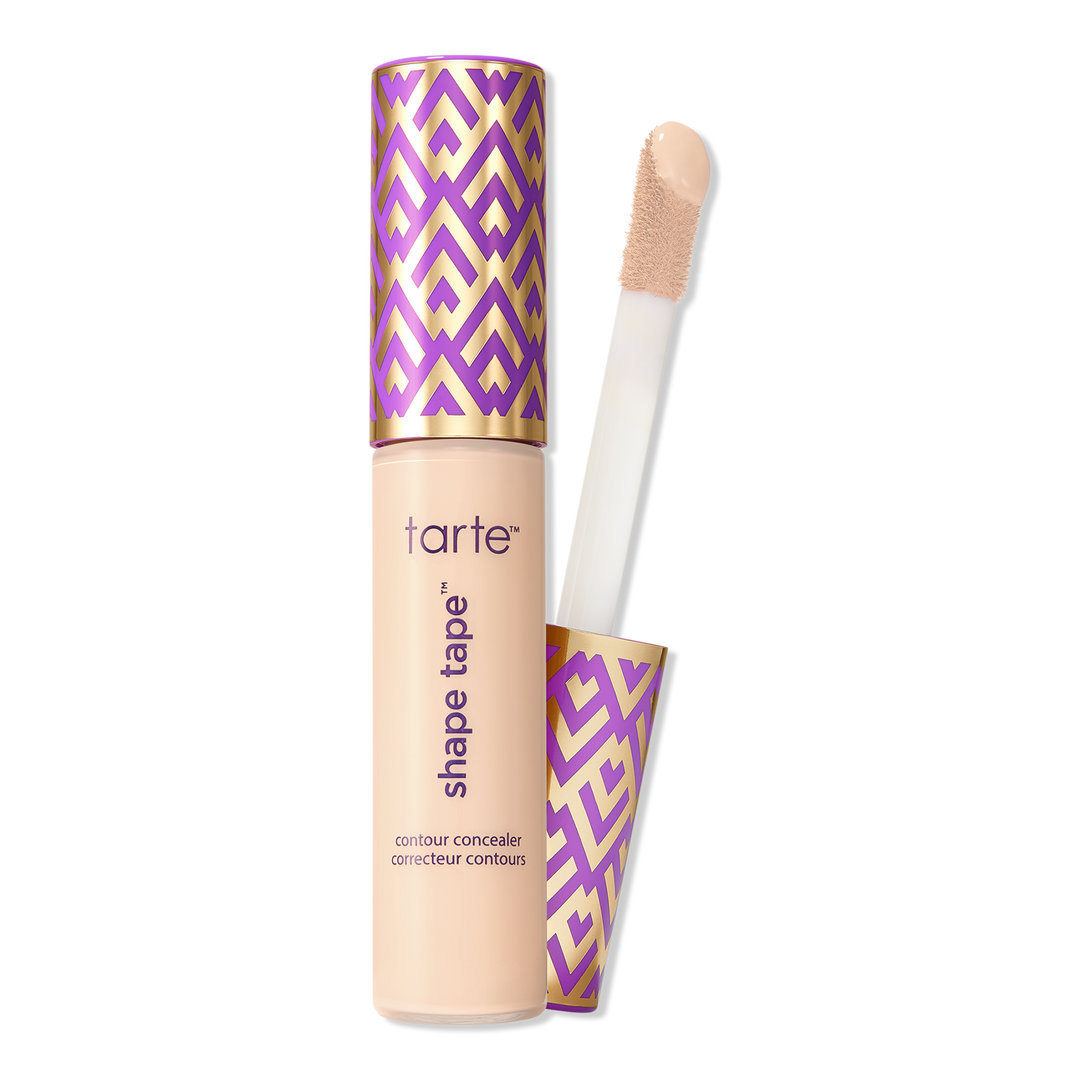
Best for: brightening and spot coverage
Tarte Shape Tape Concealer
Concealer | $32.00
Shop Tarte Shape Tape Concealer at Ulta Beauty →
A full-coverage concealer with a flexible, blendable formula that brightens the under-eye area and covers redness or spots without settling into lines. It's one of the most dependable concealers for beginners who want real coverage without a heavy feel.
Key specs: Full coverage, flexible formula, available in 30+ shades, long-wearing, cruelty-free
For under eyes, place a small amount on the inner and outer corners rather than covering the whole area. It brightens without looking heavy.
Step 5. Set with powder if your makeup moves or gets shiny
Powder is optional. If your skin is dry or your base stays put on its own, you may not need it at all.
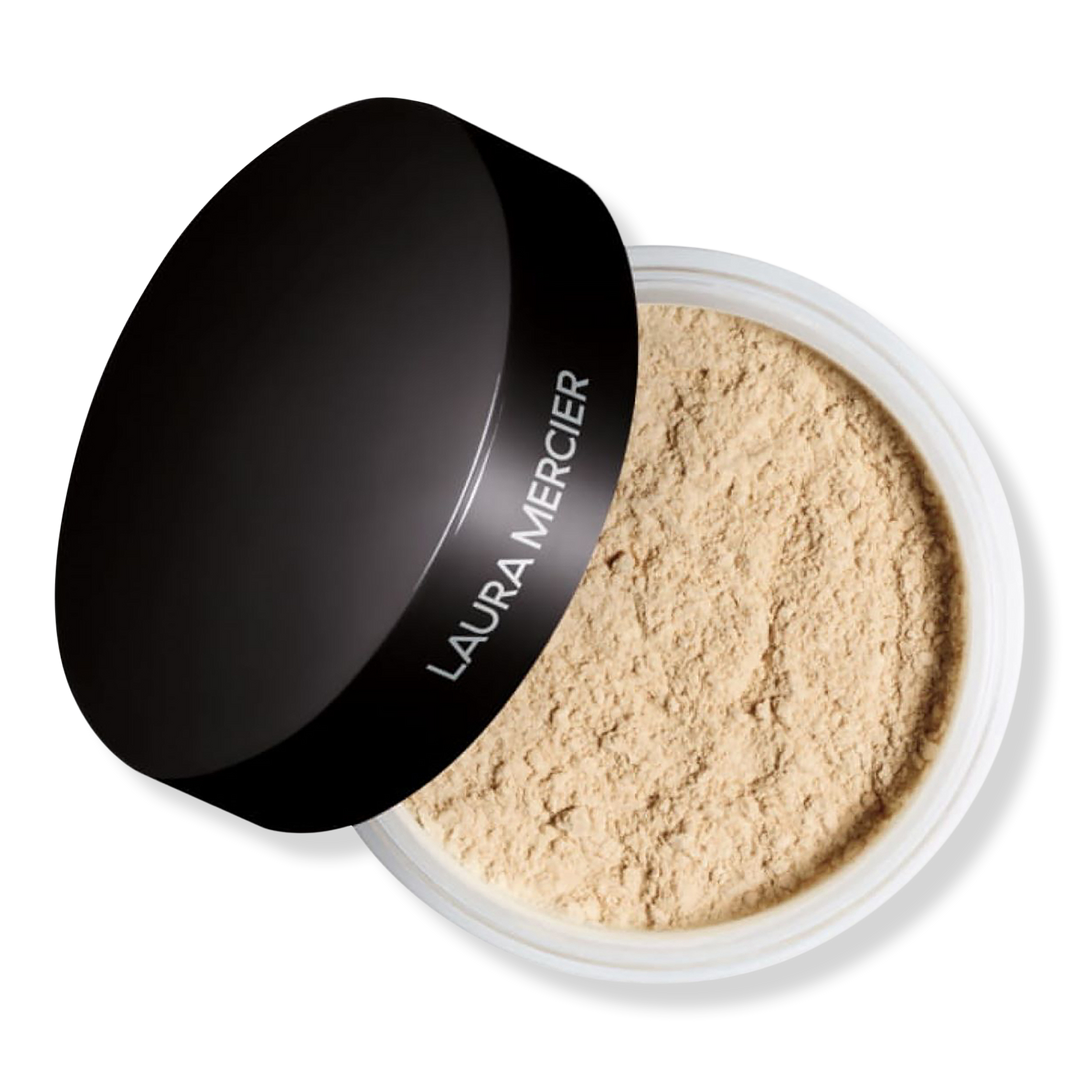
Best for: setting and reducing shine
Laura Mercier Translucent Loose Setting Powder
Setting powder | $43.00
Shop Laura Mercier Translucent Loose Setting Powder at Ulta Beauty →
A finely milled, translucent powder that sets makeup without adding color or texture. It keeps the under-eye area from creasing and reduces shine throughout the day. Works on all skin tones thanks to its truly translucent finish.
Key specs: Translucent, finely milled, weightless, long-wearing, suitable for all skin tones
Press a small amount under the eyes, around the nose and on the forehead or chin. Leave the cheeks a little less powdered for a fresher finish.
Step 6. Shape your brows
Brush your brows upward and outward with a spoolie or brow gel. If you use a pencil, make short, light strokes where you want more fullness.
Avoid drawing one solid line of color. Short strokes look softer and are much easier to adjust.
Step 7. Add simple eye definition
Eyeshadow is optional for everyday makeup. If you want it, sweep a neutral matte or shimmer shade across the lid.
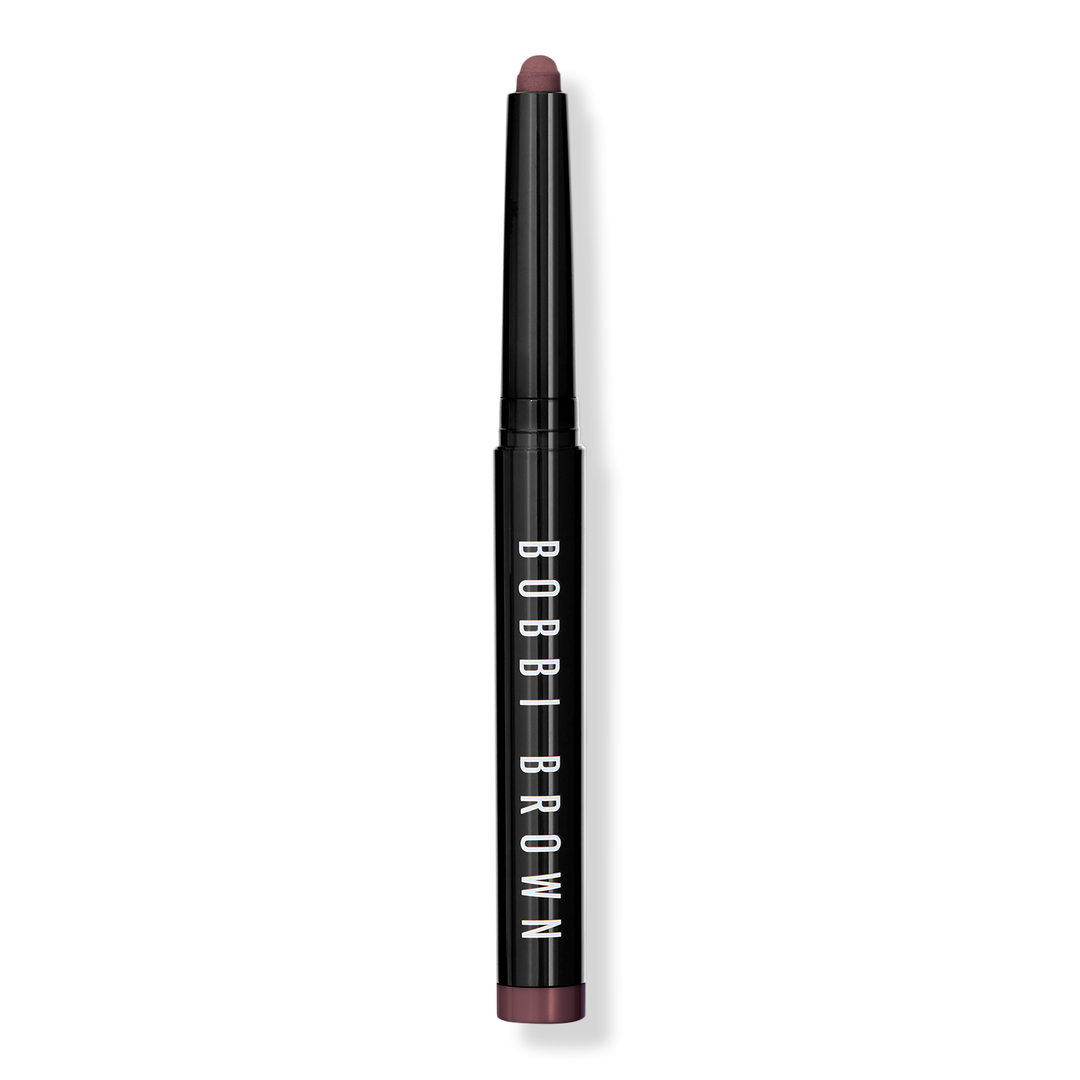
Best for: quick, foolproof lid color
Bobbi Brown Long-Wear Cream Shadow Stick
Eyeshadow stick | $34.00
Shop Bobbi Brown Long-Wear Cream Shadow Stick at Ulta Beauty →
A grab-and-go shadow stick you can swipe across the lid and blend with a fingertip in seconds. It sets to a crease-resistant finish and comes in neutral and deeper shades that suit a wide range of skin tones.
Key specs: Cream formula, crease-resistant, finger-blendable, available in 20+ shades, long-wearing
Keep the shade close to your skin tone for something subtle, or try a bronze, taupe, rose or soft brown for a little more definition.
Step 8. Apply eyeliner if you like it
Eyeliner is also optional. For a softer beginner look, use a brown or charcoal pencil close to the lash line. If the line looks too strong, blur it gently with a fingertip, a small brush or a cotton swab. That soft edge can make liner feel a lot more wearable.
Step 9. Finish the eyes with mascara
Curl your lashes if you like, then apply mascara from the base of the lashes to the tips. Wiggle the wand slightly at the roots for more lift and definition.
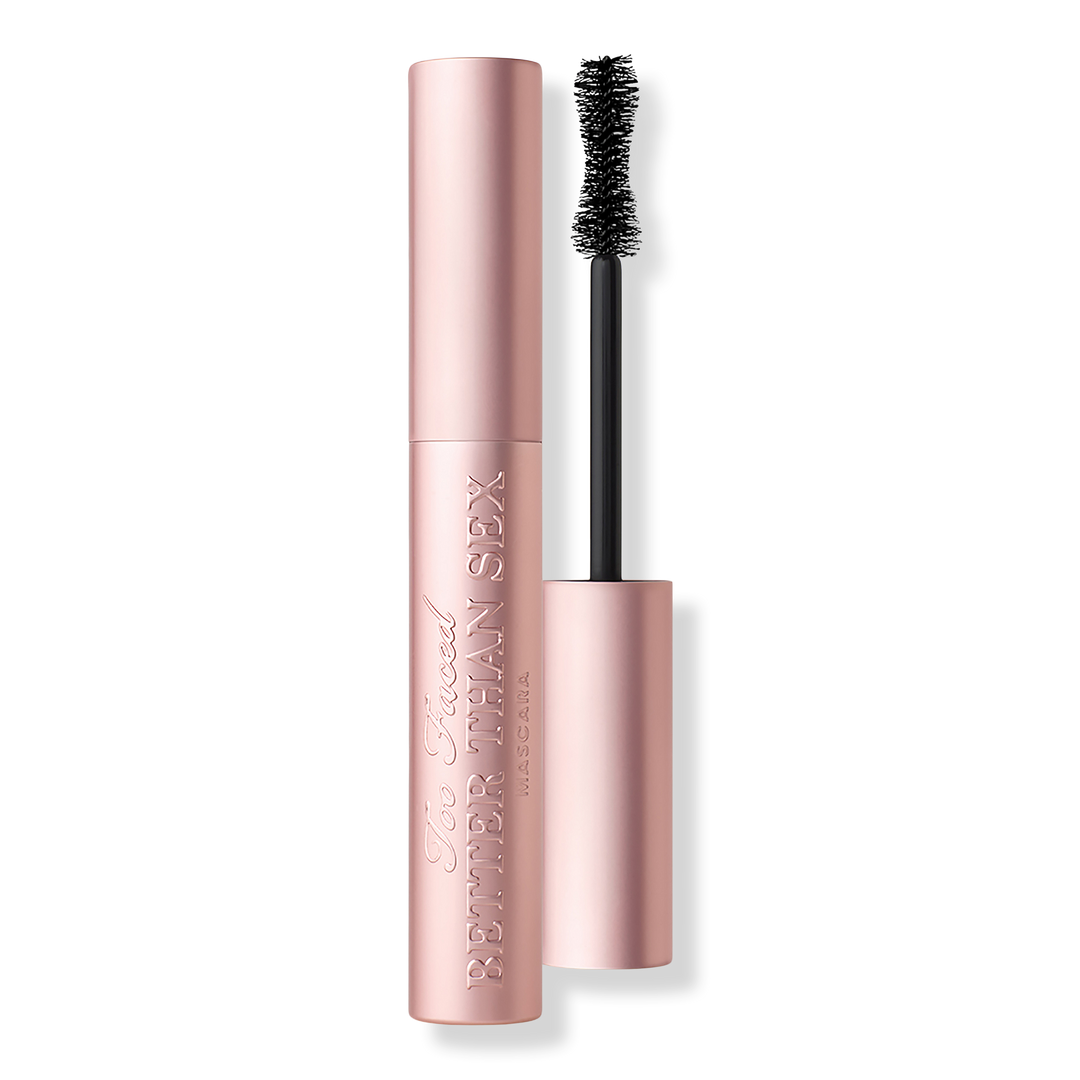
Best for: everyday volume and definition
Too Faced Better Than Sex Mascara
Mascara | $29.00
Shop Too Faced Better Than Sex Mascara at Ulta Beauty →
A volumizing mascara with a hourglass-shaped brush that grips lashes from root to tip for lifted, defined results. It adds drama when you want it and stays put throughout the day.
Key specs: Volumizing formula, hourglass brush, buildable, long-wearing, available in black and brown-black
One coat works well for most everyday looks. Want more volume? Add a second coat while the first is still slightly tacky to reduce clumping.
Step 10. Add blush, bronzer or highlighter
Blush goes on the cheekbones and blends back toward the temples for a lifted, natural look. Bronzer goes where the sun would naturally warm your face, like the temples, sides of the forehead and along the cheeks. Highlighter goes on the high points of your face, like the tops of your cheekbones.
For blush, start at the cheekbone and sweep the color back toward your hairline. For bronzer, use a light hand and build up gradually. For highlighter, a little goes a long way.
Step 11. Choose your lip
Finish with a lip product that matches your day. Tinted balm and gloss are easy and low-maintenance. Lipstick or lip liner adds more definition if you want it.
Unsure about color? Start with a shade close to your natural lip tone. It's easy to apply and pairs well with almost any outfit.
Step 12. Set your makeup if you want longer wear
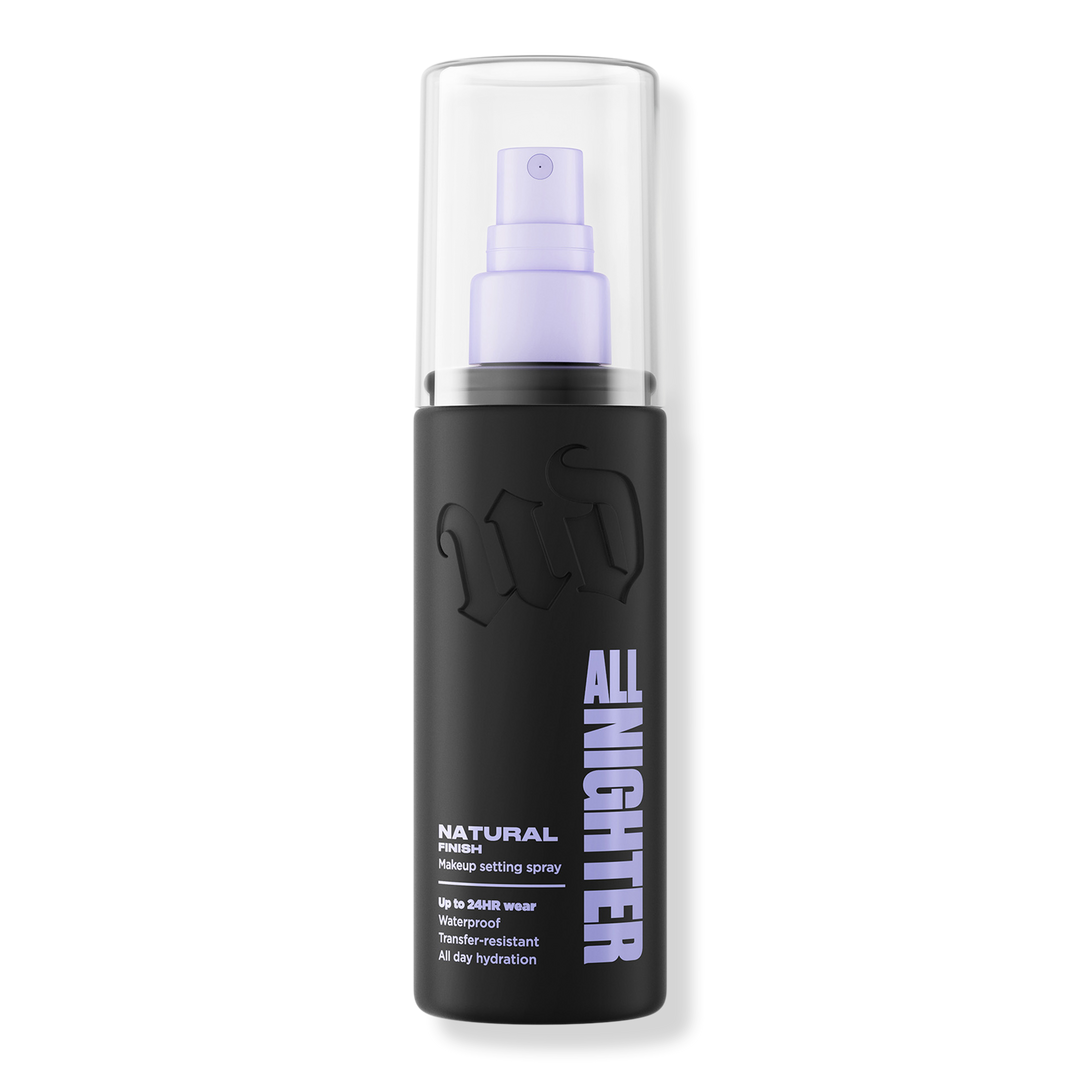
Best for: all-day wear
Urban Decay All Nighter Long-Lasting Makeup Setting Spray
Setting spray | $18.00 to $51.00
Shop Urban Decay All Nighter Long-Lasting Makeup Setting Spray at Ulta Beauty →
A lightweight mist that hair makeup in place and helps it wear throughout the day without feeling stiff or cakey. It works on its own or layered over powder and doesn't alter your finish.
Key specs: Long-wearing formula, weightless mist, works over powder or alone, no added fragrance
Hold the bottle about eight inches from your face and mist lightly in an X and T motion for even coverage.
Prefer powder for touch-ups during the day? Keep a small compact with you and focus on the areas that get shiny rather than adding powder everywhere.
How to make the routine faster
Once you know the full order, you can trim it for real life. A faster everyday routine works best when you focus on the steps that make the biggest difference for you.
A five-minute routine
Use this when you want a quick, polished look with minimal blending. Timing will vary depending on how familiar you are with each product, but these six steps move quickly once you've practiced them.
- Moisturizer and sunscreen
- Concealer under eyes or around the nose
- Brow gel
- Mascara
- Cream blush
- Tinted lip balm or gloss
Frequently asked questions
What is the correct order to apply makeup?
Start with skin prep, then apply primer if you use it, followed by your base product, concealer and powder. Move into eye and brow products, then add blush, bronzer or highlighter. Finish with lip color and setting spray if you need longer wear.
Do beginners need primer?
Nope! Primer is optional. It can help makeup last longer and smooth texture, but many beginners skip it entirely and still get great results. Try it once you feel comfortable with your base routine.
What is the easiest makeup look for beginners?
Concealer, brow gel, mascara, cream blush and a tinted lip product is one of the most beginner-friendly combos out there. It takes very little blending and works for almost any skin type or tone.
How do I find my shade in tinted moisturizer or skin tint?
Swatch a few shades along your jawline in natural light. The right shade blends in without leaving a visible line. Still unsure? Use Ulta Beauty’s shade finder to help match your skin tone.
Is it okay to wear the same makeup routine every day?
Yes! Keeping a consistent routine makes it easier to get better at each step, notice what products work best for you and get through your morning quickly. You can always add or swap products once you know what you like.
Related Content: Makeup for Mature Skin, At Home Lash Extensions, Where to Apply Blush for Your Face Shape, How to Prevent Concealer From Creasing, Japanese Skin Care Products, What is Glycolic Acid?
Discover more Beauty Education guides and Makeup buying guides