Hair mask vs. deep conditioner: what's the difference?
By Ulta Beauty Advisors · Published October 2026
All products featured are available at Ulta Beauty at the time of selection. Ulta Beauty Advisors select products independently. Prices and availability are subject to change.
Information provided is for educational purposes only and is not intended as medical advice or a guarantee of results.
Your hair deserves a little extra TLC. Whether you're dealing with dry ends, frizz, breakage or strands that need a moisture boost, hair masks and deep conditioners can help bring softness, shine and manageability back into your routine. But what's the difference between a hair mask and a deep conditioner, and does your hair really need both?
While these treatments share similar benefits, they can differ in their ingredients, textures and intended uses. Some focus on replenishing moisture, while others target concerns like damage, breakage or color-treated hair.
Ready to give your strands the care they crave? Let's break down the differences between hair masks and deep conditioners, how to use them and which products deserve a spot in your hair care routine.
What is a hair mask?
A hair mask is a treatment designed to address specific hair concerns, including dryness, frizz, breakage and damage from heat styling or chemical processing. Hair masks often contain concentrated conditioning ingredients, such as oils, butters, proteins or bond-building ingredients, depending on the formula.
Unlike a regular conditioner, which primarily helps soften and detangle hair after shampooing, a hair mask may offer more targeted benefits.
Common hair mask benefits include:
- Moisture: Helps replenish softness and improve the feel of dry, brittle hair.
- Damage care: Some formulas help strengthen hair and reduce breakage.
- Frizz control: Smooths the hair surface for a sleeker, more manageable finish.
- Shine: Helps improve the appearance of dull or rough strands.
- Color care: Certain formulas help condition color-treated hair and maintain its appearance.
Hair masks are typically used after shampooing and left on for the amount of time specified on the product label before rinsing.
What is a deep conditioner?
A deep conditioner is an intensive conditioning treatment that helps deliver moisture, softness and manageability to hair that needs more than a quick rinse-out conditioner.
Deep conditioners often feature moisturizing and conditioning ingredients like shea butter, plant oils, fatty alcohols and humectants. These ingredients help soften hair, improve slip and make detangling easier.
Common deep conditioner benefits include:
- Hydration and softness: Helps hair feel smoother and less dry.
- Detangling: Improves slip to make knots and tangles easier to manage.
- Frizz management: Helps smooth the hair cuticle and reduce the appearance of frizz.
- Flexibility: Conditioning can help hair feel more pliable and less prone to snapping during styling.
- Manageability: Makes hair easier to comb, brush and style.
Deep conditioners are especially useful for hair that feels dry, coarse or difficult to detangle.
Hair mask vs. deep conditioner: Key differences
Hair masks and deep conditioners aren't completely separate product categories. In fact, many brands use the terms interchangeably. The biggest differences usually come down to the formula, intended benefits and how frequently the product is designed to be used.
- Primary purpose: Hair masks often target specific concerns like dryness, damage, frizz or breakage, while deep conditioners typically focus on intensive moisture, softness and manageability.
- Texture: Hair masks often have rich, creamy textures, while deep conditioners are generally formulated to provide extra conditioning and slip. Both can range from lightweight to ultra-rich.
- Key ingredients: Hair masks may contain nourishing oils, butters, proteins or bond-care ingredients. Deep conditioners commonly feature moisturizing ingredients like shea butter, plant oils, fatty alcohols and conditioning agents.
- Application: Both treatments are typically applied to clean, damp hair after shampooing, focusing on the mid-lengths and ends.
- Processing time: Hair masks often require 3–20 minutes, while deep conditioners typically work in 3-15 minutes. Always follow the product's directions.
- Frequency: Both can be used weekly or as needed, depending on your hair type, concerns and the product's formulation.
- Best for: Hair masks can be a great choice for targeted concerns like damage or dryness, while deep conditioners are ideal for improving softness, moisture and detangling.
The bottom line: A hair mask may be marketed for more targeted treatment benefits, while a deep conditioner typically emphasizes intensive conditioning. But the formula matters more than the name on the jar.
Regular conditioner vs. deep conditioner vs. hair mask
Wondering whether your everyday conditioner is enough? While all three products help care for your strands, their formulas and intended uses can differ.
- Regular conditioner: Your everyday hair care essential. Designed to soften, detangle and smooth hair after shampooing, regular conditioners typically work in just a few minutes.
- Deep conditioner: Your extra moisture moment. Deep conditioners provide intensive conditioning to help improve softness, detangling and manageability, especially for dry or coarse hair.
- Hair mask: Your targeted treatment. Hair masks may offer additional benefits for concerns like dryness, frizz, breakage or damage, depending on their ingredients.
Ulta Beauty Advisor tip: You don't necessarily need all three. Choose a regular conditioner for everyday maintenance and add a deep conditioner or hair mask when your strands need extra attention.
Is a hair mask or deep conditioner better for your hair?
The best treatment depends on your hair type, current condition and styling routine.
For dry hair
If your hair feels rough, dull or thirsty for moisture, look for a moisturizing hair mask or deep conditioner with ingredients like shea butter, argan oil or glycerin.
Both options can help soften dry strands and improve manageability.
For damaged or breaking hair
Hair that experiences frequent heat styling, bleaching or chemical processing may benefit from a treatment formulated specifically for damage care.
Look for hair masks with strengthening ingredients, proteins or bond-care technology. These products may help improve hair strength and reduce breakage, depending on the formula.
Keep in mind that no rinse-out treatment can permanently repair split ends. Regular trims help remove damaged ends.
For curly and coily hair
Curly and coily textures may benefit from rich conditioning treatments that improve slip, reduce tangling and support moisture retention.
Look for creamy formulas containing shea butter, plant oils or other conditioning ingredients. Choose the richness that works for your individual texture and porosity.
For fine hair
Fine hair can benefit from deep conditioning, too. The trick is choosing a lightweight formula that adds softness without leaving strands feeling weighed down.
Apply primarily to the mid-lengths and ends, unless the product instructions say otherwise.
For color-treated hair
Color-treated hair may benefit from conditioning treatments that help improve softness, smoothness and manageability.
Look for products designed for color-treated or chemically processed hair, especially if your strands feel dry or rough after coloring. Pair your treatment with a color-care routine to help keep hair color from fading.
Can you use a hair mask and deep conditioner together?
Yes, but you probably don't need both in the same wash routine.
Because hair masks and deep conditioners often provide overlapping benefits, using them together may leave some hair types feeling overly coated or weighed down.
Instead, consider alternating treatments based on what your hair needs.
For example, you might use a moisturizing deep conditioner during one wash and a strengthening hair mask during another.
If you're using a protein-rich or bond-care treatment, follow the manufacturer's directions for frequency and application.
How to use a hair mask or deep conditioner
Getting the most out of your treatment starts with proper application.
- Start with shampoo. Cleanse your hair to remove buildup, oil and styling residue.
- Remove excess water. Gently squeeze out excess moisture so the treatment doesn't become overly diluted.
- Apply your treatment. Work the product through your mid-lengths and ends, focusing on areas that feel especially dry or damaged.
- Detangle gently. If the product provides enough slip, use your fingers or a wide-tooth comb to distribute it evenly.
- Let it work. Follow the processing time listed on the product packaging.
- Rinse thoroughly. Use lukewarm water to remove the treatment without leaving excess residue.
Ulta Beauty Advisor tip: More time doesn't always mean better results. Follow the recommended processing time rather than leaving a rinse-out treatment on overnight unless the product is specifically designed for overnight use.
How often should you use a hair mask or deep conditioner?
How often you should use a treatment depends on your hair's condition, texture and the product's formulation.
- Dry or coarse hair: Consider using a moisturizing treatment once a week or as needed.
- Fine hair: Start with a lightweight treatment once a week and adjust based on how your hair feels.
- Curly or coily hair: Use a conditioning treatment as needed to support softness and detangling.
- Damaged or color-treated hair: Follow the recommended schedule for strengthening or bond-care treatments.
- Healthy hair: An occasional treatment may be enough to maintain softness and manageability.
Pay attention to how your hair responds. If it starts feeling heavy or coated, reduce frequency or switch to a lighter formula.
Our product picks: Best hair masks and deep conditioners
From rich moisture masks to strengthening treatments, these Ulta Beauty picks can help you find the right formula for your hair's needs.
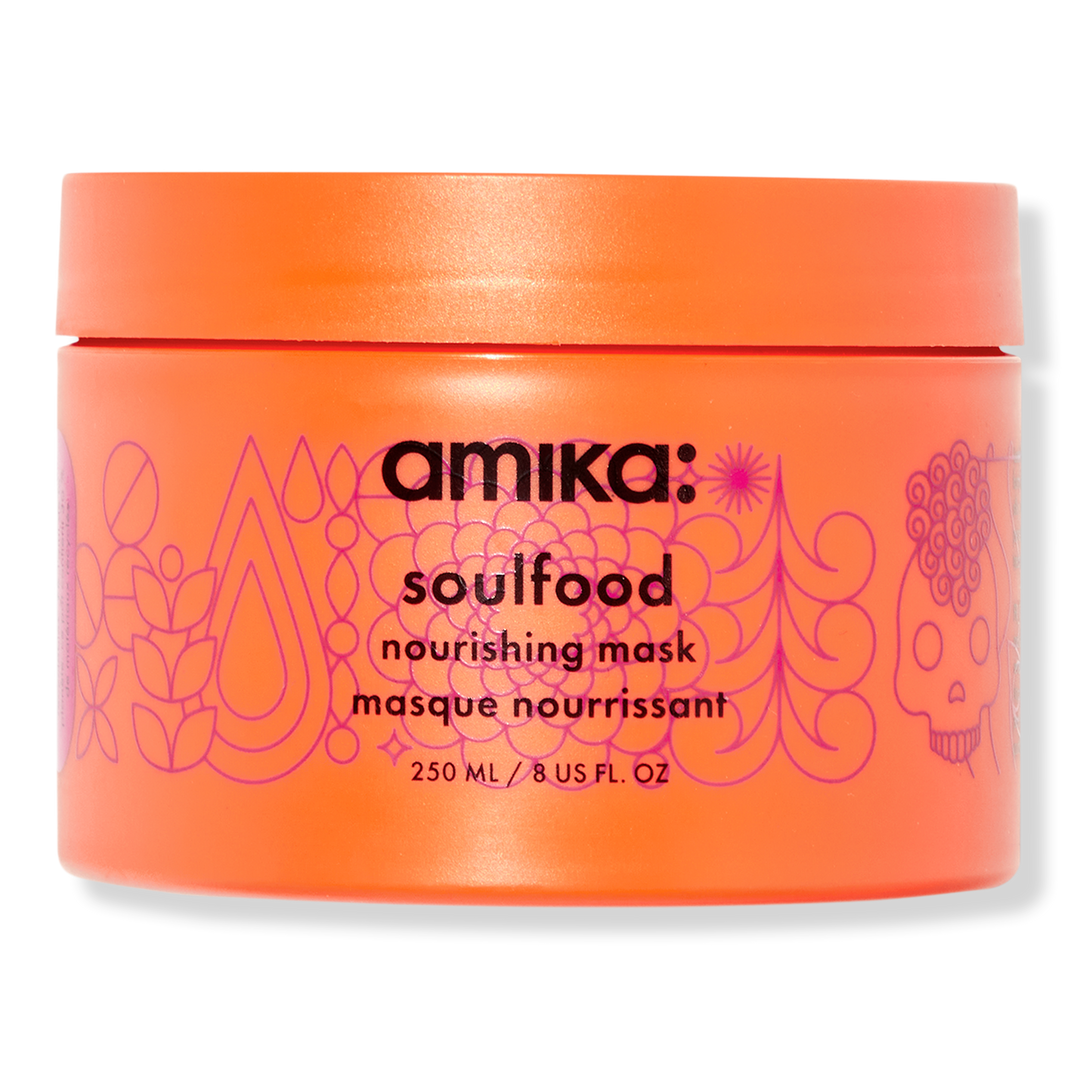
Best hair mask for dry hair
amika Soulfood Nourishing Mask
Nourishing Hair Mask | $20.00 to $36.00
Shop amika Soulfood Nourishing Mask at Ulta Beauty →
Dry strands, meet your moisture match. This nourishing hair mask helps soften dehydrated hair while improving shine and manageability. Formulated with sea buckthorn and jojoba seed oil, it provides conditioning benefits without requiring a complicated routine. The versatile formula can be used as a weekly deep treatment or more frequently as directed, making it a practical choice for a range of hair textures.
Key specs: Nourishing Hair Mask · Sea Buckthorn · Jojoba Seed Oil · All Hair Types
Why we recommend it: A versatile moisture treatment for hair that feels dry, rough or difficult to manage. Its flexible usage makes it especially useful for adjusting your conditioning routine to your hair's needs.
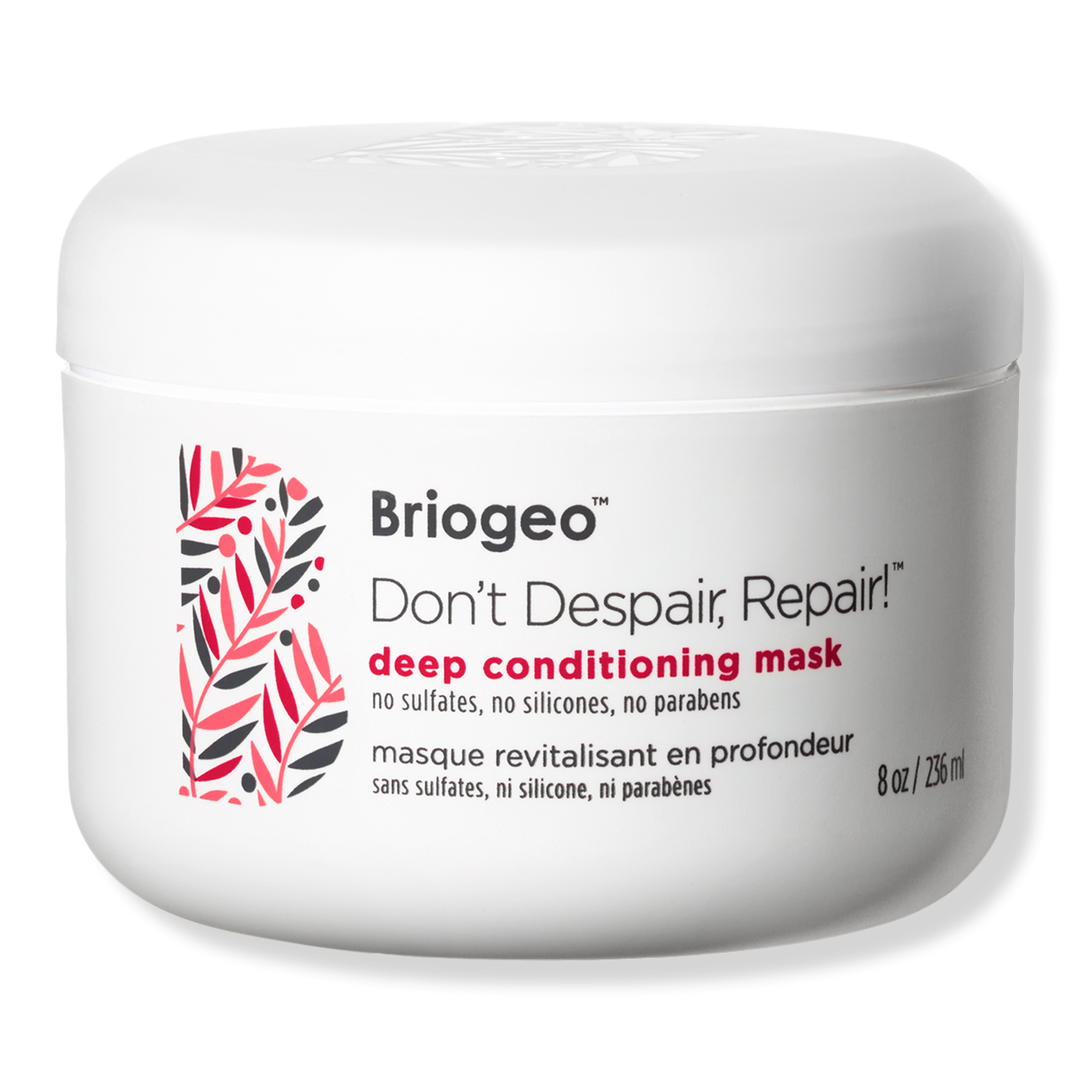
Best deep conditioning mask for damaged hair
Briogeo Don't Despair, Repair! Deep Conditioning Hair Mask
Strengthening Deep Conditioning Mask | $15.00 to $39.00
Shop Briogeo Don't Despair, Repair! Deep Conditioning Hair Mask at Ulta Beauty →
Give stressed strands some extra attention. This deep conditioning hair mask combines rosehip oil, B vitamins and algae extract to help nourish hair experiencing dryness and damage. Designed as a weekly treatment, it helps improve the feel of hair affected by heat styling or chemical processing while supporting softness and manageability.
Key specs: Deep Conditioning Mask · Rosehip Oil · B Vitamins · Algae Extract · Weekly Treatment
Why we recommend it: A strong choice for hair that needs both conditioning and strengthening care. Its combination of nourishing ingredients makes it especially appealing for strands experiencing dryness and breakage.
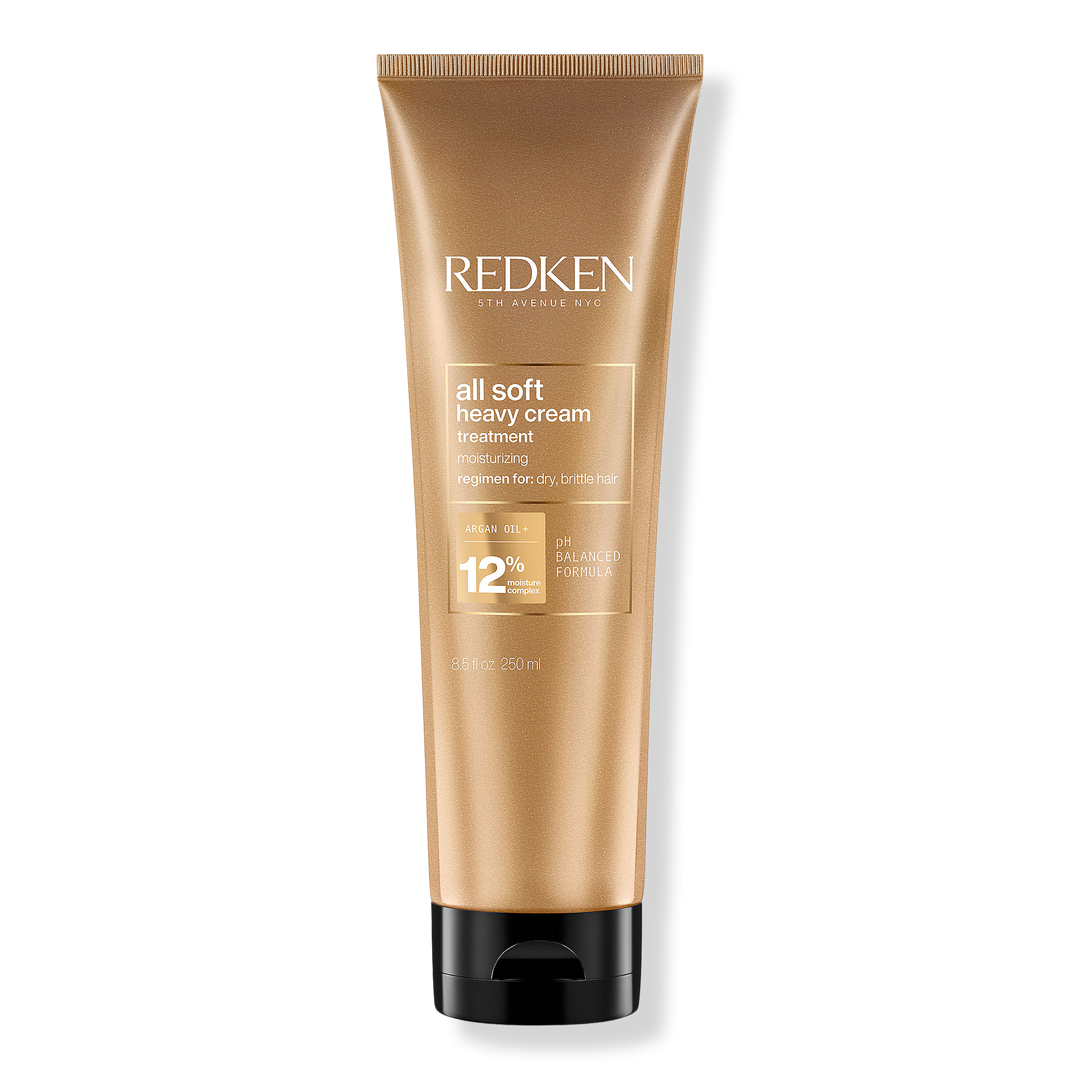
Best deep conditioner for dry, brittle hair
Redken All Soft Heavy Cream Hair Mask
Intensive Moisturizing Hair Mask | $38.00
Shop Redken All Soft Heavy Cream Hair Mask at Ulta Beauty →
When your hair needs serious softness, reach for this rich conditioning treatment. Redken All Soft Heavy Cream Hair Mask features a moisture-focused formula with argan oil and conditioning ingredients to help smooth rough strands, improve manageability and boost shine. Apply after shampooing, leave on for five minutes and rinse for hair that feels softer and easier to style.
Key specs: Intensive Conditioning Mask · Argan Oil · Moisture Complex · Dry and Brittle Hair · Five-Minute Treatment
Why we recommend it: An excellent option for dry, brittle hair that needs intensive conditioning without a lengthy treatment time. The rich formula helps improve softness, shine and manageability.
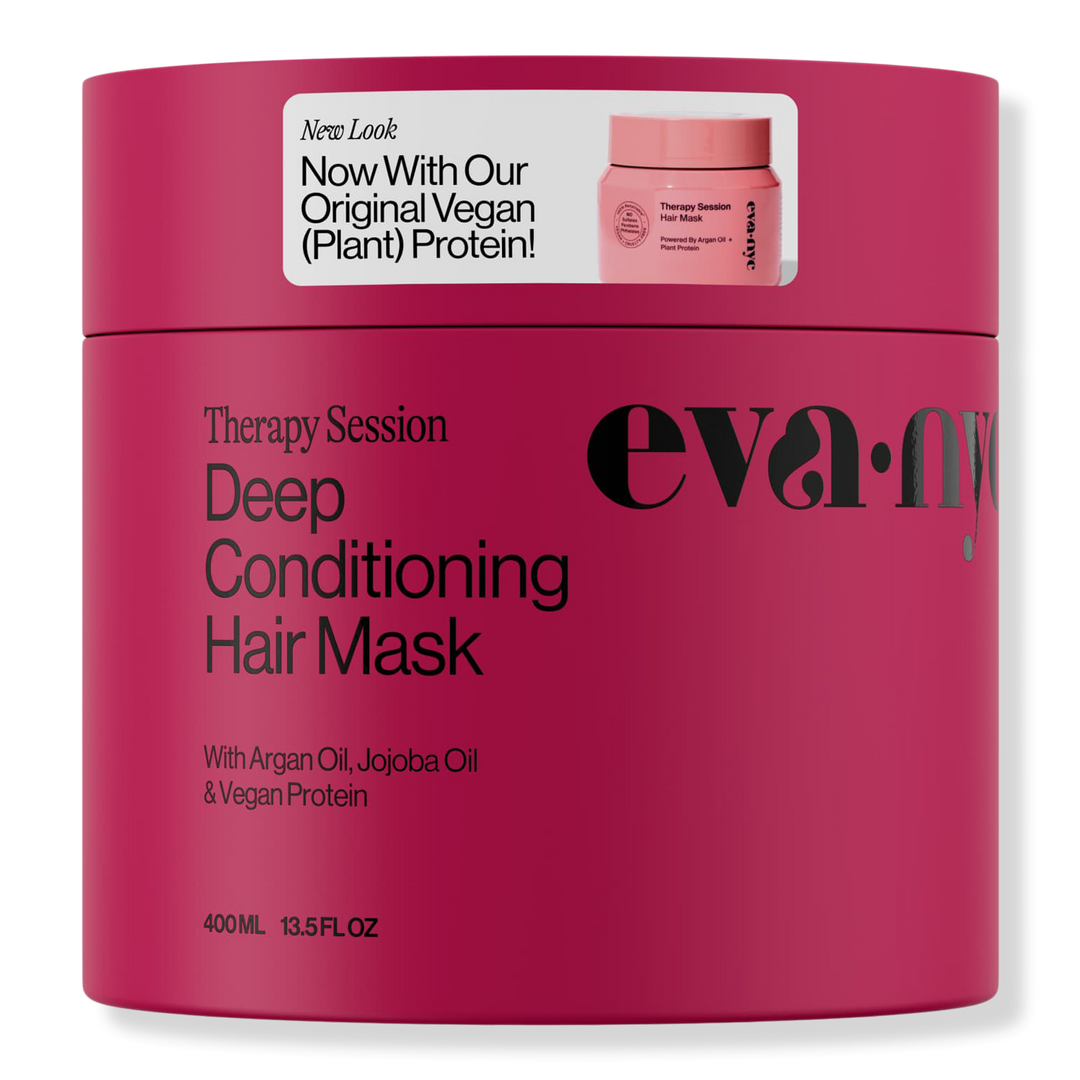
Best affordable deep conditioner
Eva Nyc Therapy Session Deep Conditioning Hair Mask
Deep Conditioning Hair Mask | $7.00 to $19.00
Shop Eva Nyc Therapy Session Deep Conditioning Hair Mask at Ulta Beauty →
A little hair TLC doesn't have to come with a big price tag. This creamy deep conditioning mask combines argan oil, jojoba oil and conditioning ingredients to help soften dry strands, smooth frizz and improve manageability. Designed for weekly use or more frequently in place of conditioner, it delivers an extra conditioning boost in just a few minutes.
Key specs: Deep Conditioning Hair Mask · Argan Oil · Jojoba Oil · Smoothing Benefits · 3–5 Minute Treatment
Why we recommend it: An affordable option for adding extra conditioning to your routine. With multiple sizes, it's an accessible way to try a deep conditioning treatment before committing to a larger jar.
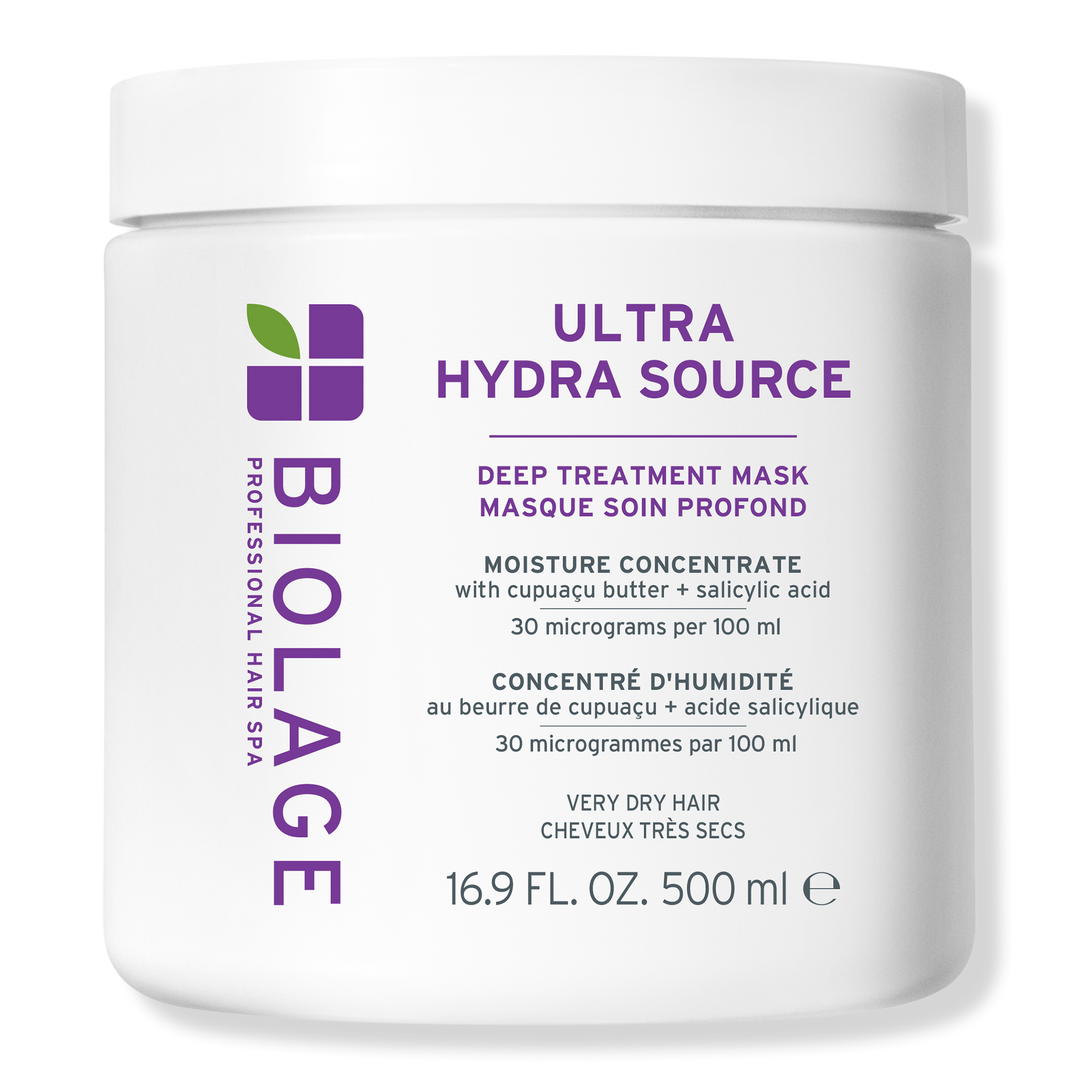
Best deep conditioning treatment for thick hair
Biolage Ultra Hydra Source Deep Treatment Mask
Intensive Moisturizing Hair Mask | $18.00 to $44.00
Shop Biolage Ultra Hydra Source Deep Treatment Mask at Ulta Beauty →
Thick, thirsty strands? This intensive conditioning mask is designed to give very dry hair a boost of softness and manageability. Featuring cupuaçu butter, the rich formula helps smooth rough-feeling strands while providing conditioning benefits for thick textures, including curls.
Key specs: Deep Treatment Mask · Cupuaçu Butter · Very Dry Hair · Thick and Curly Hair Textures · Moisturizing Formula
Why we recommend it: A rich conditioning option for thick, coarse or curly hair that needs extra moisture and softness without sacrificing manageability.
Frequently asked questions about hair masks and deep conditioners
Is a hair mask the same as a deep conditioner?
Hair masks and deep conditioners are similar, and the terms are often used interchangeably. Both provide more intensive conditioning than many traditional rinse-out conditioners. Hair masks may emphasize targeted benefits like strengthening, smoothing or damage care, while deep conditioners typically focus on moisture, softness and manageability. The best way to tell them apart is to compare their ingredients, benefits and usage instructions.
Do you use a hair mask before or after conditioner?
Most rinse-out hair masks are applied after shampooing and can replace your regular conditioner for that wash. However, some treatments are designed to be followed by conditioner. Always check the product directions to determine the correct order.
Can you use a hair mask instead of conditioner?
Yes. Many moisturizing hair masks can replace your regular conditioner when your hair needs extra conditioning. However, some strengthening or specialized treatments aren't designed for frequent use. Follow the product instructions and adjust your routine based on how your hair feels.
How long should you leave a deep conditioner in your hair?
Most deep conditioners are designed to remain on the hair for several minutes, although processing times vary. Some work in as little as three to five minutes, while others recommend 10-20 minutes. Follow the instructions on your specific product for the best results.
Can you deep condition your hair every day?
Some deep conditioning formulas are suitable for frequent use, but not every hair type needs intensive conditioning daily. Overusing rich products can leave hair feeling heavy or coated. Start with weekly treatments and adjust based on your hair's needs and the product's directions.
Is a hair mask good for damaged hair?
Hair masks can help improve the appearance and feel of damaged hair by providing conditioning ingredients that smooth strands, reduce friction and support manageability. Some strengthening treatments may also help reduce breakage. However, hair masks cannot permanently reverse severe structural damage or mend split ends.
What's the difference between a hair mask and a leave-in conditioner?
A hair mask is generally a rinse-out treatment used after shampooing, while a leave-in conditioner stays in your hair after washing. Leave-in conditioners help with ongoing detangling, softness and frizz control between washes. Some formulas also provide heat protection. Hair masks typically deliver more intensive conditioning during your wash routine.
Should you use a hair mask on wet or dry hair?
Most rinse-out hair masks are designed for clean, damp hair after shampooing. Removing excess water before application can help distribute the product without excessive dilution. Some pre-shampoo masks and overnight treatments are intended for dry hair, so check the label before applying.
Related Content: What is Scalp Serum, Benefits of Sulfate Free Shampoo, Root Lifting Texture Spray vs Mousse, What is Co-Wash?, Minimalist Hair Care, How to Stop Greasy Hair, Hair Toner for Bleached Hair, What is an Ionic Hair Dryer, Best Sea Salt Sprays, Protein vs Deep Conditioner Treatment For Hair
Explore more Hair Care Buying Guides and Beauty Education Articles.