What makes pores look bigger? (and how to minimize them)
By Ulta Beauty Advisors · Published September 2026
All products featured are available at Ulta Beauty. Ulta Beauty Advisors select products independently. Prices and availability are subject to change.
Information provided is for educational purposes only and is not intended as medical advice or a guarantee of results. Consult a healthcare professional for personalized skin care guidance.
Pores: everyone has them, everyone notices them and elevated much everyone has Googled how to get rid of them at least once. Here's the thing, you can't actually erase them. Pores are a permanent, necessary part of your skin. But with the right routine and ingredients, you can absolutely help them look smaller, cleaner and way less noticeable. Let's get into it.
Enlarged-looking pores are one of the most common skincare concerns out there. Excess oil, clogged debris, aging and sun damage can all make pores appear wider than they really are. And while genetics play a big role in natural pore size, what you do (and don't do) with your routine matters too. Understanding what's actually behind the look of larger pores can help you make smarter product choices and set realistic expectations for what skin care can do.
How do pores work?
Pores are tiny openings in your skin, each connected to a hair follicle and a sebaceous (oil) gland beneath the surface. Their job is to let natural oils (called sebum) and sweat travel up to the surface, keeping skin soft and protected.
Here's the key thing to understand: pores don't have muscles. They can't open and close, and they can't be permanently shrunk. What they can do is look larger or smaller depending on how much oil and debris is sitting inside them, how much collagen is supporting the skin around them and how well you're protecting your skin day to day.
Here's what actually affects how pores look:
Oil production and how much sebum is building up inside the pore
Clogs from dead skin cells, dirt and everyday buildup
Collagen and elastin levels, which affect how firm the skin around each pore feels
Sun exposure, which breaks down collagen over time
Genetics, which determine your baseline pore size
The good news? You have a lot of influence over most of those factors.
Why pores look bigger
Pore size is mostly genetic. That said, several things can make pores look more noticeable than they naturally are. Here's the rundown.
Excess sebum
When your oil glands produce more sebum than your skin needs, that extra oil can stretch pore walls and make them appear wider. Oily skin types tend to notice this most around the nose, forehead and chin, the classic T-zone.
Clogged pores
Dead skin cells, oil and everyday grime can collect inside a pore. As debris builds up, the pore stretches and becomes more visible. Blackheads are essentially clogged pores where that buildup has oxidized after meeting air.
Aging
As we get older, skin naturally produces less collagen and elastin, the proteins that keep skin firm and supportive. With less structure around each pore, they can start to appear larger and more open over time. Totally normal, totally human.
Sun damage
UV exposure accelerates collagen breakdown. Less collagen means less support around pores, making them look more open. This is one of the biggest reasons daily SPF matters more than most people realize.
Genetics
If your parents have more visible pores, there's a good chance you do too. It doesn't mean anything is wrong, it's just your skin doing its thing.
Ingredients that help minimize the look of pores
No ingredient will permanently change your pore size. But the right ones can help keep pores clear, control oil and support skin firmness over time, all of which makes them look smaller. Here's what to know.
Salicylic acid
A beta hydroxy acid (BHA) that's oil-soluble, meaning it can actually get inside a pore and clear out trapped sebum and dead skin. Fewer clogs mean pores look tighter and cleaner. A solid pick for oily and acne-prone skin, look for it in cleansers, toners and serums.
Niacinamide
A form of vitamin B3 that helps regulate oil production and strengthen the skin barrier. With consistent use, niacinamide may help pores look smaller and skin feel more balanced. Bonus: it plays nicely with almost every other ingredient in your routine.
Retinol
A vitamin A derivative that speeds up skin cell turnover and encourages collagen production. More collagen means firmer skin around each pore, so they appear tighter. Whether you’re a beginner with retinol or a pro, make sure to start slow: 2-3 nights a week is plenty. Always follow with sunscreen the next morning.
Clay masks
Clay is a natural oil absorber. A weekly clay mask can help draw out debris and excess sebum, leaving pores looking clearer and skin feeling smoother. Think of it as a reset for your skin.
SPF, every single day
Sunscreen is genuinely one of the most effective pore-care tools you have. Protecting collagen from UV damage keeps skin firmer and pores looking their best long-term. Look for a broad-spectrum SPF 30 or higher, and yes, that includes cloudy days and time spent indoors near windows.
Best products for minimizing the look of pores
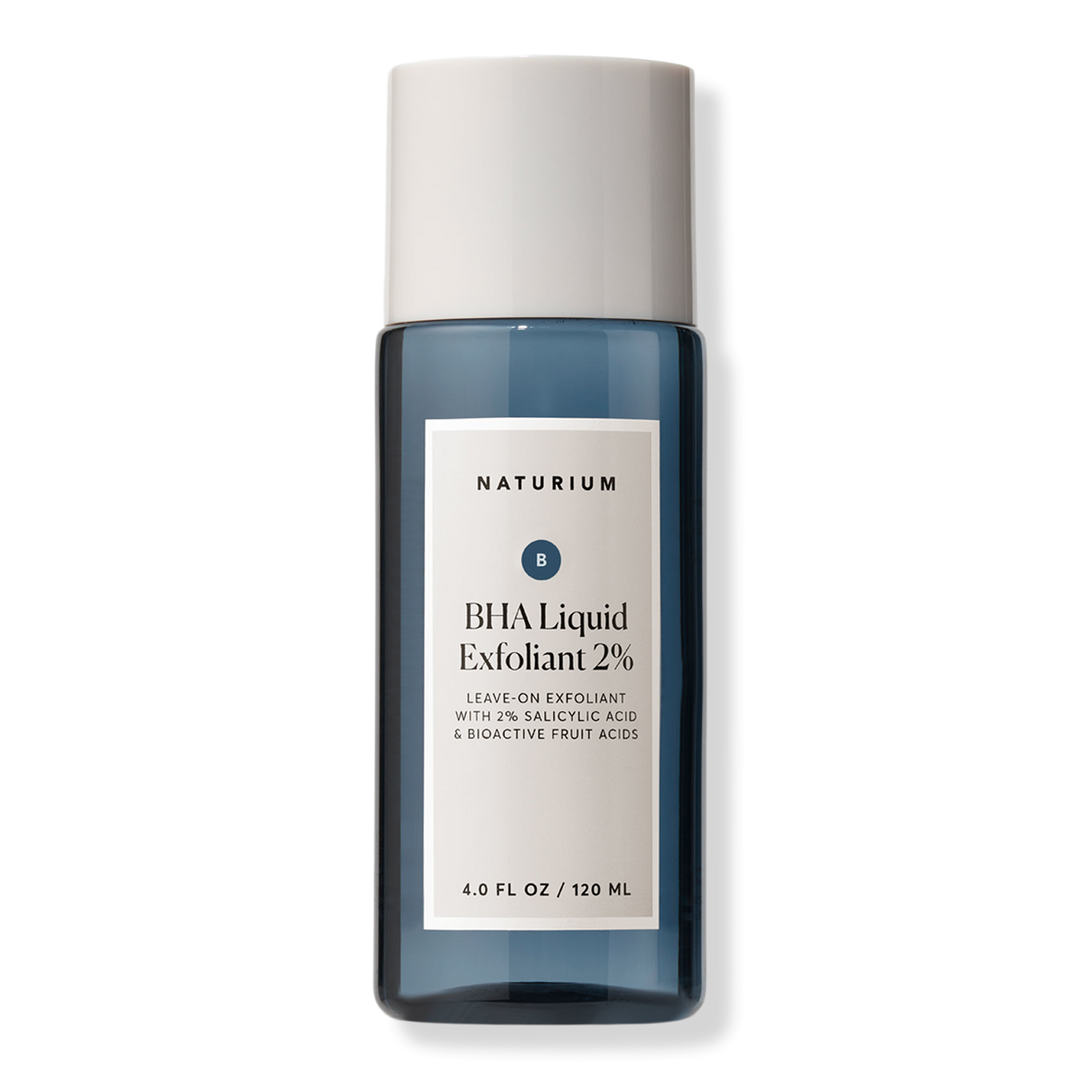
Best all-around pore-clearing serum
Naturium BHA Liquid Exfoliant 2%
Serum | $18.99
Shop Naturium BHA Liquid Exfoliant 2% at Ulta Beauty →
Pores, meet your new fave. This 2% salicylic acid exfoliant goes to work inside pores, dissolving oil buildup and clearing out dead skin cells so they look visibly cleaner and tighter over time. The leave-on liquid formula is lightweight, fast-absorbing and gentle enough for everyday use.
Key specs: 2% salicylic acid · Lightweight leave-on liquid · Visibly clears and tightens pores · Good for oily, combination and acne-prone skin
Ulta Beauty Advisor tip: Apply a small amount to a cotton pad and swipe across your T-zone or any areas where pores feel most noticeable. Start with every other night and build from there!
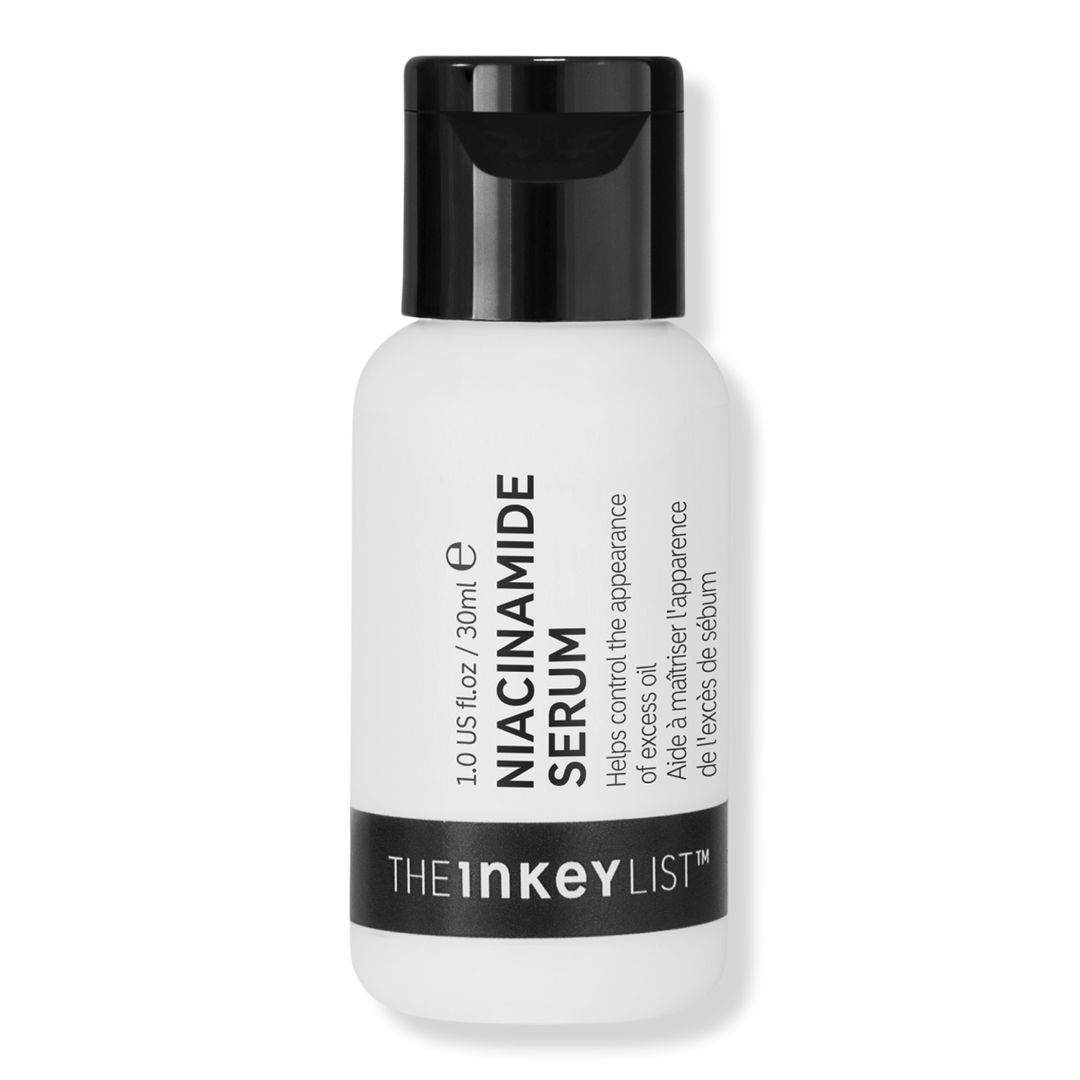
The Inkey List Niacinamide Serum
Serum | $13.00
Shop The Inkey List Niacinamide Serum at Ulta Beauty →
Calm, balanced, less shiny. This lightweight serum delivers 10% niacinamide to help regulate oil production and support the look of smaller pores with consistent use. It's gentle enough for daily wear and layers easily under moisturizer and SPF.
Key specs: 10% niacinamide · Lightweight, fast-absorbing formula · Fragrance-free · Good for oily and combination skin
Ulta Beauty Advisor tip: Use it morning and night after cleansing for the best results. It plays well with almost everything else in your routine, including retinol on alternate nights!
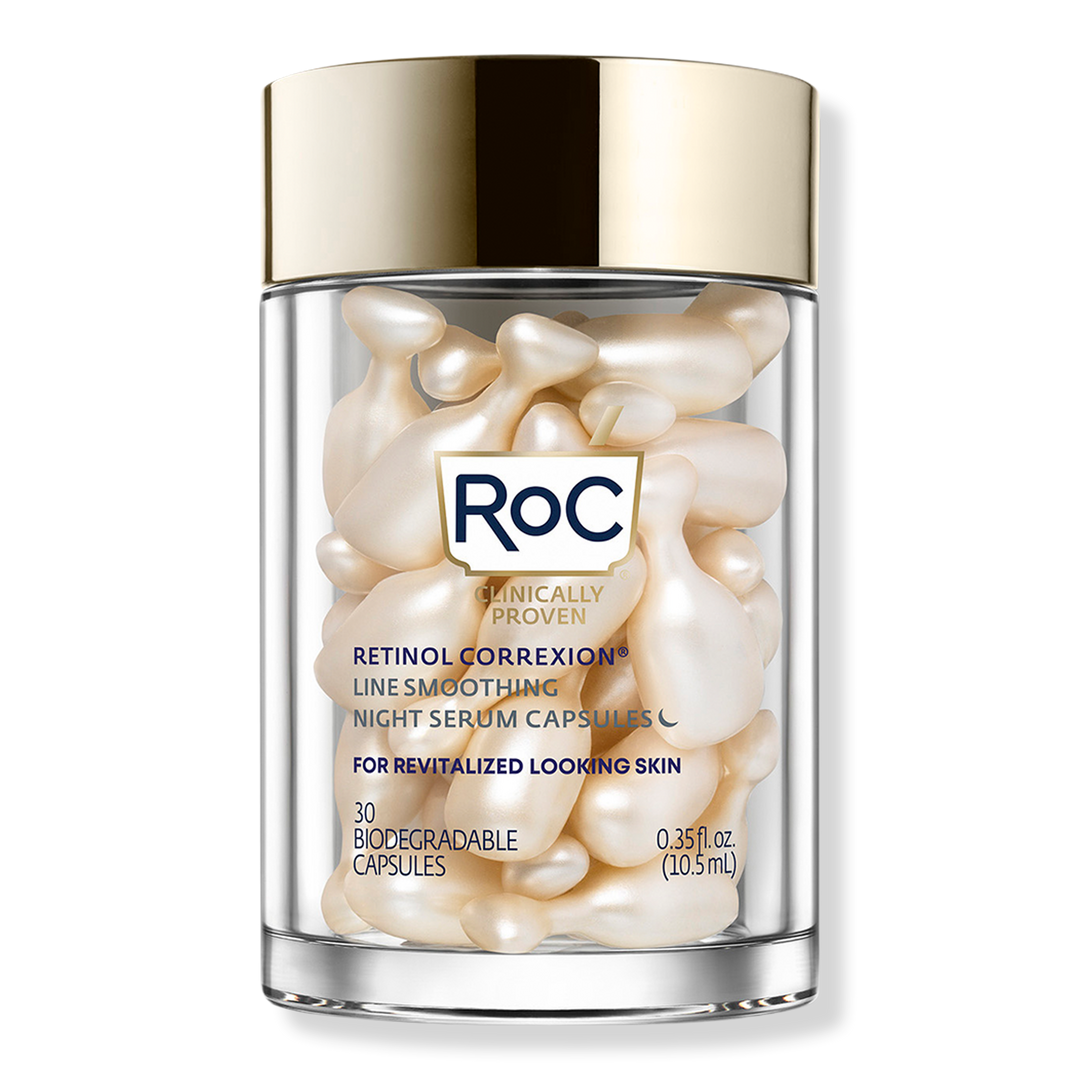
RoC Retinol Correxion Line Smoothing Serum Capsules
Serum | $32.99
Shop RoC Retinol Correxion Line Smoothing Serum Capsules at Ulta Beauty →
Collagen support in a capsule. This retinol serum helps speed up skin cell turnover and encourage firmness over time, which means the skin around each pore looks more supported and pores appear tighter. A great place to start if you're new to retinol.
Key specs: Retinol + antioxidant blend · Supports collagen over time · Suitable for most skin types · Fragrance-free
Ulta Beauty Advisor tip: Start with 2-3 nights a week and always follow with SPF the next morning. Give it at least 12 weeks before expecting big changes; consistency is everything here!
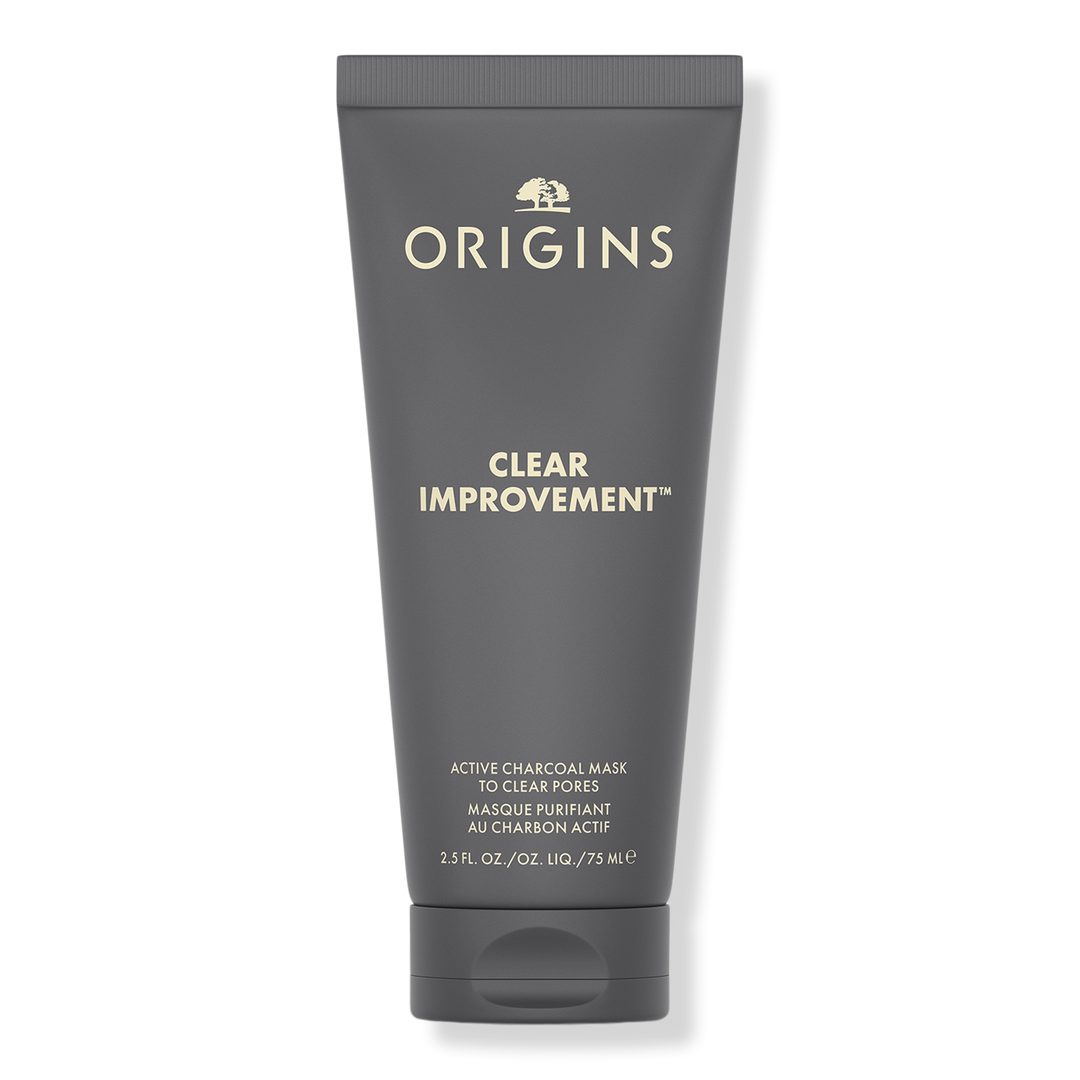
Origins Clear Improvement Active Charcoal Mask to Clear Pores
Mask | $39.00
Shop Origins Clear Improvement Active Charcoal Mask to Clear Pores at Ulta Beauty →
Pores, meet your weekly reset. This charcoal-powered mask pulls excess oil and everyday buildup out of pores, leaving skin looking cleaner, clearer and visibly smoother after just one use. It layers easily and rinses off without stripping, making it a low-effort addition to your weekly routine.
Key specs: Activated charcoal · Oil-absorbing, pore-clearing formula · Lightweight rinse-off mask · Good for oily and combination skin
Ulta Beauty Advisor tip: Apply an even layer to clean, dry skin and rinse off after 10 minutes. Use once or twice a week as your pore-clearing reset and follow with your niacinamide serum while skin is fresh!
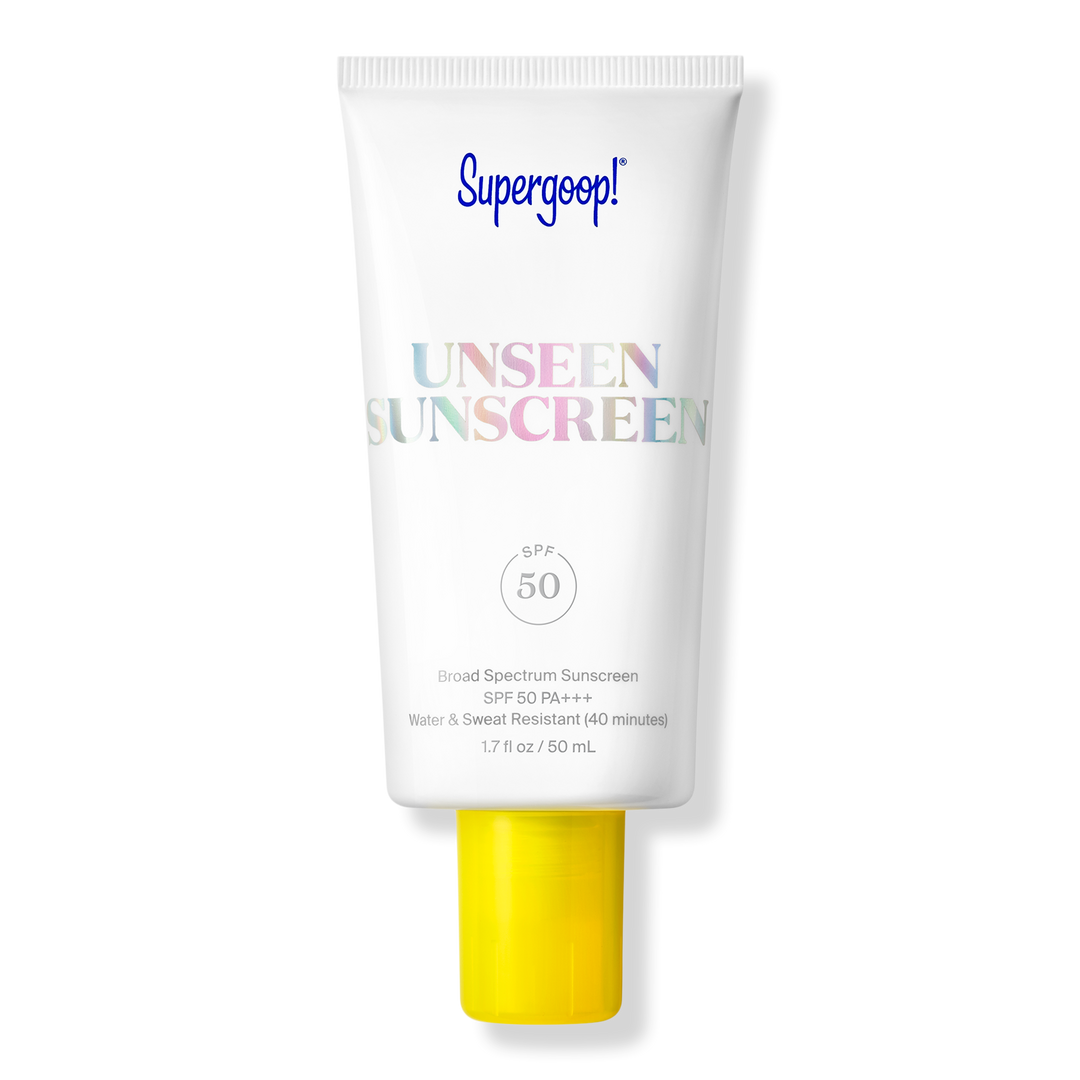
Supergoop! Unseen Sunscreen SPF 50 Invisible Sun Protection
Sunscreen | $19.00-$48.00
Shop Supergoop! Unseen Sunscreen SPF 50 Invisible Sun Protection at Ulta Beauty →
The last step that does the most. This cult-fave SPF goes on completely clear and sinks in without a trace, no white cast, no greasy finish, no excuses. It protects against UV-related collagen breakdown, one of the biggest drivers of enlarged-looking pores over time, while wearing like a primer under makeup.
Key specs: SPF 50 broad-spectrum protection · Weightless, invisible finish · No white cast · Good for all skin types including oily and combination skin
Ulta Beauty Advisor tip: Apply as the last step in your morning routine, after your serum and moisturizer, every single day. It disappears into skin instantly, so there's zero reason to skip it!
How to build a pore-minimizing routine
Getting the most out of your routine is all about layering the right products in the right order. Here's a simple place to start.
Morning:
Gentle, non-stripping cleanser
Niacinamide serum
Lightweight, non-comedogenic moisturizer
Broad-spectrum SPF 30 or higher
Evening:
Cleanser to remove oil, sunscreen and buildup
Salicylic acid toner or serum (a few nights a week)
Retinol (2–3 nights a week, not on the same nights as your exfoliating acid)
Moisturizer to finish
Weekly:
- Clay mask to absorb excess oil and clear out pores
A few habits that also help:
Cleanse twice a day to keep oil and debris from settling in.
Don't over-exfoliate. More isn't better; irritated skin can produce more oil, not less.
Always remove your makeup before bed. Sleeping in it is one of the fastest ways to clog pores.
Hydrate your skin. Even oily skin needs moisture. Dehydrated skin can look rougher and show more texture.
How long does it take to see results?
You may notice skin looking a little cleaner or less shiny relatively quickly after adding salicylic acid or niacinamide. But real, lasting improvement in how pores look, the kind that comes from clearing buildup, regulating oil and supporting collagen, tends to build over weeks of consistent use.
For persistent concerns like deep blackheads, severe oiliness or pores that feel irritated, a dermatologist can offer targeted treatments beyond what an at-home routine can do.
Frequently asked questions
Can you actually shrink pores?
Not permanently. Pores don't have muscles, so they can't open and close. What you can do is keep them clear of buildup and support the skin around them with collagen-boosting ingredients, both of which help pores look smaller.
What's the best ingredient for minimizing pores?
There's no single winner. Salicylic acid is great for clearing clogs, niacinamide helps with oil control and retinol supports collagen over time. Using a combination is usually more effective than relying on just one.
Are large pores caused by bad skin care habits?
Not always. Genetics and skin type are the biggest factors. That said, skipping cleansing, over-exfoliating and skipping sunscreen can all make pores look worse over time.
Can moisturizer make pores look bigger?
A heavy or pore-clogging moisturizer might. Look for formulas labeled non-comedogenic, especially if you have oily or combination skin.
Do pores get bigger as you age?
As collagen and elastin decline, skin loses firmness around each pore, making it look more open. This is one of the reasons retinol and daily SPF are so often recommended for aging-related skin concerns.
Does sunscreen actually help with pores?
Yes. Consistently wearing SPF is one of the most effective long-term strategies for keeping skin firm and pores looking tighter. UV damage breaks down collagen, and collagen is what keeps skin (and pores) looking supported.
Can I use salicylic acid and retinol together?
It's usually best to alternate them rather than use both on the same night, especially when you're first starting out. Using both at once can increase the chance of irritation. Always patch test and introduce new actives slowly.
What's the most important step for pore care?
Consistency, and sunscreen. A simple routine you actually stick to will do more for your skin than an elaborate one you use twice a week.
Related Content: How to Apply Hyaluronic Acid, Chemical vs Physical Exfoliation, What is Snail Mucin, Best Dry Shampoo, Best Products for Slicked Back Hair, At Home Beauty Treatments, Nighttime Skin Care and Beauty Routine, Best Face & Body Exfoliators
Discover more: Skincare Buying Guides and Beauty Education Articles
Get personalized recommendations with our Skincare Quiz