Tinted lip balm vs. lip gloss: which is better for everyday wear?
If you've ever stood in front of a lip display debating whether to reach for the balm or the gloss, you're not alone. Both deliver color, both add shine, and both live in that sweet spot between bare lips and a full lipstick look, but they are built differently and they perform differently. Knowing which one fits your day-to-day routine can save you from midday touch-up frustration and help you shop smarter.
Here's a direct, ingredient-level comparison so you can decide which belongs on your vanity (or in your pocket).
What is the difference between tinted lip balm and lip gloss?
The most important difference is in the base formula, not the color.
Tinted lip balm
Built on an emollient-rich base: shea butter, lanolin, beeswax, or plant-derived waxes like candelilla. Color is added, usually as a sheer wash of pigment, but the primary job is moisture delivery and barrier protection. Tints tend to sink into the lip rather than sit on top of it, which is why the color looks natural and why reapplication feels comfortable rather than sticky.
Lip gloss
Starts from a different base: polybutene, petrolatum, or silicone polymers designed to create a high-shine, reflective surface. Pigment load ranges from sheer to fully opaque depending on the formula. Gloss sits on top of the lip, which gives it its signature dimensional shine but also means it transfers more easily and requires more frequent reapplication.
Neither formula is superior. They provide different results.
Head-to-head comparison
Tinted lip balm
- Primary benefit: hydration + light color
- Finish: satin to natural
- Coverage: sheer to light
- Wear time: 2–4 hours (moisturizing, fades evenly)
- Texture: smooth, non-sticky
- Reapplication feel: comfortable, nourishing
- Best for dry lips: yes, actively conditions
- Layering: works under or over most products
- Transfer: low
Lip gloss
- Primary benefit: high shine + color
- Finish: glossy to mirror-shine
- Coverage: sheer to full
- Wear time: 1–3 hours (transfers more easily)
- Texture: can range from lightweight to thick
- Reapplication feel: varies; some formulas feel heavy when layered
- Best for dry lips: depends; some gloss formulas can be drying
- Layering: best worn alone or over liner
- Transfer: moderate to high
When to choose a tinted lip balm?
Choose a tinted lip balm for everyday wear when:
- Your lips tend toward dryness or chapping, especially in cold or dry weather
- You want a low-maintenance routine: apply once, forget it
- You need something comfortable to wear under a mask or during workouts
- Your look calls for a "your lips but better" finish that doesn't read as obvious makeup
- You're pairing a bold eye with a quieter lip
- You want an all-in-one product that conditions while it colors
Key ingredients to look for in a tinted balm:
- Hyaluronic acid: draws moisture into the lip surface
- Shea butter or mango butter: rich emollients that soften and smooth
- Vitamin E (tocopherol): antioxidant protection and barrier support
- SPF: some tinted balms include sun protection, a genuine added benefit for daily use
- Castor oil: adds slip and subtle gloss without the stickiness of a traditional gloss.
Tinted lip balms for everyday wear
11 items
Use previous and next buttons to navigate the slides of the Tinted lip balms for everyday wear Product Carousel
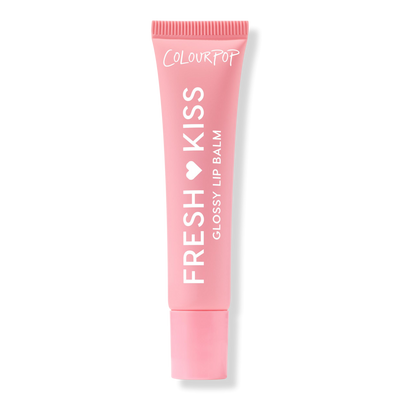
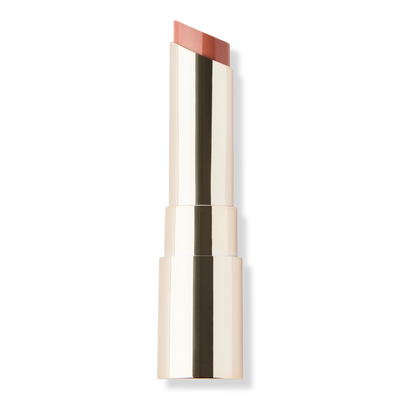
ColourPop
Fresh Kiss Glossy Peptide Lip Balm
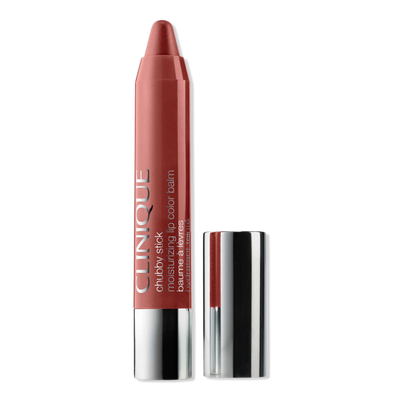
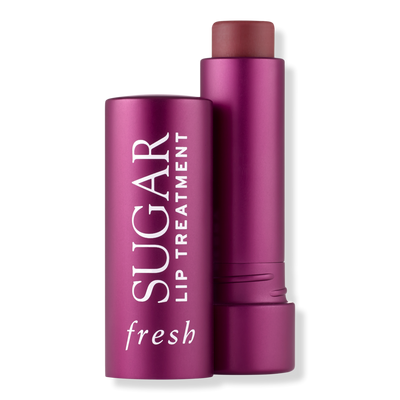
Clinique
Chubby Stick Moisturizing Lip Color Tinted Lip Balm
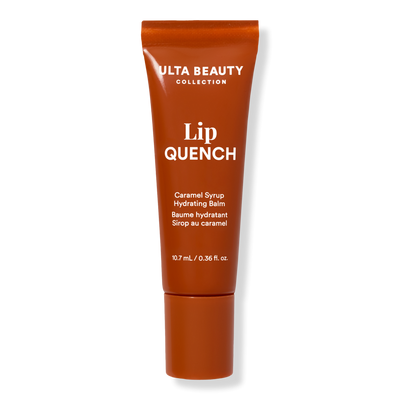
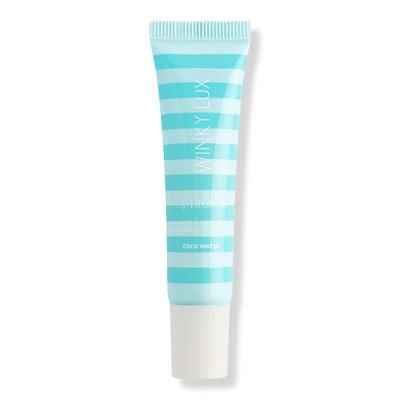
ULTA Beauty Collection
Lip Quench Hydrating Balm
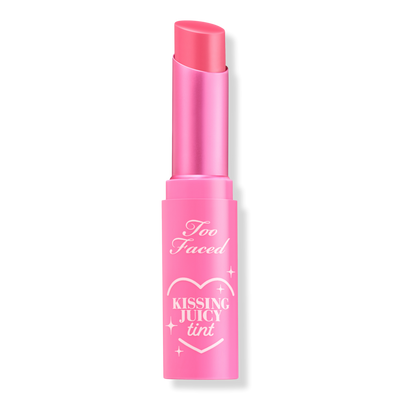
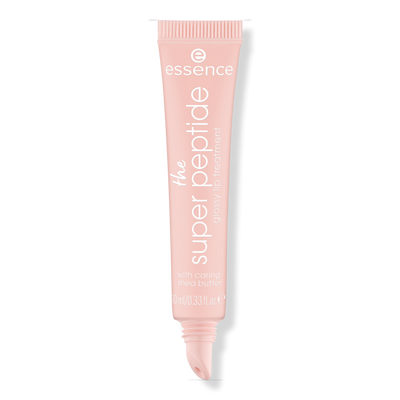
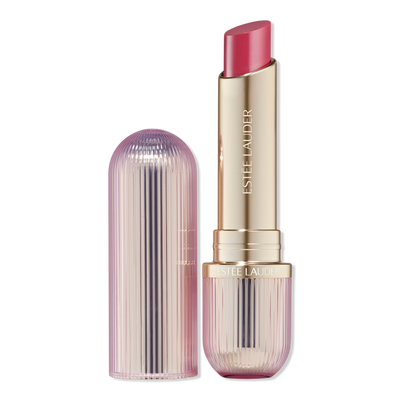
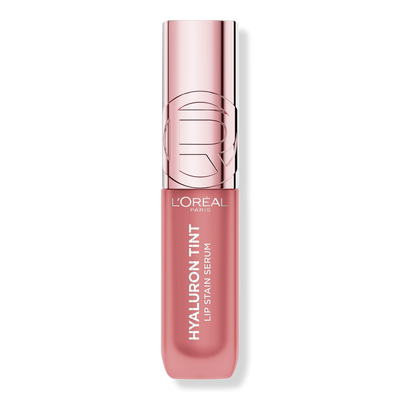
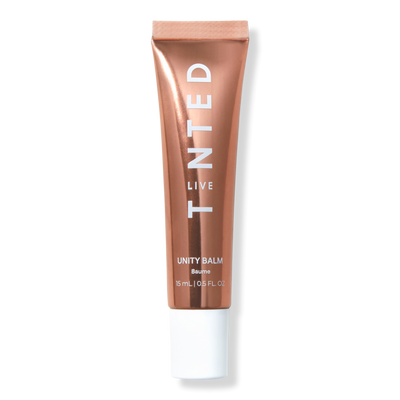
When to choose a lip gloss?
Choose a lip gloss for everyday wear when:
- You want your lips to look fuller, as gloss reflects light in a way that adds the illusion of volume
- Your look is built around a polished, finished aesthetic
- You're layering over a lip liner for a longer-wearing result
- You need a fast refresh that visually brightens the face without other makeup
- You're wearing minimal skin makeup and want one statement element
Key ingredients to look for in a gloss:
- Polybutene: the stretchy, high-shine base in most glosses; not drying when used in well-formulated products
- Vitamin C or plant extracts: some glosses include brightening or antioxidant actives
- Peptides: found in plumping glosses; work by creating a mild, temporary sensation that encourages circulation
- Non-irritating plumpers: look for palmitoyl tripeptide-38 or hyaluronic acid over menthol or capsaicin if you have sensitive lips
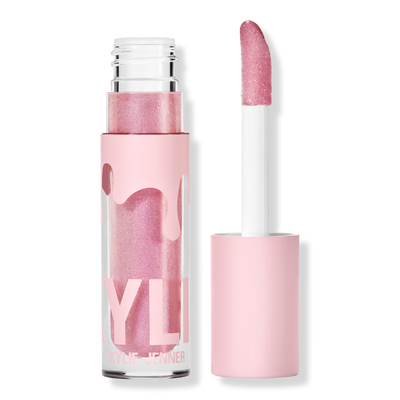
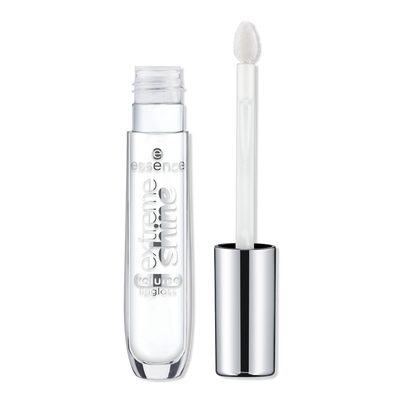
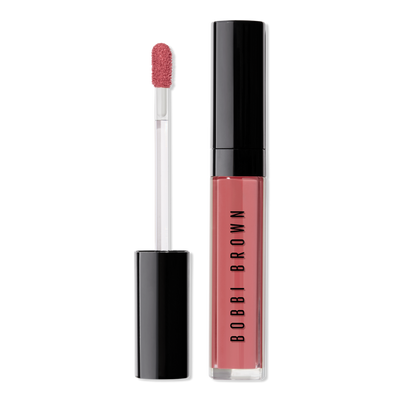
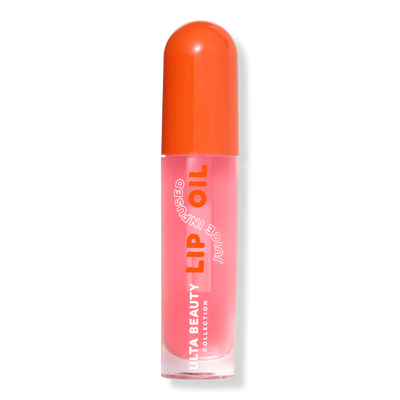
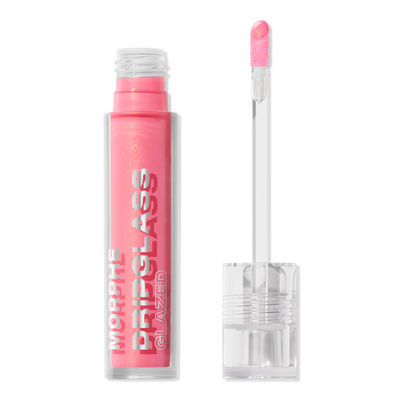
Lip glosses for everyday wear
11 items
Use previous and next buttons to navigate the slides of the Lip glosses for everyday wear Product Carousel
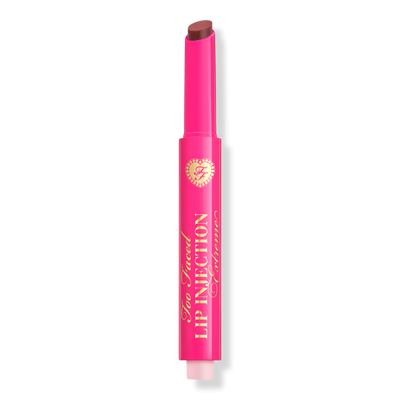
Too Faced
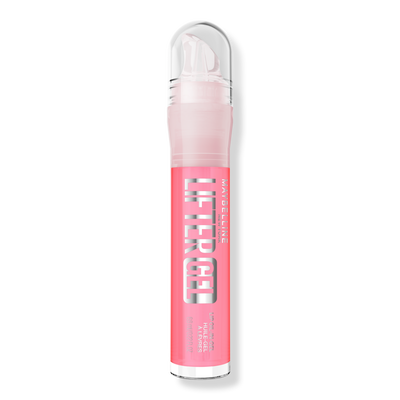
Lip Injection Extreme Plumping Clicks
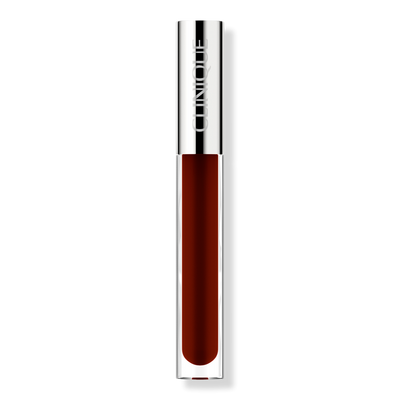
Clinique
Clinique Pop Plush Creamy Lip Gloss
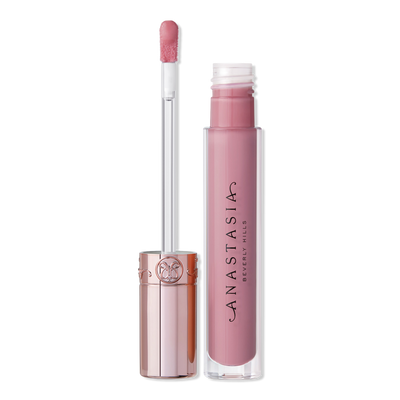
Anastasia Beverly Hills
Universal Luminous Tinted Lip Gloss
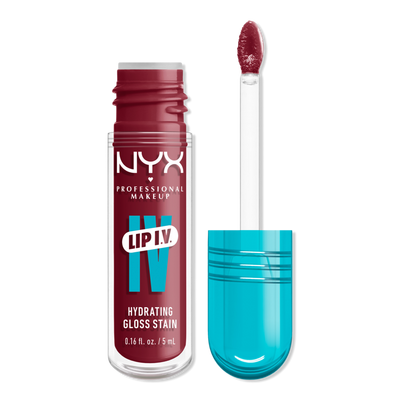
NYX Professional Makeup
Lip IV Hydrating Gloss Stain
Which is more hydrating?
This is where tinted balm has a clear edge for most people: dedicated moisture delivery.
Lip gloss seals the lip surface and can temporarily feel hydrating, but most gloss formulas are not designed to repair or nourish a compromised lip barrier. If your lips are visibly peeling or cracking, a gloss worn alone won't resolve that. A tinted balm, particularly one with occlusive waxes and conditioning actives, works on the underlying dryness while delivering color.
The exception: some newer gloss formulas do incorporate hyaluronic acid, ceramides, or botanical oils, blurring the category line. If hydration is a priority and you love the gloss finish, check the ingredient list rather than the product name.
How long does tinted balm and lip gloss last?
Tinted balm wears more evenly over time. Because pigment is infused throughout the formula rather than sitting on the surface, as the product fades it tends to leave a residual stain rather than disappearing in patches. This makes it more forgiving for an 8-hour workday or a full travel day.
Lip gloss is faster to apply and easier to layer, but it moves. It will transfer to coffee cups, migrate slightly beyond the lip line over a few hours, and need a midday refresh for a polished look. That's not a flaw; it's a format characteristic. If you carry your gloss and expect to reapply, it's a non-issue.
Bottom line on wear time: Tinted balm for all-day effortlessness. Gloss for shorter occasions where you can refresh as needed.
Can you wear tinted lip balm and lip gloss together?
Yes, and many people do. A common layering approach:
- Apply a tinted lip balm as a base: it hydrates the lip and creates a soft color foundation
- Dab lip gloss onto the center of the lip only, as this concentrates the shine and the plumping effect where it reads most
- The balm underneath helps the gloss last longer and prevents that tight, drying feeling some people get from gloss alone
You can also reverse the order: apply a long-wear lip liner or lipstick as a base, then seal with a clear or tinted gloss on top for added dimension and a longer-lasting finish.
What to look for in a tinted lip balm or lip gloss?
Whether you land on a tinted balm, a gloss, or both, Ulta carries a wide range across price points, from affordable staples to luxury formulas.
For tinted lip balm, explore:
- Formulas with SPF for daytime use
- Hydrating tints with shea butter or hyaluronic acid bases
- Buildable sheer options that work on multiple skin tones
- Brands known for conditioning lip color: look in both the skincare-adjacent and color cosmetics aisles, since tinted balms appear in both
For lip gloss, explore:
- High-shine formulas for a classic finish
- Plumping glosses with peptide or hyaluronic acid actives
- Tinted glosses in your undertone: warm peachy-nudes for warm skin tones, cool berries and roses for cool tones, and true nudes for neutral tones
- Non-sticky gloss formulas, which have improved substantially; check recent launches for lightweight, transfer-resistant finishes
Frequently asked questions
Is a tinted lip balm the same as a lip tint?
Not exactly. A lip tint is typically water- or gel-based and designed to stain the lip for long-wear color with minimal product feel. A tinted lip balm is wax- or butter-based and prioritizes conditioning alongside color. Both deliver light color, but the texture, wear pattern, and ingredient focus differ.
Can I wear lip gloss over a dry, chapped lip?
You can, but it won't resolve the dryness. Gloss can temporarily smooth the surface and mask flaking, but it doesn't deliver the emollients that repair a dry lip barrier. For chapped lips, treat with a nourishing balm first: apply, wait a few minutes, then add gloss if you want the finish.
Does lip gloss make lips look bigger?
Yes, to a degree. Gloss reflects light, which creates the visual appearance of volume and fullness. Applying a slightly lighter or clear gloss to the center of the lower lip amplifies this effect. Plumping glosses with peptides or temporary plumping agents can add a mild physical effect on top of the optical one.
How long does a tinted lip balm last compared to lip gloss?
Both typically require reapplication every 2–3 hours with normal eating and drinking. Tinted balm tends to fade more evenly, leaving a softer stain; gloss is more likely to disappear unevenly. With a lip liner base underneath either product, wear time increases noticeably.
Which is better for no-makeup makeup looks?
Tinted lip balm. The sheer, natural finish mimics healthy, flushed lips without looking like you're wearing color. It pairs well with SPF-focused skincare routines and minimalist foundation approaches. If you want a no-makeup look with a little more finish, a clear or barely-there gloss is also a strong option.
Are there tinted lip balms with SPF?
Yes, and they're worth seeking out. Because the lip is a sun-exposed mucous membrane with minimal melanin, it's vulnerable to UV damage. An SPF-containing tinted balm covers color, hydration, and sun protection in one step, particularly useful for everyday outdoor use.
Related Content: Makeup for Mature Skin, At Home Lash Extensions, Where to Apply Blush for Your Face Shape, How to Prevent Concealer From Creasing, Makeup Routine for Beginners, What is Glycolic Acid?
Discover more Beauty Education guides and Makeup buying guides