How to find your foundation undertone the right way before choosing a shade
By Ulta Beauty Advisors · Published August 2026
All products featured are available at Ulta Beauty. Ulta Beauty Advisors select products independently. Prices and availability are subject to change.
If foundation looks too pink or yellow, its undertone may not match the tones naturally visible in your skin. A shade that looks too pink is often cooler or rosier than your skin, while one that looks too yellow is often warmer or more golden. Testing several undertones at the same shade depth along your jawline can help you spot a closer match.
Learning how to find your foundation undertone takes a little more than checking your wrist. At Ulta Beauty, we recommend using several clues, then confirming your choice with side-by-side swatches in natural light.
This guide breaks down undertones, what color mismatches can tell you, and how to test foundation before committing to a shade.
What is a foundation undertone?
Your undertone is the subtle color beneath your skin's surface. It is different from shade depth, which describes how light or deep your visible skin tone is.
Undertones are commonly grouped into these families:
- Cool: Skin may show pink, red or bluish tones.
- Warm: Skin may show golden, yellow or peach tones.
- Neutral: Skin may have a balance of warm and cool tones without one clearly standing out.
- Olive: Skin may have green, gray or muted golden tones. Depending on the brand, olive shades may be labeled warm, neutral or cool olive.
These descriptions are helpful starting points, not strict rules. Undertone labels and shade names can vary between brands, so the swatch on your skin matters more than the name on the bottle.
Surface color can also complicate the picture. Redness, tanning, dark spots, self-tanner and other visible color changes may affect how your face looks without changing its underlying undertone.
Benefits of knowing your foundation undertone
Identifying your undertone can make foundation shopping feel less like guesswork. It helps you separate two different shade questions: Is the foundation deep enough, and is its color direction right for your skin?
A closer undertone match may help you:
- Narrow down a large shade range more quickly.
- Understand why a shade looks pink, yellow, orange or gray.
- Match your face more closely to your neck and chest.
- Adjust shade depth between seasons without starting over on undertone.
- Choose complexion products that work together more naturally.
- Shop across brands even when their shade labels differ.
What a color mismatch may be telling you
The way a foundation looks after application can point you toward a better undertone family.
- It looks too pink or red: The shade may be cooler or rosier than your skin.
- It looks too yellow or golden: The shade may be warmer than your skin.
- It looks orange: The undertone may be too warm or saturated, or the shade may be too deep. Some formulas also oxidize after application, meaning their pigments react with air and skin oils to shift slightly warmer or darker as the day progresses. If a shade consistently oxidizes orange on your skin, try a cooler or less saturated option at a similar depth.
- It looks gray or ashy: The shade may be too light, too cool or too muted for your coloring.
- It looks peachy: The shade may contain more red and yellow than your skin needs.
- It looks strangely bright: Your skin may need a more neutral, olive or muted option rather than a more intense warm or cool shade.
Depth and undertone can be wrong at the same time. If a swatch looks both orange and noticeably dark, test a lighter shade in a less warm undertone instead of changing only one factor.
What you need to test your undertone
You do not need a complicated setup. A few smart testing conditions make color differences much easier to see.
Gather these basics:
- Clean skin with your usual moisturizer and sunscreen applied.
- Natural daylight near a window or outdoors in open shade.
- Two to four foundation shades at a similar depth but in different undertones. You can go to an Ulta Beauty store near you to test multiple shades, without committing to purchase.
- A clean fingertip, foundation brush or sponge for each swatch.
- A mirror large enough to see your face, jawline, neck and upper chest together.
- Your phone camera for checking the shades in different lighting.
Apply your usual skin care first because sunscreen, moisturizer and primer can affect how foundation sits and looks. Give each layer time to settle before swatching.
How to find your foundation undertone with Ulta Beauty
The most reliable approach is comparison. Instead of trying one shade and asking whether it works, compare several undertones at the same general depth and look for the one that stays most consistent from face to neck.
- Start with bare or lightly prepped skin: Remove old makeup and apply the skin care you normally wear beneath foundation. Avoid testing over heavy bronzer, color corrector or self-tanner unless those products are part of your everyday routine.
- Look at more than your face: Compare your face, jawline, neck and upper chest. If facial redness or dark spots make your face look different from the rest of your body, use the neck and chest as additional reference points.
- Identify your strongest color clues: Look for a golden, peach, pink, red, blue, green or gray cast. You do not need to fit neatly into one category, especially if your coloring appears neutral or olive.
- Choose several shades at the same general depth: Pick one warm, one cool and one neutral option when the range allows it. If shades often look orange or overly bright on you, add an olive or muted option for comparison.
- Swatch from your jaw onto your neck: Apply each shade in a separate vertical stripe. Make the swatches wide enough to see their undertones clearly, but leave space between them so the colors do not blend together.
- Let the swatches settle: Foundation can look different once it dries down. Wait a few minutes or follow the formula's application directions before making your final call.
- Check every swatch in natural light: Look straight ahead and turn your head from side to side. The closest match should not create an obvious pink, yellow, orange or gray stripe against your neck.
- Confirm the depth: Once you find the best undertone, compare a shade slightly lighter and a shade slightly deeper in that same undertone family. This helps you avoid choosing the right undertone at the wrong depth.
- Test a larger area: Apply the leading shade to one side of your lower face and blend it toward the jaw. Check it in indoor and outdoor lighting, then wear it with the rest of your usual makeup if possible.
- Notice how it looks later: Recheck the foundation after it has been on your skin for a while. Oils, skin care and the formula's finish can affect its final appearance, so the first swatch is not always the whole story.
Ulta Beauty Advisor Tip: Not sure about your undertone or which foundation shade is right for you? Visit an Ulta Beauty store and ask a Beauty Advisor for help with shade matching and finding your undertone.
Shopping for foundation online
When you cannot swatch in person, start with shade descriptions and photos from people whose skin depth and undertone look similar to yours. Treat digital shade images as a guide because screens, lighting and photography can shift color.
Look for repeated words in shade descriptions, such as cool, rosy, golden, peach, neutral or olive. If you already have a close match from another formula, compare its undertone description first, then assess depth. You can also use the Ulta Shade-to-Shade Finder tool to match a foundation shade from one brand to another.
Ulta Beauty's virtual shade match tool, available on the Ulta App, helps you find your foundation and concealer match based on your skin tone and undertone. It is a practical starting point when you want to narrow your options before visiting a store or placing an order.
Foundation products to consider after finding your undertone
Undertone tells you which color family to consider. Formula and finish tell you how the foundation may look and feel throughout the day.
You can browse foundation at Ulta Beauty and narrow your options based on coverage, finish, format and skin preferences.
- Liquid foundation: Available in a wide range of finishes and coverage levels. It is also easy to apply in larger test areas when comparing shades.
- Cream or stick foundation: Handy for targeted application and building coverage where you want it.
- Powder foundation: A good option if you prefer a soft matte look or a quick brush-on routine. Test enough product to see the true undertone.
- Serum foundation: Often has a fluid texture and flexible coverage. Shake it when directed so the pigments are evenly mixed.
- Skin tint: Offers lighter coverage, so a small undertone difference may appear less noticeable. A close match still helps the tint look consistent across your face and neck.
Coverage does not determine undertone. A full-coverage formula can come in cool, warm, neutral or olive shades, just as a sheer tint can.
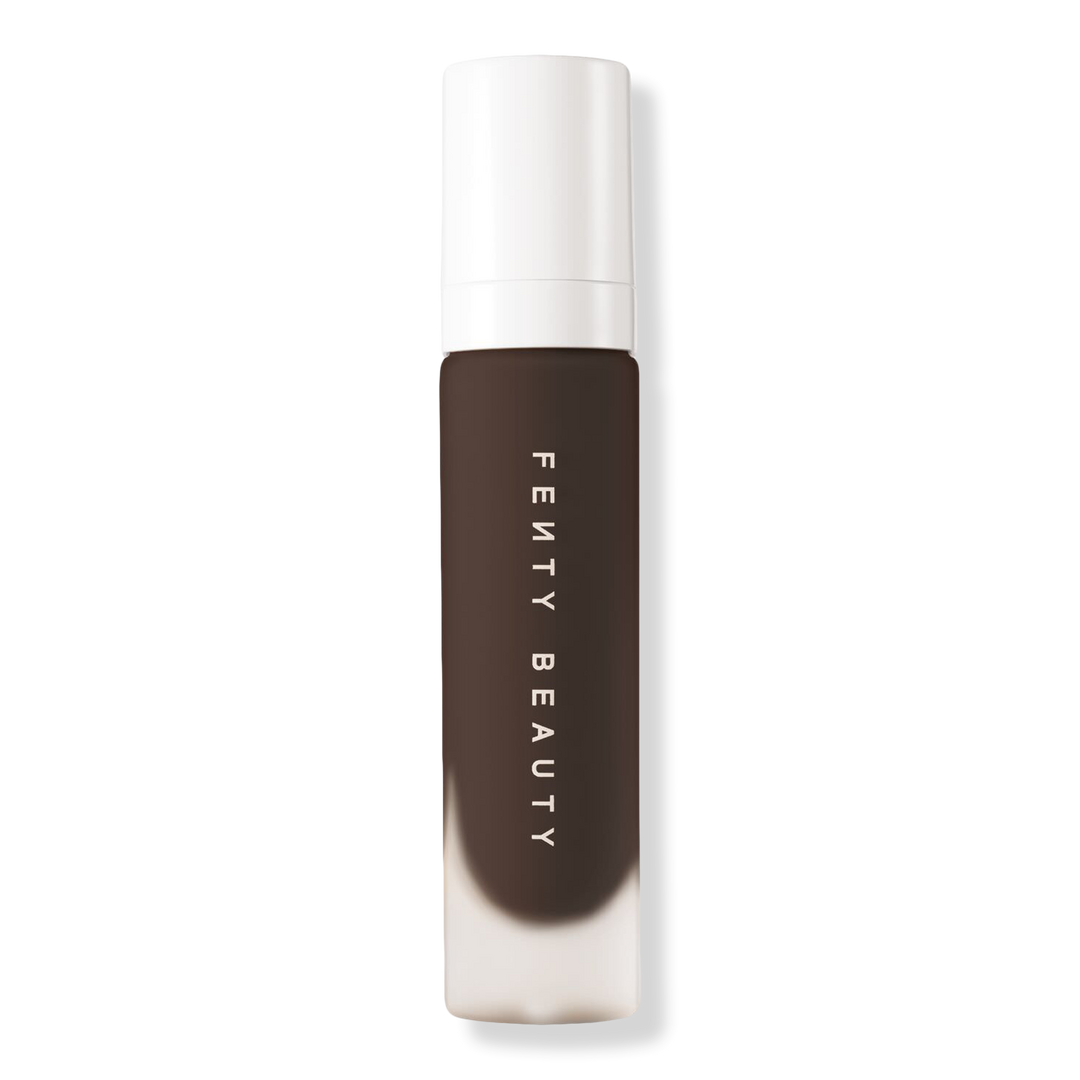
Fenty Beauty Pro Filt'r Soft Matte Longwear Foundation
Longwear Matte Foundation | $40.00
Shop Fenty Beauty Pro Filt'r Soft Matte Longwear Foundation at Ulta →
Available in a wide shade range coded by undertone letter: N (neutral), W (warm), C (cool), R (rosy), and G (golden). This is one of the most explicit undertone-labeling systems available, and the principles in this guide translate directly to shade selection. If warm options turn orange on you, the W shades let you narrow your range immediately. The soft matte finish holds up throughout the day without becoming tight or dull, and the formula layers well for adjustable coverage.
Key specs: Undertone-Coded Letter System · Soft Matte Finish · Medium-to-Full Coverage · Oil-Free · Fragrance-Free
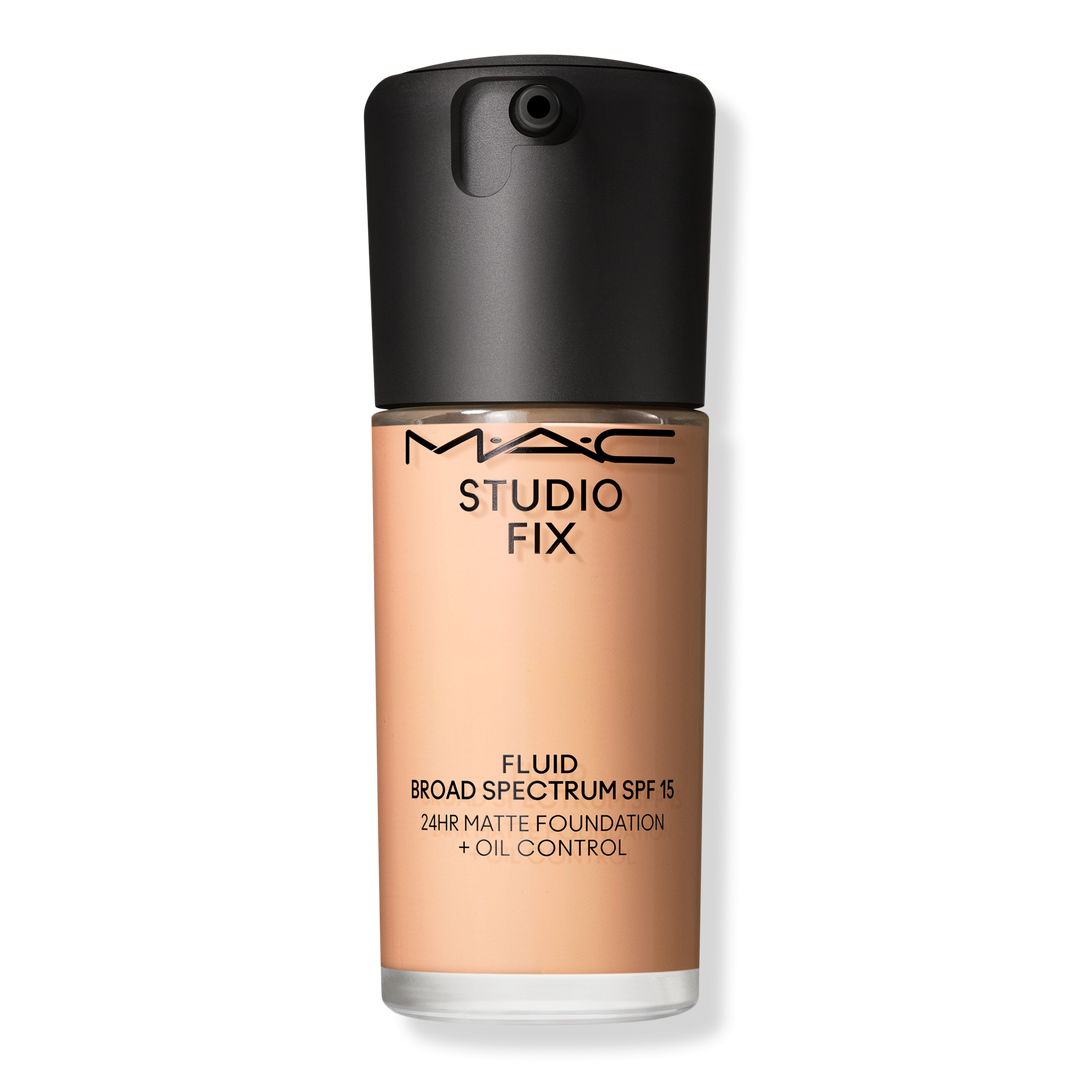
MAC Studio Fix Fluid SPF 15
Medium-to-Full Coverage Liquid Foundation | $39.00
Shop MAC Studio Fix Fluid SPF 15 at Ulta →
Available in an extensive shade range using the NC (neutral-cool), NW (neutral-warm), N, C, and W coding system. The range is particularly strong for deeper complexions, with a well-developed selection of warm and cool options across darker shade depths where many other ranges thin out. The SPF 15 formula delivers a natural matte finish that holds for hours without a heavy feel.
Key specs: NC/NW Undertone Coding System · SPF 15 · Matte Finish · Extensive Range for Deeper Tones
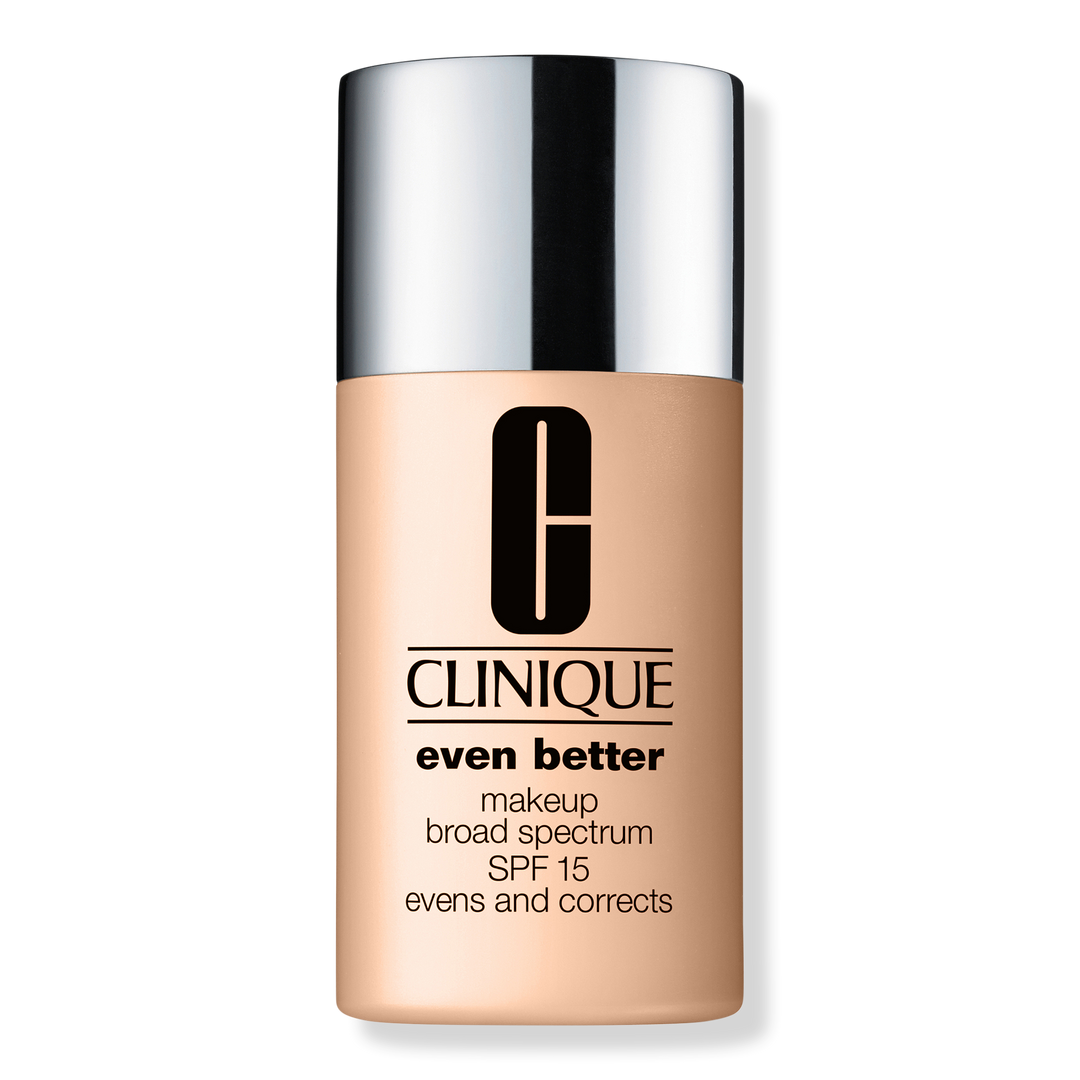
Clinique Even Better Makeup SPF 15
Blurring Liquid Foundation | $39.00
Shop Clinique Even Better Makeup SPF 15 at Ulta →
Available in a broad shade range with a detailed undertone coding system: CN (cool-neutral), WN (warm-neutral), N, W, and C. The blended categories are especially useful for skin that sits between a clearly warm or cool undertone. CN and WN capture the middle ground that warm and cool labels alone often miss, making this a practical starting point for anyone who has struggled to find a clean match in more polarized shade systems.
Key specs: CN/WN Coding System · SPF 15 · Broad Range for Neutral and Blended Undertones
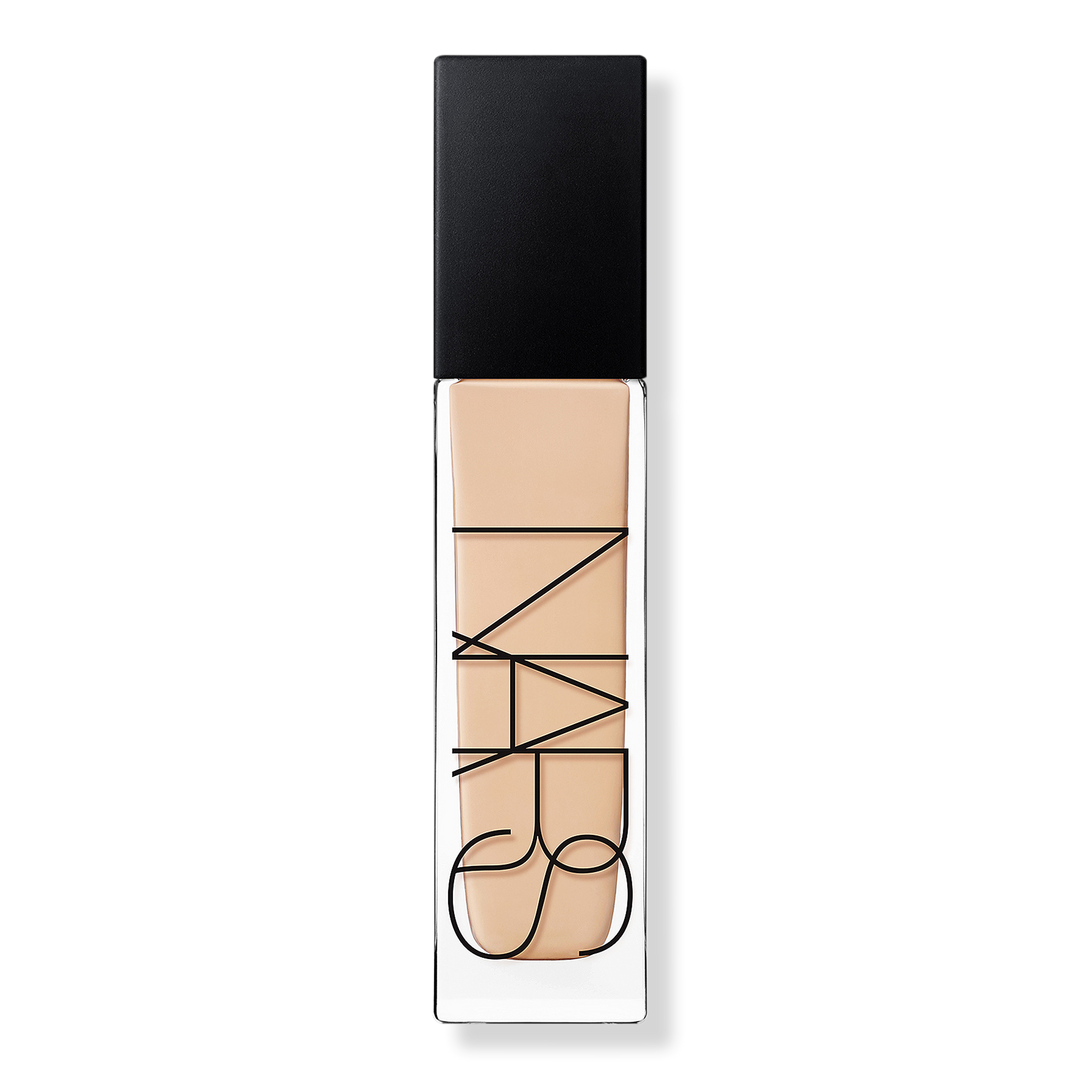
NARS Natural Radiant Longwear Foundation
Longwear Radiant-Finish Foundation | $55.00
Shop NARS Natural Radiant Longwear Foundation at Ulta →
Available in a shade range spanning cool, neutral, and warm undertones, with strong options for medium to deeper skin tones with olive or yellow undertones. Shade names are descriptive rather than coded, but undertone is listed explicitly in each product description. The formula delivers a radiant, skin-like finish with enough coverage to even the complexion without flattening it.
Key specs: Undertone Listed Per Shade · Radiant Finish · Strong Olive and Yellow Undertone Range · Longwear
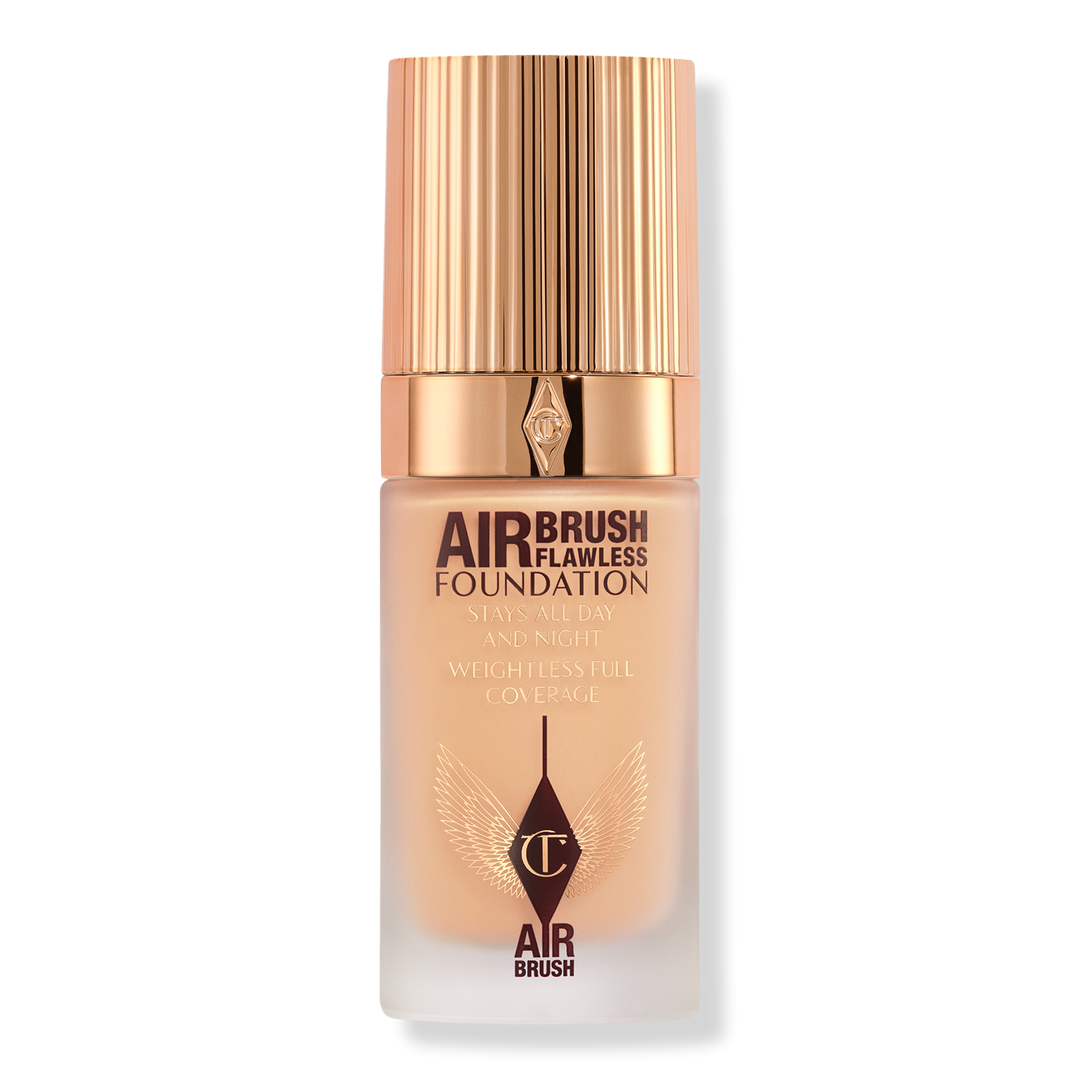
Charlotte Tilbury Airbrush Flawless Foundation
Medium-to-Full Coverage Longwear Foundation | $52.00
Shop Charlotte Tilbury Airbrush Flawless Foundation at Ulta →
Available in a wide shade range organized into warm, neutral, and cool families with numbered depths within each undertone family. The structure makes it straightforward to separate the two shade questions this guide covers: which undertone direction is right for you, and what depth do you need. Once you have established your undertone and a rough depth, you can navigate directly to that intersection in the range.
Foundation undertone FAQs
Can my undertone change over time?
Your underlying undertone generally stays fairly consistent, while your visible skin depth and surface color can change with sun exposure, self-tanner, redness or other factors. You may need a different shade depth during the year without needing a completely different undertone family.
What if every neutral foundation looks orange on me?
The neutral shades you tried may be too warm, too saturated or too deep. Look for cool-neutral, olive-neutral or muted descriptions, and compare them at the same depth.
Should concealer have the same undertone as foundation?
A concealer used on spots usually looks most natural when it stays close to your foundation's depth and undertone. An under-eye concealer may use a slightly different tone for brightening or balancing visible discoloration, depending on the result you want.
Why does my foundation match in person but look different in photos?
Camera flash, room lighting and phone processing can shift color or make certain finishes more noticeable. Take test photos with and without flash before an event if photography is a priority.
Can I match foundation when my face has a lot of redness?
Yes. Use your jawline, neck and upper chest as reference points instead of matching directly to the reddest area. A foundation that matches the surrounding skin may help create a more balanced-looking result without making the whole face appear too pink.
Foundations with wide undertone shade ranges at Ulta Beauty
Once you know your undertone family, these foundations are worth exploring. Each carries a broad selection of undertone-coded shades, which makes it easier to find the right color direction across a wide range of skin depths.
Key specs: Warm/Neutral/Cool Families · Numbered Depth System · Longwear · Medium-to-Full Coverage
Related Content: Makeup for Mature Skin, At Home Lash Extensions, Cream vs Powder Blush, How to Prevent Concealer From Creasing, Makeup Routine for Beginners, Cushion Foundations
Discover more Beauty Education guides and Makeup buying guides