Cream vs powder blush: Which is better? Top-rated picks for every skin type & makeup style
By Ulta Beauty Editors · Published July 2026
Choosing between cream blush vs powder blush comes down to your skin type, the finish you want, and how you prefer to apply makeup. Cream blush suits dry skin and fresh, dewy looks because it adds color with a skin-like finish, while powder blush works well for oily skin, a soft-matte result, or more controlled layering.
Neither texture is automatically better for one skin type. At Ulta Beauty, we suggest looking at your full routine, including skin prep, foundation texture, and desired wear, before picking a side. This guide breaks down how each blush behaves, who it may suit, and when wearing both makes sense.
What is cream blush?
Cream blush is a cheek color made with a creamy, balm-like or putty texture. Depending on the formula, it may come in a compact, pot, tube or stick and leave a dewy, satin or natural-looking finish.
Because cream formulas blend into the products underneath them, they can create a soft wash of color without a visibly powdery surface. Some stay emollient, while others set to a drier finish after blending, so the words “cream blush” can cover a pretty wide range of textures.
Cream blush may be a good fit if you want:
- A fresh, dewy or skin-like finish
- Color that can be tapped on with your fingers
- A cheek product that works well with light makeup
- A formula you can blend across cheeks and, when labeled for those areas, lips or eyes
- A compact option for quick touch-ups
Best cream blushes to explore at Ulta Beauty
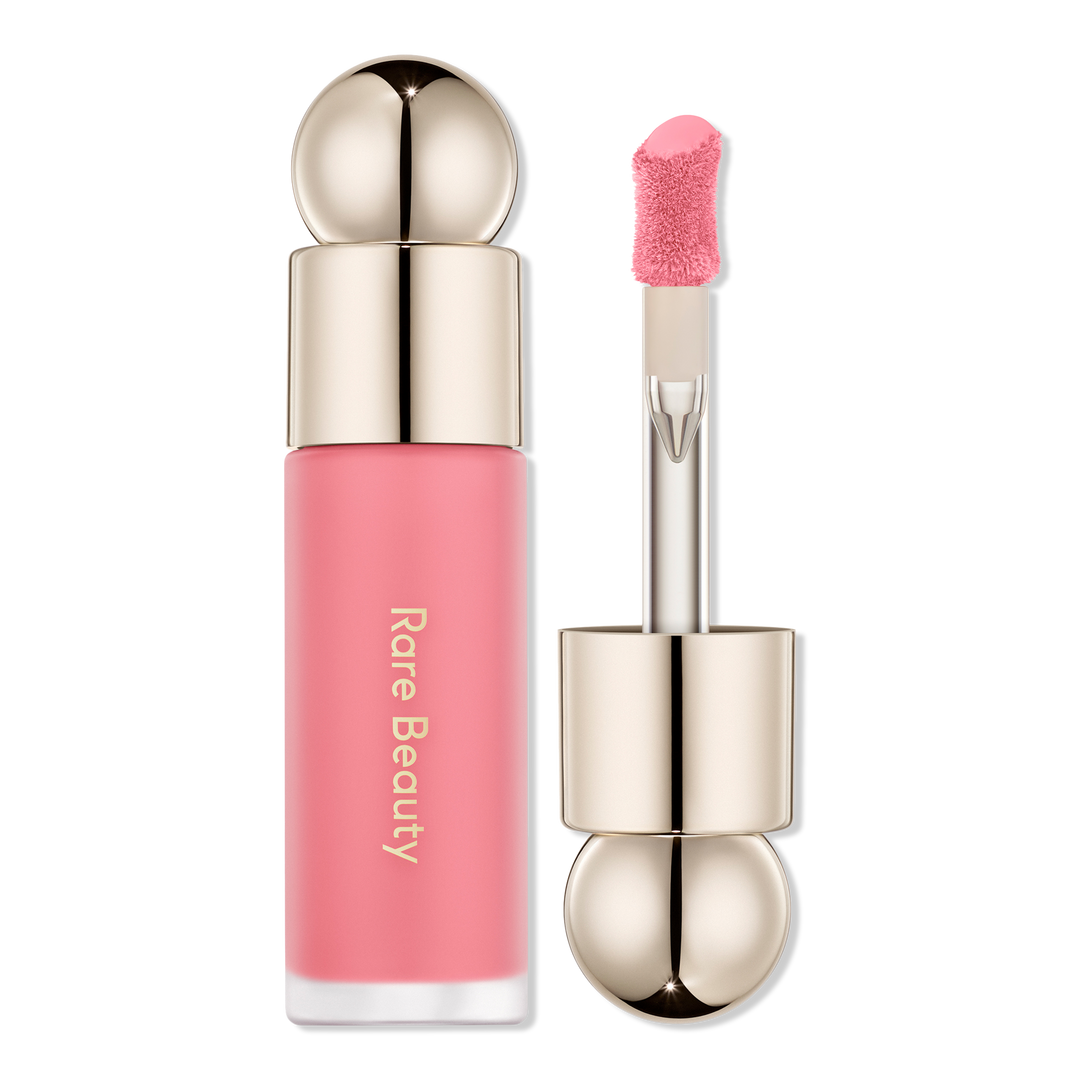
1 of 3: Best for Dewy, Skin-Like Color
Rare Beauty Soft Pinch Liquid Blush
Weightless Liquid Blush | $25.00
Shop Rare Beauty Soft Pinch Liquid Blush at Ulta →
Rare Beauty's Soft Pinch Liquid Blush is a highly concentrated liquid cheek color. A single small dot, roughly the size of a pencil eraser, blends into a wide, seamless wash of color that reads as coming from beneath the skin rather than sitting on top of it. The lightweight, water-based formula has no heavy emollients that cause slip, so it layers cleanly over moisturizer and foundation without destabilizing either.
The finish is luminous without being glittery. On dry or normal skin it produces a naturally flushed, lit appearance that holds through the day without pilling or fading in patches. On oily skin, a light swipe of translucent powder after the blush sets can help manage surface glow. Available in an extensive shade range from soft nudes to deep berries, with both cool and warm undertones represented.
Key specs: Liquid-to-Cream Formula · Concentrated Pigment · Dewy Finish · Buildable Coverage · Vegan · Fragrance-Free · All Skin Types
Application Tip: Less is genuinely more here. Start with one small drop, tap it onto the apple of the cheek with one finger, and blend outward before deciding whether you need more. Adding a second drop on top of a half-blended first layer creates uneven color that is difficult to correct.
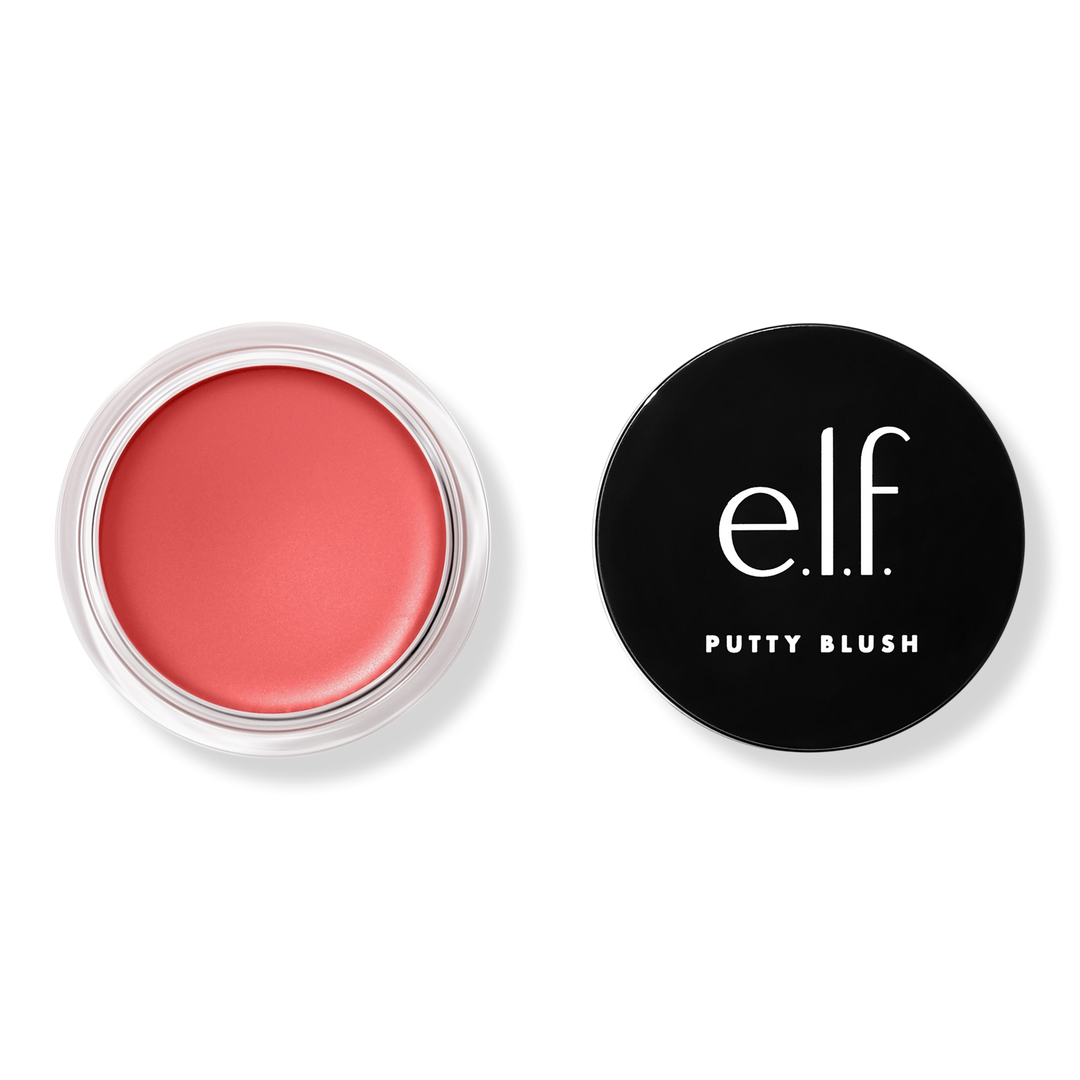
2 of 3: Best for Fuss-Free, Everyday Wear
e.l.f. Cosmetics Putty Blush
Velvety Cream Pot Blush | $8.00
Shop e.l.f. Putty Blush at Ulta →
The e.l.f. Putty Blush delivers strong blendability and pigmentation at an accessible price point. The texture is dense and velvety rather than stiff or tacky. It picks up on clean fingers and blends easily without dragging across the skin or pilling on top of a creamy base. The pigment is bold for the price, so you get full-coverage color from a small amount, but it also blends down to a sheerer wash if you work quickly.
The compact is flat and thin, making it easy to carry without adding bulk. The shade range covers warm peaches, cool pinks, dusty mauves, and deeper plum tones. The finish sits between satin and matte, not dewy enough to compete with a liquid blush, but not flat enough to look powdery. It layers under setting powder without changing texture or becoming patchy.
Key specs: Cream Pot Formula · Velvety Texture · Buildable Coverage · Satin-Matte Finish · Cruelty-Free · Vegan · All Skin Types
Application Tip: Warm the product by rubbing your fingertip over the surface two or three times before placing it on your face. Cold product straight from the compact blends less smoothly than product that has been briefly warmed. Apply to the cheeks before setting the rest of your complexion with powder.
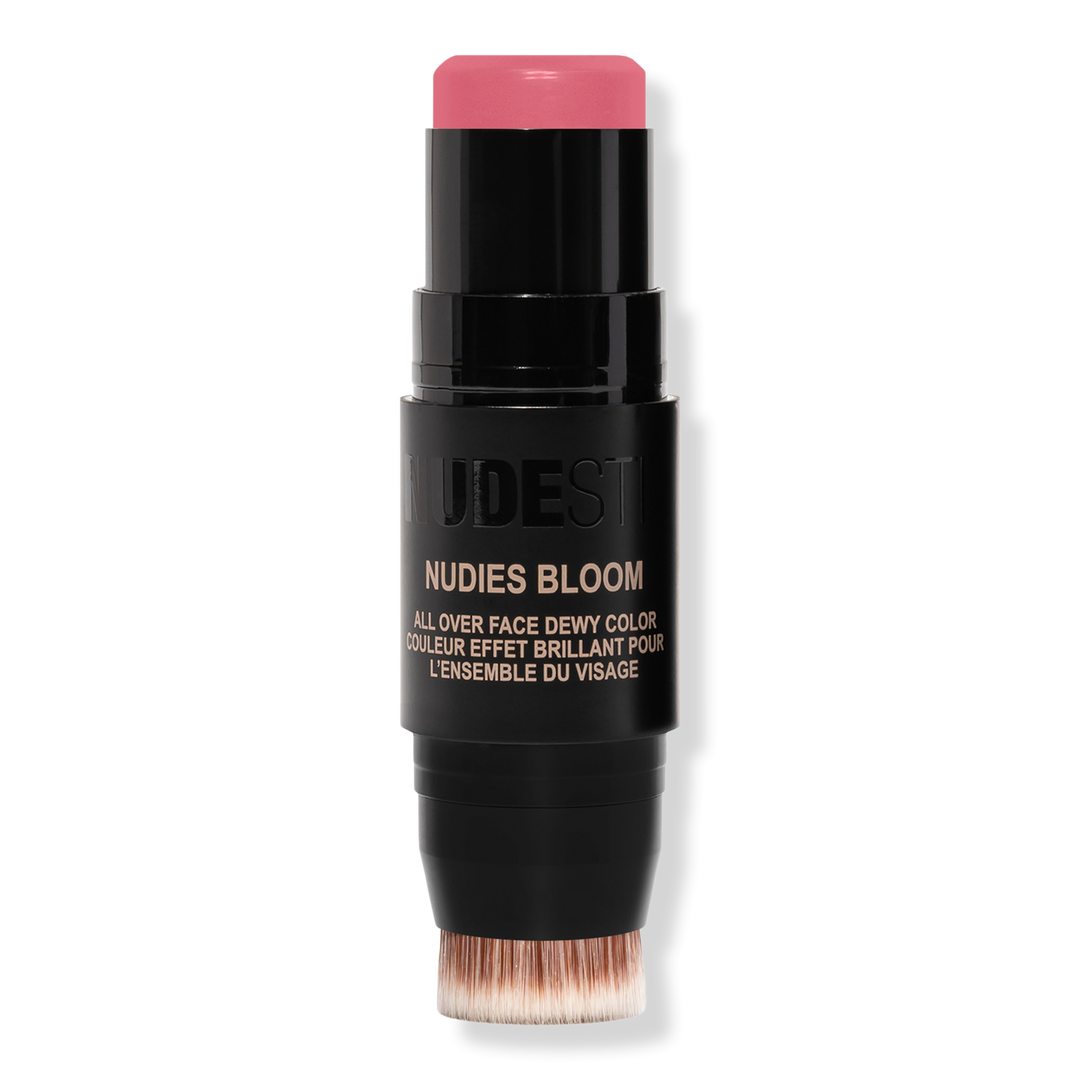
3 of 3: Best for Minimal Makeup and Multi-Use Application
Nudestix Nudies Bloom Soft Matte Blush & Glow
Cream Blush + Lip + Eye Color Stick | $37.00
Shop Nudestix Nudies Bloom at Ulta →
The Nudestix Nudies Bloom is a cream-to-powder stick that delivers a soft matte wash of color to cheeks, lips, and eyes from a single pencil-style format. The formula balances enough pigment for visible color while staying sheer enough to blend seamlessly with minimal effort. The finish dries down to a natural, skin-like matte that does not look flat or powdery — it reads as a flush of color from within rather than a product sitting on the surface.
The stick format is built for on-the-go application: swipe, blend with fingers, done. There are no loose powders, no brushes to clean, and no separate pots to open. For routines built around speed or a minimal kit, it removes several steps from the process. The slim pencil housing fits easily into a small bag or pocket, making it genuinely portable.
The Nudies Bloom works particularly well on dry, normal, or combination skin and over light bases such as tinted moisturizer or BB cream. The formula contains vitamin E and avocado oil, which provide enough slip to blend without the heavy, emollient feel of thicker balm sticks. Wear is suited to a standard work day or a few hours rather than all-day, high-activity demands.
Key specs: Cream-to-Powder Stick · Soft Matte Finish · Multi-Use (Cheeks, Lips, Eyes) · Vitamin E · Avocado Oil · Buildable Coverage · Fragrance-Free · Cruelty-Free · Vegan
Application Tip: Swipe the stick lightly two or three times across the apple of the cheek, then blend quickly with a fingertip using small circular motions. Work fast — the formula sets to a matte finish within about 30 seconds of application. For lips, apply directly from the stick and press together to distribute. For eyes, swipe onto the lid and blend with your fingertip before the formula sets.
What is powder blush?
Powder blush is a pressed or loose cheek color applied most often with a brush. Finishes range from matte and satin to luminous, with pigment levels that can vary from a sheer veil to a bolder flush.
Powder blush generally sits on top of your base rather than melting into it. That can make placement feel more precise, particularly when you use a brush shape that matches the size of the area you want to color.
Powder blush may be a good fit if you want:
- A soft-matte, satin or softly radiant finish
- Gradual color that can be built in thin layers
- More control over the size and shape of your blush placement
- A formula that pairs naturally with setting powder
- Less tackiness on the cheeks
Powder blushes to explore at Ulta Beauty
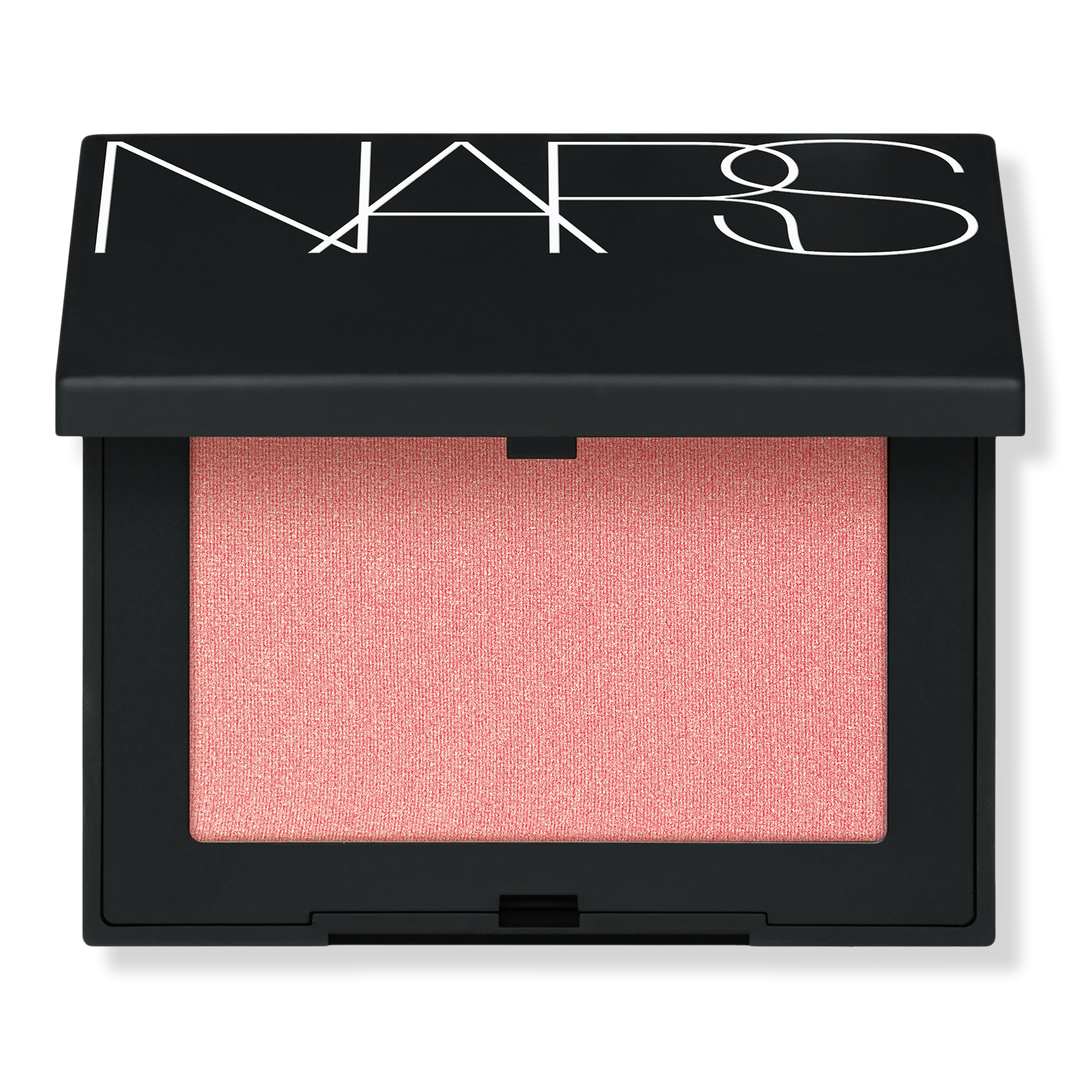
1 of 3: Best for a Classic Flush with Subtle Glow
NARS Blush in Orgasm
Pressed Powder Blush | $36.00
Orgasm is one of the most reviewed blush shades in the NARS lineup at Ulta. The warm peachy-pink base has subtle golden shimmer, fine enough to add dimension to the high points of the face without reading as glittery. The tone shifts between a golden peach flush and a warmer coral depending on the wearer's complexion.
The formula is finely milled and blendable without being chalky. A dome brush produces a diffused, natural flush; a tapered brush concentrates pigment for more definition. The pigment builds in layers without settling heavily into pores. Wear will vary by skin type, base preparation, and environmental conditions.
Key specs: Pressed Powder · Warm Peachy-Pink · Fine Golden Shimmer · Buildable Coverage · Satin Finish · Finely Milled
Application Tip: Tap your brush into the pan and swirl off the excess on the back of your hand before touching your face. Orgasm is more pigmented than it appears in the compact. Starting lighter and building up is easier than trying to soften an oversaturated application after the fact.
2 of 3: Best for Long Days and High-Movement Wear
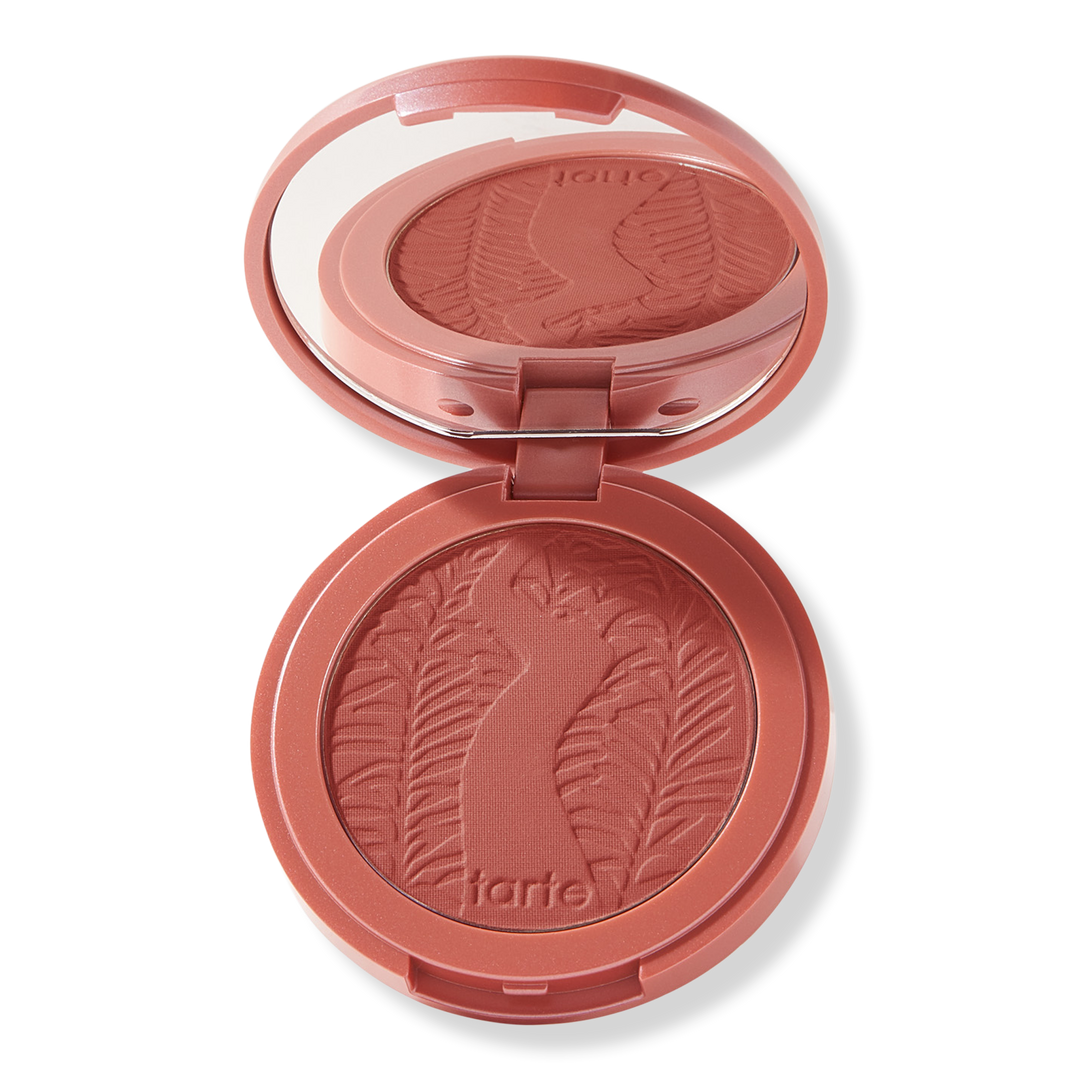
Tarte Amazonian Clay 12-Hour Blush
Long-Wear Pressed Powder Blush | $30.00
Shop Too Faced Love Flush Blush at Ulta →
The Tarte Amazonian Clay 12-Hour Blush is built around a single key ingredient: Amazonian clay, a fine-particle clay sourced from the Amazon River basin that is known for its ability to absorb excess oil and help powder formulas adhere to skin over time. The result is a pressed powder blush that Tarte states holds for up to 12 hours, with a finish that stays relatively even throughout the day rather than fading in patches or migrating into fine lines.
The formula is finely milled and blends smoothly without appearing chalky on the skin or settling heavily into pores. The clay-based base tends to control surface shine without looking flat, making it a practical option for oily or combination skin that needs both color and some oil management in a single step. It also layers cleanly over most base products, including creams and tinted moisturizers, without balling up or pilling.
The shade range is broad. The Flush shade (sku shown) is a rose berry — warm enough to read as a flush on medium to deep complexions and soft enough to blend easily on lighter skin. Other options across the range include Honeysuckle, Natural Beauty, Seduce, White Peach, Captivating, Blushing Bride, Paaarty, Enchanted, and Drama, covering a full spectrum from barely-there nudes to vivid berries. The formula is certified clean by Ulta Beauty's standards, cruelty-free, and vegan.
Key specs: Pressed Powder · Amazonian Clay Formula · 12-Hour Wear Claim · Finely Milled · Oil-Absorbing · Buildable Coverage · Satin Finish · Clean Ingredients · Cruelty-Free · Vegan
Application Tip: Tap a dome or fluffy blush brush lightly into the pan and swirl off any excess on the back of your hand before applying. The pigment is moderately concentrated, so starting with less and building is easier than trying to diffuse an oversaturated application. Apply to a lightly set base for the best wear; if your skin is dry, a light mist of setting spray after application can help the powder adhere and prevent any chalky appearance over drier areas.
3 of 3: Best for Sculpted, Luminous Cheeks
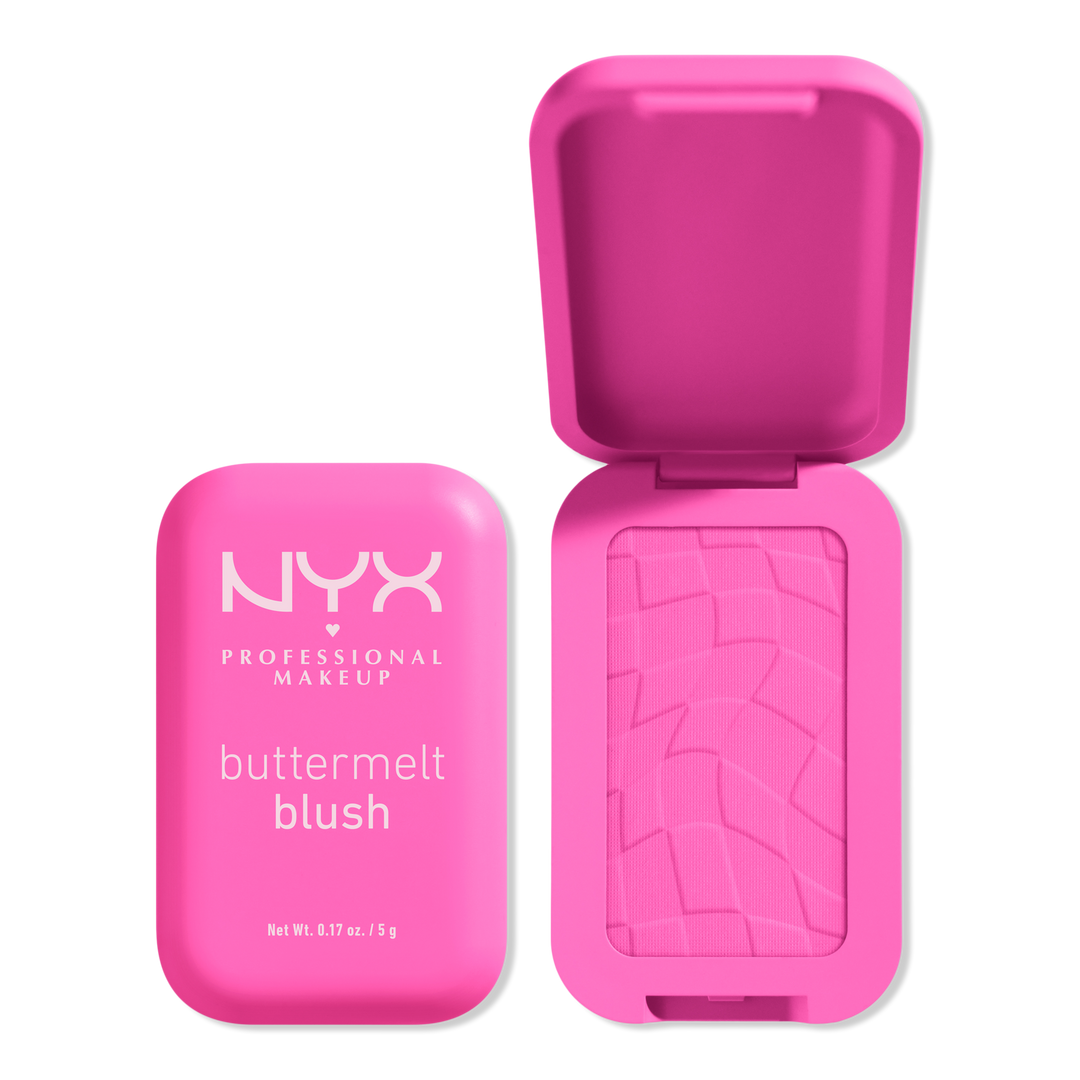
NYX Professional Makeup Buttermelt Pressed Powder Blush
Pressed Powder Blush | $40.00
Shop NYX Professional Makeup Buttermelt Pressed Powder Blush at Ulta →
The Buttermelt Pressed Powder Blush is a soft, buttery powder that melts into your cheeks for a warm wash of color. Sweep it across the apples and up toward your cheekbones, and you get a smooth flush that looks lived-in rather than dusted on. The powder feels weightless once it hits skin, so you skip that heavy, chalky vibe some blushes leave behind.
Since it's a powder, you build color at your own pace. Start with a light tap of product, blend it out, then keep layering until you land on the intensity you want. This go-slow approach keeps you in charge, a soft daytime glow or a bolder, sculpted look, your call.
The formula runs finely milled and blends without any patchy spots. It settles into a soft satin finish that catches light gently, so nothing reads powdery or dull. Pigment sits elevated across a range of skin tones, showing up as a real, warm flush instead of a flat block of color. The shade lineup leans into buttery, warm-toned hues, so check the current Ulta Beauty listing to find your match before you commit.
Key specs: Pressed Powder · Powder Blush · Satin Finish · Buildable Coverage · Finely Milled + Buttery Texture · Warm-Toned Shade Range
Application Tip: Grab a fluffy dome brush! Tap off the excess, then swirl the color onto the apples of your cheeks using small circular motions, building up as you go. For a lifted look, sweep the leftover product up toward your temple. Skip a dense, packed brush here, those pick up too much product at once and can drop a harsh stripe of color that's tough to blend back out.
One thing to keep in mind: powder can grab onto dry or texture spots when skin needs more moisture underneath. A hydrated base, a light hand and a soft, flexible brush keep the color looking even and smooth all day.
What’s the difference between cream blush and powder blush?
The biggest difference in cream blush vs powder blush is how each texture sits on your skin. Cream tends to merge with other creamy layers, while powder rests over them and can help reduce surface shine.
Here is the quick version:
- Choose cream for a dewy, fresh or natural-looking finish.
- Choose powder for a soft-matte finish or more structured placement.
- Try cream on dry skin when you want to avoid adding another powder layer.
- Try powder on oily skin when you prefer less surface slip.
- Layer both when you want the dimension of cream with the set feel of powder.
- Let your foundation formula guide the order in which you apply them.
Your application style matters too. If you like tapping makeup on with your fingers, cream can feel intuitive. If you enjoy using brushes and building color slowly, powder may feel more familiar.
Finish
Cream blush often leaves a dewy, satin or skin-like sheen. It can make the cheeks look freshly flushed because the edges tend to melt into the base.
Powder blush offers more finish options at the matte end of the spectrum. A luminous powder can still bring radiance, but the effect often looks softer and more diffused than the shine of a balmy cream.
Application and blending
You can apply cream blush with clean fingers, a sponge or a brush made for cream products. Fingers add warmth that can help soften the formula, while a sponge creates a sheer finish and a brush can offer more targeted placement.
Powder blush usually works well with a fluffy or angled cheek brush. A smaller brush keeps pigment concentrated, while a larger, airier brush spreads color over a wider area.
Pigment control
Both textures can be sheer or highly pigmented, so texture alone does not tell you how bold a blush will look. The difference is in how you adjust it.
With cream, start with a tiny amount and tap outward. With powder, tap excess product from your brush before touching your cheek, then build in light layers.
Wear and touch-ups
Wear depends on the specific formula, your skin prep, the weather and what you layer underneath. Cream blush may move more on oily skin or over a very moisturizing base, while powder may fade unevenly if it is placed over a tacky surface.
Cream can be handy for finger-applied touch-ups, but adding it over an already powdered face takes care. Powder is simple to refresh with a brush, though too many layers can start to look heavy.
Placement
Cream makes it easy to create rounded, softly blended color. It is especially useful when you want the blush to look fused with bronzer or skin tint.
Powder can give you sharper control over lifted, draped or sculpted placement. Brush size makes a noticeable difference, so choose one that is slightly smaller than the area where you want the color to sit.
Which blush is better for your skin type?
Skin type is a helpful starting point, not a strict rule. Formula, prep and personal preference can matter just as much.
Dry skin
Cream blush can feel comfortable on dry skin because it does not add another powder layer. Look for a formula with some glide, then tap it over moisturized skin rather than rubbing it back and forth.
Powder is still an option. Use a light layer of setting powder only where you need it, and choose a blush that does not look chalky or overly dry on your skin.
Oily skin
Powder blush may appeal to oily skin because it can leave less slip on the surface. Applying it over a lightly set base can also make placement more predictable.
You can absolutely wear cream. Try a cream-to-powder texture, use a small amount and set only the areas that tend to move. If your cheeks become shiny during the day, blot first instead of piling more product over oil.
Combination skin
Combination skin gives you room to mix textures based on where your skin behaves differently. You might wear cream on the higher, drier part of your cheeks and use a small amount of powder closer to areas that become oily.
Another option is to apply cream first and set it selectively with powder blush. This keeps some glow while giving high-movement areas a more set finish.
Skin with visible texture
Texture is normal, and blush does not need to hide it. If you want to draw less attention to bumps, pores or fine lines, consider a satin or soft-matte formula rather than one with noticeable sparkle.
Thin layers usually sit more smoothly than one heavy layer. Place the strongest color where your skin feels smoothest, then blend the remaining product across textured areas.
Sensitive or blemish-prone skin
Texture does not determine whether a formula will agree with your skin. Check the product label and ingredient list based on your known sensitivities, and stop using a product if irritation develops.
Clean tools matter here too. Wash reusable brushes and sponges regularly, avoid sharing them and keep fingers clean when applying blush from a pot.
Which blush is better for the finish you want?
For a dewy finish
Cream is usually the more direct route to glossy or freshly moisturized-looking cheeks. Apply it over skin tint or unset foundation, then leave the high point of the cheek unpowdered.
If the rest of your face needs setting, use a small brush to place translucent powder around the blush rather than over it. This keeps shine where you want it.
For a natural-looking finish
Either texture can look natural. Choose a cream close to your skin's natural flush, or use a sheer powder with a soft brush and blend until the edges fade into your base.
For the most believable placement, notice where your cheeks naturally change color. Start there, then blend slightly upward rather than creating a hard stripe.
For a soft-matte finish
Powder blush is a simple pick for a soft-matte cheek. Apply it over a lightly set base so the brush moves without grabbing.
A cream-to-powder formula can also work if you want finger application without a dewy finish. Give it time to set before deciding whether it needs another layer.
For bold color
Both formats can deliver vivid color. Powder lets you build intensity in controlled layers, while a pigmented cream can create rich color with a very small amount.
Keep the first placement concentrated, then blend only the edges. Sweeping bold pigment across a large area right away can make it harder to adjust.
For long makeup days
No blush texture has the same wear on every person, but thoughtful layering can help. Start with thin base layers, avoid excess skin care sitting on the surface and press blush on instead of repeatedly dragging it across your foundation.
For added hold, layer powder blush over a similar cream shade. You can shop cream, powder and liquid blush options at Ulta Beauty and filter based on finish, format and the kind of look you have in mind.
Can you use cream and powder blush together?
Yes, cream and powder blush can be worn together. Cream adds depth and a skin-like base, while powder can set the placement, shift the finish or add another tone.
Use the textures in this order:
- Apply your skin care and allow it to settle before starting makeup.
- Add foundation or skin tint, keeping the cheek area in a thin layer.
- Tap cream blush onto the cheeks and blend the edges.
- Set your complexion where needed with a light amount of face powder.
- Sweep powder blush over the cream using soft pressure.
- Check the result in natural light and blend the edges with a clean brush if needed.
The two blushes do not have to be identical. Pairing nearby tones can create dimension, such as a warm cream beneath a peachy powder. If the shades are very different, test the pairing on your hand first to see how the colors mix.
How to choose between cream and powder blush
Start with the result you want, then work backward through your routine. Your ideal blush should fit the way you already enjoy doing makeup rather than asking you to rebuild every step.
Ask yourself:
- Do I want glow, soft radiance or a matte finish?
- Does my base stay creamy, or do I set it with powder?
- Do I prefer fingers, a sponge or brushes?
- Do my cheeks feel dry, oily or different depending on the season?
- Do I want a quick wash of color or precise placement?
- Am I comfortable touching up, or do I want to set the color before leaving home?
Choose cream if you prefer tapping, melting and blending. Choose powder if you prefer sweeping, diffusing and gradually building. Keep both if your answer changes with the weather, your base makeup or your mood.
Pick cream blush when
- You wear skin tint, tinted moisturizer or minimal base makeup.
- You like cheeks with visible dew or a satin sheen.
- You prefer applying makeup with your fingers or a sponge.
- Your skin feels dry and you want to limit powder layers.
- You like soft edges that blend into bronzer or highlighter.
Pick powder blush when
- You regularly set your foundation with powder.
- You like matte, satin or softly luminous cheeks.
- You want placement that follows the shape of a brush.
- Your skin becomes oily and you prefer less slip.
- You enjoy building pigment a little at a time.
Keep both when
- Your skin changes with the season.
- You alternate between dewy and matte makeup.
- You want cream for casual looks and powder for precise placement.
- You like layered color with extra dimension.
- You want the option to set cream blush with a matching powder.
Common blush mistakes to avoid
Even a great formula can look off when the layers underneath are working against it. Most blush issues come down to excess product, incompatible textures or rushed blending.
- Applying too much at once: Begin with less than you think you need. It is easier to add color than remove it.
- Rubbing cream over foundation: Use tapping or pressing motions to reduce the chance of lifting your base.
- Brushing powder onto a wet surface: Let liquid and cream layers settle, or lightly set them first.
- Using a brush that is too large: An oversized brush can spread color beyond your intended placement.
- Layering over excess skin care: Give sunscreen and moisturizer time to settle, and remove any product that remains pooled on the surface.
- Correcting with more foundation: Buff the edge with a clean sponge or brush first. Adding a thick base layer can make the area look uneven.
- Ignoring lighting: Check your cheeks near a window when possible, since some indoor lights can soften or intensify color.
Tips for better blush application
A few small adjustments can make either texture easier to wear.
- Warm cream blush on the back of your hand before applying it to your face.
- Load powder onto both sides of your brush, then tap off loose excess.
- Start color slightly farther inward than your final placement, since blending spreads it outward.
- Use the leftover product on your tool to connect blush with bronzer rather than adding a fresh layer.
- Blend one cheek at a time if your cream formula sets quickly.
- Step back from the mirror to check balance instead of judging each cheek from a few inches away.
- If one side looks stronger, soften that side with a clean tool before adding more to the other cheek.
Frequently asked questions
Can I wear blush without foundation?
Yes. Apply blush over moisturized skin or sunscreen once the surface no longer feels wet. A sheer cream or lightly applied powder can add cheek color without a full base.
Should my blush match my lipstick?
It does not need to match exactly. Shades from the same color family can make the look feel connected, while contrasting tones can add more definition. Pay attention to how both colors look on your skin rather than relying only on the shade in the package.
Can I use lipstick as cream blush?
Only use a lip product on your cheeks if its label allows use on that area and the ingredients suit your skin. Some lip colors may feel heavy or stain quickly, so test a small amount before applying more broadly.
Why does blush look different on my skin than it does in the package?
Your skin tone, undertone and base makeup can all affect how a blush shade appears. Cream formulas may also look deeper before blending, while powder shades can become richer as you build them.
How often should I clean my blush brush or sponge?
Clean tools on a regular schedule based on how often you use them, and wash them sooner if they look or smell dirty. Follow the tool maker's care directions, rinse thoroughly and let tools dry fully before using them again.
Related Content: Makeup for Mature Skin, At Home Lash Extensions, Where to Apply Blush for Your Face Shape, How to Prevent Concealer From Creasing, Makeup Routine for Beginners, Cushion Foundations
Discover more Beauty Education guides and Makeup buying guides