Salicylic acid scalp treatment benefits
By Ulta Beauty Advisors · Published September 2026
All products featured are available at Ulta Beauty. Ulta Beauty Advisors select products independently. Prices and availability are subject to change.
Yes, an exfoliating scalp product can help when you have oily buildup and visible flakes. Salicylic acid helps loosen dead skin and residue so they can wash away more easily, but it may not address every reason your scalp is flaking.
The most useful salicylic acid scalp treatment benefits come down to two things: choosing a formula that suits your scalp and using it without overdoing it. This guide covers what salicylic acid does, who may like it, how to use it and when a different approach makes more sense.
What is a salicylic acid scalp treatment?
Salicylic acid is a beta hydroxy acid, often called a BHA. In scalp care, it works as a chemical exfoliant that helps loosen the bonds holding dead skin cells together.
That shedding action can make compacted flakes, excess oil and product residue easier to rinse away. Unlike a grainy scrub, salicylic acid does not rely on rough particles or vigorous rubbing to exfoliate.
You can find it in several scalp-friendly formats:
Pre-shampoo liquids and serums
Scalp masks
Exfoliating shampoos
Targeted treatments with nozzle applicators
Formulas that pair exfoliating ingredients with moisturizing or soothing ingredients
Salicylic acid is not the same as a dandruff-fighting ingredient. It can help remove visible flakes, but whether it addresses the underlying issue depends on why those flakes are showing up.
Salicylic acid scalp treatment benefits for buildup and flakes
Salicylic acid scalp treatments are mainly useful for exfoliation. They may be a good fit when oil, dry skin or styling residue creates a layer that regular shampoo does not fully lift.
Potential benefits include:
Loosening visible flakes so they rinse away with less scrubbing
Breaking up oily buildup around the roots
Helping remove residue from dry shampoo, gels, sprays and other styling products
Creating a cleaner-feeling base for shampooing
Reducing the heavy or coated feeling that buildup can leave behind
Offering a non-gritty option for scalp exfoliation
Results can vary based on the formula, how often you use it and what is causing the flakes. A scalp that feels oily and coated has different needs from one that feels tight, raw or very dry.
It can loosen compacted flakes
Some flakes sit loosely on the hair, while others cling to the scalp in small patches. Salicylic acid can help soften and release those stuck-on flakes, making them easier to remove during shampooing.
This does not mean you need to scratch or scrape them away. Gentle fingertip massage and a thorough rinse are usually kinder to your scalp than using your nails.
It can help with oil and styling residue
Natural oil can mix with sweat, dry shampoo and styling products at the roots. Over time, that combination may make hair feel greasy soon after washing or leave the scalp looking dull and coated.
An exfoliating treatment can help lift that layer before or during cleansing. If you use several root products between wash days, occasional scalp exfoliation may be particularly helpful.
It can support a more thorough wash
Buildup can make it harder for shampoo and water to reach the scalp evenly. Loosening residue first may help you cleanse more consistently across the hairline, crown and back of the head.
You still need to rinse well. Any exfoliating treatment, shampoo or conditioner left behind can contribute to a coated feeling.
The part that actually matters: why your scalp is flaking
Visible flakes do not all come from the same source. Salicylic acid may help remove them, but the best routine depends on what else you notice.
Use these clues as a starting point:
Oily, stuck-on flakes with heavy roots may point to oil and product buildup.
Fine, powdery flakes with a tight feeling may be linked to dryness.
Flakes that appear after a new product may signal that the formula does not agree with your scalp.
Thick, recurring patches or intense itching may need more than exfoliation.
Tenderness, broken skin or burning are signs to pause exfoliating products.
Think of salicylic acid as a cleanup step, not a universal answer. It can help clear what is sitting on the scalp, but it cannot tell you why the buildup or flaking keeps returning.
Who may like a salicylic acid scalp treatment?
A salicylic acid scalp product may suit you if your scalp becomes oily, coated or visibly flaky between washes. It can also be useful if you regularly apply products directly to your roots.
You may want to consider one if you:
Use dry shampoo several days in a row
Apply root sprays, gels, waxes or edge-control products
Have oily roots and visible surface flakes
Notice residue that remains after regular shampooing
Prefer chemical exfoliation to a grainy scalp scrub
Want an occasional reset after protective styling or extended time between washes
A stronger exfoliating routine is not automatically better. If your scalp is dry or reactive, a mild formula used less often may feel more comfortable than a concentrated leave-on treatment.
When salicylic acid may not be the right fit
Skip or pause salicylic acid when your scalp has open scratches, sores, sunburn or active irritation. Applying an acid to damaged skin may cause stinging and make the area feel more uncomfortable.
It may also be the wrong first step if your main concern is dryness rather than buildup. In that case, gentler cleansing, lukewarm water and fewer clarifying products may be more helpful.
Watch for these signs that your routine needs a reset:
Burning that continues after rinsing
New redness or swelling
Increased tightness or tenderness
More flakes after repeated use
Hair that feels unusually rough at the roots
An urge to scratch immediately after application
Stop using the product if it causes significant discomfort. Disclaimer: If flaking is severe, painful, persistent or accompanied by sores or hair loss, consult a licensed medical professional for personal guidance.
How to choose a salicylic acid scalp product
Start with the product format, not the biggest ingredient number on the label. The right choice is one you can apply evenly, rinse as directed and fit into your normal wash routine.
Pre-shampoo treatments
A pre-shampoo treatment goes directly onto the scalp before cleansing. It may work well if you want targeted application around the hairline, crown or other areas where buildup collects.
Look for a nozzle or dropper that lets you reach the scalp without coating every strand. Follow the label for timing rather than leaving the formula on longer in hopes of getting more exfoliation.
Exfoliating shampoos
An exfoliating shampoo combines the treatment and cleansing steps. This can be a practical choice if you want fewer steps or if your buildup is spread across the scalp.
Focus the lather at the roots and let the rinse carry suds through the lengths. Scrubbing the ends is usually unnecessary and may leave them feeling dry.
Scalp masks and rinse-out treatments
Masks tend to suit wash days when you have a little more time. Some combine salicylic acid with ingredients meant to help the scalp feel balanced after exfoliation.
Check where the product belongs in the routine. A scalp mask may go before shampoo, after shampoo or in place of another treatment, depending on its directions.
Leave-on formulas
Leave-on scalp formulas can offer precise application, but they stay in contact with the skin longer. Start slowly and avoid layering them with several other exfoliating products unless the labels say the combination is appropriate.
If a leave-on product makes your roots feel sticky or coated, you may prefer a rinse-out option. Texture matters because a product you enjoy using is easier to work into a consistent routine.
How to use a salicylic acid scalp treatment
Always follow the directions on your specific product. The steps below offer a general guide for rinse-out and pre-shampoo treatments.
Start with a calm scalp
Divide your hair into sections
Apply a small amount directly to the scalp
Massage with your fingertips
Leave it on only as directed
Rinse thoroughly
Shampoo if the formula requires it
Condition the lengths
How often should you exfoliate your scalp?
There is no single schedule that suits everyone. The product directions, your wash frequency and your scalp's response should guide you.
A practical approach is to begin less often and adjust only if your scalp remains comfortable. You may not need an exfoliating treatment at every wash, especially if you also use clarifying shampoo or other acid-based products.
Signs your current schedule may be working include:
Buildup rinses away without aggressive scrubbing
Your scalp feels clean but not tight
Flakes look less stuck to the roots
Hair does not feel unusually dry after washing
You are not noticing new burning, redness or tenderness
If your scalp feels stripped, space out treatments rather than adding more oil or heavy product to cover the discomfort. Too many layers can restart the buildup cycle.
Salicylic acid scalp products, available at Ulta Beauty
All products featured are available at Ulta Beauty. Prices and availability are subject to change. Check each product's directions before use.
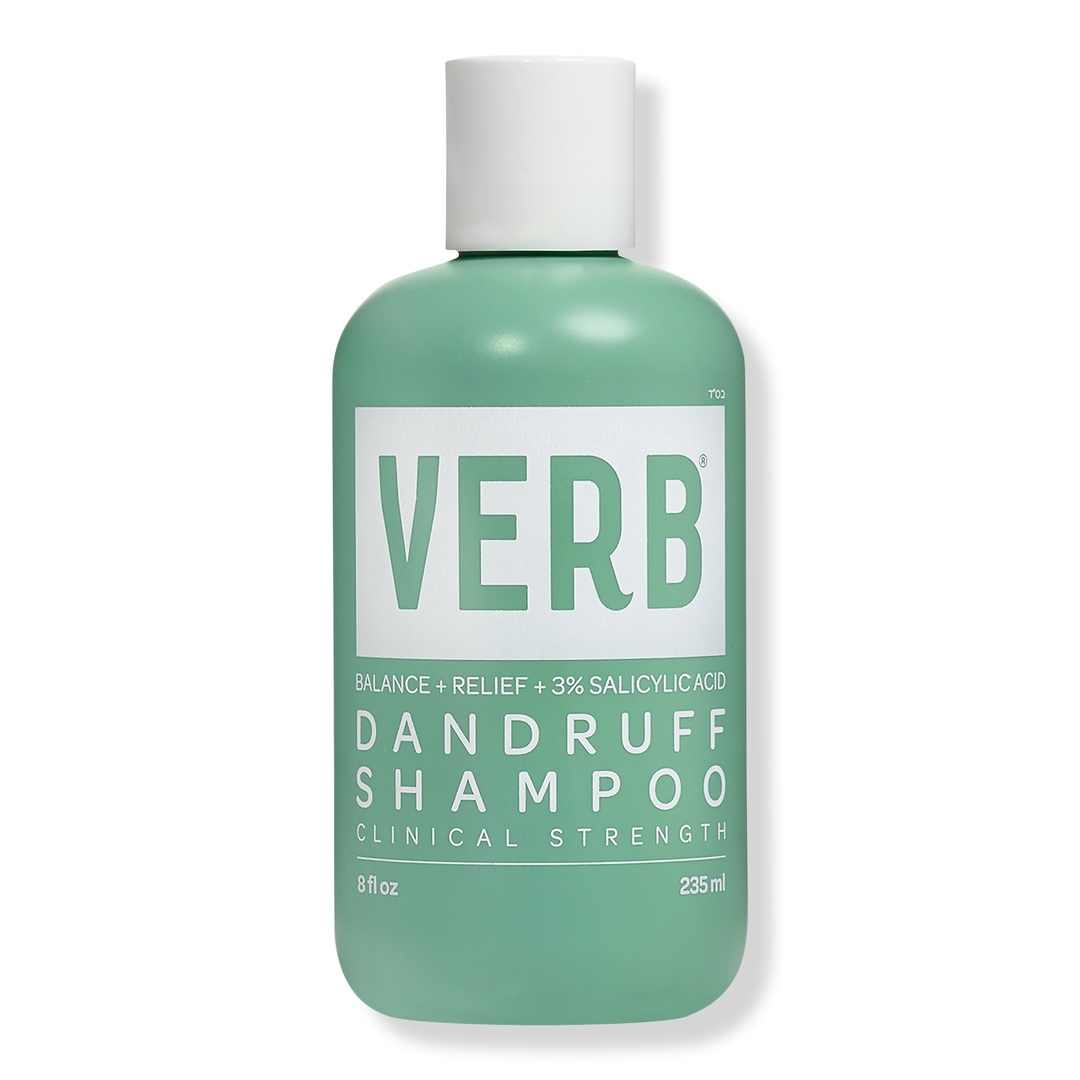
1 of 5: Best Salicylic Acid Dandruff Shampoo for a Simple Routine
Verb Dandruff Shampoo with Salicylic Acid for Dry and Flaky Scalp
3% Salicylic Acid Shampoo | $22.00 (8 oz)
Shop Verb Dandruff Shampoo at Ulta →
If you want your exfoliating step built into shampoo, Verb offers a 3% salicylic acid formula made for dandruff and a flaky, itchy scalp. The rinse-out format fits a straightforward wash routine, and its formula also includes glycerin and zinc PCA.
Massage it into wet hair and the scalp, leave it on for a few minutes, then rinse thoroughly, following the product label. This medicated shampoo addresses dandruff symptoms; it is a different choice from an occasional scrub for styling residue alone.
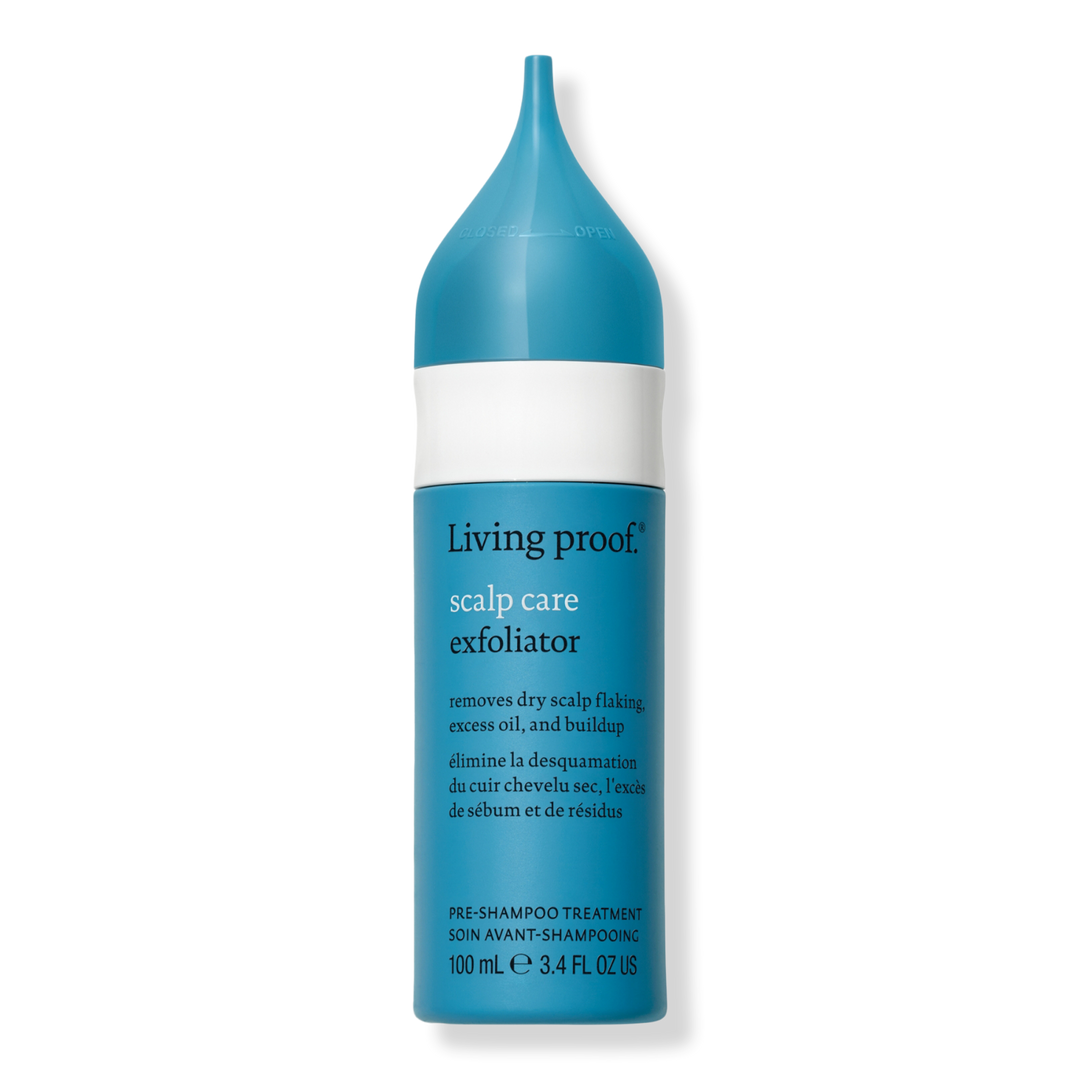
2 of 5: Best Pre-Shampoo Exfoliator for Buildup
Living Proof Scalp Care Exfoliator
Pre-Shampoo Scalp Exfoliating Serum | $42.00 (3.4 oz)
Shop Living Proof Scalp Care Exfoliator at Ulta →
Living Proof's nozzle applicator helps place the treatment directly on the scalp, which can be useful when buildup collects along parts or at the crown. Its exfoliating blend includes glycolic, BHA and PHA ingredients; the brand positions it for dry-looking flakes and excess oil.
Apply before shampooing on wet or dry hair, massage to distribute, wait five minutes and rinse as directed. It suits someone who wants a targeted pre-wash step without a gritty scrub.
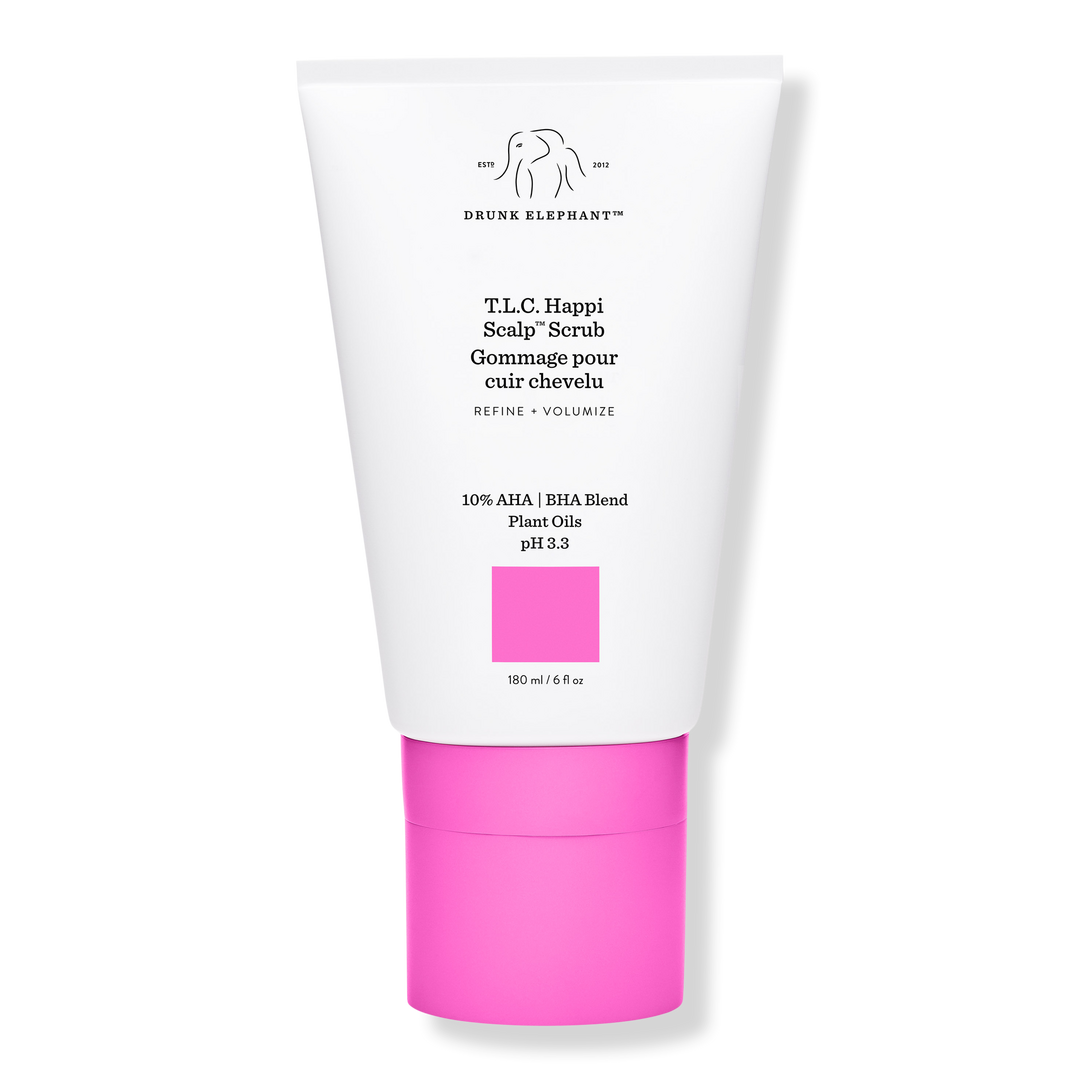
3 of 5: Best Acid-and-Scrub Wash-Day Treatment
Drunk Elephant T.L.C. Happi Scalp Scrub
AHA/BHA Pre-Shampoo Scalp Scrub | $39.00 (6 oz)
Shop Drunk Elephant T.L.C. Happi Scalp Scrub at Ulta →
This pre-shampoo treatment combines an AHA/BHA blend with plant-cellulose exfoliating beads to tackle dead skin and styling buildup. Salicylic acid appears in its ingredient list, but it is one part of a broader exfoliating formula rather than the sole active.
The brand directs users to massage it onto a dry scalp, leave it for 10 minutes and rinse before shampooing. Because it combines acids and physical exfoliation, keep your touch light and avoid stacking it with another scrub in the same wash.
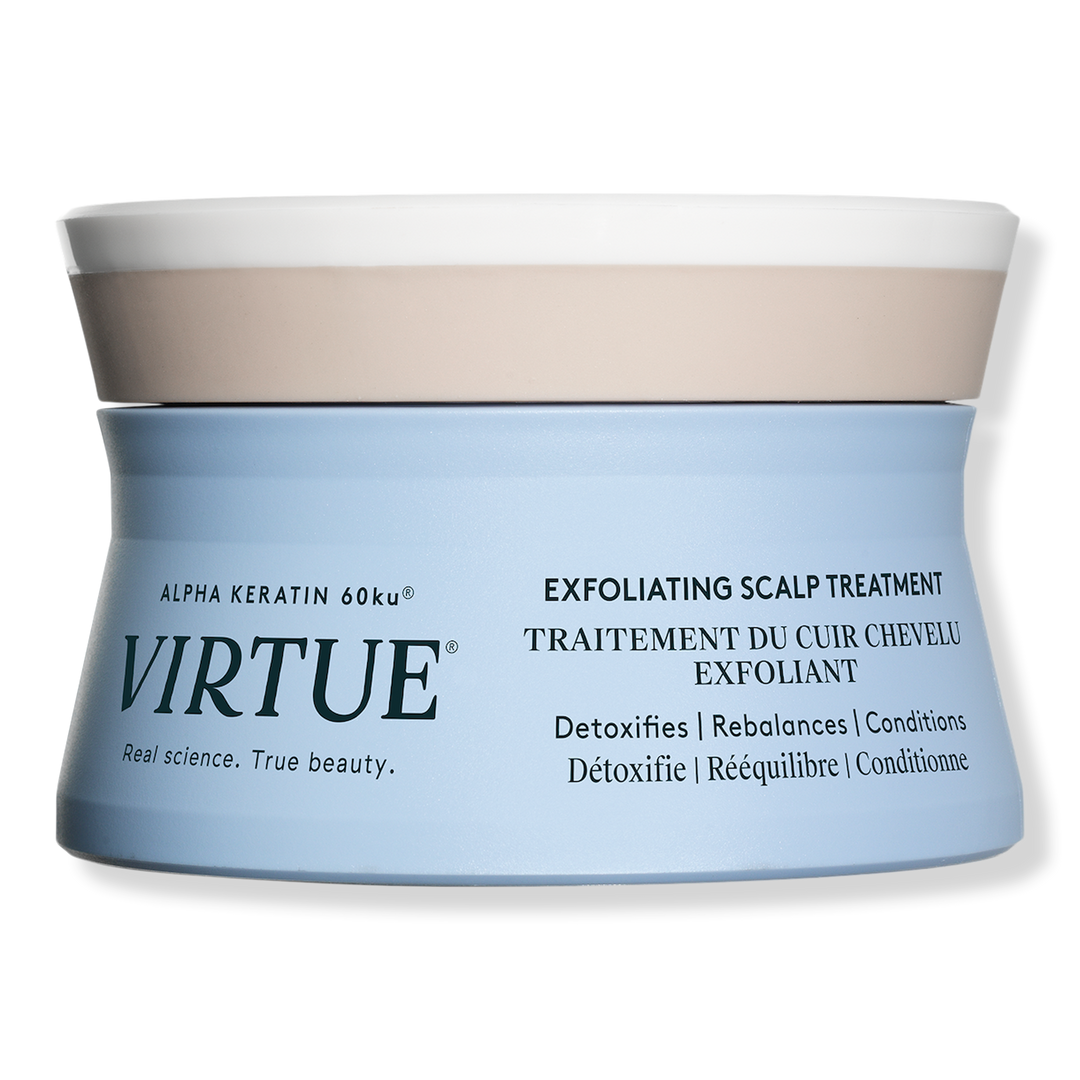
4 of 5: Best Exfoliating Scalp Treatment With Conditioning
Virtue Balancing, Clarifying & Exfoliating Scalp Treatment
Exfoliating and Conditioning Scalp Treatment | $52.00 (5 oz)
Shop Virtue Exfoliating Scalp Treatment at Ulta →
Virtue's whipped scalp treatment pairs salicylic acid with rice powder and conditioning ingredients. That makes it an option for someone who wants to loosen residue and surface flakes while adding a conditioning step to the routine.
It is still an exfoliant, so follow the label rather than using it alongside other strong scalp peels. Choose it for a treatment-style wash day, especially if a shampoo alone leaves your scalp feeling coated.
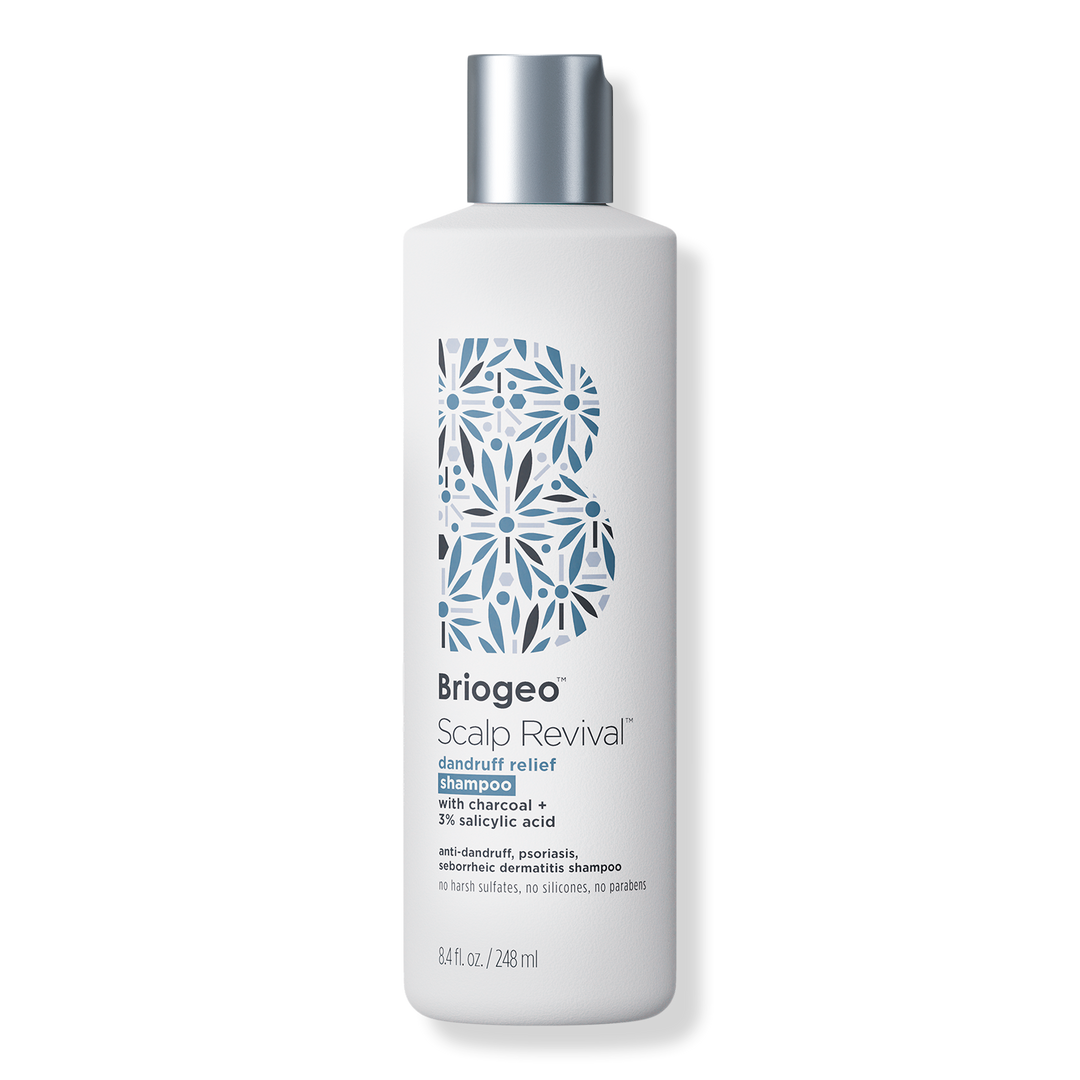
5 of 5: Best Shampoo for Persistent Dandruff Symptoms
Briogeo Scalp Revival Dandruff Relief Shampoo
3% Salicylic Acid Dandruff Shampoo | $42.00 (8.4 oz)
Shop Briogeo Scalp Revival Dandruff Relief Shampoo at Ulta →
Briogeo uses 3% salicylic acid as the medicated active in this shampoo, alongside lactic acid and moisturizing sodium PCA. It is positioned for scalp flaking and itching associated with dandruff, rather than just the heavy feeling left by styling products.
Massage into wet hair and the scalp with your fingertips, then rinse thoroughly according to the label. If flakes are severe, painful or keep returning, speak with a medical professional instead of relying on exfoliation alone.
Frequently asked questions
Can salicylic acid scalp treatments fade hair color?
Any deep-cleansing routine may affect how fresh color looks, depending on the formula and how recently you colored your hair. Check for color-safe labeling and follow your color product's aftercare directions before adding an exfoliating treatment.
Can I put a salicylic acid face toner on my scalp?
It is better to choose a formula made for scalp use. Facial toners may contain alcohol, fragrance or other ingredients at levels that do not suit your scalp or hair, and their applicators may make even coverage difficult.
Can I blow-dry my hair after using a scalp exfoliant?
Yes, if your scalp feels comfortable after rinsing. Use moderate heat and keep the dryer moving if your scalp tends to feel dry or sensitive.
Will salicylic acid change my hair texture?
Salicylic acid does not permanently change your natural curl pattern or strand shape. However, a strong or frequently used formula may leave hair feeling drier, which can temporarily affect softness and definition.
Related Content: What is Scalp Serum, Curly Hair Care Routine, Best Scalp Treatments, Root Lifting Texture Spray vs Mousse, What is Co-Wash?, What is Hair Porosity?, How to Stop Greasy Hair, Hair Toner for Bleached Hair, What is an Ionic Hair Dryer, Best Sea Salt Sprays, Protein vs Deep Conditioner Treatment For Hair
Explore more Hair Care Buying Guides and Beauty Education Articles