How to clean makeup brushes?
Your step-by-step guide to brushes that feel brand new.
By Ulta Beauty Advisors · Published February 2026 · Updated October 2026
All products featured are available at Ulta Beauty. Ulta Beauty Advisors select products independently. Prices and availability are subject to change.
To clean makeup brushes properly, wet the bristles under lukewarm water with the tips pointing down, work a small amount of brush cleanser into the bristles using your palm or a silicone cleaning mat, rinse until the water runs completely clear, gently squeeze out excess moisture, reshape the brush head, and lay flat to dry. Many makeup artists recommend cleaning brushes used with liquid or cream formulas after every one to two uses, while powder brushes can generally go one to two weeks between full washes, though individual routines may vary. At Ulta Beauty, you will find a full range of makeup brush cleaners and cleaning tools suited to every brush type and routine.
Keeping your makeup brushes clean is one of the most practical habits in any beauty routine. Dirty brushes accumulate bacteria, oils, and old product over time, which can cause breakouts, uneven application, and muddy color payoff. This guide covers how often to clean each brush type, the correct technique for a thorough deep clean, and the best products available at Ulta Beauty to make the process faster and more effective.
Why cleaning makeup brushes matters
Every time you use a brush, it picks up makeup residue along with skin oils and dead skin cells. Without regular cleaning, that buildup creates conditions for bacterial growth. Transferring that buildup back onto your skin may contribute to clogged pores, irritation, and breakouts, a risk commonly cited by dermatologists and skincare professionals.
Clean brushes also apply makeup more accurately. A foundation brush loaded with old product blends unevenly. A powder brush saturated with previous color deposits inconsistently, regardless of the shade you are applying. A clean brush picks up product more precisely and moves it more smoothly.
Regular cleaning offers four practical benefits:
Skin health: Reduces transfer of bacteria, oils, and old product to your skin during application
Better application: Clean bristles blend more evenly and pick up product more accurately
True color payoff: No leftover pigment mixing into the shade you are currently applying
Brush longevity: Removing buildup preserves bristle integrity and adhesive strength, extending the life of your brushes
How often should you clean makeup brushes?
Cleaning frequency depends on the formula your brush is used with and how often you use it.
Foundation and concealer brushes: We recommend cleaning these after every one to two uses. Liquid and cream formulas accumulate quickly and create conditions most favorable for bacterial growth.
Eye shadow brushes: Once a week for brushes used with pressed or loose powder shadows. Brushes used with cream eye shadow or liner should be cleaned more frequently.
Lip brushes: After every use. Lip products carry a higher contamination risk from direct contact.
Powder brushes (blush, bronzer, setting powder): Every one to two weeks, or sooner if you notice color transfer affecting your application.
All brushes, monthly: A thorough deep clean at least once a month removes deeply embedded product and fully sanitizes the bristles regardless of how often you spot clean.
How to deep clean makeup brushes step by step
A thorough deep clean removes product buildup and sanitizes the bristles from base to tip.
Wet the bristles, tips down: Hold the brush with bristles pointing toward the drain under lukewarm running water. Keep the tips pointed down throughout the entire process. Water that travels up into the ferrule, the metal band connecting the bristles to the handle, softens the adhesive over time and leads to bristle shedding.
Apply cleanser: Dispense a small amount of brush cleanser onto your palm or a silicone cleaning mat. A formula made specifically for makeup brushes is the most effective option. A gentle, sulfate-free shampoo works as an alternative.
Work the cleanser into the bristles: Swirl the bristles into the cleanser using circular motions. On a silicone mat, the textured surface agitates the bristles and lifts product from deeper within the brush head. On your palm, use gentle pressure and small circular movements. You will see color and product lifting away as you work.
Rinse thoroughly: Continue rinsing the bristles, tips down, under lukewarm running water until the water runs completely clear and no lather remains.
Remove excess water: Gently squeeze the bristles from the base toward the tips using your fingers or a dry towel. Do not wring or twist.
Reshape and dry flat: Reshape the brush head back to its original form. Lay brushes flat on a clean towel or hang them bristles-down on a brush drying rack. Never stand a wet brush upright, which allows water to pool in the ferrule and weakens the adhesive. Allow brushes to dry completely before use; dense face brushes often take around 6 to 8 hours as a general estimate, so plan accordingly.
Best makeup brush cleansers
The right brush cleanser removes product residue without stripping bristles of their conditioning. For regular use, look for alcohol-free formulas, as repeated alcohol exposure dries and damages natural hair bristles over time. Synthetic bristle brushes tolerate both alcohol-based and non-alcohol cleansers well.
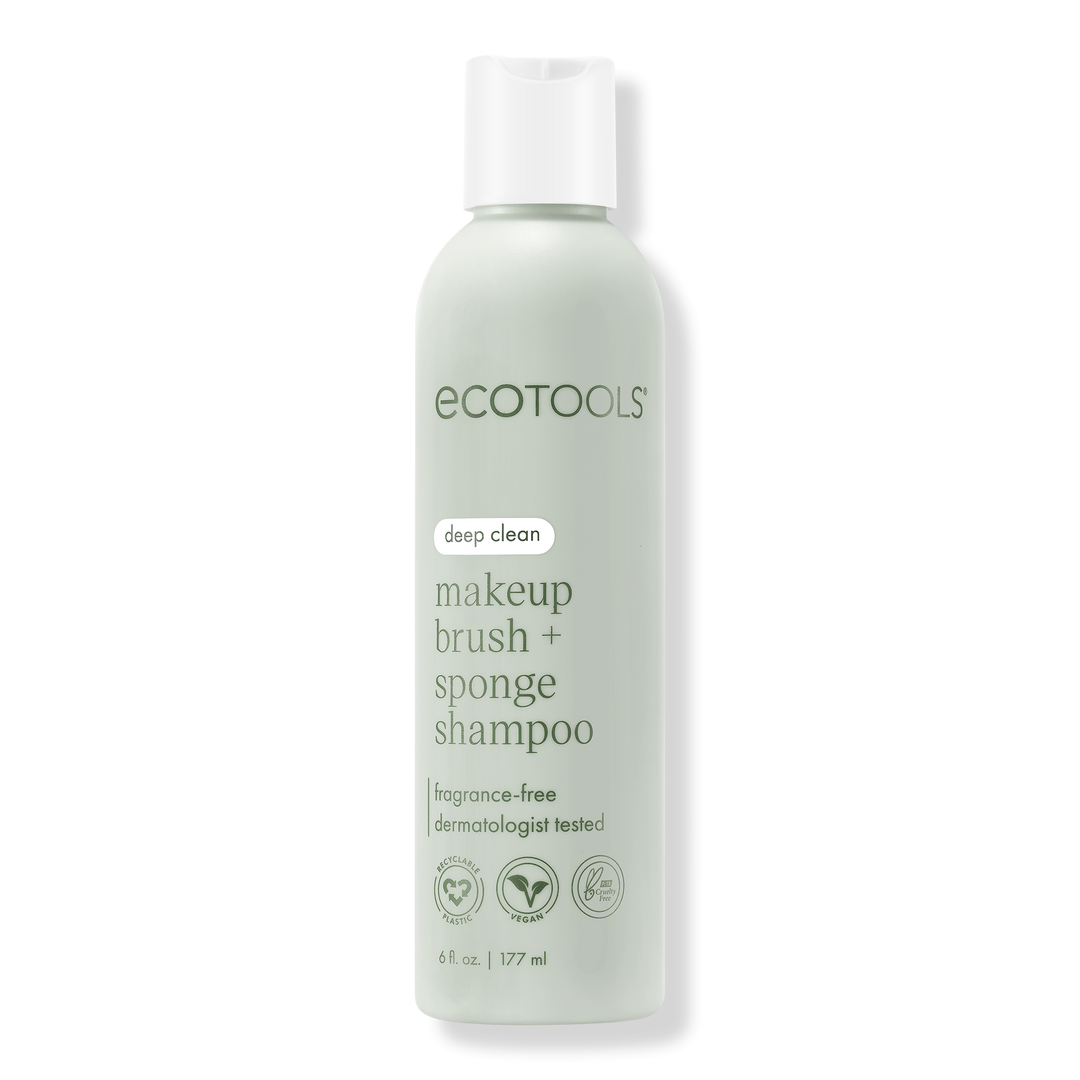
EcoTools Makeup Brush + Sponge Shampoo
Gentle plant-based brush and sponge cleanser | $10.00
Shop EcoTools Makeup Brush + Sponge Shampoo at Ulta →
EcoTools Makeup Brush + Sponge Shampoo is formulated with plant-based ingredients that rinse clean without leaving residue on the bristles. The formula lathers well, making it easy to see when all the product has been removed, and it conditions bristles rather than stripping them. It works on both synthetic and natural hair brushes and leaves no oily film that would interfere with product pickup after drying. At a price that makes frequent washing practical, it is a strong everyday choice for brushes you clean throughout the week.
Key specs: Plant-Based Formula · Alcohol-Free · Works on Brushes and Sponges · No Oily Residue · Conditions Bristles
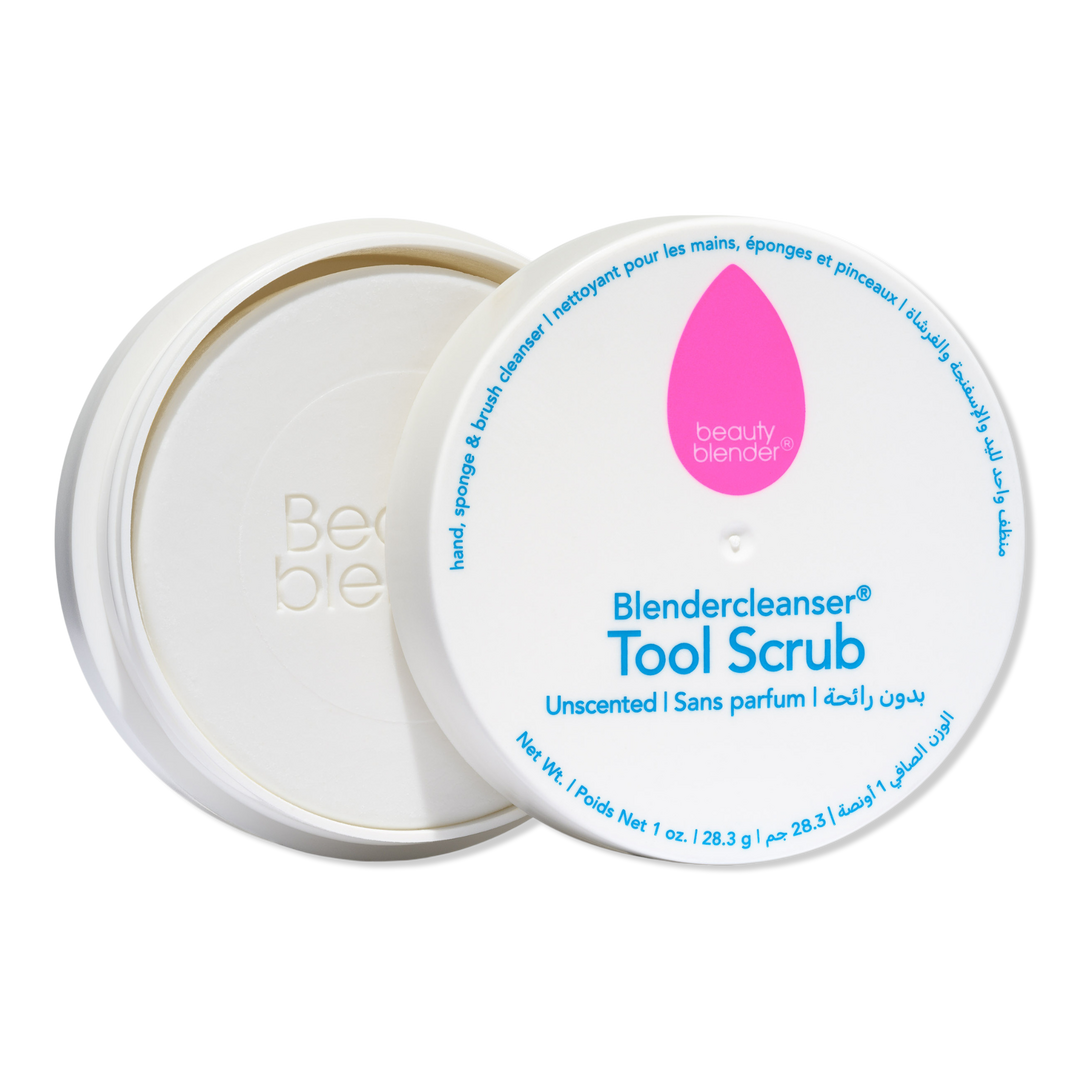
beautyblender Tool Scrub Blendercleanser Solid
Solid cleansing bar for makeup brushes and sponge applicators | $20.00
Shop beautyblender Blendercleanser Solid at Ulta →
The beautyblender Blendercleanser Solid is a compact cleansing bar designed to work on both makeup brushes and sponge applicators. The solid format eliminates product waste from dispensing and travels without any spill risk. Work a wet brush or damp sponge directly into the bar to generate a lather, then proceed with the standard rinse and dry routine. The formula removes foundation, concealer, and eye product thoroughly while conditioning bristles through repeated use. For anyone who prefers a low-mess cleaning setup, the solid format has a clear advantage over liquid cleansers. As with all products featured in this guide, price and availability should be confirmed at ulta.com, as they are subject to change.
Key specs: Solid Format · Travel-Friendly · Works on Brushes and Sponges · Conditions Bristles · No Measuring or Dispensing
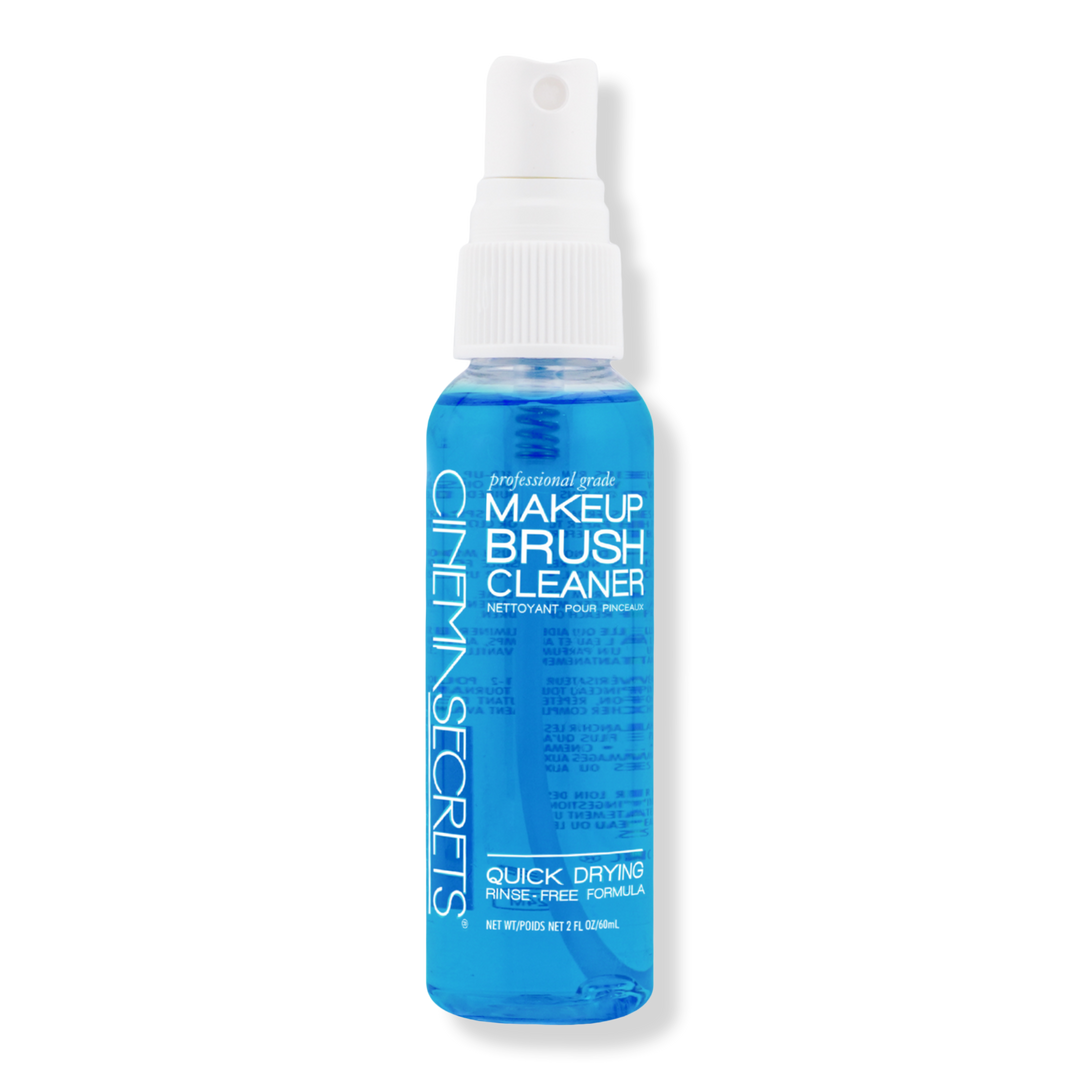
Cinema Secrets Original Makeup Brush Cleaner Spray
Rinse-free spray cleanser that dries brushes almost instantly | $15.00
Shop Cinema Secrets Original Makeup Brush Cleaner Spray at Ulta →
Cinema Secrets Original Makeup Brush Cleaner Spray removes stubborn waterproof and long-wear makeup without water or rinsing, leaving brushes dry to the touch almost instantly. Hold the sprayer one to two inches from the brush, spray directly onto the bristles while rotating, then gently wipe clean with a paper towel or cloth, repeating as needed. The formula carries a pleasant vanilla scent and is formulated without sulfates, mineral oil, silicones, or animal byproducts, making it a practical option for switching between shades on the same brush without waiting through a full wash and dry cycle. Because the bottle is refillable, it also cuts down on repeat packaging waste for a cleanser used often. Important safety note: this is a flammable, alcohol-based formula. Keep it away from heat sources and open flame, and use only as directed on the manufacturer's label. It is not intended for use on skin.
Key specs: Rinse-Free · Quick Drying · Refillable · Vanilla Scent · Sulfate-Free
Best makeup brush cleaning tools
A cleaning tool works alongside your cleanser to agitate product more thoroughly from the bristles than a palm alone. Silicone surfaces are firm enough to lift pigment from dense brush heads without pulling or damaging individual bristles.
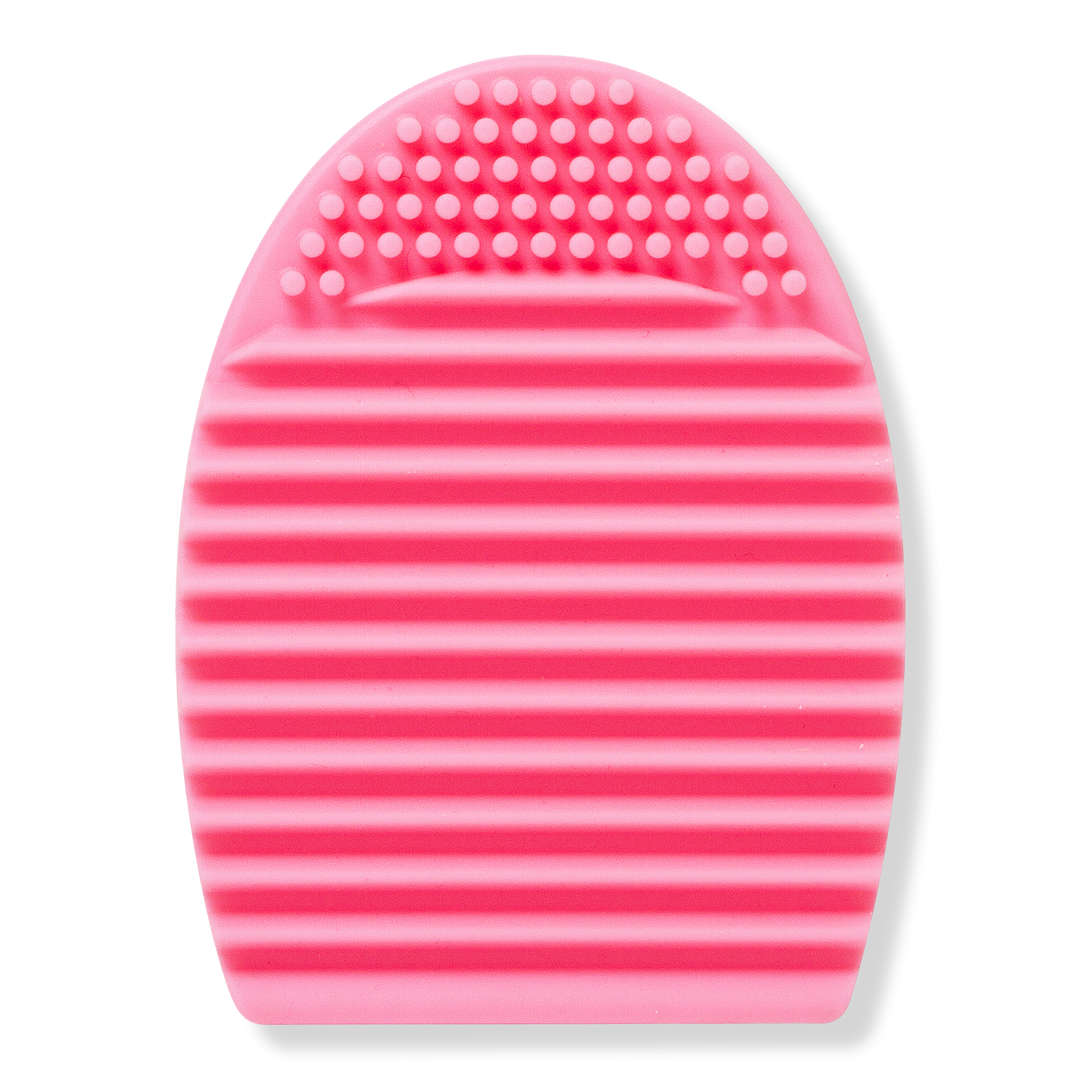
1 of 2: Best on-the-go cleaning pad
J.Cat Beauty Silicone Brush Cleaner
Compact silicone cleaning mat | $4.99
Shop J.Cat Beauty Silicone Brush Cleaner at Ulta →
The J.Cat Beauty Silicone Brush Cleaner fits over your fingers and features different textures for different brush types. The larger ribbed surfaces work well for dense face brushes. The narrower channels work with smaller eye brushes for more controlled cleaning. Because the glove fits your fingers, you have more control over angle and pressure compared to a flat pad. The silicone material rinses clean after each use and dries quickly. It handles both liquid formula residue and dry powder buildup effectively.
Key specs: Face and Eye Brush Textures · Fits Over Fingers for Grip and Control · Rinses Clean · Dries Quickly

EcoTools Makeup Brush Cleansing Pad
Reusable 100% silicone suction-cup cleaning mat | $8.50
Shop EcoTools Makeup Brush Cleansing Pad at Ulta →
The EcoTools Makeup Brush Cleansing Pad is a reusable, 100% silicone cleaning mat built with a suction cup base that holds it steady in the sink during use. Swirl a brush in circular motions over the textured pad to activate cleanser into a rich lather, reaching bristles more thoroughly than washing on your palm alone, then rinse the brush completely and lay flat to dry. It pairs well with a liquid brush shampoo such as EcoTools Makeup Brush + Sponge Shampoo, sold separately. The pad itself cleans easily with warm water, is durable enough for repeat use, and comes in FSC-certified compostable paper packaging.
Key specs: 100% Silicone · Suction Cup Base · Textured for Deep Cleaning · Reusable · Compostable Packaging
How to quick-clean brushes between uses
A full wash and dry cycle is not always practical. A quick-clean approach removes enough surface product to switch formulas or colors without waiting hours for drying.
For powder brushes, press and swirl the bristles against a clean section of dry paper towel. Most surface product lifts with this step alone.
For liquid and cream brushes, use a fast-drying spray cleanser or an alcohol-based solution like Cinema Secrets. Swirl the brush in a small amount of cleanser, press the bristles flat against a paper towel, and repeat until the towel comes away clean.
Quick cleaning supplements a regular full wash routine but does not replace it. Brushes used daily with liquid and cream formulas still need a thorough wash and dry at least once a week.
How to clean glitter and shimmer off brushes
Pressed shimmer and glitter particles adhere more stubbornly than matte powder. Start with a cleansing oil or balm applied directly to dry bristles before moving to your regular wash. Work a small amount into the brush head to break down the adhesive holding the glitter, then proceed with the deep clean steps using your regular brush cleanser. The oil step makes glitter significantly easier to rinse away and reduces the number of wash cycles needed to clear the bristles completely.
How to keep brushes clean when traveling
When a sink is not convenient, a travel-size spray cleanser handles light cleaning on the go. Spritz the formula onto the bristles, press onto a clean tissue or towel, and repeat until color transfer stops. For travel brush care, pack:
A travel-size liquid or solid cleanser
A small foldable silicone cleaning mat
Brush guards or a brush roll to protect clean bristles from contamination in your bag
Tips for keeping brushes clean longer
Store brushes with bristles up or in a roll: Brush guards and rolls protect bristle shape between uses and prevent cross-contamination from other tools in your bag.
Avoid dipping brushes back into product containers: Dispense foundation, concealer, or other liquid products onto a clean palette or the back of your hand first. This limits how much product, skin oil, and bacteria enters your brush with each use.
Let brushes dry fully before putting them away: A damp brush stored in a closed bag or case traps moisture and accelerates bacterial growth on the bristles.
Handle natural bristle brushes gently: Natural hair bristles are more susceptible to damage from rough cleaning and repeated alcohol exposure. Use a gentle liquid formula and keep water away from the ferrule during washing.
Frequently asked questions
How do you know when a makeup brush needs cleaning?
If the brush transfers color from a previous use when you pick up a new product, or if the bristles feel stiff, rough, or sticky, it needs cleaning. A noticeable smell from the bristles can be a sign of bacterial buildup, and the brush should be washed promptly.
Can you use dish soap or regular shampoo to clean makeup brushes?
A mild, sulfate-free shampoo works as an alternative when a dedicated brush cleanser is not available. Baby shampoo is commonly recommended for brushes with natural hair bristles because of its gentle formula. Dish soap is widely understood to be formulated for cutting through grease, and many beauty professionals note that it may strip and dry out natural bristles over repeated use.
How do you dry makeup brushes without ruining the shape?
Lay brushes flat on a clean dry towel or hang them bristles-down on a brush drying rack after reshaping the brush head. Avoid drying brushes standing upright in a cup, which allows water to pool in the ferrule. Avoid using a hair dryer, since concentrated heat softens the adhesive inside the ferrule.
How long do makeup brushes take to dry?
Dense face brushes such as powder and foundation brushes typically need 6 to 8 hours to dry completely. Smaller eye brushes usually dry within 2 to 4 hours. Washing brushes the evening before you plan to use them is the most reliable approach.
What is the difference between spot cleaning and deep cleaning brushes?
Spot cleaning uses a fast-drying solution to remove surface product from bristles quickly without using water. It is best used between formula switches or to extend time between full washes. Deep cleaning involves water, a cleanser, and a complete dry cycle that removes product from deeper within the bristles and sanitizes more thoroughly. Spot cleaning alone is not sufficient for brushes used daily with liquid or cream formulas.
The information in this guide is for general educational purposes only. For specific concerns about your skin or makeup tools, consult a beauty professional or dermatologist. Always follow the care instructions provided by the manufacturer to ensure the longevity and effectiveness of your brushes.
Related Content: Best Makeup Brushes, Makeup for Mature Skin, At Home Lash Extensions, How to Know Your Foundation Undertones, How to Prevent Concealer From Creasing, Makeup Routine for Beginners, Cushion Foundations
Discover more Beauty Education guides and Makeup buying guides