Fall hair care routine: What to change and why
By Ulta Beauty Advisors · Published September 2026
All products featured are available at Ulta Beauty. Ulta Beauty Advisors select products independently. Prices and availability are subject to change
As the weather turns, your hair care routine needs to change with it. Lower humidity and drier indoor heat pull moisture out of your strands. In short: swap in more moisturizing, anti-frizz formulas, add a weekly deep-conditioning step, and dial back anything that strips natural oils. The sections below walk through what to change, why it matters, and which products at Ulta can help.
Why your hair care routine needs a fall reset
Summer hair care is built around managing oil, sun exposure, and chlorine or salt water. Fall flips the script. Indoor heating and cooler, drier outside air both reduce the moisture in the environment, and your hair (and scalp) pull double duty trying to compensate. You may notice more static, more frizz that feels dry rather than humidity-driven, and hair that takes longer to feel "finished" after styling.
This is also when a lot of people are coming off a summer of sun exposure, chlorine, and lightening treatments, so hair may already be more porous and prone to dryness than usual. A fall routine reset is really about rebuilding moisture and resilience before winter makes the problem worse.
What to change first: your shampoo and conditioner
If you only update one thing this season, update your cleansing step. A shampoo built for oil control or clarifying in summer can be too stripping once the air dries out. Look for:
Sulfate-free or gentle formulas that clean without over-stripping natural oils
Moisture-focused ingredients like glycerin, shea butter, or hyaluronic acid
A matching conditioner that reinforces the moisture the shampoo adds back
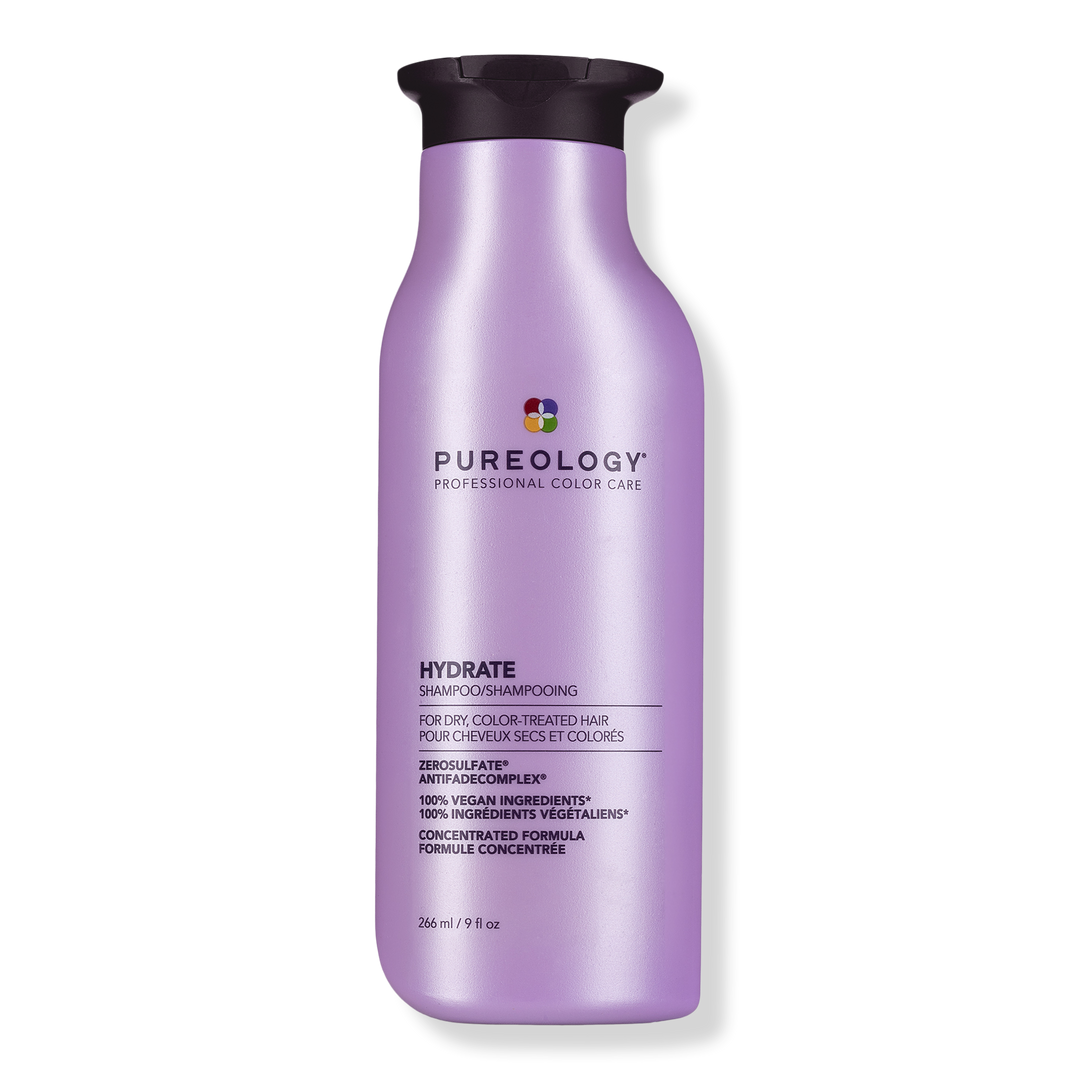
1 of 3: Best shampoo for the fall moisture switch
Pureology Hydrate Shampoo For Dry Hair
Sulfate-free moisturizing shampoo | $39.00
Shop Pureology Hydrate Shampoo at Ulta →
Pureology's Hydrate line is built specifically for dry, dehydrated hair, which makes it a practical fall swap if your current shampoo is leaving hair feeling brittle or straw-like. The sulfate-free formula cleanses without over-stripping, while glycerin and conditioning agents help replace moisture lost to drier air. It's also color-safe, which matters if you're coloring less often this season but don't want to undo the color you have.
Key specs: Sulfate-Free · Color-Safe · For Dry, Dehydrated Hair · Daily Use
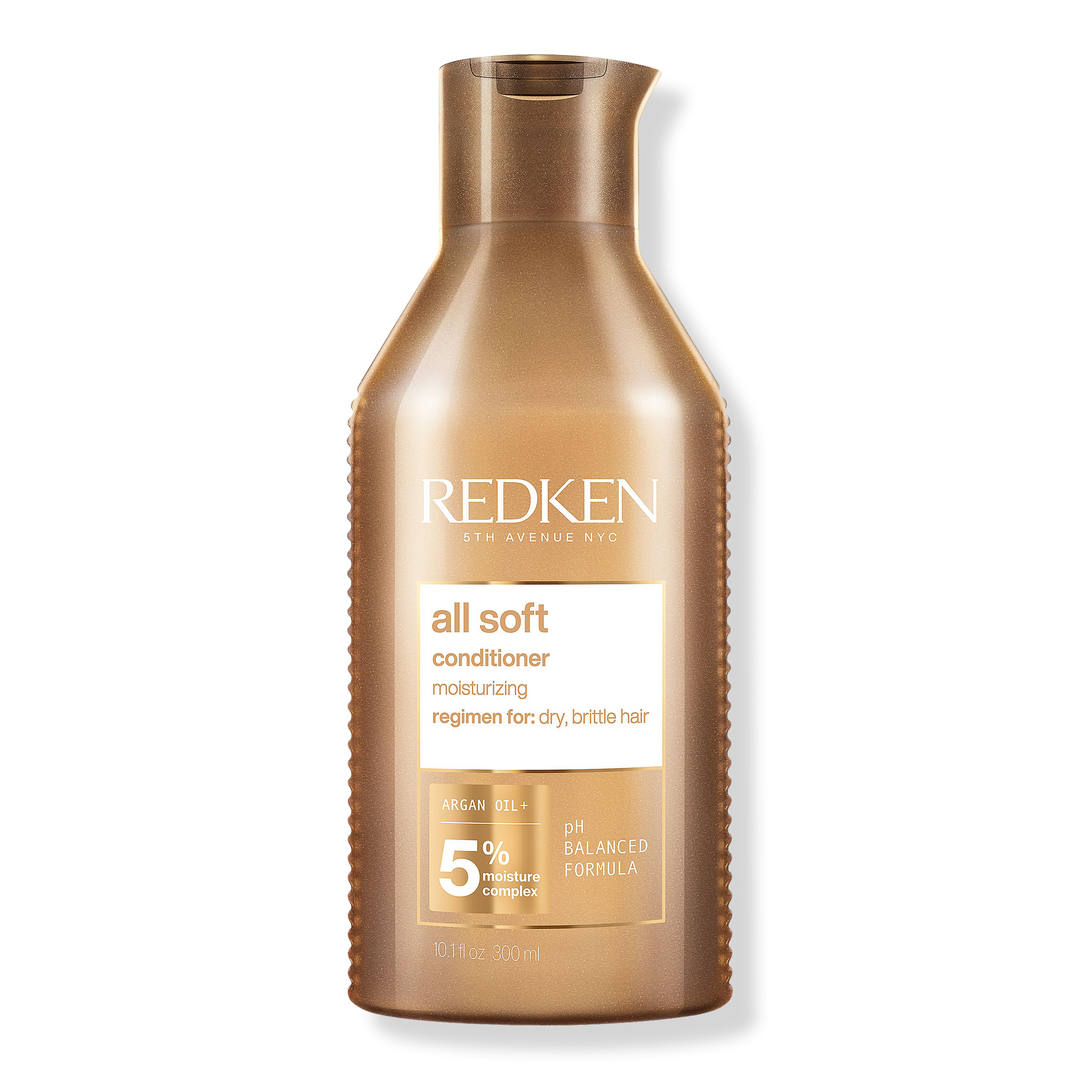
2 of 3: Best conditioner for brittle, over-summered strands
Redken All Soft Conditioner For Dry, Brittle Hair
Rich, restorative conditioner | $31.00
Shop Redken All Soft Conditioner at Ulta →
If summer left your hair feeling coarse or brittle, this is the conditioner to reach for. It's formulated with argan oil to soften and smooth strands that have been through a season of sun and heat. Used consistently, it helps rebuild the softness and manageability that dry, damaged hair loses (setting up better results from every styling product you use afterward).
Key specs: Argan Oil Formula · For Dry, Brittle Hair · Softening · Detangling
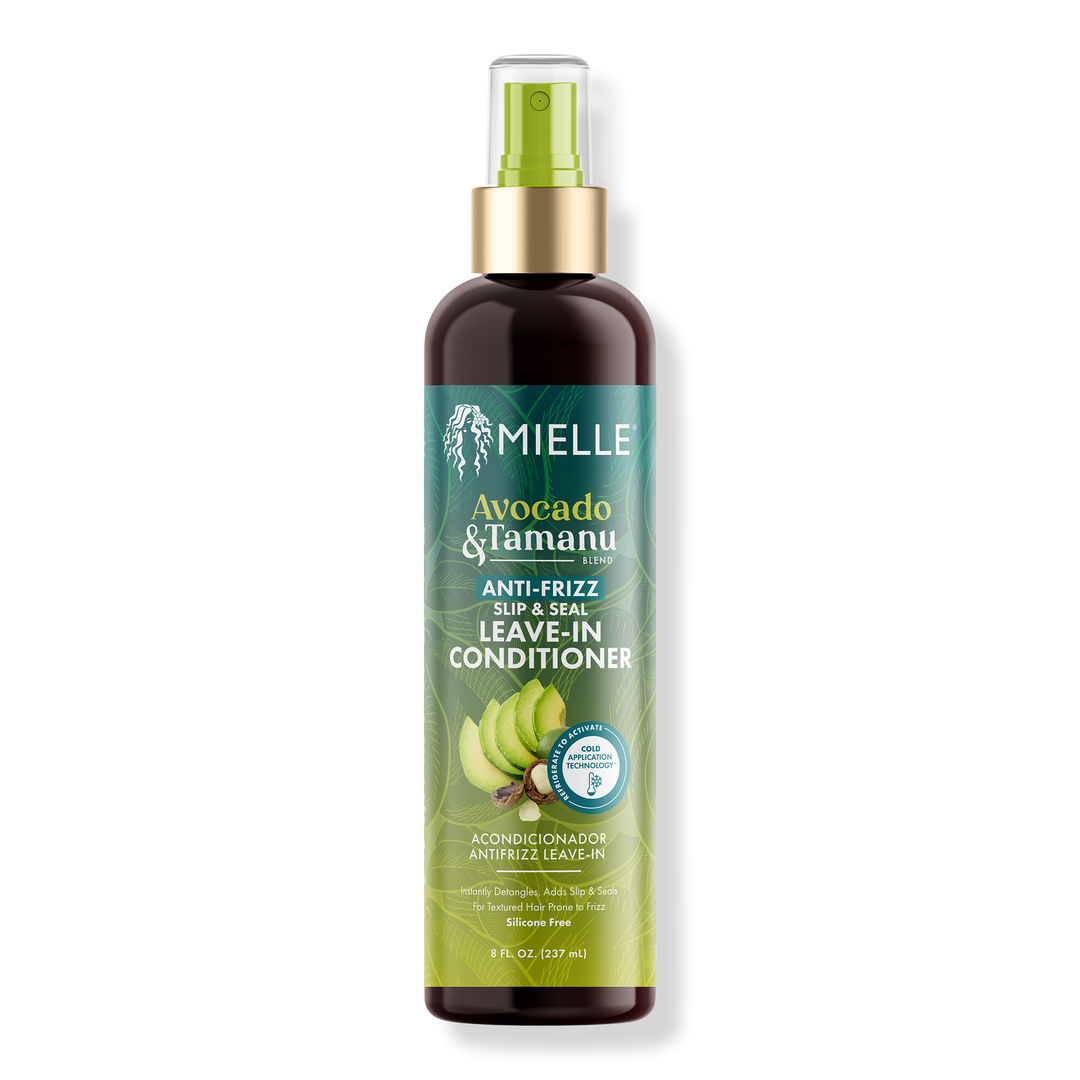
3 of 3: Best leave-in for daily frizz control
Mielle Avocado & Tamanu Anti-Frizz Slip & Seal Leave-In Conditioner
Lightweight anti-frizz leave-in | $13.99
Shop Mielle Anti-Frizz Leave-In at Ulta →
This leave-in earns its spot for fall because it targets the specific kind of frizz that shows up once the air dries out: flyaways and rough texture rather than humidity puffiness. Avocado and tamanu oils add slip for easier detangling and help seal the hair cuticle, so style hold lasts longer between washes.
Key specs: Anti-Frizz · Detangling · Avocado & Tamanu Oil · Lightweight Formula
Add a weekly deep-conditioning step
A weekly hair mask or deep conditioner is one of the most effective additions to a fall routine. Unlike your everyday conditioner, a mask stays on longer and is formulated to deliver a heavier dose of moisture or protein, depending on what your hair needs. If your hair feels dry but still bouncy, reach for a moisture mask. If it feels weak, stretchy, or breaks easily, look for a protein-based treatment instead, and alternate between the two if you're not sure which your hair needs more.
Don't skip the scalp
Hair care and scalp care are connected, and a fall routine reset isn't complete without addressing what's happening at the root. Dry indoor air affects your scalp the same way it affects your strands, and a dry, flaky, or itchy scalp will undercut even the best conditioner. If scalp concerns are new for you this season, a dedicated scalp routine is worth building out separately.
Common fall hair care mistakes to avoid
Continuing an oil-control or clarifying shampoo out of habit after the air has already turned drier
Skipping conditioner because hair "isn't that oily" in cooler weather, when dryness is actually the bigger issue
Increasing heat styling for fall events without also increasing heat protection
Assuming frizz in fall is humidity-related and reaching for anti-humidity products instead of moisture-focused ones
Frequently asked questions
Do I really need to change my shampoo for fall?
If your current shampoo is oil-control or clarifying, yes. Drier fall air means most people need a more moisturizing formula, even if their hair felt fine with a lighter shampoo over the summer.
How often should I use a hair mask in fall?
Once a week is a reasonable starting point for most hair types. If your hair is especially dry or damaged, twice a week can help, but watch for signs of over-conditioning like limpness or loss of volume.
Frizz has two main causes: humidity (which makes hair swell and flyaways stand up) and dryness (which roughens the hair cuticle so light doesn't reflect evenly and strands separate). Fall frizz is usually the dry-hair kind, which is why anti-frizz leave-ins and moisture-focused conditioners tend to help more than anti-humidity sprays this time of year.
Should I use a hair oil in addition to a leave-in conditioner?
You can. A lightweight leave-in adds moisture and slip, while a hair oil seals it in and adds shine. If you use both, apply the leave-in first on damp hair, then a small amount of oil once hair is mostly dry to avoid weighing it down.
Is it normal for hair to shed more in fall?
Some seasonal shedding is common and typically resolves on its own within a few weeks to a couple of months. If shedding feels significantly heavier than usual or continues for an extended period, it's worth talking to a dermatologist rather than assuming it's purely seasonal.
Related Content: What is Scalp Serum, Curly Hair Care Routine, Benefits of Sulfate Free Shampoo, Root Lifting Texture Spray vs Mousse, What is Co-Wash?, Minimalist Hair Care, How to Stop Greasy Hair, Hair Toner for Bleached Hair, What is an Ionic Hair Dryer, Best Sea Salt Sprays, Protein vs Deep Conditioner Treatment For Hair
Explore more Hair Care Buying Guides and Beauty Education Articles