Why does my perfume smell different on me?
All products featured are available at Ulta Beauty at the time of selection. Ulta Beauty Advisors select products independently. Prices and availability are subject to change. Information provided is for educational purposes only and is not intended as medical advice or a guarantee of results.
By Ulta Beauty Advisors · Published November 2026
Ever fallen in love with a perfume on someone else, only to try it yourself and wonder where that gorgeous scent went? You're not imagining things. The same fragrance can smell surprisingly different depending on who's wearing it, where it's applied and how long it's been on the skin.
From your skin's natural oils to the way fragrance notes develop, several factors can influence how a perfume smells on you. And finding your perfect match? It's all about understanding how fragrance works with your skin.
Here's why your favorite perfume might smell different on you and how to find a scent that feels like you.
Why does perfume smell different on everyone?
The same perfume can smell slightly different from person to person because fragrance interacts with individual skin characteristics, including natural oils, moisture levels and skin temperature. How you perceive scent also plays a role.
A perfume that smells sweet and creamy on one person might seem more floral, woody or musky on another.
Several factors can influence your fragrance experience:
- Skin oils: Natural oils and moisturizers can affect how fragrance ingredients spread and evaporate.
- Skin hydration: Dry skin may not hold fragrance as well as moisturized skin, which can influence how long a scent lasts.
- Body temperature: Warmth helps fragrance evaporate, potentially making certain notes more noticeable.
- Fragrance concentration: Eau de Parfum, Eau de Toilette and other fragrance formats contain different concentrations of aromatic ingredients.
- Personal scent perception: Your sense of smell, scent memories and sensitivity to particular ingredients can change how you experience a fragrance.
The takeaway? A perfume's scent isn't determined by the bottle alone. How it wears and how you perceive it are part of the experience.
How does skin chemistry affect perfume?
Your skin's natural characteristics can influence how fragrance develops, but the relationship is more complicated than a single skin chemistry formula.
Does skin pH change how perfume smells?
Skin pH is often mentioned as a reason perfume smells different on everyone. However, there's limited evidence that normal differences in skin pH alone significantly change a perfume's scent.
Factors such as skin oils, hydration, temperature and fragrance evaporation may have a more noticeable effect.
Does oily or dry skin affect fragrance?
Skin moisture and oils can influence fragrance wear.
- Dry skin: Fragrance may seem to fade more quickly. Applying an unscented moisturizer before perfume can help improve how it wears.
- Oily skin: Natural skin oils may help retain some fragrance ingredients, although results vary by formula.
- Sensitive skin: Fragrance can sometimes cause irritation. Consider applying perfume to clothing when the fabric allows, rather than directly to sensitive skin.
For a simple fragrance-prep routine, apply an unscented body lotion to clean skin, let it absorb and then spray your perfume.
Why does perfume smell different on my skin than on paper?
Ever tested a fragrance on a paper strip and loved it, only to feel differently once you sprayed it on your wrist?
Paper strips and skin create different environments for fragrance.
A paper strip offers a relatively neutral surface for exploring a perfume's scent profile. Your skin introduces warmth, oils and moisture that can influence how fragrance ingredients evaporate.
Ulta Beauty Advisor tip: Use a fragrance testing strip to narrow down your favorites, then try your top choice on clean skin. Wait at least 30 minutes to experience how the scent develops before deciding whether it's your match.
Why does perfume smell different after a few hours?
Perfume isn't meant to smell exactly the same from the first spritz to the final hint of fragrance. Many perfumes are designed to evolve over time as different aromatic ingredients evaporate at different rates.
Understanding fragrance notes can help explain these changes.
Top notes: Your first impression
Top notes are the scents you typically notice immediately after spraying perfume.
Common examples include:
- Bergamot
- Lemon
- Grapefruit
- Fresh green notes
- Light fruits
These lighter notes often fade relatively quickly, making room for the fragrance's heart.
Middle notes: The heart of your fragrance
Also called heart notes, middle notes become more noticeable as the opening settles.
Common examples include:
These notes help define a fragrance's overall character.
Base notes: The scent that stays
Base notes are often the longest-lasting part of a fragrance.
Common examples include:
If your perfume starts out bright and citrusy but becomes warm and sweet later, you're experiencing the transition between its fragrance notes.
Why does my perfume smell sour, metallic or too sweet on me?
Sometimes a fragrance smells completely different from what you expected. A perfume might seem sour, metallic, overly sweet or simply unpleasant once you wear it.
There are several possible explanations:
- Fragrance composition: Certain musks, woods, florals or synthetic aroma molecules may smell different to individual wearers.
- Changes in scent perception: Illness, nasal congestion and temporary changes in your sense of smell can affect how you experience perfume.
- Other scented products: Body lotion, deodorant, hair products and laundry detergent can compete with your perfume.
- Fragrance age and storage: Exposure to heat, light and air can gradually change a perfume's aroma.
- Fragrance dry down: You may enjoy a perfume's opening notes but dislike its stronger base notes.
If a fragrance consistently smells unpleasant on your skin, try testing a different scent family rather than forcing a perfume that doesn't feel right.
Can hormones, diet or medications change how perfume smells?
Hormonal changes, diet and medications can sometimes influence body odor or scent perception, but their direct effects on how a particular perfume develops are not well established.
Changes in your sense of smell may also affect how you experience familiar fragrances.
If a perfume suddenly smells different, consider whether the fragrance itself has changed, whether you're using different body products or whether your sense of smell seems different overall.
A persistent or unexplained change in your sense of smell is worth discussing with a healthcare professional.
How to make perfume smell better on your skin
Love your fragrance but wish it smelled closer to how you remember it? A few simple adjustments can help you get a more consistent scent experience.
1. Moisturize before applying perfume
Apply an unscented body lotion before fragrance to help prevent dryness and create a moisturized base.
2. Apply perfume to clean skin
Apply fragrance after showering, once your skin is dry and any moisturizer has absorbed.
3. Don't rub your wrists together
Rubbing your wrists isn't necessary to activate perfume. Instead, spray and allow the fragrance to dry naturally.
4. Experiment with application areas
Try applying fragrance to your wrists, neck or other areas recommended by the manufacturer. Different application areas can affect how strongly you notice the scent.
Avoid spraying perfume on irritated or broken skin.
5. Give your perfume time to develop
Don't judge a fragrance by its first five seconds. Allow at least 30 minutes to experience its heart notes and revisit it after a few hours to understand its drydown.
6. Store your fragrance properly
Keep perfume away from direct sunlight, excessive heat and temperature fluctuations. A cool, dry location can help preserve its scent.
How to choose a perfume that works with your skin
Finding a fragrance you love is less about matching a perfume to a specific body chemistry type and more about testing how it smells and wears on you.
Start by identifying fragrance families you naturally gravitate toward.
- Fresh and citrus: Bright, crisp scents with notes such as bergamot, lemon and grapefruit.
- Floral: Fragrances featuring rose, jasmine, peony or orange blossom.
- Warm and gourmand: Cozy, sweet scents featuring vanilla, caramel, coffee or amber accords.
- Woody: Earthy, smooth fragrances with notes such as sandalwood, cedarwood and vetiver.
- Musky: Soft, skin-like scents that can feel clean, warm or subtly sensual.
Not sure where to begin? Explore our guide on how to find your signature perfume scent to discover fragrance families, notes and tips for finding your next favorite scent.
Our product picks for finding your fragrance match
Finding a perfume that smells amazing on you can take a little experimenting. From discovery sets that let you explore different fragrance families to perfume oils, these picks can help you discover what works for your preferences and routine.
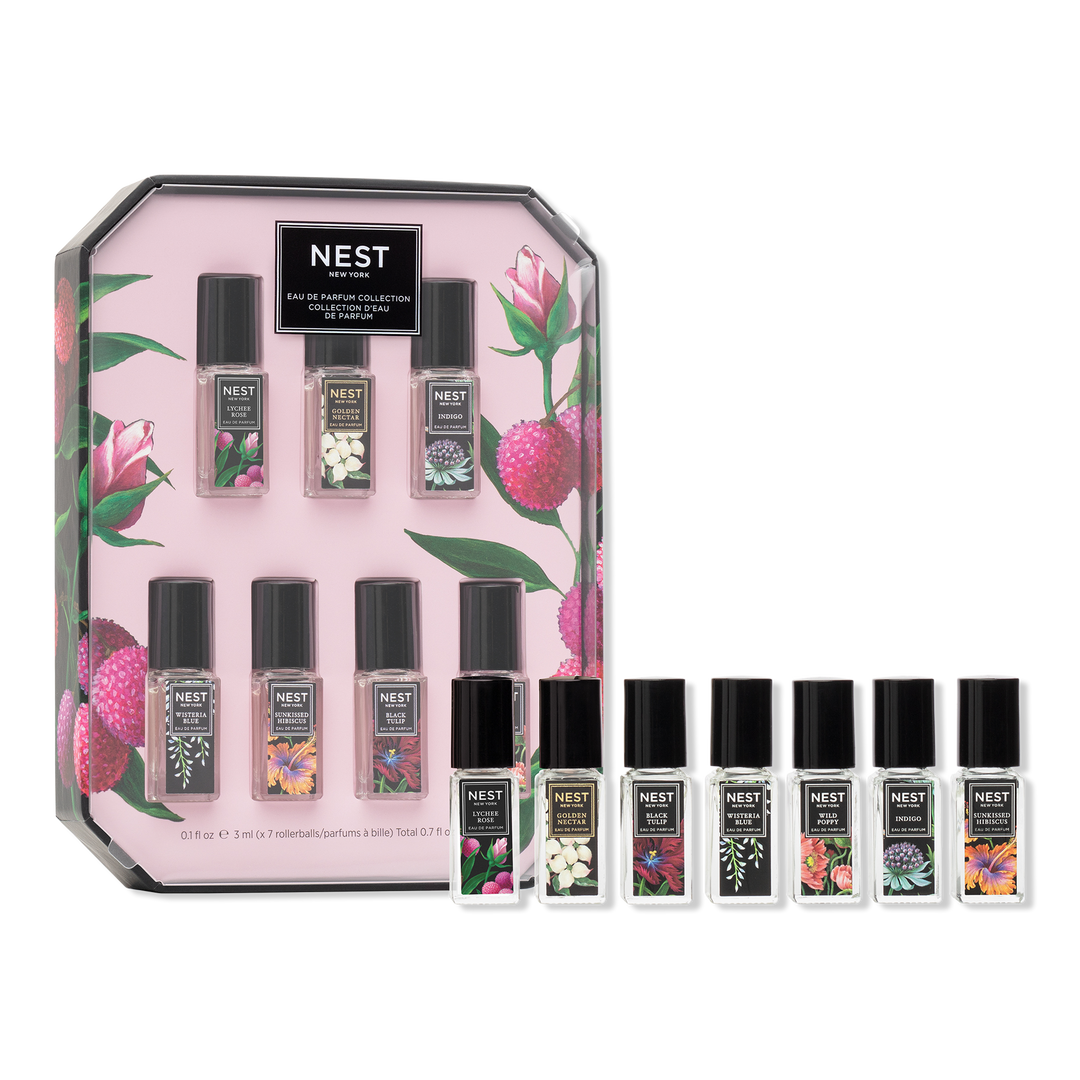
Best for exploring different fragrance families
NEST New York Mini Fragrance Discovery Set
Fragrance discovery set | $46.00
Shop NEST New York Mini Fragrance Discovery Set at Ulta →
Not sure whether you love fresh florals, warm scents or something in between? This discovery set offers an opportunity to explore multiple fragrances before committing to a full-size bottle.
Try one fragrance at a time and pay attention to how it develops throughout the day. You might discover that the notes you love initially aren't always the ones you enjoy after a few hours.
Key specs: Fragrance Discovery Set · Multiple Scents · Sampling
Why we recommend it: A discovery set makes it easier to compare how different fragrances smell on your skin without purchasing multiple full-size perfumes.
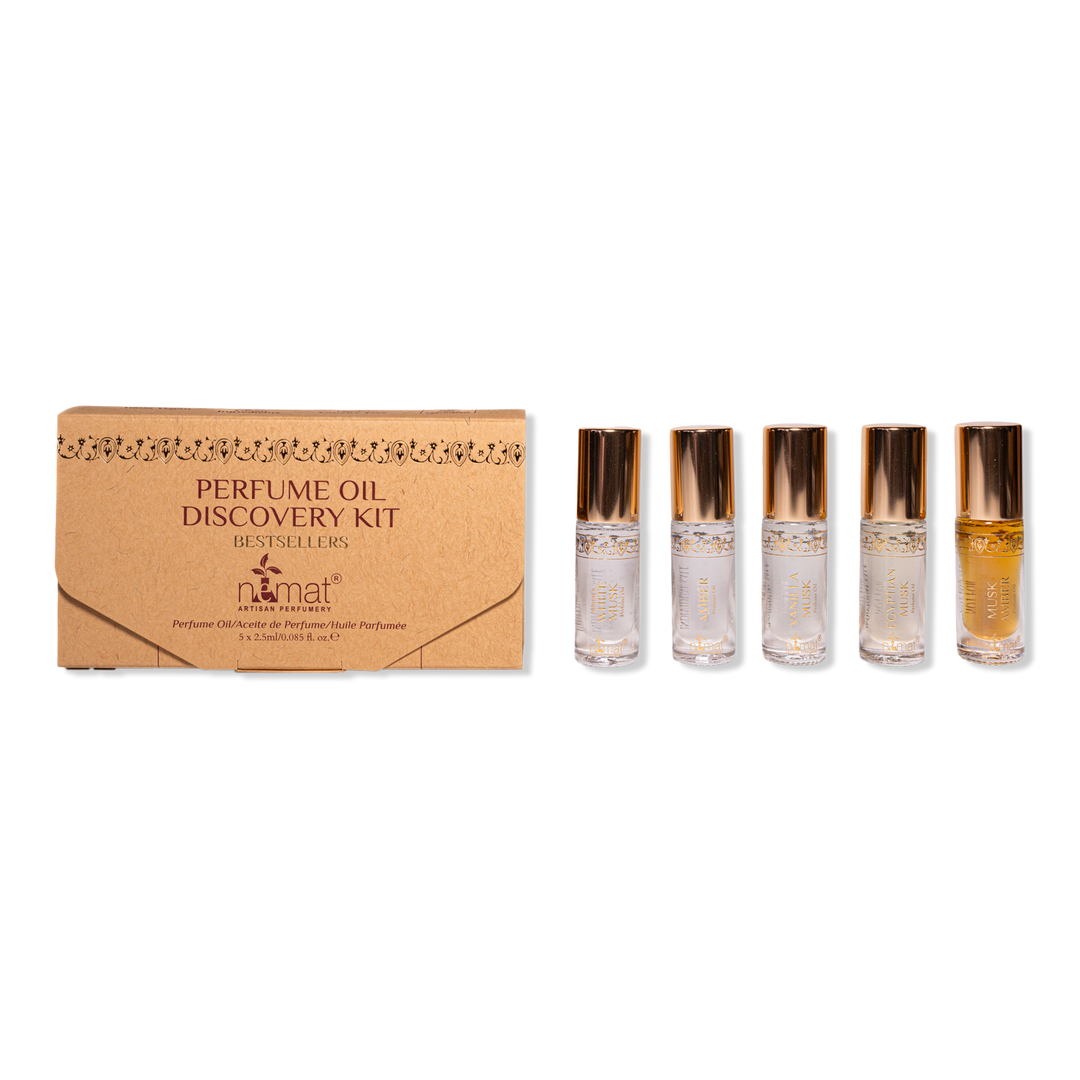
Best for experimenting with perfume oils
Nemat Bestsellers Perfume Oil Discovery Kit
Perfume oil discovery kit | $29.99
Shop Nemat Bestsellers Perfume Oil Discovery Kit at Ulta →
Curious about perfume oils? Nemat's discovery kit offers a way to explore oil-based fragrances and compare their scent experience with traditional perfume sprays.
Perfume oils are generally applied directly to the skin, allowing you to experience how different scent compositions develop close to your body.
Key specs: Perfume Oil · Discovery Kit · Multiple Fragrances
Why we recommend it: A practical option for anyone interested in experimenting with different fragrance formats and discovering their preferred application style.
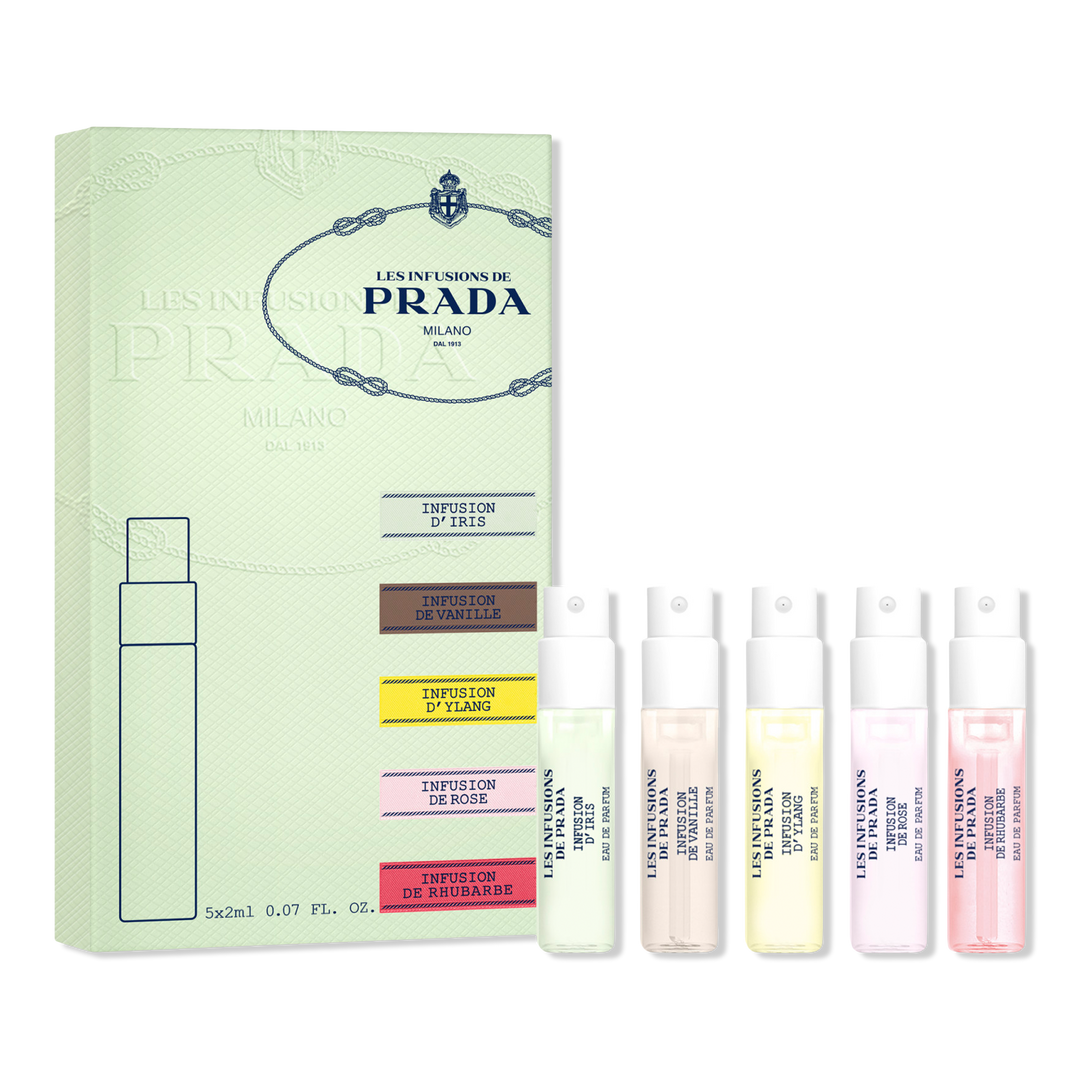
Best for exploring fresh fragrances
Prada Les Infusions Discovery Set
Luxury fragrance discovery set | $30.00
Shop Prada Les Infusions Discovery Set at Ulta →
If you're drawn to understated, fresh-feeling fragrances, Prada's Les Infusions collection is worth exploring. This discovery set lets you sample different scent profiles from the collection and experience how each develops on your skin.
Wear each fragrance separately to get a clearer sense of its opening, heart and base notes.
Key specs: Luxury Fragrance · Discovery Set · Multiple Scents
Why we recommend it: A useful introduction to refined fragrance profiles for anyone who prefers subtle scents or wants to compare different perfume compositions.
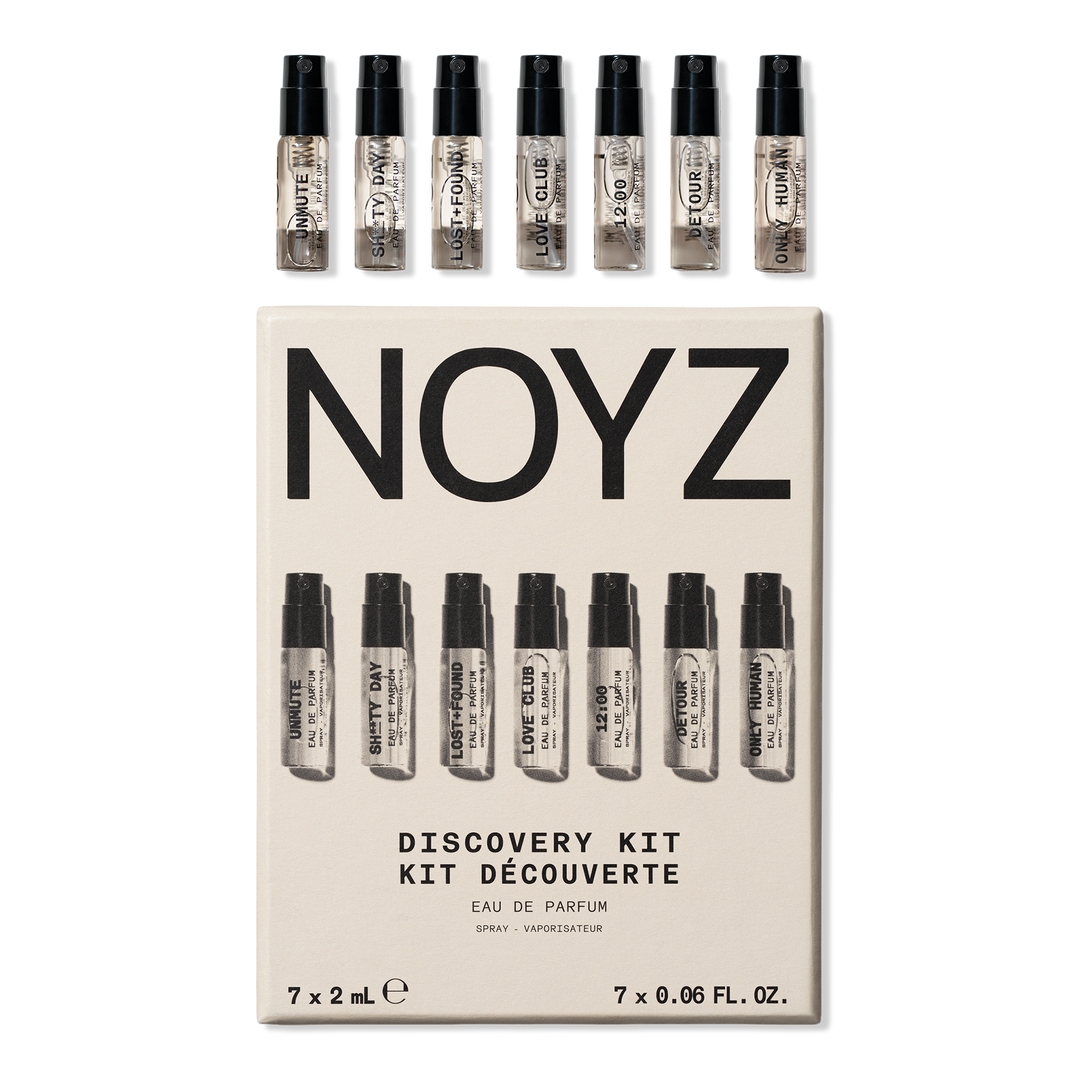
Best for discovering a signature scent
NOYZ Discovery Kit Eau de Parfum
Eau de Parfum discovery kit | $38.00
Shop NOYZ Discovery Kit Eau de Parfum at Ulta →
Finding your signature scent is all about experimenting with what you enjoy wearing. The NOYZ Discovery Kit offers multiple Eau de Parfum fragrances to explore, making it easier to compare how different scents perform throughout your day.
Try each fragrance on a different day and pay attention to which notes you notice after the initial spray and which linger on your skin.
Key specs: Eau de Parfum · Discovery Kit · Multiple Fragrances
Why we recommend it: A convenient way to explore multiple scents before deciding which fragrance deserves a spot in your everyday routine.
Best for fragrance layering
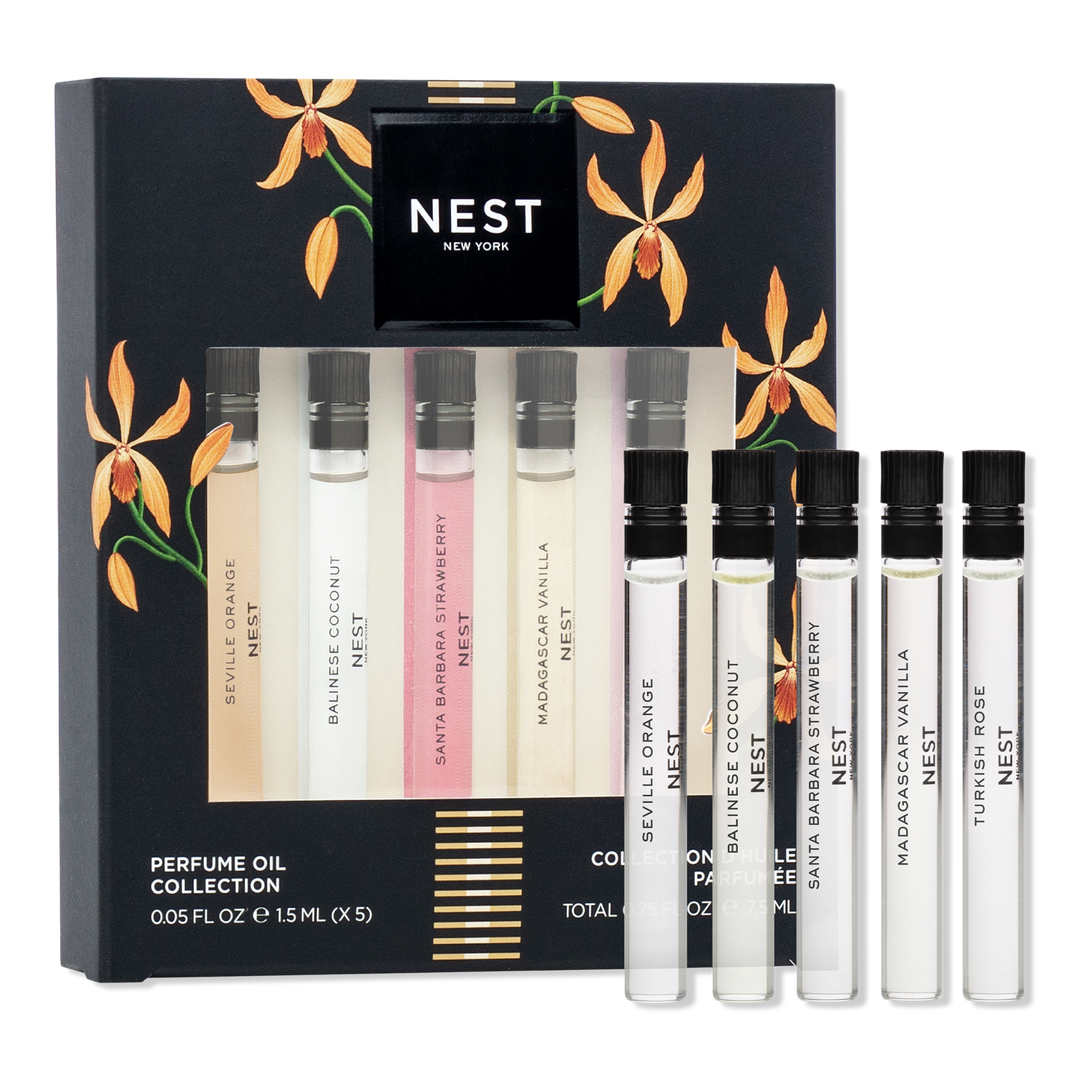
NEST New York Perfume Oil Discovery Set
Perfume oil discovery set | $26.00
Shop NEST New York Perfume Oil Discovery Set at Ulta →
Want to experiment with fragrance layering? This perfume oil discovery set gives you an opportunity to explore different scents individually before experimenting with combinations.
Start with one fragrance at a time to understand its scent profile. Once you know how each wears, you can experiment with layering compatible fragrances to create a combination that suits your preferences.
Key specs: Perfume Oils · Discovery Set · Fragrance Layering
Why we recommend it: A versatile option for exploring individual perfume oils and experimenting with personalized scent combinations.
Frequently asked questions
Your perfume should smell like something you love wearing, whether that's fresh and airy, warm and cozy or somewhere in between. Still wondering why your favorite fragrance seems to change once it touches your skin? Here are answers to some common perfume questions.
Why does perfume smell better on other people than on me?
Perfume may smell different on someone else because of differences in skin oils, temperature, application and individual scent perception. You also experience fragrance differently when smelling it from a distance versus wearing it directly on your own skin.
Does body chemistry really change perfume?
Skin characteristics can influence how fragrance ingredients evaporate and how long they remain noticeable. However, the idea that everyone's unique body chemistry completely transforms a perfume is an oversimplification. The fragrance's composition and your individual sense of smell also matter.
Why does my perfume smell different every day?
Changes in temperature, skin moisture, other scented products and your sense of smell can influence how you experience perfume. A fragrance may seem stronger on a warm day or different when layered over a scented moisturizer.
Why can't I smell my perfume after a while?
You may be experiencing olfactory adaptation, sometimes called nose blindness. When you're exposed to the same fragrance for an extended period, your brain may become less responsive to it, even when other people can still detect the scent.
Does perfume last longer on moisturized skin?
Moisturized skin may help some fragrances remain noticeable longer than dry skin. Applying an unscented moisturizer before perfume is a simple technique worth trying, although results vary depending on the fragrance and individual skin characteristics.
Should I spray perfume on my clothes or skin?
Both methods can create different fragrance experiences. Perfume on skin is exposed to body warmth and skin oils, while fragrance applied to fabric may evaporate differently. Always check the product instructions and test fabric compatibility first, since some perfumes can stain or damage delicate materials.
How long should I wait before deciding if I like a perfume?
Give a fragrance at least 30 minutes to begin developing on your skin, then check it again after a few hours. This gives you an opportunity to experience its opening, heart and base notes rather than judging it solely by the first spray.
Can I change how a perfume smells on my skin?
You may be able to influence your fragrance experience by moisturizing before application, choosing different application areas or experimenting with layering. However, these techniques won't fundamentally change a perfume's formula. If you consistently dislike a fragrance's drydown, exploring a different scent may be your best option.
Related Content: Best Floral Perfumes, Best Fruity Perfumes, Best Oud Perfumes, Best Niche Fragrances, Best Fragrance Sampler Sets, What is a Niche Fragrance, Fragrance Concentration Guide, How to Use Essential Oils, Best Coconut Fragrances
Explore more Fragrance Buying Guides and Beauty Education Articles