Probiotics vs prebiotics for gut health: here's what actually matters when choosing a supplement
By Ulta Beauty Advisors · Published September 2026
All products featured are available at Ulta Beauty. Ulta Beauty Advisors select products independently. Prices and availability are subject to change. This guide is for informational purposes and does not constitute medical advice. Consult a healthcare provider before beginning any supplement regimen.
The practical difference in probiotics vs prebiotics for gut health comes down to what they contain. Probiotics provide live microorganisms, while prebiotics provide fibers or other compounds that certain microorganisms in your gut can use as food.
You might use one or both, depending on your diet, comfort level and reason for taking a supplement. Products that combine probiotics and prebiotics are often called synbiotics, but a combined formula is not automatically a better fit for everyone.
This guide breaks down what each supplement type does, how labels differ and what to consider before adding either one to your routine.
What are probiotics?
Probiotics are live microorganisms, usually bacteria or yeasts, included in certain foods and supplements. You may see them listed by genus, species and strain, such as a Lactobacillus or Bifidobacterium strain followed by identifying letters or numbers.
That strain information matters because probiotics are not one interchangeable ingredient. Different strains may be studied or formulated for different purposes, so a label that simply says "probiotic blend" gives you less detail than one that identifies each strain.
Probiotic supplements come in several forms:
Capsules and softgels
Powders and drink mixes
Gummies and chewables
Shelf-stable or refrigerated formulas
Single-strain or multi-strain blends
Labels may also list the amount in colony-forming units, commonly shortened to CFU. A higher CFU count does not automatically mean a product is more suitable for you. Strain identity, labeled use, storage needs and the number of live microorganisms expected through the expiration date can be just as important.
Probiotics also occur in some fermented foods. Yogurt with live cultures, kefir, kimchi, sauerkraut, miso and certain fermented drinks may contain them, though the types and amounts can vary widely.
What are prebiotics?
Prebiotics are compounds that certain microorganisms in your gut can use. Many are types of fermentable fiber, though not every dietary fiber is considered a prebiotic.
Common prebiotic ingredients on supplement labels include:
Inulin
Fructooligosaccharides, often shortened to FOS
Galactooligosaccharides, often shortened to GOS
Resistant starch
Partially hydrolyzed guar gum
Acacia fiber
You can also get prebiotic fibers from foods. Garlic, onions, leeks, asparagus, oats, barley, beans, bananas and other plant foods contain different fibers that gut microorganisms may use.
Prebiotic supplements are often sold as powders, capsules, gummies or fiber blends. Because these ingredients can ferment in the gut, the serving size and how quickly you increase it may affect how the supplement feels in your routine.
Probiotics vs prebiotics for gut health: the key differences
The simplest way to remember the difference is this: probiotics contain live microorganisms, while prebiotics help feed certain microorganisms already living in your gut.
What is inside the product
Probiotic: Live bacteria, yeasts or a combination of strains
Prebiotic: Fibers or other fermentable compounds
Synbiotic: A formula containing both probiotics and prebiotics
What to check on the label
For probiotics, look for:
Full strain names when provided
CFU amount and whether it applies at manufacturing or through expiration
Storage instructions
Suggested serving size
Expiration or best-by date
Added ingredients, allergens and dietary certifications relevant to you
For prebiotics, look for:
The specific fiber or compound
Amount per serving
Suggested starting serving
Added sweeteners or sugar alcohols
Allergen information
Mixing and storage directions
How each may feel at first
Either type can take some getting used to. Prebiotic fibers may bring temporary gas, bloating or changes in bowel habits, especially when you add a larger amount quickly. Some people also notice digestive changes when beginning a probiotic.
Your response is personal, so start with the labeled serving rather than assuming more is better. If a label gives a range, beginning at the lower end may make it easier to judge how you feel.
How they are stored
Some probiotics need refrigeration, while others are designed to stay at room temperature. Heat, moisture and time can affect products containing live microorganisms, so follow the package directions closely.
Prebiotic supplements are not live, but they still need proper storage. Keep the container closed and follow any directions about temperature, light or moisture.
A synbiotic can be handy when you want one product instead of two. Still, check how much prebiotic it contains and which probiotic strains are included. The word "synbiotic" alone does not tell you whether the amounts or ingredients match your needs.
How to choose between probiotics and prebiotics
Start with your actual goal, not the flashiest number on the bottle. Then compare labels with that goal in mind.
Choose a probiotic if you want live strains
Look for a label that identifies the microorganisms as clearly as possible. Consider whether the format, storage instructions and serving schedule are realistic for your day.
A refrigerated bottle will not be useful if you travel often and cannot store it as directed. A powder may not fit if you rarely prepare drinks at home. The best practical choice is one you can take and store according to its label.
Choose a prebiotic if you want a named fiber
Check the type and amount of fiber per serving. If you are sensitive to sudden fiber changes, a product with flexible serving directions may make it easier to begin gradually.
Also scan the full ingredient list. Gummies and flavored powders may include sweeteners, flavors or sugar alcohols that affect taste and digestive comfort.
Choose both if each has a clear job
Using both may make sense when you specifically want live strains and a prebiotic ingredient. That can come from one synbiotic formula, two separate supplements or a probiotic paired with fiber-rich foods.
You do not need a combined supplement simply because it contains more ingredient types. A shorter, clearer formula may be easier to assess than a long blend with amounts hidden inside a proprietary mix.
Compare formats before you buy
The digestion and gut health supplement selection includes different formats, ingredient combinations and storage needs. Compare the label details rather than treating capsules, powders and gummies as if they work the same way for every person.
Useful questions to ask include:
Can I identify the probiotic strains or prebiotic ingredients?
Is the amount of each active ingredient listed?
Can I follow the storage directions consistently?
Does the serving size fit my routine?
Are there added ingredients I prefer to include or avoid?
Is the product labeled for my age group and intended use?
Probiotics and prebiotics, available at Ulta Beauty
These five supplements are listed at Ulta Beauty. Pick by ingredient type, serving format and storage instructions rather than treating the list as a ranking of health outcomes. Prices and stock may change. Review each product's current label before buying.
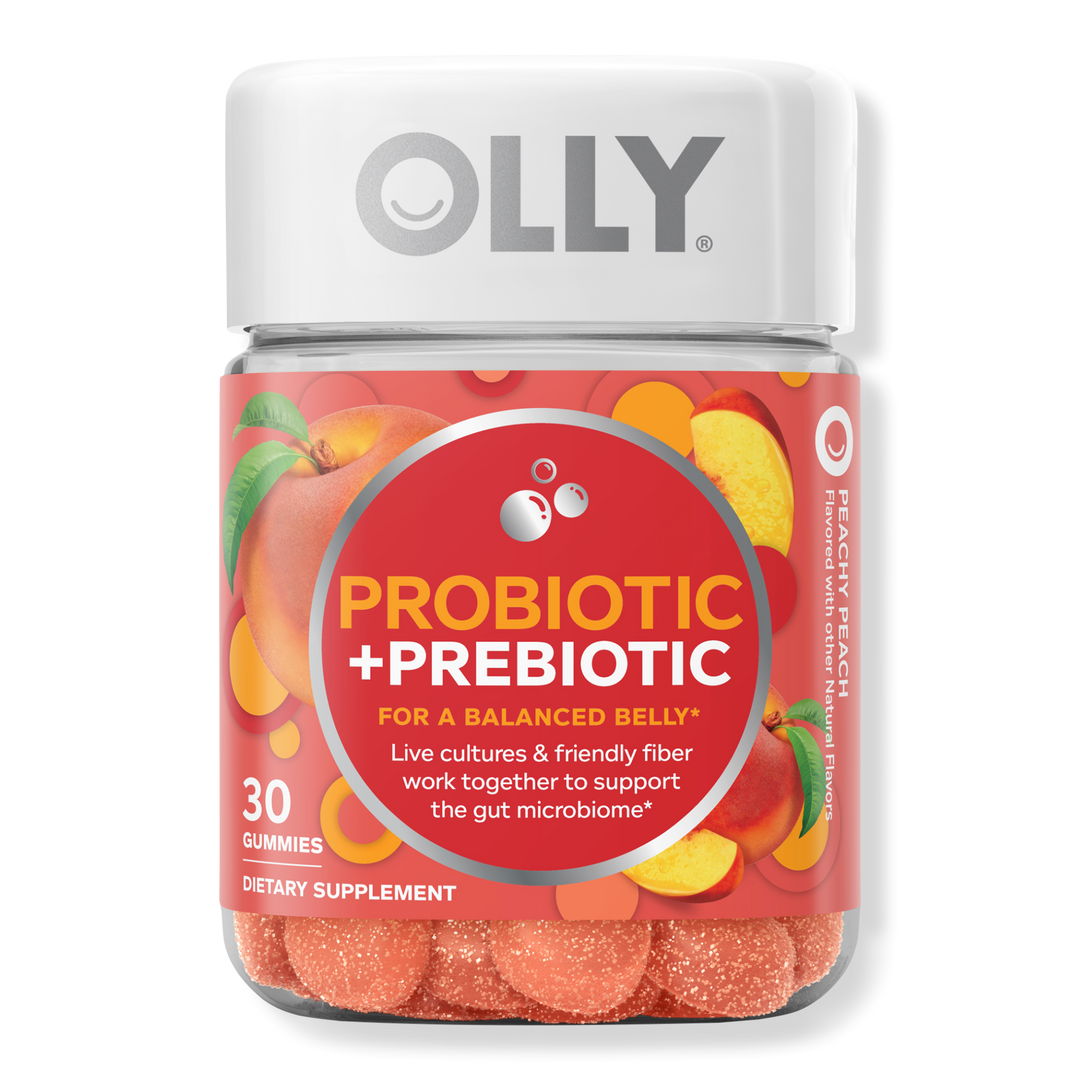
1 of 5: Best Gummy With Probiotics and Prebiotics
OLLY Prebiotic and Probiotic Gummy Supplement
Prebiotic and Probiotic Gummy | $15.99
Shop OLLY Prebiotic and Probiotic Gummy Supplement at Ulta →
This is the chewable option for someone who prefers a gummy to a capsule. It includes Bacillus coagulans at 500 million CFU along with prebiotics. Check the current package for the amount and type of prebiotic, plus added sugars and other ingredients, before deciding whether it fits your routine.
Key specs: Gummy · Probiotic plus prebiotic · 500 million CFU of Bacillus coagulans listed · 30 count · One gummy daily
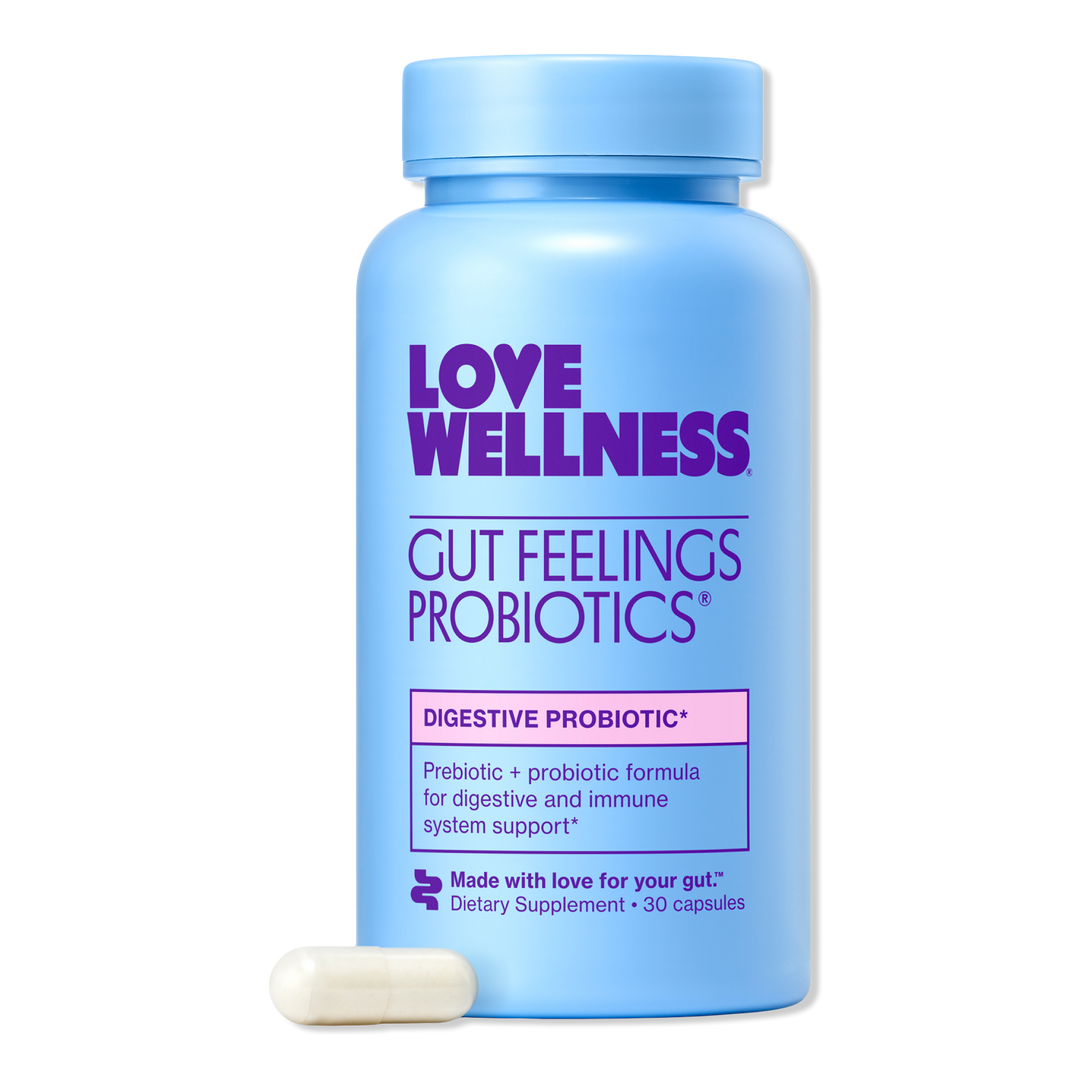
2 of 5: Best Capsule With a Named Prebiotic
Love Wellness Gut Feelings Probiotics: Digestive Probiotic
Prebiotic and Probiotic Capsules | $24.99
Shop Love Wellness Gut Feelings Probiotics at Ulta →
For readers who want to identify the prebiotic as well as the live strains, this capsule names xylooligosaccharide (XOS), lists inulin among its other ingredients and identifies its probiotic organisms. Read the Supplement Facts panel for ingredient amounts rather than assuming that every combined formula supplies the same serving of fiber.
Key specs: Capsule · XOS prebiotic listed · Probiotic strains identified · 30 count · No refrigeration required per product directions
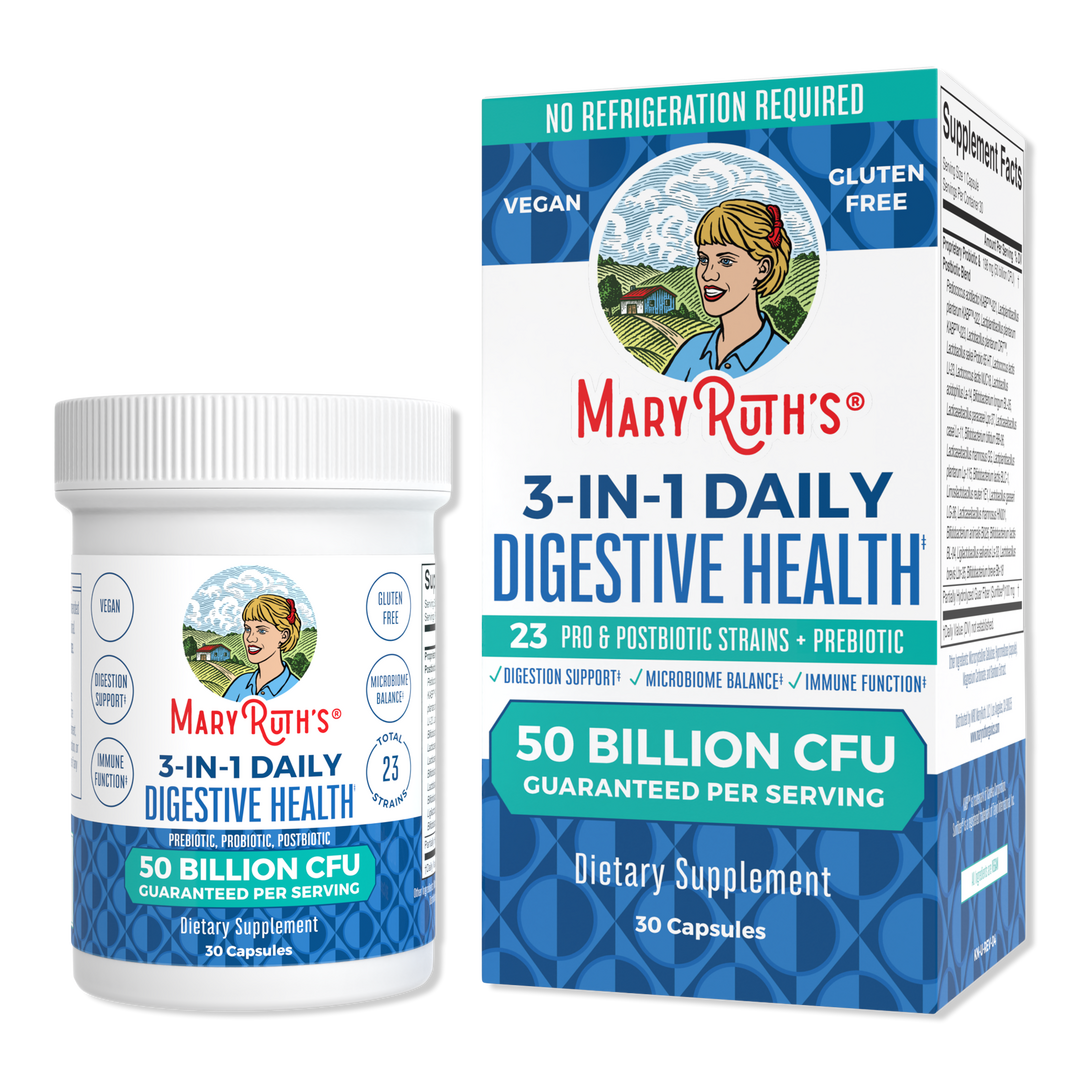
3 of 5: Best Three-Part Formula
MaryRuth's 3 in 1 Daily Digestive Health Probiotic 50 Bil CFU
Prebiotic, Probiotic and Postbiotic Capsules | $39.95
Shop MaryRuth's 3 in 1 Daily Digestive Health Probiotic at Ulta →
This capsule is marketed as a prebiotic, probiotic and postbiotic combination. A bigger CFU figure alone does not establish a better fit; compare the specific organisms, prebiotic details and full Supplement Facts panel with your goal.
Key specs: Capsule · Prebiotic, probiotic and postbiotic formula · 50 billion CFU listed · 30 count
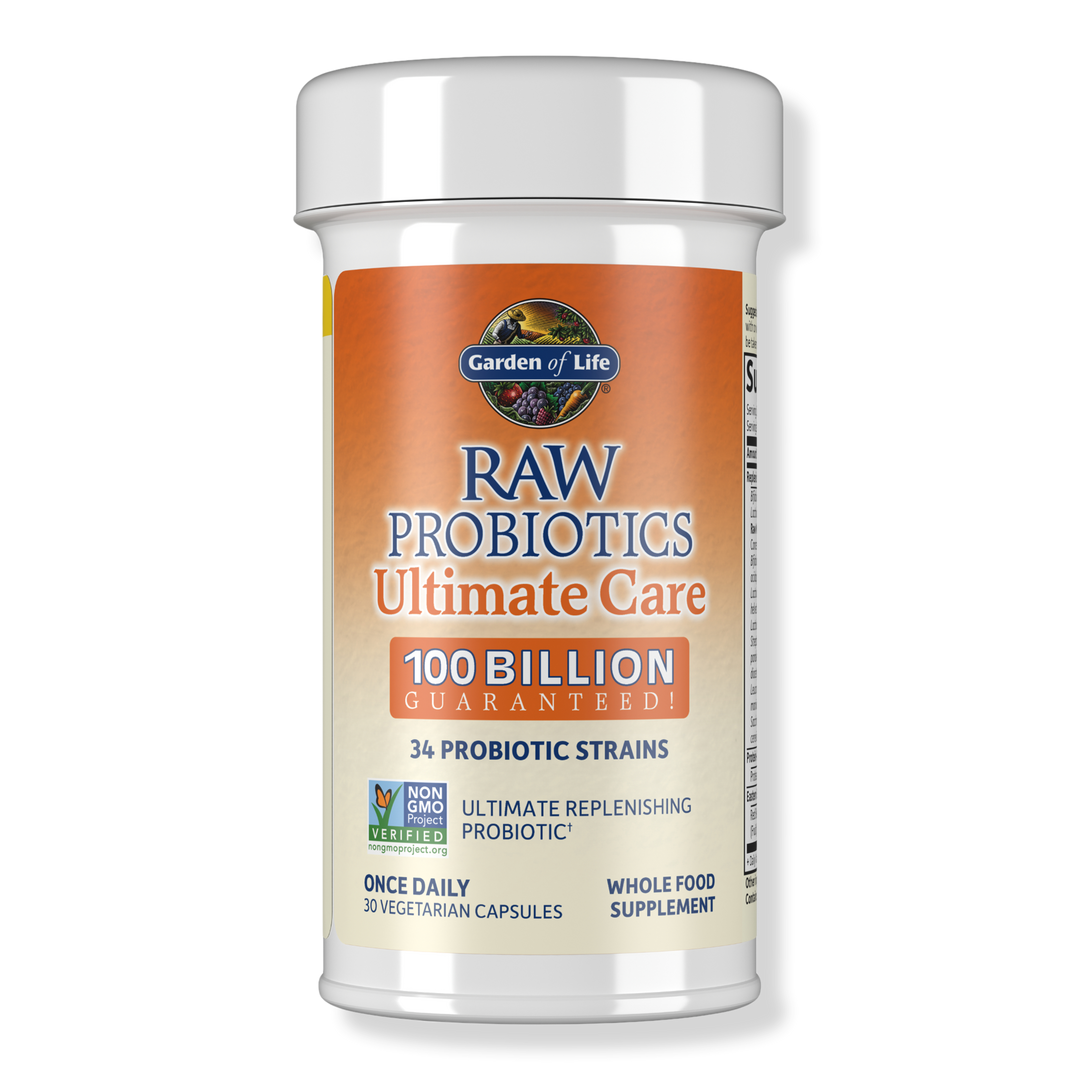
4 of 5: Best Shelf-Stable Probiotic-Forward Capsule
Garden of Life Raw Probiotics Ultimate Care Shelf-Stable Capsules
Probiotic Capsules | $48.99
Shop Garden of Life Raw Probiotics Ultimate Care at Ulta →
Choose this one to compare a probiotic-forward label with the combined formulas above. It lists 34 probiotic strains and 100 billion CFU in a 30-count bottle, with directions for one capsule daily. It also lists other components, including enzymes. Read the complete label before assuming this is a dedicated prebiotic supplement, and follow the package's storage directions.
Key specs: Capsule · 34 probiotic strains listed · 100 billion CFU listed · 30 count · Shelf-stable product listing
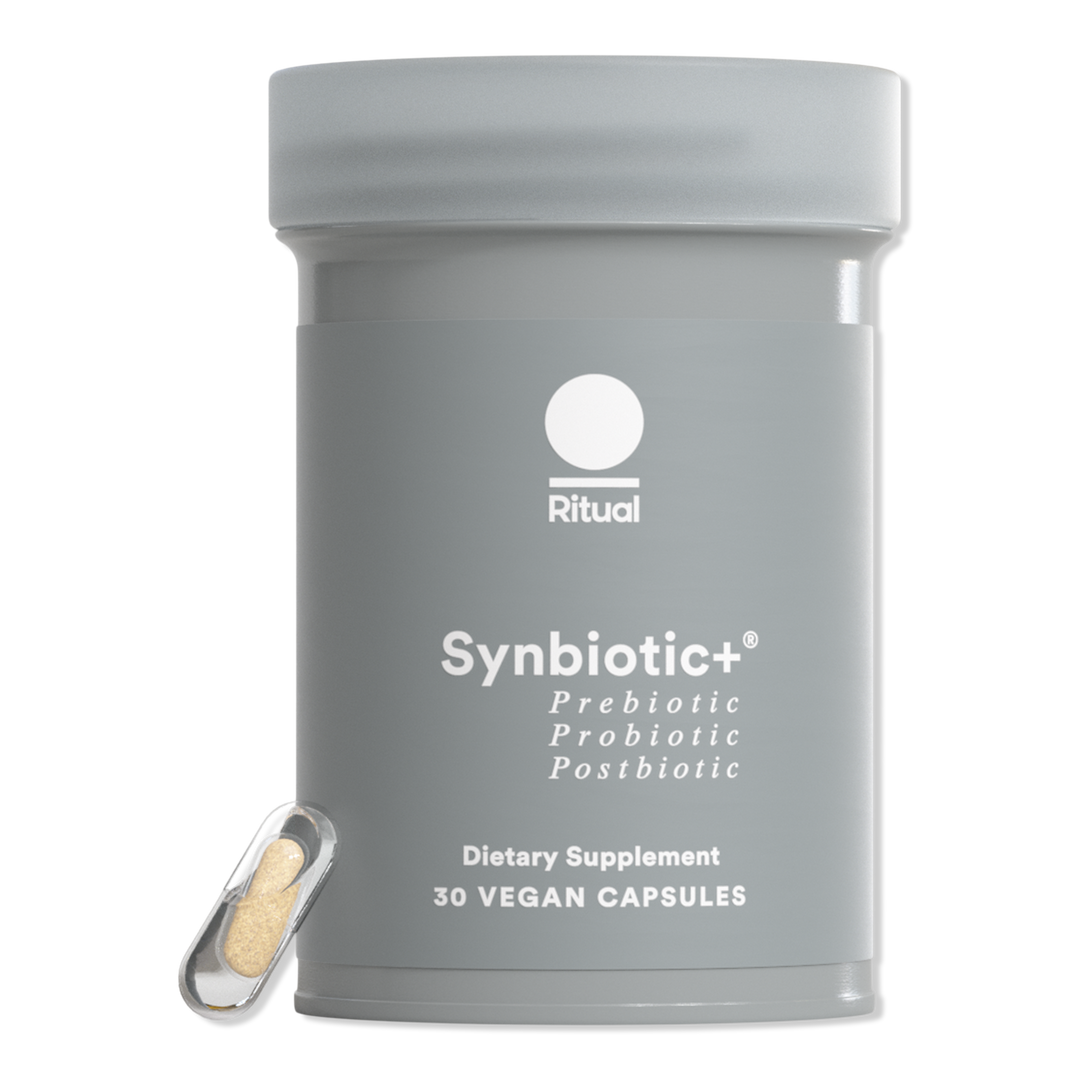
5 of 5: Best Capsule With Named Probiotic Strains and a Prebiotic
Ritual Synbiotic+
Prebiotic, Probiotic and Postbiotic Capsules | $62.99
Shop Ritual Synbiotic+ at Ulta →
Ritual lists LGG and BB-12 probiotic strains, its PreforPro prebiotic ingredient and tributyrin as a postbiotic ingredient. It also lists 11 billion CFU and one capsule daily, with or without food. This is a useful label to compare when you want named components in a single capsule.
Key specs: Capsule · Prebiotic, probiotic and postbiotic formula · LGG and BB-12 listed · 11 billion CFU listed · 30 count
A quick safety note
Supplements may not be suitable for every person. Always consult a qualified healthcare professional before use.
Stop using a product and seek medical guidance if you experience a concerning reaction.
The practical takeaway
Probiotics provide live microorganisms. Prebiotics provide compounds that certain gut microorganisms can use, and synbiotics put both into one formula.
Your choice should come down to a clear goal, transparent labeling, a format you can use correctly and how the product feels in your routine. You can use probiotics and prebiotics together, but adding one at a time often makes the experience easier to assess.
Frequently asked questions
Do probiotics always need to be refrigerated?
No. Some formulas require refrigeration, while others are made for room-temperature storage. Follow the directions on the exact package, since storage needs can vary by formula.
Are probiotic gummies the same as capsules?
They can contain similar types of microorganisms, but their strains, amounts, added ingredients and storage directions may differ. Check the full label rather than choosing by format alone.
Can I mix prebiotic powder into a hot drink?
It depends on the ingredient and package directions. Some powders can be mixed into hot or cold foods, while others have specific temperature or preparation instructions.
Is it okay to take a gut health supplement while traveling?
It may be, but storage is the deciding factor. Check whether the product needs refrigeration, protection from moisture or another condition that may be difficult to maintain during your trip.
How can I tell whether a supplement contains common allergens?
Read both the ingredient list and the allergen statement on the package. Manufacturing and formulation details can change, so check the current label each time you purchase.
Related Content: Best Vitamins for Hair Growth, Best Sleep Supplements, Stress Relief Products, Magnesium Glycinate Vs Citrate Vs Threonate, Best Vitamins for Energy, Best Biotin Supplement, Best Supplements for Women, Best Vitamins for Hair, Skin & Nails, When to Take Vitamins, Best Collagen Supplements for Skin
Explore more Wellness Buying Guides and Beauty Education Articles